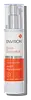
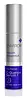
Environ Skin Care Skin Essentia AVST Moisturiser 1 Versus Environ Skin Care Vita Peptide C-Quence Serum 1
This barrier-repair moisturizer is formulated around Panthenol and Ascorbyl Tetraisopalmitate to strengthen the skin barrier.
This anti-aging serum is formulated around Ascorbyl Tetraisopalmitate and Palmitoyl Oligopeptide to soften the look of wrinkles.

What's inside
What's inside
 Key Ingredients
Benefits
Concerns
Ingredients Side-by-side
Water
Skin ConditioningHydrogenated Polydecene
EmollientSorbitol
Humectant

Tocopheryl Acetate
Antioxidant


Glyceryl Stearate
Emollient

PEG-100 Stearate
Surfactant
Cetearyl Alcohol
Emollient




Caprylic/Capric Triglyceride
Masking
Ethoxydiglycol
HumectantDimethicone
Emollient

Panthenol
Skin Conditioning

Sorbitan Stearate
Emulsifying
Polysorbate 60
Emulsifying
Ascorbyl Tetraisopalmitate
Antioxidant

Ascorbic Acid
Antioxidant

Rosmarinus Officinalis Leaf Extract
AntimicrobialEpigallocatechin Gallate
Antioxidant
Retinyl Palmitate
Skin Conditioning
Tocopherol
Antioxidant
Aspalathus Linearis Leaf Extract
Skin ConditioningCyclopia Genistoides Leaf Extract
Antioxidant
Polygonum Cuspidatum Extract
Skin ConditioningBeta-Carotene
Skin ConditioningAscorbyl Palmitate
Antioxidant
Glycerin
Humectant
Polyglyceryl-10 Laurate
Skin Conditioning
Helianthus Annuus Seed Oil
Emollient
Sodium Hydroxide
BufferingXanthan Gum
EmulsifyingMaltodextrin
Absorbent
Gelatin
Sucrose
Humectant
Zea Mays Oil
Emulsifying
Zea Mays Starch
Absorbent
Disodium EDTA
Methylparaben
Preservative


Propylparaben
Preservative
Water, Hydrogenated Polydecene, Sorbitol, Tocopheryl Acetate, Glyceryl Stearate, PEG-100 Stearate, Cetearyl Alcohol, Caprylic/Capric Triglyceride, Ethoxydiglycol, Dimethicone, Panthenol, Sorbitan Stearate, Polysorbate 60, Ascorbyl Tetraisopalmitate, Ascorbic Acid, Rosmarinus Officinalis Leaf Extract, Epigallocatechin Gallate, Retinyl Palmitate, Tocopherol, Aspalathus Linearis Leaf Extract, Cyclopia Genistoides Leaf Extract, Polygonum Cuspidatum Extract, Beta-Carotene, Ascorbyl Palmitate, Glycerin, Polyglyceryl-10 Laurate, Helianthus Annuus Seed Oil, Sodium Hydroxide, Xanthan Gum, Maltodextrin, Gelatin, Sucrose, Zea Mays Oil, Zea Mays Starch, Disodium EDTA, Methylparaben, Propylparaben
Water
Skin ConditioningButylene Glycol
Humectant
PEG-40 Hydrogenated Castor Oil
Emulsifying
Glycerin
Humectant
Ethylhexyl Methoxycinnamate
UV Absorber

Sorbitol
Humectant
Tocopheryl Acetate
Antioxidant
C12-15 Alkyl Benzoate
AntimicrobialAscorbyl Tetraisopalmitate
Antioxidant
Sodium Lactate
Buffering
Hydrolyzed Jojoba Esters
Skin Conditioning
Polysorbate 20
Emulsifying
Palmitoyl Oligopeptide
Cleansing
Palmitoyl Tetrapeptide-7
Skin Conditioning
Tribehenin
Emollient
Ceramide Ng
Skin Conditioning
PEG-10 Phytosterol
EmulsifyingPalmitoyl Hexapeptide-12
Skin Conditioning
Carbomer
Emulsion StabilisingTea-Lactate
HumectantSerine
Masking
Lactic Acid
Buffering

Urea
Buffering
Allantoin
Skin Conditioning
Retinyl Propionate
Skin Conditioning
Sodium Chloride
MaskingDisodium EDTA
Helianthus Annuus Seed Oil
Emollient
BHT
Antioxidant
Acrylates/C10-30 Alkyl Acrylate Crosspolymer
Emulsion StabilisingRosmarinus Officinalis Leaf Extract
AntimicrobialEpigallocatechin Gallate
Antioxidant
Xanthan Gum
EmulsifyingLycopene
Antioxidant
Sodium Hydroxide
BufferingSodium Ascorbate
Antioxidant
Tocopherol
Antioxidant
Glucose
Humectant
Corn Starch Modified
AbsorbentZea Mays Starch
Absorbent
Sodium Benzoate
Masking
Water, Butylene Glycol, PEG-40 Hydrogenated Castor Oil, Glycerin, Ethylhexyl Methoxycinnamate, Sorbitol, Tocopheryl Acetate, C12-15 Alkyl Benzoate, Ascorbyl Tetraisopalmitate, Sodium Lactate, Hydrolyzed Jojoba Esters, Polysorbate 20, Palmitoyl Oligopeptide, Palmitoyl Tetrapeptide-7, Tribehenin, Ceramide Ng, PEG-10 Phytosterol, Palmitoyl Hexapeptide-12, Carbomer, Tea-Lactate, Serine, Lactic Acid, Urea, Allantoin, Retinyl Propionate, Sodium Chloride, Disodium EDTA, Helianthus Annuus Seed Oil, BHT, Acrylates/C10-30 Alkyl Acrylate Crosspolymer, Rosmarinus Officinalis Leaf Extract, Epigallocatechin Gallate, Xanthan Gum, Lycopene, Sodium Hydroxide, Sodium Ascorbate, Tocopherol, Glucose, Corn Starch Modified, Zea Mays Starch, Sodium Benzoate
Ingredients Explained
These ingredients are found in both products.
Ingredients higher up in an ingredient list are typically present in a larger amount.
Ascorbyl Tetraisopalmitate is a version of ascorbic acid, or Vitamin C.
This ingredient has many benefits including reducing wrinkles, skin soothing, dark spot fading, and fighting against free radicals.
It helps with dark spot fading by interfering with the process of skin darkening, helping to reduce hyperpigmentation. Like other forms of vitamin C, this ingredient encourages the skin to create more collagen.
As an antioxidant, it helps fight free-radicals. Free-radicals are molecules that may damage your skin cells.
One study found Ascorbyl Tetraisopalmitate to degrade in sunlight, but is stabilized when combined with acetyl zingerone.
Learn more about Ascorbyl TetraisopalmitateDisodium EDTA is a chelating agent. It grabs onto and deactivates metal ions that sneak into your products from water, packaging, or air.
This ingredient mainly works behind the scenes and helps with:
On top of that, this ingredient can counteract the effects of hard water by binding to the minerals in it.
One thing worth knowing is that Disodium EDTA has been shown to be a mild penetration enhancer. It can help other ingredients absorb into skin more effectively which can be a double-edged sword (great for actives, but can also make the active too strong if you have sensitive skin).
Clinical patch testing showed no significant skin irritation at typical use concentrations and minimal dermal absorption.
You'll most likely see this ingredient near the end of an ingredient list. It's typically found in concentrations less than 1%.
Learn more about Disodium EDTAEpigallocatechin Gallate (EGCG) is the most abundant catechin in green tea. It is a heavyweight antioxidant in the green tea family.
In skincare, it helps protect skin from photoaging damage by scavenging UV-induced reactive oxygen species and tampering down inflammatory pathways.
UV-exposed skin cells treated with EGCG showed less of the enzyme that chews up collagen, lower inflammatory signaling, and better preserved barrier function.
EGCG nudges skin cells to make more of your skin's built in moisturizing molecules, filaggrin and hyaluronic acid, for better skin hydration.
Because it inhibits melanogenesis, it also provides a mild brightening effect.
Clinically, topical EGCG has helped calm radiation-related skin irritation and scalp seborrheic dermatitis with no major side effects.
In an 8-week split-face study, topical EGCG at 1% and 5% significantly reduced inflammatory and non-inflammatory acne.
A study from 2023 on patients with Seborrhea (a chronic skin condition caused by overactive sebaceous glands) found that using a 5% EGCG cream (alone and combined with 2% L-carnitine) and found meaningful sebum reduction plus better hydration.
Just one caveat here: Most clinical trials used 1-5% concentrations and most cosmetics contain only 0.1-1%.
The only headache related to this ingredient is stability. EGCG degrades quickly with heat, light, oxygen, and higher pH.
That's why you'll usually see it in low-pH formulas (4.5-6.5) or paired with vitamin C + vitamin E to slow its degradation. Hyaluronic acid also stabilizes it and boosts its antioxidant activity.
Learn more about Epigallocatechin GallateGlycerin (or glycerol) is a compound naturally found in your skin. It's a powerhouse humectant that pulls water into the stratum corneum.
Topically, glycerin does several things at once:
Your skin makes glycerin on its own (mostly from sebaceous oil breakdown) and shuttles it to your outermost layer of skin, or your epidermis, via aquaporin-3.
Aquaporin-3 is a transporter that is essential for normal skin hydration, elasticity, and repair. Interestingly, mice lacking in AQP3 have dry and less elastic skin that can be fully corrected with glycerin.
This ingredient is non-irritating, plays well with almost every ingredient, and works across all skin types. Typical use is anywhere between 3-10% but can go up to 79% in some leave-on products.
Just know very high concentrations (>40%) can feel tacky in low humidity.
Glycerin is the name for this ingredient in American English. British English uses Glycerol/Glycerine.
Learn more about GlycerinHelianthus Annuus Seed Oil is a plant oil derived from the seeds of a sunflower.
It is rich in fatty acids, primarily linoleic acid and oleic acid. This gives it emollient and skin conditioning properties.
The reason this ingredient is so effective is because it forms a thin film on the skin that reduces transepidermal water loss (TEWL) while supplying linoleic acid to the stratum corneum to improve barrier strength.
The high linoleic acid content is particularly noteworthy for acne-prone skin.
Research suggests that acne-prone skin tends to be deficient in linoleic acid in sebum. Topical application may help replenish this to support a healthier follicular environment and less comedone-promoting sebum.
One randomized study found sunflower seed oil preserved skin barrier integrity in adult volunteers with and without atopic dermatitis (outperforming olive oil).
This ingredient is well-studied, gentle, and an effective emollient suitable for most skin types.
On fungal acne: This ingredient may not be Fungal acne (Malassezia folliculitis) safe. This is because it contains fatty acids with carbon chain lengths in the C11-C24 range.
Learn more about Helianthus Annuus Seed OilThis is a botanical extract from the rosemary plant (the same one you cook with). In skincare, it mostly works as a skin conditioning agent.
Its activity comes from a handful of polyphenols, carnosic acid, carnosol, and rosmarinic acid. Almost 90% of the antioxidant activity of this ingredient can be attributed to canosol and carnosic acid.
These compounds protect your skin two ways:
1) They fight off free radicals, or the unstable molecules from things like sun and pollution that age and damage skin.
2) They help calm inflammation by switching off the chemical signals that tell skin to get red and irritated.
Lab studies also suggest that rosmarinic acid may help protect collagen and slow sugar-related damage to it.
The Cosmetic Ingredient Review has concluded rosemary-derived ingredients to be safe when formulated to be non-sensitizing.
Rosemary can occasionally cause allergic contact dermatitis (due to carnosol), so be sure to patch test if you have reactive or fragrance-sensitive skin.
Learn more about Rosmarinus Officinalis Leaf ExtractSodium Hydroxide is also known as lye or caustic soda. It is used to adjust the pH of products; many ingredients require a specific pH to be effective.
In small amounts, sodium hydroxide is considered safe to use. However, large amounts may cause chemical burns due to its high alkaline.
Your skin has a natural pH and acid mantle. This acid mantle helps prevent harmful bacteria from breaking through. The acid mantle also helps keep your skin hydrated.
"Alkaline" refers to a high pH level. A low pH level would be considered acidic.
Learn more about Sodium HydroxideSorbitol is a sugar alcohol. It is a hydrating and moisturizing agent created from the reduction process of glucose.
Most sorbitol is usually made from potato starch. It is also found in fruits such as apples and pears.
As a humectant, Sorbitol helps draw water to the skin. This helps keep the skin hydrated. Sorbitol also helps create a thicker texture in products. You might find sorbitol in your toothpaste and other gels.
It is a non-irritating ingredient that is great for those with dry skin.
Sorbitol is a prebiotic. It helps promote the growth of healthy bacteria on your skin. The bacteria on your skin form a microbiome. This microbiome helps protect your skin from infection and harmful bacteria.
Learn more about SorbitolTocopherol is a fat-soluble antioxidant known as Vitamin E.
You'll find this ingredient in the vast majority of skincare (for good reason). It works to neutralize free radicals, or unstable molecules generated by UV exposure, pollution, and other environmental stressors, before they can cause oxidative damage to your skin cells.
Topically applied tocopherol has been shown to protect against UV damage by ramping up the skin's own natural defense enzymes.
It also acts as a skin conditioning agent; some studies show that regular topical use can improve the skin's water-binding capacity over 2-4 weeks.
This ingredient is especially loved for being a team player. When combined with Vitamin C, the photoprotective effect of both ingredients roughly doubles and the combo also helps reduce UV-induced DNA damage.
This ingredient has some brightening potential but it's more of a prevention ingredient than spot-fader. Cell studies show it can slow down melanin production but it's worth noting that it's not the most powerful brightener out there.
In formulations, it also serves as a stabilizer that helps protect other oxidation-prone ingredients from degrading.
Concentrations usually range from 0.1-1% in most leave-on products.
Learn more about TocopherolTocopheryl Acetate is a stable, shelf-friendly form of vitamin E.
Formulators love it because plain vitamin E oxidizes quickly once it hits air. This acetate version stays stable and resists going off, helping to extend a product's shelf life.
It's actually inactive on its own and works like a slow-release "storage" form; the enzymes in your skin called esterases gradually convert it into active vitamin E over time.
One in vivo study showed 5% of the acetate in the living layer of the epidermis converted to vitamin E after 5 days of application. This study also found the skin gained protection against UV damage even though the conversion was slow and small.
Once converted, vitamin E acts as a skin's main fat-soluble antioxidant that fights free radicals to protect skin from damage.
Topical vitamin E generally boosts the skin's photoprotection, and it reduced UV-damage in animal models.
This ingredient has some brightening potential but it's more of a prevention ingredient than spot-fader. Cell studies show it can slow down melanin production but it's worth noting that it's not the most powerful brightener out there.
Overall, it has a pretty solid safety profile and has been found to be non-irritating and non-comedogenic. Allergic reactions may happen but stay rare due to how widely the ingredient gets used.
The concentration will vary depending on the formula; industry data shows 0.1% in baby lotions, 3% in lipsticks, and 5% in foot powders. You can also find this ingredient at 100% in a pure vitamin E oil.
Most leave-on skincare keeps it at the lower end, often between 0.5-1%.
Learn more about Tocopheryl AcetateWater. It's the most common cosmetic ingredient of all. You'll usually see it at the top of ingredient lists, meaning that it makes up the largest part of the product.
So why is it so popular? Water most often acts as a solvent - this means that it helps dissolve other ingredients into the formulation.
You'll also recognize water as that liquid we all need to stay alive. If you see this, drink a glass of water. Remember to stay hydrated!
Learn more about WaterXanthan gum is used as a stabilizer and thickener within cosmetic products. It helps give products a sticky, thick feeling - preventing them from being too runny.
On the technical side of things, xanthan gum is a polysaccharide - a combination consisting of multiple sugar molecules bonded together.
Xanthan gum is a pretty common and great ingredient. It is a natural, non-toxic, non-irritating ingredient that is also commonly used in food products.
Learn more about Xanthan GumZea Mays Starch is starch made from corn. You might know this as cornstarch . It is used to thicken a product. It can replace talc as an absorbent.
The pH of cornstarch is 5.92.
Cornstarch is a common food ingredient used to thicken soups or to make corn syrup.
Learn more about Zea Mays Starch

