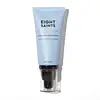
This calming moisturizer is formulated around Aloe Barbadensis Leaf Juice and Panthenol to calm redness and hydrate skin.
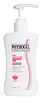
This calming moisturizer is formulated around Aloe Barbadensis Leaf Extract and Allantoin to calm redness and strengthen the skin barrier.


What's inside
What's inside
 Key Ingredients
Benefits
Concerns
Ingredients Side-by-side
Aloe Barbadensis Leaf Juice
Skin Conditioning


Water
Skin ConditioningHelianthus Annuus Seed Oil
Emollient


Glyceryl Stearate
Emollient
Isopropyl Palmitate
Emollient


Cetyl Alcohol
Emollient

Glycerin
Humectant

Stearic Acid
Cleansing
Pelargonium Graveolens Oil
Masking



Cocos Nucifera Oil
Masking
Simmondsia Chinensis Seed Oil
Emollient
Theobroma Cacao Seed Butter
Emollient
Beeswax
Emulsion Stabilising
Butyrospermum Parkii Butter
Skin Conditioning
Rosa Canina Fruit Oil
Emollient
Calophyllum Inophyllum Seed Oil
Antimicrobial
Macadamia Ternifolia Seed Oil
Emollient
Borago Officinalis Seed Oil
Emollient
Linum Usitatissimum Seed Oil
Perfuming
Oenothera Biennis Oil
Emollient
Hyaluronic Acid
Humectant

Panthenol
Skin Conditioning
Tocopherol
Antioxidant


Boswellia Carterii Oil
Masking
Sodium Cocoyl/Stearoyl (Alanine/Arginine/Asparagine/Aspartic Acid/Glutamic Acid/Glutamine/Glycine/Histidine/Isoleucine/Leucine/Lysine/Phenylalanine/Proline/Serine/Threonine/Tyrosine/Valine)
Emollient
Camellia Sinensis Leaf Extract
Antimicrobial

Sodium Lactate
Buffering
Avena Sativa Kernel Extract
Abrasive
Centella Asiatica Extract
Cleansing
Equisetum Arvense Extract
AstringentTaraxacum Officinale Extract
Skin ConditioningCalendula Officinalis Flower Extract
Masking
Chamomilla Recutita Oil
Masking
Lavandula Angustifolia Extract
Skin Conditioning
Arnica Montana Flower Oil
Perfuming
Ethylhexyl Palmitate
Emollient
Potassium Stearate
CleansingPhenoxyethanol
Preservative
Xanthan Gum
EmulsifyingEthylhexylglycerin
Skin ConditioningCitrus Aurantium Bergamia Peel Oil
Perfuming
Citrus Aurantium Dulcis Peel Oil
Masking
Citrus Limon Peel Oil
Masking
Cananga Odorata Flower Oil
Masking
Aloe Barbadensis Leaf Juice, Water, Helianthus Annuus Seed Oil, Glyceryl Stearate, Isopropyl Palmitate, Cetyl Alcohol, Glycerin, Stearic Acid, Pelargonium Graveolens Oil, Cocos Nucifera Oil, Simmondsia Chinensis Seed Oil, Theobroma Cacao Seed Butter, Beeswax, Butyrospermum Parkii Butter, Rosa Canina Fruit Oil, Calophyllum Inophyllum Seed Oil, Macadamia Ternifolia Seed Oil, Borago Officinalis Seed Oil, Linum Usitatissimum Seed Oil, Oenothera Biennis Oil, Hyaluronic Acid, Panthenol, Tocopherol, Boswellia Carterii Oil, Sodium Cocoyl/Stearoyl (Alanine/Arginine/Asparagine/Aspartic Acid/Glutamic Acid/Glutamine/Glycine/Histidine/Isoleucine/Leucine/Lysine/Phenylalanine/Proline/Serine/Threonine/Tyrosine/Valine), Camellia Sinensis Leaf Extract, Sodium Lactate, Avena Sativa Kernel Extract, Centella Asiatica Extract, Equisetum Arvense Extract, Taraxacum Officinale Extract, Calendula Officinalis Flower Extract, Chamomilla Recutita Oil, Lavandula Angustifolia Extract, Arnica Montana Flower Oil, Ethylhexyl Palmitate, Potassium Stearate, Phenoxyethanol, Xanthan Gum, Ethylhexylglycerin, Citrus Aurantium Bergamia Peel Oil, Citrus Aurantium Dulcis Peel Oil, Citrus Limon Peel Oil, Cananga Odorata Flower Oil
Water
Skin ConditioningPentylene Glycol
Skin Conditioning
Polyglyceryl-4 Caprate
EmulsifyingGlycerin
Humectant
Aloe Barbadensis Leaf Extract
Emollient
Allantoin
Skin Conditioning
Panthenol
Skin Conditioning
Inulin
Skin Conditioning
Maltodextrin
Absorbent
Beta-Glucan
Skin Conditioning
Yeast Extract
Skin ConditioningSaccharomyces Cerevisiae Extract
Skin Conditioning
Bifida Ferment Lysate
Skin Conditioning
Lactobacillus Ferment Lysate
Skin Conditioning
Sodium Hyaluronate
Humectant
Squalane
Emollient
Ceramide NP
Skin Conditioning
Hydrogenated Lecithin
Emulsifying
Caprylic/Capric Triglyceride
Masking
Sarcosine
Skin Conditioning
Palmitamide Mea
Foam BoostingAcetamide Mea
Foam BoostingRosmarinus Officinalis Leaf Oil
Masking
Juniperus Mexicana Oil
Masking
Carbomer
Emulsion StabilisingTromethamine
Buffering1,2-Hexanediol
Skin Conditioning
Caprylyl Glycol
Emollient
Trisodium EDTA
ChelatingButylene Glycol
Humectant
Ethylhexylglycerin
Skin ConditioningWater, Pentylene Glycol, Polyglyceryl-4 Caprate, Glycerin, Aloe Barbadensis Leaf Extract, Allantoin, Panthenol, Inulin, Maltodextrin, Beta-Glucan, Yeast Extract, Saccharomyces Cerevisiae Extract, Bifida Ferment Lysate, Lactobacillus Ferment Lysate, Sodium Hyaluronate, Squalane, Ceramide NP, Hydrogenated Lecithin, Caprylic/Capric Triglyceride, Sarcosine, Palmitamide Mea, Acetamide Mea, Rosmarinus Officinalis Leaf Oil, Juniperus Mexicana Oil, Carbomer, Tromethamine, 1,2-Hexanediol, Caprylyl Glycol, Trisodium EDTA, Butylene Glycol, Ethylhexylglycerin
Ingredients Explained
These ingredients are found in both products.
Ingredients higher up in an ingredient list are typically present in a larger amount.
Ethylhexylglycerin is created from glycerin. It is a multitasker ingredient that:
The CIR Expert Panel found minimal skin absorption or sensitization of any kind in a safety assessment. Though this ingredient is considered well-tolerated, a small number of cases of allergic dermatitis have been published since 2002. Just be sure to patch test if you are unsure.
Industry-reported use ranges from 8% in rinse-off products and 2% in leave-on formulations.
Learn more about EthylhexylglycerinGlycerin (or glycerol) is a compound naturally found in your skin. It's a powerhouse humectant that pulls water into the stratum corneum.
Topically, glycerin does several things at once:
Your skin makes glycerin on its own (mostly from sebaceous oil breakdown) and shuttles it to your outermost layer of skin, or your epidermis, via aquaporin-3.
Aquaporin-3 is a transporter that is essential for normal skin hydration, elasticity, and repair. Interestingly, mice lacking in AQP3 have dry and less elastic skin that can be fully corrected with glycerin.
This ingredient is non-irritating, plays well with almost every ingredient, and works across all skin types. Typical use is anywhere between 3-10% but can go up to 79% in some leave-on products.
Just know very high concentrations (>40%) can feel tacky in low humidity.
Glycerin is the name for this ingredient in American English. British English uses Glycerol/Glycerine.
Learn more about GlycerinPanthenol is a common ingredient that helps hydrate and soothe the skin. It is found naturally in our skin and hair.
There are two forms of panthenol: D and L.
D-panthenol is also known as dexpanthenol. Most cosmetics use dexpanthenol or a mixture of D and L-panthenol.
Panthenol is famous due to its ability to go deeper into the skin's layers. Using this ingredient has numerous pros (and no cons):
Like hyaluronic acid, panthenol is a humectant. Humectants are able to bind and hold large amounts of water to keep skin hydrated.
This ingredient works well for wound healing. It works by increasing tissue in the wound and helps close open wounds.
Once oxidized, panthenol converts to pantothenic acid. Panthothenic acid is found in all living cells.
This ingredient is also referred to as pro-vitamin B5.
Learn more about PanthenolWater. It's the most common cosmetic ingredient of all. You'll usually see it at the top of ingredient lists, meaning that it makes up the largest part of the product.
So why is it so popular? Water most often acts as a solvent - this means that it helps dissolve other ingredients into the formulation.
You'll also recognize water as that liquid we all need to stay alive. If you see this, drink a glass of water. Remember to stay hydrated!
Learn more about Water

