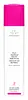
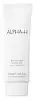
Drunk Elephant T.L.C. Framboos Glycolic Night Serum Versus Alpha-H Beauty Sleep Power Peel with 14% Glycolic Acid and 0.5% Retinol
This smoothing serum is formulated around Glycolic Acid and Lactic Acid to refine skin texture and brighten dull-looking skin.
This smoothing treatment is formulated around Glycolic Acid and Retinol to refine skin texture and soften the look of wrinkles.


What's inside
What's inside
 Key Ingredients
Benefits
Concerns
Ingredients Side-by-side
Water
Skin ConditioningGlycolic Acid
Buffering











Butylene Glycol
Humectant

Glycerin
Humectant
Sodium Hydroxide
BufferingLactic Acid
Buffering
Salicylic Acid
Masking


Tartaric Acid
Buffering
Vitis Vinifera Juice Extract
Antioxidant
Aloe Barbadensis Leaf Juice
Skin Conditioning

Opuntia Ficus-Indica Extract
Skin Conditioning
Aesculus Hippocastanum Seed Extract
Skin ConditioningCamellia Sinensis Leaf Extract
Antimicrobial
Rubus Idaeus Fruit Extract
AstringentSaccharomyces Cerevisiae Extract
Skin Conditioning
Buddleja Davidii Meristem Cell Culture
Skin ConditioningSclerocarya Birrea Seed Oil
Humectant

Sodium Hyaluronate Crosspolymer
Humectant
Allantoin
Skin Conditioning
Hydroxyethylcellulose
Emulsion StabilisingGalactoarabinan
Propanediol
Solvent
Citric Acid
Buffering
Tetrasodium Glutamate Diacetate
ChelatingXanthan Gum
EmulsifyingHexylene Glycol
EmulsifyingPhenoxyethanol
Preservative
Sodium Benzoate
Masking
Caprylyl Glycol
Emollient
Potassium Sorbate
Preservative
Pentylene Glycol
Skin Conditioning
Sodium Carbonate
BufferingSodium Chloride
MaskingDisodium Phosphate
BufferingSodium Phosphate
BufferingEthylhexylglycerin
Skin ConditioningWater, Glycolic Acid, Butylene Glycol, Glycerin, Sodium Hydroxide, Lactic Acid, Salicylic Acid, Tartaric Acid, Vitis Vinifera Juice Extract, Aloe Barbadensis Leaf Juice, Opuntia Ficus-Indica Extract, Aesculus Hippocastanum Seed Extract, Camellia Sinensis Leaf Extract, Rubus Idaeus Fruit Extract, Saccharomyces Cerevisiae Extract, Buddleja Davidii Meristem Cell Culture, Sclerocarya Birrea Seed Oil, Sodium Hyaluronate Crosspolymer, Allantoin, Hydroxyethylcellulose, Galactoarabinan, Propanediol, Citric Acid, Tetrasodium Glutamate Diacetate, Xanthan Gum, Hexylene Glycol, Phenoxyethanol, Sodium Benzoate, Caprylyl Glycol, Potassium Sorbate, Pentylene Glycol, Sodium Carbonate, Sodium Chloride, Disodium Phosphate, Sodium Phosphate, Ethylhexylglycerin
Water
Skin ConditioningGlycolic Acid
Buffering
Caprylic/Capric Triglyceride
Masking
Dimethicone
Emollient
Cetearyl Alcohol
Emollient
Glyceryl Stearate
Emollient
PEG-100 Stearate
Surfactant
Cyclopentasiloxane
Emollient
Euglena Gracilis Extract
Skin ConditioningPotassium Hydroxide
BufferingCeteareth-20
Cleansing
Sodium Carrageenan
Emulsion StabilisingGlycerin
Humectant
Stearic Acid
Cleansing
Hydrolyzed Wheat Flour
Skin ConditioningPhenoxyethanol
Preservative
Maltodextrin
Absorbent
Simmondsia Chinensis Seed Oil
Emollient
Dimethicone Crosspolymer
Emulsion Stabilising
Parfum
Masking

Butyrospermum Parkii Butter
Skin Conditioning
Mangifera Indica Seed Butter
Skin Conditioning
Prunus Amygdalus Dulcis Oil
Skin Conditioning
Retinol
Skin Conditioning
Tocopheryl Acetate
Antioxidant
Vitis Vinifera Seed Oil
Emollient
Panthenol
Skin Conditioning
Tanacetum Annuum Flower Oil
Masking
Gluconolactone
Chelating
Allantoin
Skin Conditioning
Disodium EDTA
ChelatingSodium Benzoate
Masking
Aloe Barbadensis Leaf
Masking
Calcium Pantothenate
Xanthan Gum
EmulsifyingCaprylyl Glycol
Emollient
Proline
Skin Conditioning
Serine
Masking
Sodium Hyaluronate
Humectant
Urea
Buffering
Magnesium Lactate
BufferingPapain
Skin Conditioning
Ethylhexylglycerin
Skin ConditioningCalcium Gluconate
HumectantAlanine
Masking
Magnesium Chloride
Sodium Citrate
BufferingLimonene
Perfuming
Linalool
Perfuming
Water, Glycolic Acid, Caprylic/Capric Triglyceride, Dimethicone, Cetearyl Alcohol, Glyceryl Stearate, PEG-100 Stearate, Cyclopentasiloxane, Euglena Gracilis Extract, Potassium Hydroxide, Ceteareth-20, Sodium Carrageenan, Glycerin, Stearic Acid, Hydrolyzed Wheat Flour, Phenoxyethanol, Maltodextrin, Simmondsia Chinensis Seed Oil, Dimethicone Crosspolymer, Parfum, Butyrospermum Parkii Butter, Mangifera Indica Seed Butter, Prunus Amygdalus Dulcis Oil, Retinol, Tocopheryl Acetate, Vitis Vinifera Seed Oil, Panthenol, Tanacetum Annuum Flower Oil, Gluconolactone, Allantoin, Disodium EDTA, Sodium Benzoate, Aloe Barbadensis Leaf, Calcium Pantothenate, Xanthan Gum, Caprylyl Glycol, Proline, Serine, Sodium Hyaluronate, Urea, Magnesium Lactate, Papain, Ethylhexylglycerin, Calcium Gluconate, Alanine, Magnesium Chloride, Sodium Citrate, Limonene, Linalool
Reviews
Ingredients Explained
These ingredients are found in both products.
Ingredients higher up in an ingredient list are typically present in a larger amount.
Allantoin is a soothing ingredient known for its protective and moisturizing properties; it's basically a quiet workhorse ingredient you can find in a huge range of cosmetics.
Though it can be derived from the comfrey plant, allantoin is produced synthetically for cosmetic products to ensure purity.
Research shows it can encourage your skin cells to turn over and renew by stimulating keratinocyte and fibroblast proliferation.
It also has mild keratolytic properties to help loosen and shed dead skin cells without being harsh.
Studies also suggest allantoin can help calm inflammation by dialing down some of the chemical signals your skin sends out when it is irritated.
This ingredient is typically used in the 0.1-0.5% range, and the FDA recognizes it as a skin protectant in OTC products up to 2%.
Overall, allantoin is a wonderful addition to most routines; it is stable across a wide pH range (~4-8), works well with other ingredients, and is considered non-sensitizing/non-irritating.
Fun fact: Allantoin is naturally occurring in comfrey root, beets, chamomile, and wheat sprouts. Our bodies even produce it as a byproduct of uric acid metabolism.
Learn more about AllantoinCaprylyl Glycol is a humectant, skin conditioner, emollient, and preservative booster derived from either caprylic acid or synthetically created.
Typical use levels vary from 0.3-1% as a preservative booster and go up to 2% to condition skin.
Because it is not a free-fatty acid, this ingredient is fungal acne safe (there's nothing for Malassezia to feed on).
Learn more about Caprylyl GlycolEthylhexylglycerin is created from glycerin. It is a multitasker ingredient that:
The CIR Expert Panel found minimal skin absorption or sensitization of any kind in a safety assessment. Though this ingredient is considered well-tolerated, a small number of cases of allergic dermatitis have been published since 2002. Just be sure to patch test if you are unsure.
Industry-reported use ranges from 8% in rinse-off products and 2% in leave-on formulations.
Learn more about EthylhexylglycerinGlycerin (or glycerol) is a compound naturally found in your skin. It's a powerhouse humectant that pulls water into the stratum corneum.
Topically, glycerin does several things at once:
Your skin makes glycerin on its own (mostly from sebaceous oil breakdown) and shuttles it to your outermost layer of skin, or your epidermis, via aquaporin-3.
Aquaporin-3 is a transporter that is essential for normal skin hydration, elasticity, and repair. Interestingly, mice lacking in AQP3 have dry and less elastic skin that can be fully corrected with glycerin.
This ingredient is non-irritating, plays well with almost every ingredient, and works across all skin types. Typical use is anywhere between 3-10% but can go up to 79% in some leave-on products.
Just know very high concentrations (>40%) can feel tacky in low humidity.
Glycerin is the name for this ingredient in American English. British English uses Glycerol/Glycerine.
Learn more about GlycerinGlycolic Acid is arguably the most famous alpha hydroxy acid (AHA) with tons of research backing its benefits.
It is found naturally in sugar cane but the form used in skincare is usually synthetic for purity and stability.
Glycolic acid removes the top layer of dead skin cells to allow newer and fresher ones to emerge.
AHAs work by breaking down the structural “glue” that holds old skin cells in place. When that buildup is gone, your skin can renew itself more efficiently.
Research also shows glycolic acid stimulates collagen production, helping to firm and thicken the skin over time. This is one of its biggest advantages over other AHAs.
Overall, glycolic acid helps with:
Fun fact: Glycolic acid boosts skin hydration by helping it produce molecules that increase hyaluronic acid naturally.
To work best, glycolic acid products should have a pH between 3-4 (that’s where exfoliation is most effective but still gentle on skin).
The pH and concentration of a product are key to its effectiveness:
It is normal to feel a slight stinging sensation when using glycolic acid. This usually fades as your skin adjusts.
Because glycolic acid has the smallest molecular size in the AHA family, it can penetrate deeper, which enhances its effectiveness but also makes it more likely to irritate sensitive skin.
If your skin is very sensitive or prone to rosacea, glycolic acid may be too strong; in that case, try milder options like lactic acid or a PHA instead.
Recent studies suggest glycolic acid might even help protect against UV damage. But don’t skip sunscreen! Freshly exfoliated skin is more sensitive to the sun.
Glycolic acid is a skincare superstar. It smooths, brightens, hydrates, and firms the skin. Unless you’re highly sensitive, it’s well worth adding to your routine.
Read more about some other popular AHA's here:
Learn more about Glycolic AcidPhenoxyethanol is one of the most widely used preservatives in skincare (and for good reason!).
It has a large spectrum of antimicrobial activity and especially effective bacteria, yeast, and mold while only having a weak effect on your skin's natural microbiome.
On a cellular level, it disrupts the cell membranes of microbes by poking holes that make the cell leak. This shuts down the chemical reactions the microbe needs to make energy so it can no longer survive.
Another perk of this ingredient is that it stays functional across a wide pH range (3-10).
You'll often see it paired with boosters like Ethylhexylglycerin; one study showed that a 1:9 ratio of Ethylhexylglycerin to Phenoxyethanol damages bacterial membranes as effectively as doubling the Phenoxyethanol concentration on its own.
Typical use concentrations range from 0.3-1% depending on the formula, and this ingredient is capped at 1% int the EU.
Safety-wise, the fear mongering does not hold up to the evidence. The EU's Scientific Committee on Consumer Safety and FDA consider it safe as a preservative at up to 1%, including for children of all ages.
Adverse systemic effects only showed up in animal studies at exposures roughly 200x higher than what people get from cosmetics. And despite its very widespread use, this ingredient is a rare sensitizer and allergic reactions are uncommon.
Learn more about PhenoxyethanolSodium Benzoate is a preservative. It's used in both cosmetic and food products to inhibit the growth of mold and bacteria. It is typically produced synthetically.
Both the US FDA and EU Health Committee have approved the use of sodium benzoate. In the US, levels of 0.1% (of the total product) are allowed.
Sodium benzoate works as a preservative by inhibiting the growth of bacteria inside of cells. It prevents the cell from fermenting a type of sugar using an enzyme called phosphofructokinase.
It is the salt of benzoic acid. Foods containing sodium benzoate include soda, salad dressings, condiments, fruit juices, wines, and snack foods.
Studies for using ascorbic acid and sodium benzoate in cosmetics are lacking, especially in skincare routines with multiple steps.
We always recommend speaking with a professional, such as a dermatologist, if you have any concerns.
Learn more about Sodium BenzoateWater. It's the most common cosmetic ingredient of all. You'll usually see it at the top of ingredient lists, meaning that it makes up the largest part of the product.
So why is it so popular? Water most often acts as a solvent - this means that it helps dissolve other ingredients into the formulation.
You'll also recognize water as that liquid we all need to stay alive. If you see this, drink a glass of water. Remember to stay hydrated!
Learn more about WaterXanthan gum is used as a stabilizer and thickener within cosmetic products. It helps give products a sticky, thick feeling - preventing them from being too runny.
On the technical side of things, xanthan gum is a polysaccharide - a combination consisting of multiple sugar molecules bonded together.
Xanthan gum is a pretty common and great ingredient. It is a natural, non-toxic, non-irritating ingredient that is also commonly used in food products.
Learn more about Xanthan Gum

