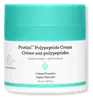
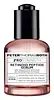
Drunk Elephant Protini Polypeptide Cream Versus Peter Thomas Roth PRO Strength Retinoid Peptide Serum
This anti-aging moisturizer is formulated around Sclerocarya Birrea Seed Oil and Sh-Oligopeptide-1 to soften the look of wrinkles and hydrate skin.
This anti-aging serum is formulated around Hydroxypinacolone Retinoate and Ceramide NP to soften the look of wrinkles and refine skin texture.

What's inside
What's inside
 Key Ingredients
Benefits
Concerns
Ingredients Side-by-side
Water
Skin ConditioningDicaprylyl Carbonate
EmollientGlycerin
Humectant


Cetearyl Alcohol
Emollient






Cetearyl Olivate
Sorbitan Olivate
Emulsifying
Sclerocarya Birrea Seed Oil
Humectant
Bacillus/Folic Acid Ferment Filtrate Extract
Antioxidant
Nymphaea Alba Root Extract
Skin ConditioningSh-Oligopeptide-1
Skin Conditioning

Sh-Oligopeptide-2
Skin Conditioning
Sh-Polypeptide-1
Skin Conditioning
Sh-Polypeptide-9
Skin Conditioning
Sh-Polypeptide-11
Copper Palmitoyl Heptapeptide-14
Skin Conditioning
Heptapeptide-15 Palmitate
Skin Conditioning
Palmitoyl Tetrapeptide-7
Skin Conditioning
Palmitoyl Tripeptide-1
Skin Conditioning
Alanine
Masking
Arginine
Masking
Glycine
Buffering
Histidine
Humectant
Isoleucine
Skin ConditioningPhenylalanine
Masking
Proline
Skin Conditioning
Serine
Masking
Threonine
Valine
MaskingAcetyl Glutamine
Skin ConditioningCoconut Alkanes
Emollient
Coco-Caprylate/Caprate
Emollient
Sodium Hyaluronate
Humectant

Aspartic Acid
Masking
Linoleic Acid
Cleansing

Linolenic Acid
Cleansing

Lecithin
Emollient
Butylene Glycol
Humectant
Polyvinyl Alcohol
Sodium Lactate
Buffering
Sodium PCA
Humectant
PCA
Humectant
Sorbitan Isostearate
Emulsifying
Carbomer
Emulsion StabilisingPolysorbate 20
Emulsifying
Polysorbate 60
Emulsifying
Lactic Acid/Glycolic Acid Copolymer
Skin ConditioningHydroxyethyl Acrylate/Sodium Acryloyldimethyl Taurate Copolymer
Emulsion StabilisingXanthan Gum
EmulsifyingIsomalt
Humectant1,2-Hexanediol
Skin Conditioning
Caprylyl Glycol
Emollient
Chlorphenesin
Antimicrobial
Phenoxyethanol
Preservative
Tocopherol
Antioxidant

Sodium Benzoate
Masking
Phenylpropanol
Masking
Glyceryl Caprylate
EmollientSymphytum Officinale Callus Culture Extract
Skin ConditioningWater, Dicaprylyl Carbonate, Glycerin, Cetearyl Alcohol, Cetearyl Olivate, Sorbitan Olivate, Sclerocarya Birrea Seed Oil, Bacillus/Folic Acid Ferment Filtrate Extract, Nymphaea Alba Root Extract, Sh-Oligopeptide-1, Sh-Oligopeptide-2, Sh-Polypeptide-1, Sh-Polypeptide-9, Sh-Polypeptide-11, Copper Palmitoyl Heptapeptide-14, Heptapeptide-15 Palmitate, Palmitoyl Tetrapeptide-7, Palmitoyl Tripeptide-1, Alanine, Arginine, Glycine, Histidine, Isoleucine, Phenylalanine, Proline, Serine, Threonine, Valine, Acetyl Glutamine, Coconut Alkanes, Coco-Caprylate/Caprate, Sodium Hyaluronate, Aspartic Acid, Linoleic Acid, Linolenic Acid, Lecithin, Butylene Glycol, Polyvinyl Alcohol, Sodium Lactate, Sodium PCA, PCA, Sorbitan Isostearate, Carbomer, Polysorbate 20, Polysorbate 60, Lactic Acid/Glycolic Acid Copolymer, Hydroxyethyl Acrylate/Sodium Acryloyldimethyl Taurate Copolymer, Xanthan Gum, Isomalt, 1,2-Hexanediol, Caprylyl Glycol, Chlorphenesin, Phenoxyethanol, Tocopherol, Sodium Benzoate, Phenylpropanol, Glyceryl Caprylate, Symphytum Officinale Callus Culture Extract
C9-12 Alkane
SolventDimethicone
Emollient
Isononyl Isononanoate
EmollientDimethyl Isosorbide
SolventTrisiloxane
Skin Conditioning
Cyclopentasiloxane
Emollient
Polysilicone-11

Coco-Caprylate/Caprate
Emollient
Caprylic/Capric Triglyceride
Masking
Hydroxypinacolone Retinoate
Skin Conditioning


Palmitoyl Hexapeptide-14
Skin Conditioning
Ceramide NP
Skin Conditioning
Helianthus Annuus Seed Extract
Skin Conditioning
Hordeum Vulgare Extract
EmollientCucumis Sativus Extract
Skin Conditioning
Laminaria Ochroleuca Extract
Skin Conditioning
Zingiber Officinale Root Extract
Masking
Phytosteryl Canola Glycerides
Skin Conditioning
Sodium Hyaluronate
Humectant
Sodium PCA
Humectant
Squalane
Emollient
Tocopherol
Antioxidant
Lecithin
Emollient
Linoleic Acid
Cleansing
Oleic Acid
Emollient
Palmitic Acid
Emollient
Stearic Acid
Cleansing
Hydroxystearic Acid
Cleansing
Triolein
Skin Conditioning
Bisabolol
Antioxidant
Ethylhexyl Hydroxystearate
Emollient
Ethoxydiglycol
HumectantEthylhexylglycerin
Skin ConditioningWater
Skin ConditioningMica
Cosmetic ColorantPhenoxyethanol
Preservative
C9-12 Alkane, Dimethicone, Isononyl Isononanoate, Dimethyl Isosorbide, Trisiloxane, Cyclopentasiloxane, Polysilicone-11, Coco-Caprylate/Caprate, Caprylic/Capric Triglyceride, Hydroxypinacolone Retinoate, Palmitoyl Hexapeptide-14, Ceramide NP, Helianthus Annuus Seed Extract, Hordeum Vulgare Extract, Cucumis Sativus Extract, Laminaria Ochroleuca Extract, Zingiber Officinale Root Extract, Phytosteryl Canola Glycerides, Sodium Hyaluronate, Sodium PCA, Squalane, Tocopherol, Lecithin, Linoleic Acid, Oleic Acid, Palmitic Acid, Stearic Acid, Hydroxystearic Acid, Triolein, Bisabolol, Ethylhexyl Hydroxystearate, Ethoxydiglycol, Ethylhexylglycerin, Water, Mica, Phenoxyethanol
Reviews
Ingredients Explained
These ingredients are found in both products.
Ingredients higher up in an ingredient list are typically present in a larger amount.
Coco-Caprylate/Caprate is a lightweight ester created from coconut oil fatty acids, caprylic acid, and capric acid.
It is an emollient that helps soften skin and reduce transepidermal water loss (TEWL). What sets it apart from heavier emollients is its ultralight, non-greasy feel.
Once applied, this ingredient dries down quickly and leaves a dry, silky finish behind. This also helps improve spreadability and texture.
This ingredient has an excellent safety-record and is non-irritating.
Typical concentrations for cosmetics range from 0.5-62%.
Research on Malassezia growth found no growth on fatty acid esters with chain lengths shorter than 12 carbons (it prefers C11-24).
Since Coco-Caprylate/Caprate is built on C8 and C10 fatty acids, it is out of the range that Malassezia metabolizes, and therefore safe for fungal acne.
Learn more about Coco-Caprylate/CaprateLecithin is a term for a group of substances found in the cell membranes of plants, animals, and humans. They are made up of phospholipids.
Thanks to its amphiphilic structure (water-loving head and oil-loving tail), it is a true multitasker:
It plays well with most ingredients and is typically used at 0.1-1%. However, concentrations up to 50% have been reported in moisturizers.
Learn more about LecithinLinoleic Acid is also known as Vitamin F. It is a fatty acid with emollient and skin conditioning properties.
Our top layer of skin, or epidermis, naturally contains high amounts of linoleic acid.
Your body uses linoleic acid to build ceramides and prostaglandins. Ceramides keep your skin's barrier hydrated and strong while prosaglandins help control inflammation and healing.
Needless to say, linoleic acid is crucial for having a strong skin barrier.
One study found applying linoleic acid rich sunflower oil to be more effective at repairing the skin barrier than olive oil.
This ingredient can also help treat acne by softening sebum to prevent clogged pores. Another study found using 2.5% linoleic acid gel for 4 weeks showed a 25% reduction in small comedones.
Studies show it can also help lighten hyperpigmentation or sun spots by disrupting the melanin production process. It also helps your skin shed melanin pigment from your skin caused by UV exposure.
Due to its role in the production of the fatty acid prostaglandin, linoleic acid can also help reduce inflammation and support wound healing.
Fun fact: Linoleic acid is an essential fatty acid. This means our bodies cannot create it on its own and we need to get it through foods such as nuts and vegetable oils.
Just know this ingredient is not always fungal-acne safe because it is a long-chain fatty acid (with 18 carbon atoms) that directly feeds the Malassezia yeast responsible for fungal acne.
Learn more about Linoleic AcidPhenoxyethanol is one of the most widely used preservatives in skincare (and for good reason!).
It has a large spectrum of antimicrobial activity and especially effective bacteria, yeast, and mold while only having a weak effect on your skin's natural microbiome.
On a cellular level, it disrupts the cell membranes of microbes by poking holes that make the cell leak. This shuts down the chemical reactions the microbe needs to make energy so it can no longer survive.
Another perk of this ingredient is that it stays functional across a wide pH range (3-10).
You'll often see it paired with boosters like Ethylhexylglycerin; one study showed that a 1:9 ratio of Ethylhexylglycerin to Phenoxyethanol damages bacterial membranes as effectively as doubling the Phenoxyethanol concentration on its own.
Typical use concentrations range from 0.3-1% depending on the formula, and this ingredient is capped at 1% int the EU.
Safety-wise, the fear mongering does not hold up to the evidence. The EU's Scientific Committee on Consumer Safety and FDA consider it safe as a preservative at up to 1%, including for children of all ages.
Adverse systemic effects only showed up in animal studies at exposures roughly 200x higher than what people get from cosmetics. And despite its very widespread use, this ingredient is a rare sensitizer and allergic reactions are uncommon.
Learn more about PhenoxyethanolSodium Hyaluronate is the salt form of hyaluronic acid. It is a long sugar chain that is naturally found in your skin, joints, and connective tissue that maintains hydration and elasticity.
In skincare, it works as a humectant. It pulls water from the environment and deeper layers of skin and binds it to the surface.
Interestingly, the size of the molecule affects its behavior:
Some clinical evidence links low molecular weight versions to improved wrinkle depth, elasticity, anti-inflammatory effects, and barrier repair.
Many serums use a blend of both weights so you can get surface hydration plus longer-lasting and deeper effects.
You'll typically see concentrations between 0.1-2% for this ingredient.
Learn more about Sodium HyaluronateSodium PCA (the salt of PCA) is one of the most well-established humectants in skincare.
Why is it so special? Your skin already makes it naturally; it's a natural component of your skin's Natural Moisturizing Factor (NMF), or the mix of water-binding compounds inside your skin cells that keeps things soft and hydrated.
As a cosmetic ingredient, it grabs water and holds it in the upper layers of skin to smooth roughness and ease dehydration.
There's some clinical support for the NMF approach with a study showing that a cream built to mimic the skin's NMF significantly boosted hydration.
Safety-wise, this ingredient non-irritating, non-comedogenic, and non-phototoxic in testing, with minimal skin absorption.
It also works really well with other hydrators like glycerin or hyaluronic acid, and typical usage is somewhere between 0.2-4%.
Learn more about Sodium PCATocopherol is a fat-soluble antioxidant known as Vitamin E.
You'll find this ingredient in the vast majority of skincare (for good reason). It works to neutralize free radicals, or unstable molecules generated by UV exposure, pollution, and other environmental stressors, before they can cause oxidative damage to your skin cells.
Topically applied tocopherol has been shown to protect against UV damage by ramping up the skin's own natural defense enzymes.
It also acts as a skin conditioning agent; some studies show that regular topical use can improve the skin's water-binding capacity over 2-4 weeks.
This ingredient is especially loved for being a team player. When combined with Vitamin C, the photoprotective effect of both ingredients roughly doubles and the combo also helps reduce UV-induced DNA damage.
This ingredient has some brightening potential but it's more of a prevention ingredient than spot-fader. Cell studies show it can slow down melanin production but it's worth noting that it's not the most powerful brightener out there.
In formulations, it also serves as a stabilizer that helps protect other oxidation-prone ingredients from degrading.
Concentrations usually range from 0.1-1% in most leave-on products.
Learn more about TocopherolWater. It's the most common cosmetic ingredient of all. You'll usually see it at the top of ingredient lists, meaning that it makes up the largest part of the product.
So why is it so popular? Water most often acts as a solvent - this means that it helps dissolve other ingredients into the formulation.
You'll also recognize water as that liquid we all need to stay alive. If you see this, drink a glass of water. Remember to stay hydrated!
Learn more about Water

