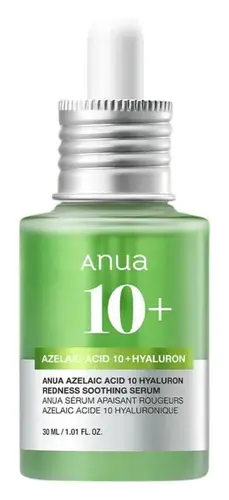
This brightening serum is formulated around Ascorbic Acid and Tocopherol to brighten dull-looking skin and soften the look of wrinkles.
This brightening overnight mask is formulated around Azelaic Acid and Salicylic Acid to fade the look of dark spots and refine skin texture.

What's inside
What's inside
 Key Ingredients
Benefits
Concerns
Ingredients Side-by-side
Water
Skin ConditioningDimethyl Isosorbide
SolventAscorbic Acid
Antioxidant






Laureth-23
Cleansing

Glycerin
Humectant

Tocopherol
Antioxidant

Lactobacillus/Pumpkin Ferment Extract
Skin ConditioningSclerocarya Birrea Seed Oil
Humectant


Dipotassium Glycyrrhizate
Humectant
Glycyrrhiza Glabra Root Extract
Bleaching
Vitis Vinifera Juice Extract
Antioxidant
Ferulic Acid
Antimicrobial
Phyllanthus Emblica Fruit Extract
HumectantCamellia Sinensis Leaf Extract
Antimicrobial

Lactobacillus/Punica Granatum Fruit Ferment Extract
Antioxidant
Propanediol
Solvent
Gluconolactone
Chelating

Sodium Hyaluronate Crosspolymer
Humectant
Sodium Hyaluronate
Humectant
Oryza Sativa Bran Extract
Skin Conditioning
Glutamylamidoethyl Imidazole
Tetrahydrobisdemethoxydiferuloylmethane
Antioxidant
Tetrahydrodemethoxydiferuloylmethane
Antioxidant
Tetrahydrodiferuloylmethane
Antioxidant
Pentylene Glycol
Skin Conditioning
Caprylhydroxamic Acid
ChelatingLeuconostoc/Radish Root Ferment Filtrate
Antimicrobial
Sorbic Acid
Preservative
Phenoxyethanol
Preservative
Sodium Benzoate
Masking
Caprylyl Glycol
Emollient
Chondrus Crispus Extract
Skin Conditioning
Ethylhexylglycerin
Skin ConditioningWater, Dimethyl Isosorbide, Ascorbic Acid, Laureth-23, Glycerin, Tocopherol, Lactobacillus/Pumpkin Ferment Extract, Sclerocarya Birrea Seed Oil, Dipotassium Glycyrrhizate, Glycyrrhiza Glabra Root Extract, Vitis Vinifera Juice Extract, Ferulic Acid, Phyllanthus Emblica Fruit Extract, Camellia Sinensis Leaf Extract, Lactobacillus/Punica Granatum Fruit Ferment Extract, Propanediol, Gluconolactone, Sodium Hyaluronate Crosspolymer, Sodium Hyaluronate, Oryza Sativa Bran Extract, Glutamylamidoethyl Imidazole, Tetrahydrobisdemethoxydiferuloylmethane, Tetrahydrodemethoxydiferuloylmethane, Tetrahydrodiferuloylmethane, Pentylene Glycol, Caprylhydroxamic Acid, Leuconostoc/Radish Root Ferment Filtrate, Sorbic Acid, Phenoxyethanol, Sodium Benzoate, Caprylyl Glycol, Chondrus Crispus Extract, Ethylhexylglycerin
Water
Skin ConditioningAzelaic Acid 10%
Buffering
Hydroxyethyl Acrylate/Sodium Acryloyldimethyl Taurate Copolymer
Emulsion StabilisingSalicylic Acid 1%
Masking


Glycerin
Humectant
Cucurbita Pepo Seed Oil
Emollient
Salvia Hispanica Seed Oil
Emollient
Sclerocarya Birrea Seed Oil
Humectant
Pentylene Glycol
Skin Conditioning
Diglucosyl Gallic Acid
Niacinamide
Smoothing
Phloretin
Antioxidant
Allantoin
Skin Conditioning
Ferulic Acid
Antimicrobial
Dipotassium Glycyrrhizate
Humectant
Tremella Fuciformis Sporocarp Extract
Antioxidant
Behenic Acid
Cleansing
Glutathione
Linoleic Acid
Cleansing
Tocotrienols
Skin Conditioning
Thioctic Acid
Antioxidant
Linolenic Acid
Cleansing

Ergothioneine
Antioxidant
Cholesterol
Emollient
Ceramide Ns
Skin Conditioning
Ceramide AP
Skin Conditioning
Ceramide EOP
Skin Conditioning
Ceramide Eos
Skin Conditioning
Ceramide NP
Skin Conditioning
Sodium Hyaluronate Crosspolymer
Humectant
Amylopectin
Ellagic Acid
Skin Conditioning
Pseudozyma Epicola/Camellia Sinensis Seed Oil Ferment Extract Filtrate
Humectant
Caprooyl Phytosphingosine
Skin Conditioning
Caprooyl Sphingosine
Skin ConditioningSqualane
Emollient
Ascorbyl Palmitate
Antioxidant
Acetyl Glucosamine
Skin Conditioning
Punica Granatum Extract
AstringentDextrin
AbsorbentSebacic Acid
BufferingOryza Sativa Bran Oil
Emollient
Tocopherol
Antioxidant
Ceteareth-25
CleansingPhenoxyethanol
Preservative
Sorbitan Isostearate
Emulsifying
Polydextrose
HumectantCetyl Alcohol
Emollient
Caprylyl Glycol
Emollient
Chlorphenesin
Antimicrobial
Polysorbate 60
Emulsifying
Ethylhexylglycerin
Skin ConditioningWater, Azelaic Acid 10%, Hydroxyethyl Acrylate/Sodium Acryloyldimethyl Taurate Copolymer, Salicylic Acid 1%, Glycerin, Cucurbita Pepo Seed Oil, Salvia Hispanica Seed Oil, Sclerocarya Birrea Seed Oil, Pentylene Glycol, Diglucosyl Gallic Acid, Niacinamide, Phloretin, Allantoin, Ferulic Acid, Dipotassium Glycyrrhizate, Tremella Fuciformis Sporocarp Extract, Behenic Acid, Glutathione, Linoleic Acid, Tocotrienols, Thioctic Acid, Linolenic Acid, Ergothioneine, Cholesterol, Ceramide Ns, Ceramide AP, Ceramide EOP, Ceramide Eos, Ceramide NP, Sodium Hyaluronate Crosspolymer, Amylopectin, Ellagic Acid, Pseudozyma Epicola/Camellia Sinensis Seed Oil Ferment Extract Filtrate, Caprooyl Phytosphingosine, Caprooyl Sphingosine, Squalane, Ascorbyl Palmitate, Acetyl Glucosamine, Punica Granatum Extract, Dextrin, Sebacic Acid, Oryza Sativa Bran Oil, Tocopherol, Ceteareth-25, Phenoxyethanol, Sorbitan Isostearate, Polydextrose, Cetyl Alcohol, Caprylyl Glycol, Chlorphenesin, Polysorbate 60, Ethylhexylglycerin
Reviews
Alternatives
Ingredients Explained
These ingredients are found in both products.
Ingredients higher up in an ingredient list are typically present in a larger amount.
Caprylyl Glycol is a humectant, skin conditioner, emollient, and preservative booster derived from either caprylic acid or synthetically created.
Typical use levels vary from 0.3-1% as a preservative booster and go up to 2% to condition skin.
Because it is not a free-fatty acid, this ingredient is fungal acne safe (there's nothing for Malassezia to feed on).
Learn more about Caprylyl GlycolDipotassium Glycyrrhizate comes from licorice root.
Extracts of licorice have demonstrated to have antibacterial, anti‐inflammatory, antiviral, antioxidant properties.
One component, glabridin, has extra potent antioxidant and soothing properties. It has also been found to block pigmentation from UVB rays in guinea pigs.
Licorice Root also contains a flavonoid. Flavonoids are a natural substance from in plants. Flavonoids also have antioxidant properties.
Another component, glycyrrhizin, has been found to have anti-inflammatory and antimicrobial benefits. This may make licorice root extract effective at treating acne. However, more research is needed to support this.
Liquiritin is one of the flavone compounds found in licorice. It has been found to help lighten skin by preventing tyrosinase from reacting with tyrosine. When the two react, protein is converted to melanin. Melanin is the substance in your body that gives your features pigmentation.
Licorice root is native to Southern Europe and Asia. It has been used in traditional Chinese medicine to help with respiratory issues.
Learn more about Dipotassium GlycyrrhizateEthylhexylglycerin is created from glycerin. It is a multitasker ingredient that:
The CIR Expert Panel found minimal skin absorption or sensitization of any kind in a safety assessment. Though this ingredient is considered well-tolerated, a small number of cases of allergic dermatitis have been published since 2002. Just be sure to patch test if you are unsure.
Industry-reported use ranges from 8% in rinse-off products and 2% in leave-on formulations.
Learn more about EthylhexylglycerinFerulic Acid is a plant based antioxidant that can be naturally found in the cell walls of grains like rice, oats, and corn. It has antioxidant and antimicrobial properties, and has the ability to boost the performance of other antioxidants as well.
A well-known study found that adding Ferulic Acid to a solution of Vitamins C and E doubled the photoprotection of skin. This is why you'll often see it paired with Vitamin C or Vitamin E serums rather than sold on its own.
A 2025 review of 18 human studies found that using Ferulic Acid (0.5-1%) daily for one to three months showed improvements in:
As far as allergies go, Ferulic acid is generally well-tolerated but can cause an allergic reaction in very rare cases. It's also worth noting that Ferulic acid is often extracted from plant sources like rice bran or wheat bran, so be sure to path test if you have known grain allergies.
Outside of skincare, researchers are also looking into Ferulic Acid for its potential benefits in areas like diabetes, Alzheimer's, and heart health.
Learn more about Ferulic AcidGlycerin (or glycerol) is a compound naturally found in your skin. It's a powerhouse humectant that pulls water into the stratum corneum.
Topically, glycerin does several things at once:
Your skin makes glycerin on its own (mostly from sebaceous oil breakdown) and shuttles it to your outermost layer of skin, or your epidermis, via aquaporin-3.
Aquaporin-3 is a transporter that is essential for normal skin hydration, elasticity, and repair. Interestingly, mice lacking in AQP3 have dry and less elastic skin that can be fully corrected with glycerin.
This ingredient is non-irritating, plays well with almost every ingredient, and works across all skin types. Typical use is anywhere between 3-10% but can go up to 79% in some leave-on products.
Just know very high concentrations (>40%) can feel tacky in low humidity.
Glycerin is the name for this ingredient in American English. British English uses Glycerol/Glycerine.
Learn more about GlycerinPentylene Glycol (1,2-pentanediol) is a multitasking little diol with three main roles in a formula:
Research on alkanediols (the family pentylene glycol belongs to) show they work by disrupting microbial cell membranes. This disruption helps the primary preservative system in a product work more effectively at lower doses.
On the safety side, the Cosmetic Ingredient Review Expert Panel has concluded this ingredient to be safe as used in current cosmetic practices + concentrations.
Typical use levels in a formula run about 1-5%.
Learn more about Pentylene GlycolPhenoxyethanol is one of the most widely used preservatives in skincare (and for good reason!).
It has a large spectrum of antimicrobial activity and especially effective bacteria, yeast, and mold while only having a weak effect on your skin's natural microbiome.
On a cellular level, it disrupts the cell membranes of microbes by poking holes that make the cell leak. This shuts down the chemical reactions the microbe needs to make energy so it can no longer survive.
Another perk of this ingredient is that it stays functional across a wide pH range (3-10).
You'll often see it paired with boosters like Ethylhexylglycerin; one study showed that a 1:9 ratio of Ethylhexylglycerin to Phenoxyethanol damages bacterial membranes as effectively as doubling the Phenoxyethanol concentration on its own.
Typical use concentrations range from 0.3-1% depending on the formula, and this ingredient is capped at 1% int the EU.
Safety-wise, the fear mongering does not hold up to the evidence. The EU's Scientific Committee on Consumer Safety and FDA consider it safe as a preservative at up to 1%, including for children of all ages.
Adverse systemic effects only showed up in animal studies at exposures roughly 200x higher than what people get from cosmetics. And despite its very widespread use, this ingredient is a rare sensitizer and allergic reactions are uncommon.
Learn more about PhenoxyethanolSclerocarya Birrea Seed Oil (aka marula oil) is a skin hydrating ingredient.
Its fatty acid profile is dominated by oleic acid (~69%), palmitic acid (~15%), linoleic acid (~9%), and palmitoleic acid (~4%).
These fatty acids are very similar to those naturally found in the epidermis, making this oil biomimetic; basically, your skin recognizes it.
Clinical testing found this ingredient to be moisturizing and non-irritating, with noteworthy effects on reducing transepidermal water loss (TEWL).
Besides fatty acids, marula oil is also rich in oxidative stabilizers like vitamin E, vitamin C precursors, and polyphenols. This gives it excellent shelf stability compared to most facial oils.
This is a great ingredient for dry, dull, or barrier-compromised skin.
Just know it may not be fungal acne safe due to the oleic and palmitic acid content. These fatty acids can as as a food source for the Malassezia yeast.
This ingredient shows up on a lot of "pore-clogging" lists but there's no real evidence behind that. It doesn't even have a comedogenic rating from an actual study; the numbers you'll find online come from blogs citing other blogs.
Some people still find it breaks them out. So if that's you, definitely trust your skin.
Learn more about Sclerocarya Birrea Seed OilSodium Hyaluronate Crosspolymer is a crosslinked version of sodium hyaluronate. This just means it's linked into a 3D mesh network that lets it be more stable and sit on skin as a cohesive, gel-like film rather than sinking into skin.
A 2016 human skin study found crosslinked HA increased epidermal water content by 7.6% over the control group and reduced transepidermal water loss by 27.8%.
A follow-up clinical trial found that a topical crosslinked HA serum applied after fillers, microneedling, or chemical peels was well-tolerated and enhanced skin quality at 14 / 28 days.
More recent research suggests that concentrations as low as 0.03% can act as a penetration enhancer for other skincare actives.
Learn more about Sodium Hyaluronate CrosspolymerTocopherol is a fat-soluble antioxidant known as Vitamin E.
You'll find this ingredient in the vast majority of skincare (for good reason). It works to neutralize free radicals, or unstable molecules generated by UV exposure, pollution, and other environmental stressors, before they can cause oxidative damage to your skin cells.
Topically applied tocopherol has been shown to protect against UV damage by ramping up the skin's own natural defense enzymes.
It also acts as a skin conditioning agent; some studies show that regular topical use can improve the skin's water-binding capacity over 2-4 weeks.
This ingredient is especially loved for being a team player. When combined with Vitamin C, the photoprotective effect of both ingredients roughly doubles and the combo also helps reduce UV-induced DNA damage.
This ingredient has some brightening potential but it's more of a prevention ingredient than spot-fader. Cell studies show it can slow down melanin production but it's worth noting that it's not the most powerful brightener out there.
In formulations, it also serves as a stabilizer that helps protect other oxidation-prone ingredients from degrading.
Concentrations usually range from 0.1-1% in most leave-on products.
Learn more about TocopherolWater. It's the most common cosmetic ingredient of all. You'll usually see it at the top of ingredient lists, meaning that it makes up the largest part of the product.
So why is it so popular? Water most often acts as a solvent - this means that it helps dissolve other ingredients into the formulation.
You'll also recognize water as that liquid we all need to stay alive. If you see this, drink a glass of water. Remember to stay hydrated!
Learn more about Water