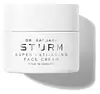
This anti-aging moisturizer is formulated around Ceramide NP to soften the look of wrinkles and hydrate skin.
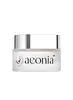
This anti-aging moisturizer is formulated around Aminopropyl Ascorbyl Phosphate and Retinol to soften the look of wrinkles and refine skin texture.


What's inside
What's inside
 Key Ingredients
Benefits
Concerns
Ingredients Side-by-side
Water
Skin ConditioningCaprylic/Capric Triglyceride
Masking


Decyl Oleate
Emollient




Butyrospermum Parkii Butter
Skin Conditioning
Glycerin
Humectant
Hydrogenated Lecithin
Emulsifying
Pentylene Glycol
Skin Conditioning
Lactobacillus/Portulaca Oleracea Ferment Extract
Antioxidant
Olea Europaea Fruit Oil
Masking

Persea Gratissima Oil
Skin Conditioning
Tocopheryl Acetate
Antioxidant

Ceramide NP
Skin Conditioning



Sodium Hyaluronate
Humectant
Polygonum Bistorta Root Extract
Skin ConditioningLeuconostoc/Radish Root Ferment Filtrate
Antimicrobial
Plankton Extract
Skin ConditioningPhenoxyethanol
Preservative
Panthenol
Skin Conditioning
C12-16 Alcohols
EmollientPalmitic Acid
Emollient
Squalane
Emollient
Xanthan Gum
EmulsifyingCarbomer
Emulsion StabilisingEthylhexylglycerin
Skin ConditioningHelianthus Annuus Seed Oil
Emollient
Tocopherol
Antioxidant
Teprenone
Skin ConditioningSodium Hydroxide
BufferingHexylene Glycol
EmulsifyingPantolactone
Humectant
Caprylyl Glycol
Emollient
Citric Acid
Buffering
Water, Caprylic/Capric Triglyceride, Decyl Oleate, Butyrospermum Parkii Butter, Glycerin, Hydrogenated Lecithin, Pentylene Glycol, Lactobacillus/Portulaca Oleracea Ferment Extract, Olea Europaea Fruit Oil, Persea Gratissima Oil, Tocopheryl Acetate, Ceramide NP, Sodium Hyaluronate, Polygonum Bistorta Root Extract, Leuconostoc/Radish Root Ferment Filtrate, Plankton Extract, Phenoxyethanol, Panthenol, C12-16 Alcohols, Palmitic Acid, Squalane, Xanthan Gum, Carbomer, Ethylhexylglycerin, Helianthus Annuus Seed Oil, Tocopherol, Teprenone, Sodium Hydroxide, Hexylene Glycol, Pantolactone, Caprylyl Glycol, Citric Acid
Water
Skin ConditioningStearic Acid
Cleansing
Glyceryl Stearate Se
Emulsifying
Cetyl Palmitate
Emollient
Cetyl Alcohol
Emollient
Caprylic/Capric Triglyceride
Masking
Ceteareth-20
Cleansing
Alcohol
Antimicrobial


Butylene Glycol
Humectant
Tocopheryl Acetate
Antioxidant
Aminopropyl Ascorbyl Phosphate
Antioxidant


Isoamyl Laurate
Emollient
Bacillus Lysate
Skin ProtectingSodium Hyaluronate
Humectant
Resveratrol
Antioxidant
Retinol
Skin Conditioning


Ceramide NP
Skin Conditioning
Ceramide AP
Skin Conditioning
Ceramide EOP
Skin Conditioning
Glycolic Acid
Buffering
Chitosan
Ethylhexylglycerin
Skin ConditioningPhytosphingosine
Skin Conditioning
Pyridoxine Hcl
Skin ConditioningNiacin
SmoothingMelatonin
Antioxidant
Panthenol
Skin Conditioning
Nannochloropsis Oculata Extract
HumectantCitric Acid
Buffering
Cholesterol
Emollient
Pullulan
Mannitol
Humectant
Faex Extract
Skin ConditioningGlycine Soja Oil
Emollient
Triticum Vulgare Germ Oil
Emollient
Pantolactone
Humectant
Sodium Acrylate/Sodium Acryloyldimethyl Taurate Copolymer
Emulsion StabilisingIsohexadecane
EmollientOlus Oil
Emollient
Rosa Canina Fruit Oil
Emollient
Rosa Rubiginosa Seed Oil
Emollient
Rosa Moschata Seed Oil
Emollient
Tetrasodium Glutamate Diacetate
ChelatingSorbitan Oleate
Emulsifying
Pentylene Glycol
Skin Conditioning
Sodium Lauroyl Lactylate
EmulsifyingCellulose Gum
Emulsion StabilisingAcrylates/C10-30 Alkyl Acrylate Crosspolymer
Emulsion StabilisingDisodium EDTA
ChelatingCarbomer
Emulsion StabilisingDisodium Phosphate
BufferingDisodium Succinate
MaskingPotassium Phosphate
BufferingXanthan Gum
EmulsifyingPolysorbate 80
Emulsifying
Polysorbate 20
Emulsifying
Sodium Hydroxide
BufferingPhenoxyethanol
Preservative
BHT
Antioxidant
Water, Stearic Acid, Glyceryl Stearate Se, Cetyl Palmitate, Cetyl Alcohol, Caprylic/Capric Triglyceride, Ceteareth-20, Alcohol, Butylene Glycol, Tocopheryl Acetate, Aminopropyl Ascorbyl Phosphate, Isoamyl Laurate, Bacillus Lysate, Sodium Hyaluronate, Resveratrol, Retinol, Ceramide NP, Ceramide AP, Ceramide EOP, Glycolic Acid, Chitosan, Ethylhexylglycerin, Phytosphingosine, Pyridoxine Hcl, Niacin, Melatonin, Panthenol, Nannochloropsis Oculata Extract, Citric Acid, Cholesterol, Pullulan, Mannitol, Faex Extract, Glycine Soja Oil, Triticum Vulgare Germ Oil, Pantolactone, Sodium Acrylate/Sodium Acryloyldimethyl Taurate Copolymer, Isohexadecane, Olus Oil, Rosa Canina Fruit Oil, Rosa Rubiginosa Seed Oil, Rosa Moschata Seed Oil, Tetrasodium Glutamate Diacetate, Sorbitan Oleate, Pentylene Glycol, Sodium Lauroyl Lactylate, Cellulose Gum, Acrylates/C10-30 Alkyl Acrylate Crosspolymer, Disodium EDTA, Carbomer, Disodium Phosphate, Disodium Succinate, Potassium Phosphate, Xanthan Gum, Polysorbate 80, Polysorbate 20, Sodium Hydroxide, Phenoxyethanol, BHT
Ingredients Explained
These ingredients are found in both products.
Ingredients higher up in an ingredient list are typically present in a larger amount.
Caprylic/Capric Triglyceride (aka MCT Oil) is a lightweight emollient, solvent, and texture enhancer. It is considered a skin-softener by helping to prevent moisture loss.
Though it behaves like an oil, it is not technically one due to its chemical composition. One perk of this ingredient is that it is very stable, resistant to oxidation, and unlikely to go rancid.
In practice, that translates to a long shelf life and a consistently elegant skin feel.
While there is an assumption Caprylic Triglyceride can clog pores due to it being derived from coconut oil, there is no research supporting this. Just patch test if you have concerns.
Fractionated coconut oil and MCT Oil are both listed as Caprylic/Capric Triglyceride according to INCI. This is because INCI names are based on the ingredient’s final chemical composition and not its marketing name or source.
This ingredient is treated as the gold standard fungal acne safe oil. Even though it is coconut derived, the problematic lauric acid is stripped out.
This leaves just caprylic (C8) and capric (C10) acid. These chain lengths actually trend antifungal; a 2020 study found caprylic acid was enough to disrupt Malassezia furfur cell membrane, with a caprylic acid derivative damaging membrane structures at concentrations as low as 0.2%.
Learn more about Caprylic/Capric TriglycerideCarbomer is a synthetic thickening and gelling agent. It's basically the ingredient that gives a lot of serums, gels, creams, and sunscreens their smooth, non-sticky texture.
Although legally permitted at very high levels, carbomers are normally used at concentrations below 1%.
It also needs to be neutralized to actually thicken, and because it is a large molecule, it doesn't really penetrate the skin barrier.
Allergy-wise, the risk is very low. Clinical studies show carbomers have low potential for skin irritation/sensitization even at concentrations up to 100%.
A 2024 UK study patch-tested 1,302 patients and found true allergy to the parent group of carbomer to be rare with no confirmed relevant reactions.
Learn more about CarbomerCeramide NP (formerly known as Ceramide 3) is one of the skin's naturally occurring lipids.
Since ceramides are the major lipid components of the skin, they are crucial for maintaining skin barrier and hydration. Ceramide NP most closely mirrors the dominant kind in human skin amongst ceramide subtypes.
This ceramide works by slotting into gaps within the stratum corneum's lipid matrix to limit trans-epidermal water loss (TEWL) and shield the skin against external irritants.
A study with 312 patients found that using a ceramide-containing routine for 4 weeks reduced the severity of atopic dermatitis by over 61%.
Another clinical study in subjects aged 60 and older found that a ceramide body wash and moisturizer improved skin dryness and itchy skin in 15 days.
Overall, ceramides are considered non-irritating and safety tests have found little to no observable adverse effects from using this ingredient.
Ceramide NP is usually sourced from plants (like soybean or rice bran), or produced synthetically.
Learn more about Ceramide NPCitric Acid is an alpha hydroxy acid (AHA) naturally found in citrus fruits like oranges, lemons, and limes.
Like other AHAs, citric acid can exfoliate skin by breaking down the bonds that hold dead skin cells together. This helps reveal smoother and brighter skin underneath.
However, this exfoliating effect only happens at high concentrations (20%) which can be hard to find in cosmetic products.
Due to this, citric acid is usually included in small amounts as a pH adjuster. This helps keep products slightly more acidic and compatible with skin's natural pH.
In skincare formulas, citric acid can:
While it can provide some skin benefits, research shows lactic acid and glycolic acid are generally more effective and less irritating exfoliants.
Most citric acid used in skincare today is made by fermenting sugars (usually from molasses). This synthetic version is identical to the natural citrus form but easier to stabilize and use in formulations.
Rosacea skin has a lower threshold for acids generally, with 62.5% of rosacea subjects in one study reacting to lactic acid in a sting test. This is why we mark citric acid as a potential rosacea trigger.
However, this ingredient shows up as a pH adjuster or chelator at roughly 0.1-1% in many products. These low levels are unlikely to be an issue for rosacea skin and becomes a potential trigger at exfoliating concentrations (20%). Because everybody's skin is unique, we recommend a patch test if you are unsure.
Learn more about Citric AcidEthylhexylglycerin is created from glycerin. It is a multitasker ingredient that:
The CIR Expert Panel found minimal skin absorption or sensitization of any kind in a safety assessment. Though this ingredient is considered well-tolerated, a small number of cases of allergic dermatitis have been published since 2002. Just be sure to patch test if you are unsure.
Industry-reported use ranges from 8% in rinse-off products and 2% in leave-on formulations.
Learn more about EthylhexylglycerinPanthenol is a common ingredient that helps hydrate and soothe the skin. It is found naturally in our skin and hair.
There are two forms of panthenol: D and L.
D-panthenol is also known as dexpanthenol. Most cosmetics use dexpanthenol or a mixture of D and L-panthenol.
Panthenol is famous due to its ability to go deeper into the skin's layers. Using this ingredient has numerous pros (and no cons):
Like hyaluronic acid, panthenol is a humectant. Humectants are able to bind and hold large amounts of water to keep skin hydrated.
This ingredient works well for wound healing. It works by increasing tissue in the wound and helps close open wounds.
Once oxidized, panthenol converts to pantothenic acid. Panthothenic acid is found in all living cells.
This ingredient is also referred to as pro-vitamin B5.
Learn more about PanthenolPantolactone is a synthetically created humectant.
As a humectant, Pantolactone helps draw moisture to the skin. It can help add hydration to your skin.
Pentylene Glycol (1,2-pentanediol) is a multitasking little diol with three main roles in a formula:
Research on alkanediols (the family pentylene glycol belongs to) show they work by disrupting microbial cell membranes. This disruption helps the primary preservative system in a product work more effectively at lower doses.
On the safety side, the Cosmetic Ingredient Review Expert Panel has concluded this ingredient to be safe as used in current cosmetic practices + concentrations.
Typical use levels in a formula run about 1-5%.
Learn more about Pentylene GlycolPhenoxyethanol is one of the most widely used preservatives in skincare (and for good reason!).
It has a large spectrum of antimicrobial activity and especially effective bacteria, yeast, and mold while only having a weak effect on your skin's natural microbiome.
On a cellular level, it disrupts the cell membranes of microbes by poking holes that make the cell leak. This shuts down the chemical reactions the microbe needs to make energy so it can no longer survive.
Another perk of this ingredient is that it stays functional across a wide pH range (3-10).
You'll often see it paired with boosters like Ethylhexylglycerin; one study showed that a 1:9 ratio of Ethylhexylglycerin to Phenoxyethanol damages bacterial membranes as effectively as doubling the Phenoxyethanol concentration on its own.
Typical use concentrations range from 0.3-1% depending on the formula, and this ingredient is capped at 1% int the EU.
Safety-wise, the fear mongering does not hold up to the evidence. The EU's Scientific Committee on Consumer Safety and FDA consider it safe as a preservative at up to 1%, including for children of all ages.
Adverse systemic effects only showed up in animal studies at exposures roughly 200x higher than what people get from cosmetics. And despite its very widespread use, this ingredient is a rare sensitizer and allergic reactions are uncommon.
Learn more about PhenoxyethanolSodium Hyaluronate is the salt form of hyaluronic acid. It is a long sugar chain that is naturally found in your skin, joints, and connective tissue that maintains hydration and elasticity.
In skincare, it works as a humectant. It pulls water from the environment and deeper layers of skin and binds it to the surface.
Interestingly, the size of the molecule affects its behavior:
Some clinical evidence links low molecular weight versions to improved wrinkle depth, elasticity, anti-inflammatory effects, and barrier repair.
Many serums use a blend of both weights so you can get surface hydration plus longer-lasting and deeper effects.
You'll typically see concentrations between 0.1-2% for this ingredient.
Learn more about Sodium HyaluronateSodium Hydroxide is also known as lye or caustic soda. It is used to adjust the pH of products; many ingredients require a specific pH to be effective.
In small amounts, sodium hydroxide is considered safe to use. However, large amounts may cause chemical burns due to its high alkaline.
Your skin has a natural pH and acid mantle. This acid mantle helps prevent harmful bacteria from breaking through. The acid mantle also helps keep your skin hydrated.
"Alkaline" refers to a high pH level. A low pH level would be considered acidic.
Learn more about Sodium HydroxideTocopheryl Acetate is a stable, shelf-friendly form of vitamin E.
Formulators love it because plain vitamin E oxidizes quickly once it hits air. This acetate version stays stable and resists going off, helping to extend a product's shelf life.
It's actually inactive on its own and works like a slow-release "storage" form; the enzymes in your skin called esterases gradually convert it into active vitamin E over time.
One in vivo study showed 5% of the acetate in the living layer of the epidermis converted to vitamin E after 5 days of application. This study also found the skin gained protection against UV damage even though the conversion was slow and small.
Once converted, vitamin E acts as a skin's main fat-soluble antioxidant that fights free radicals to protect skin from damage.
Topical vitamin E generally boosts the skin's photoprotection, and it reduced UV-damage in animal models.
This ingredient has some brightening potential but it's more of a prevention ingredient than spot-fader. Cell studies show it can slow down melanin production but it's worth noting that it's not the most powerful brightener out there.
Overall, it has a pretty solid safety profile and has been found to be non-irritating and non-comedogenic. Allergic reactions may happen but stay rare due to how widely the ingredient gets used.
The concentration will vary depending on the formula; industry data shows 0.1% in baby lotions, 3% in lipsticks, and 5% in foot powders. You can also find this ingredient at 100% in a pure vitamin E oil.
Most leave-on skincare keeps it at the lower end, often between 0.5-1%.
Learn more about Tocopheryl AcetateWater. It's the most common cosmetic ingredient of all. You'll usually see it at the top of ingredient lists, meaning that it makes up the largest part of the product.
So why is it so popular? Water most often acts as a solvent - this means that it helps dissolve other ingredients into the formulation.
You'll also recognize water as that liquid we all need to stay alive. If you see this, drink a glass of water. Remember to stay hydrated!
Learn more about WaterXanthan gum is used as a stabilizer and thickener within cosmetic products. It helps give products a sticky, thick feeling - preventing them from being too runny.
On the technical side of things, xanthan gum is a polysaccharide - a combination consisting of multiple sugar molecules bonded together.
Xanthan gum is a pretty common and great ingredient. It is a natural, non-toxic, non-irritating ingredient that is also commonly used in food products.
Learn more about Xanthan Gum

