
What's inside
What's inside
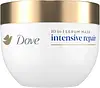 Key Ingredients
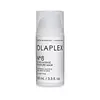
Benefits
Concerns
Ingredients Side-by-side
Water
Skin ConditioningCetearyl Alcohol
Emollient



Behentrimonium Chloride
Preservative
Glycerin
Humectant



Dimethiconol/Silsesquioxane Copolymer
Skin ConditioningIsohexadecane
EmollientDipropylene Glycol
HumectantParfum
Masking


Citric Acid
Buffering



Lactic Acid
Buffering

Sodium Gluconate
Skin ConditioningSodium Benzoate
Masking
Disodium EDTA
Sodium Citrate
BufferingCocos Nucifera Oil
Masking
Sodium Chloride
Masking
Sh-Polypeptide-50
Skin Conditioning
Avena Sativa Peptide
Skin Conditioning
Ceramide EOP
Skin Conditioning

Ceramide AP
Skin Conditioning
Ceramide NP
Skin Conditioning
Hydrolyzed Soy Protein
Humectant
Benzyl Salicylate
Perfuming

Hexyl Cinnamal
Perfuming
Limonene
Perfuming
Linalool
Perfuming
CI 19140
Cosmetic ColorantCI 15985
Cosmetic ColorantWater, Cetearyl Alcohol, Behentrimonium Chloride, Glycerin, Dimethiconol/Silsesquioxane Copolymer, Isohexadecane, Dipropylene Glycol, Parfum, Citric Acid, Lactic Acid, Sodium Gluconate, Sodium Benzoate, Disodium EDTA, Sodium Citrate, Cocos Nucifera Oil, Sodium Chloride, Sh-Polypeptide-50, Avena Sativa Peptide, Ceramide EOP, Ceramide AP, Ceramide NP, Hydrolyzed Soy Protein, Benzyl Salicylate, Hexyl Cinnamal, Limonene, Linalool, CI 19140, CI 15985
Water
Skin ConditioningDimethicone
Emollient
Cetyl Alcohol
Emollient
Persea Gratissima Oil
Skin Conditioning
Glycerin
Humectant
Stearyl Alcohol
Emollient
Ethylhexyl Olivate
Skin Conditioning
Behentrimonium Chloride
Preservative
Cetrimonium Bromide
Antimicrobial
Limnanthes Alba Seed Oil
Skin Conditioning
Oryza Sativa Bran Oil
Emollient
Quaternium-80
Squalane
Emollient
Rosa Canina Seed Extract
EmollientCeramide AP
Skin Conditioning
Ceramide NP
Skin Conditioning
Hydrolyzed Jojoba Esters
Skin Conditioning
Sodium Hyaluronate
Humectant
Sodium PCA
Humectant
Bis-Aminopropyl Diglycol Dimaleate
Skin ConditioningArginine
Masking
Jojoba Esters
Emollient
Panthenol
Skin Conditioning
Carthamus Tinctorius Seed Oil
Masking
Cannabis Sativa Seed Oil
Emollient
Glycine
Buffering
Alanine
MaskingSerine
Masking
Valine
MaskingIsoleucine
Skin ConditioningProline
Skin ConditioningThreonine
Guar Hydroxypropyltrimonium Chloride
Skin ConditioningHistidine
Humectant
Hydroxyethylcellulose
Emulsion StabilisingPhenylalanine
Masking
Aspartic Acid
Masking
PCA
Humectant
Phosphatidylcholine
EmulsifyingCitric Acid
Buffering
Sodium Lactate
BufferingEthylhexylglycerin
Skin ConditioningSodium Benzoate
Masking
Phenoxyethanol
Preservative
Bis-Cetearyl Amodimethicone
Propylene Glycol
Humectant
Isopropyl Alcohol
Solvent
Sodium Nitrate
SoothingTocopherol
Antioxidant

Parfum
Masking
Citral
Perfuming
Hexyl Cinnamal
Perfuming
Limonene
Perfuming
Water, Dimethicone, Cetyl Alcohol, Persea Gratissima Oil, Glycerin, Stearyl Alcohol, Ethylhexyl Olivate, Behentrimonium Chloride, Cetrimonium Bromide, Limnanthes Alba Seed Oil, Oryza Sativa Bran Oil, Quaternium-80, Squalane, Rosa Canina Seed Extract, Ceramide AP, Ceramide NP, Hydrolyzed Jojoba Esters, Sodium Hyaluronate, Sodium PCA, Bis-Aminopropyl Diglycol Dimaleate, Arginine, Jojoba Esters, Panthenol, Carthamus Tinctorius Seed Oil, Cannabis Sativa Seed Oil, Glycine, Alanine, Serine, Valine, Isoleucine, Proline, Threonine, Guar Hydroxypropyltrimonium Chloride, Histidine, Hydroxyethylcellulose, Phenylalanine, Aspartic Acid, PCA, Phosphatidylcholine, Citric Acid, Sodium Lactate, Ethylhexylglycerin, Sodium Benzoate, Phenoxyethanol, Bis-Cetearyl Amodimethicone, Propylene Glycol, Isopropyl Alcohol, Sodium Nitrate, Tocopherol, Parfum, Citral, Hexyl Cinnamal, Limonene
Reviews
Ingredients Explained
These ingredients are found in both products.
Ingredients higher up in an ingredient list are typically present in a larger amount.
This ingredient is a preservative and often used for it's anti-static properties. You'll most likely see this ingredient in hair conditioners.
It does not cause irritation or sensitization in leave-on products at 1-5%.
Ceramide AP is formally known as Ceramide 6.
Ceramides are intercellular lipids naturally found in our skin that bonds dead skin cells together to create a barrier. Having a strong skin barrier leads to more firm and hydrated skin.
They are known for their ability to hold water and thus are a great ingredient for dry skin. By bolstering the skin ceramides act as a barrier against irritating ingredients. This can help with inflammation as well.
If you would like to eat ceramides, sweet potatoes contain a small amount.
Read more about other common types of ceramides here:
Ceramide NP
Ceramide EOP
Ceramide NP is a type of ceramide and formally known as ceramide 3.
Ceramides are intercellular lipids naturally found in our skin that bonds dead skin cells together to create a barrier. They are known for their ability to hold water and thus are a great ingredient for dry skin.
Ceramides are an important building block for our skin barrier. A stronger barrier helps the skin look more firm and hydrated. By bolstering the skin ceramides act as a barrier against irritating ingredients. This can help with inflammation as well.
If you would like to eat ceramides, sweet potatoes contain a small amount.
Read more about other common types of ceramides here:
Ceramide AP
Ceramide EOP
Citric Acid is an alpha hydroxy acid (AHA) naturally found in citrus fruits like oranges, lemons, and limes.
Like other AHAs, citric acid can exfoliate skin by breaking down the bonds that hold dead skin cells together. This helps reveal smoother and brighter skin underneath.
However, this exfoliating effect only happens at high concentrations (20%) which can be hard to find in cosmetic products.
Due to this, citric acid is usually included in small amounts as a pH adjuster. This helps keep products slightly more acidic and compatible with skin's natural pH.
In skincare formulas, citric acid can:
While it can provide some skin benefits, research shows lactic acid and glycolic acid are generally more effective and less irritating exfoliants.
Most citric acid used in skincare today is made by fermenting sugars (usually from molasses). This synthetic version is identical to the natural citrus form but easier to stabilize and use in formulations.
Read more about some other popular AHA's here:
Learn more about Citric AcidGlycerin is already naturally found in your skin. It helps moisturize and protect your skin.
A study from 2016 found glycerin to be more effective as a humectant than AHAs and hyaluronic acid.
As a humectant, it helps the skin stay hydrated by pulling moisture to your skin. The low molecular weight of glycerin allows it to pull moisture into the deeper layers of your skin.
Hydrated skin improves your skin barrier; Your skin barrier helps protect against irritants and bacteria.
Glycerin has also been found to have antimicrobial and antiviral properties. Due to these properties, glycerin is often used in wound and burn treatments.
In cosmetics, glycerin is usually derived from plants such as soybean or palm. However, it can also be sourced from animals, such as tallow or animal fat.
This ingredient is organic, colorless, odorless, and non-toxic.
Glycerin is the name for this ingredient in American English. British English uses Glycerol/Glycerine.
Learn more about GlycerinHexyl Cinnamal is a fragrance ingredient with a similar scent to jasmine. It can be naturally found in chamomile essential oil.
This ingredient is a known EU allergen and may sensitize the skin. The EU requires this ingredient to be listed separately on an ingredients list.
Hexyl Cinnamal is not water soluble but is soluble in oils.
Learn more about Hexyl CinnamalLimonene is a fragrance that adds scent and taste to a formulation.
It's found in the peel oil of citrus fruits and other plants such as lavender and eucalyptus. The scent of limonene is generally described as "sweet citrus".
Limonene acts as an antioxidant, meaning it helps neutralize free radicals.
When exposed to air, oxidized limonene may sensitize the skin. Because of this, limonene is often avoided by people with sensitive skin.
The term 'fragrance' is not regulated in many countries. In many cases, it is up to the brand to define this term. For instance, many brands choose to label themselves as "fragrance-free" because they are not using synthetic fragrances. However, their products may still contain ingredients such as essential oils that are considered a fragrance.
Learn more about LimoneneParfum is a catch-all term for an ingredient or more that is used to give a scent to products.
Also called "fragrance", this ingredient can be a blend of hundreds of chemicals or plant oils. This means every product with "fragrance" or "parfum" in the ingredients list is a different mixture.
For instance, Habanolide is a proprietary trade name for a specific aroma chemical. When used as a fragrance ingredient in cosmetics, most aroma chemicals fall under the broad labeling category of “FRAGRANCE” or “PARFUM” according to EU and US regulations.
The term 'parfum' or 'fragrance' is not regulated in many countries. In many cases, it is up to the brand to define this term.
For instance, many brands choose to label themselves as "fragrance-free" because they are not using synthetic fragrances. However, their products may still contain ingredients such as essential oils that are considered a fragrance by INCI standards.
One example is Calendula flower extract. Calendula is an essential oil that still imparts a scent or 'fragrance'.
Depending on the blend, the ingredients in the mixture can cause allergies and sensitivities on the skin. Some ingredients that are known EU allergens include linalool and citronellol.
Parfum can also be used to mask or cover an unpleasant scent.
The bottom line is: not all fragrances/parfum/ingredients are created equally. If you are worried about fragrances, we recommend taking a closer look at an ingredient. And of course, we always recommend speaking with a professional.
Learn more about ParfumSodium Benzoate is a preservative. It's used in both cosmetic and food products to inhibit the growth of mold and bacteria. It is typically produced synthetically.
Both the US FDA and EU Health Committee have approved the use of sodium benzoate. In the US, levels of 0.1% (of the total product) are allowed.
Sodium benzoate works as a preservative by inhibiting the growth of bacteria inside of cells. It prevents the cell from fermenting a type of sugar using an enzyme called phosphofructokinase.
It is the salt of benzoic acid. Foods containing sodium benzoate include soda, salad dressings, condiments, fruit juices, wines, and snack foods.
Studies for using ascorbic acid and sodium benzoate in cosmetics are lacking, especially in skincare routines with multiple steps.
We always recommend speaking with a professional, such as a dermatologist, if you have any concerns.
Learn more about Sodium BenzoateWater. It's the most common cosmetic ingredient of all. You'll usually see it at the top of ingredient lists, meaning that it makes up the largest part of the product.
So why is it so popular? Water most often acts as a solvent - this means that it helps dissolve other ingredients into the formulation.
You'll also recognize water as that liquid we all need to stay alive. If you see this, drink a glass of water. Stay hydrated!
Learn more about Water
