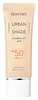
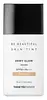
DEWYTREE Urban Shade Cover & Fit SPF 50+ PA++++ Versus Thank You Farmer Be Beautiful Skin Tint SPF 50+
This hybrid sunscreen covers the full UV range and blocks ~98% of UVB at SPF 50.

What's inside
What's inside
 Key Ingredients
Benefits
Concerns
Ingredients Side-by-side
Water
Skin ConditioningTitanium Dioxide
Cosmetic Colorant

Phenyl Trimethicone
Skin Conditioning
Butylene Glycol
Humectant

Butyloctyl Salicylate
Skin Conditioning
Cyclopentasiloxane
Emollient
Glycerin
Humectant
Isododecane
EmollientPolyglyceryl-4 Diisostearate/Polyhydroxystearate/Sebacate
Emulsifying

Butylene Glycol Dicaprylate/Dicaprate
EmollientNiacinamide
Smoothing









Dimethicone
Emollient
Polymethyl Methacrylate
Polyglyceryl-3 Polyricinoleate
Emulsifying
Polymethylsilsesquioxane
Sodium Chloride
MaskingCI 77492
Cosmetic ColorantDisteardimonium Hectorite
StabilisingTrimethylsiloxysilicate
Emollient
Dimethicone/Vinyl Dimethicone Crosspolymer
Skin Conditioning
Sorbitan Isostearate
Emulsifying
Aluminum Hydroxide
EmollientSorbitan Sesquioleate
Emulsifying
Synthetic Beeswax
Emulsion Stabilising
Mica
Cosmetic ColorantPropanediol
Solvent
Portulaca Oleracea Extract
Skin Conditioning
Stearic Acid
Cleansing
Panthenol
Skin Conditioning
Disiloxane
Skin Conditioning
Triethoxycaprylylsilane
Sodium Benzoate
Masking
CI 77491
Cosmetic ColorantTrimethylsiloxysilicate/Dimethiconol Crosspolymer
Propylene Carbonate
SolventPotassium Sorbate
Preservative
Silica
Abrasive
Betula Platyphylla Japonica Juice
Skin Conditioning
Polyhydroxystearic Acid
Emulsifying
Artemisia Vulgaris Oil
Perfuming



Disodium EDTA
CI 77499
Cosmetic ColorantAdenosine
Skin Conditioning
Disodium Stearoyl Glutamate
CleansingEthylhexyl Palmitate
Emollient

Isopropyl Myristate
Emollient
Isostearic Acid
Cleansing
Lecithin
Emollient
Hyaluronic Acid
Humectant
Hydrolyzed Hyaluronic Acid
Humectant
Sodium Hyaluronate
Humectant
1,2-Hexanediol
Skin Conditioning
Adansonia Digitata Seed Extract
Skin ConditioningEquisetum Arvense Extract
AstringentOlea Europaea Leaf Extract
Perfuming
Vaccinium Macrocarpon Fruit Extract
AstringentFructan
Skin ConditioningOpuntia Ficus-Indica Flower Extract
Skin ConditioningWater, Titanium Dioxide, Phenyl Trimethicone, Butylene Glycol, Butyloctyl Salicylate, Cyclopentasiloxane, Glycerin, Isododecane, Polyglyceryl-4 Diisostearate/Polyhydroxystearate/Sebacate, Butylene Glycol Dicaprylate/Dicaprate, Niacinamide, Dimethicone, Polymethyl Methacrylate, Polyglyceryl-3 Polyricinoleate, Polymethylsilsesquioxane, Sodium Chloride, CI 77492, Disteardimonium Hectorite, Trimethylsiloxysilicate, Dimethicone/Vinyl Dimethicone Crosspolymer, Sorbitan Isostearate, Aluminum Hydroxide, Sorbitan Sesquioleate, Synthetic Beeswax, Mica, Propanediol, Portulaca Oleracea Extract, Stearic Acid, Panthenol, Disiloxane, Triethoxycaprylylsilane, Sodium Benzoate, CI 77491, Trimethylsiloxysilicate/Dimethiconol Crosspolymer, Propylene Carbonate, Potassium Sorbate, Silica, Betula Platyphylla Japonica Juice, Polyhydroxystearic Acid, Artemisia Vulgaris Oil, Disodium EDTA, CI 77499, Adenosine, Disodium Stearoyl Glutamate, Ethylhexyl Palmitate, Isopropyl Myristate, Isostearic Acid, Lecithin, Hyaluronic Acid, Hydrolyzed Hyaluronic Acid, Sodium Hyaluronate, 1,2-Hexanediol, Adansonia Digitata Seed Extract, Equisetum Arvense Extract, Olea Europaea Leaf Extract, Vaccinium Macrocarpon Fruit Extract, Fructan, Opuntia Ficus-Indica Flower Extract
Water
Skin ConditioningZinc Oxide
Cosmetic Colorant
Cyclohexasiloxane
Emollient
Butyloctyl Salicylate
Skin Conditioning
Propanediol
Solvent
Propylheptyl Caprylate
EmollientIsononyl Isononanoate
EmollientIsododecane
EmollientCaprylyl Methicone
Skin Conditioning
CI 77891
Cosmetic ColorantNiacinamide
Smoothing
Disiloxane
Skin Conditioning
Polyglyceryl-3 Polydimethylsiloxyethyl Dimethicone
Skin Conditioning
2,3-Butanediol
HumectantTrimethylsiloxysilicate
Emollient
Magnesium Sulfate
Triethoxycaprylylsilane
Disteardimonium Hectorite
Stabilising1,2-Hexanediol
Skin Conditioning
Polyglyceryl-2 Dipolyhydroxystearate
Skin Conditioning
Methyl Methacrylate Crosspolymer
Polymethylsilsesquioxane
Glyceryl Caprylate
EmollientCaprylyl Glycol
Emollient
Aluminum Hydroxide
EmollientPolymethyl Methacrylate
Ethylhexylglycerin
Skin ConditioningAdenosine
Skin Conditioning
Tocopherol
Antioxidant

Allantoin
Skin Conditioning
Trehalose
Humectant
CI 77492
Cosmetic ColorantCI 77491
Cosmetic ColorantCI 77499
Cosmetic ColorantWater, Zinc Oxide, Cyclohexasiloxane, Butyloctyl Salicylate, Propanediol, Propylheptyl Caprylate, Isononyl Isononanoate, Isododecane, Caprylyl Methicone, CI 77891, Niacinamide, Disiloxane, Polyglyceryl-3 Polydimethylsiloxyethyl Dimethicone, 2,3-Butanediol, Trimethylsiloxysilicate, Magnesium Sulfate, Triethoxycaprylylsilane, Disteardimonium Hectorite, 1,2-Hexanediol, Polyglyceryl-2 Dipolyhydroxystearate, Methyl Methacrylate Crosspolymer, Polymethylsilsesquioxane, Glyceryl Caprylate, Caprylyl Glycol, Aluminum Hydroxide, Polymethyl Methacrylate, Ethylhexylglycerin, Adenosine, Tocopherol, Allantoin, Trehalose, CI 77492, CI 77491, CI 77499
Ingredients Explained
These ingredients are found in both products.
Ingredients higher up in an ingredient list are typically present in a larger amount.
1,2-Hexanediol is a synthetic liquid and another multi-functional powerhouse.
It is a:
- Humectant, drawing moisture into the skin
- Emollient, helping to soften skin
- Solvent, dispersing and stabilizing formulas
- Preservative booster, enhancing the antimicrobial activity of other preservatives
Adenosine is a purine nucleoside that your body already makes in every cell. In skincare, it acts mainly as a skin conditioning and anti-aging agent.
The way it works is fairly well mapped out:
Your skin has cells called fibroblasts that build collagen (the stuff that keeps skin firm and smooth). Adenosine basically flips a switch on these cells that tells them to get to work making more collagen and other proteins. These cells slow down on their own as skin ages, so Adenosine helps give them a little nudge to keep going.
The clinical backing is pretty solid too.
A blind, randomized, placebo-controlled trial of 126 women aged 45-65 tested a 0.1% cream twice daily and found real improvements in crow's feet and frown lines using a precise 3D skin-mapping technique; these changes showed up by week 3 and held at 2 months.
A later study using Adenosine-loaded dissolving microneedle patches reported gains in wrinkle depth, dermal density, elasticity, and hydration.
On concentrations, South Korea's Ministry of Food and Drug Safety has set 0.04% as the approved functional anti-wrinkle level. You'll typically see this ingredient used somewhere in the 0.04-0.1% range since it works at low doses.
This ingredient has been found safe for cosmetics with the data showing no irritation or sensitization.
Overall, this is a great ingredient for any anti-aging routine and has no photosensitizing effect, so it suits both AM and PM use.
Learn more about AdenosineAluminum Hydroxide is a form of aluminum. It can be naturally found in nature as the mineral gibbsite. In cosmetics, Aluminum Hydroxide is used as a colorant, pH adjuster, and absorbent.
As a colorant, Aluminum Hydroxide may add opacity, or reduce the transparency. Aluminum hydroxide is contains both basic and acidic properties.
According to manufacturers, this ingredient is an emollient and humectant. This means it helps hydrate the skin.
In medicine, this ingredient is used to help relieve heartburn and help heal ulcers.
There is currently no credible scientific evidence linking aluminum hydroxide in cosmetics to increased cancer risk.
Major health organizations allow the use of aluminum hydroxide in personal care products and have not flagged it as a carcinogenic risk at typical usage levels.
Learn more about Aluminum HydroxideButyloctyl Salicylate is a chemical UV filter structurally similar to octisalate. It is a photostabilizer, SPF booster, emollient and solvent. This ingredient helps evenly spread out ingredients.
According to a manufacturer, it is suitable for pairing with micro Titanium Dioxide, Zinc Oxide, and pigments.
Photostabilizers help stabilize UV-filters and prevents them from degrading quickly.
Learn more about Butyloctyl SalicylateCi 77491 is also hydrated iron III oxide. It's sole purpose is to give a red/pink hue to products.
Iron III oxides are classified as inorganic chemicals for coloring.
Synthetically created Ci 77491 is considered safer than those naturally found. This is because the synthetically created version may contain less impurities. Iron oxides are generally non-toxic and non-allergenic.
Learn more about CI 77491CI 77492 is also hydrated iron III oxide. It's sole purpose is to give a yellow hue to products.
Iron III oxides are classified as inorganic chemicals for coloring.
Synthetically created CI 77492 is considered safer than those naturally found. This is because the synthetically created version may contain less impurities. Iron oxides are generally non-toxic and non-allergenic.
Learn more about CI 77492Ci 77499 is also hydrated iron III oxide. It is created from mixing red and black iron oxides. This helps give shades of darkness to a product.
Iron III oxides are classified as inorganic chemicals for coloring.
Disiloxane is a type of silicone.
Disteardimonium Hectorite comes from the clay mineral named hectorite. It is used to add thickness to a product.
It can also help stabilize a product by helping to disperse other ingredients.
Hectorite is a rare, white clay mineral.
Learn more about Disteardimonium HectoriteIsododecane is a fragrance, emollient, and solvent.
As an emollient, it helps your skin stay soft and hydrated. Emollients help trap moisture into your skin.
Isododecane's role as a solvent makes it a great texture enhancer. It spreads smoothly on skin and does not leave a sticky feeling behind. Isododecane also helps prevent color transfer in makeup products.
Isododecane is not absorbed into skin.
The chemical name for this ingredient is 2,2,4,6,6-PENTAMETHYLHEPTANE.
Learn more about IsododecaneNiacinamide is a multitasking form of vitamin B3 that strengthens the skin barrier, reduces pores and dark spots, regulates oil, and improves signs of aging.
And the best part? It's gentle and well-tolerated by most skin types, including sensitive and reactive skin.
You might have heard of "niacin flush", or the reddening of skin that causes itchiness. Niacinamide has not been found to cause this.
In very rare cases, some individuals may not be able to tolerate niacinamide at all or experience an allergic reaction to it.
If you are experiencing flaking, irritation, and dryness with this ingredient, be sure to double check all your products as this ingredient can be found in all categories of skincare.
When incorporating niacinamide into your routine, look out for concentration amounts. Typically, 5% niacinamide provides benefits such as fading dark spots. However, if you have sensitive skin, it is better to begin with a smaller concentration.
When you apply niacinamide to your skin, your body converts it into nicotinamide adenine dinucleotide (NAD). NAD is an essential coenzyme that is already found in your cells as "fuel" and powers countless biological processes.
In your skin, NAD helps repair cell damage, produce new healthy cells, support collagen production, strengthen the skin barrier, and fight environmental stressors (like UV and pollution).
Our natural NAD levels start to decline with age, leading to slower skin repair, visible aging, and a weaker skin barrier. By providing your skin niacinamide, you're recharging your skin's NAD levels. This leads to stronger, healthier, and younger looking skin.
Another name for vitamin B3 is nicotinamide. This vitamin is water-soluble and our bodies don't store it. We obtain Vitamin B3 from either food or skincare. Meat, fish, wheat, yeast, and leafy greens contain vitamin B3.
The type of niacinamide used in skincare is synthetically created.
Learn more about NiacinamideThis ingredient is also known as PMMA. It is a polymer microsphere, composed of tiny, perfectly spherical particles formed from repeating units.
In cosmetics, PMMA is mainly used to give a soft or blurring effect. The transparent particles are able to scatter light and help reduce the appearance of fine-lines and imperfections.
PMMA is also able to enhance the texture of products by add a smooth feel.
Learn more about Polymethyl MethacrylatePolymethylsilsesquioxane is a silicone used as a film forming agent.
When applied to the skin, this ingredient creates an invisible film on the surface. This film still allows oxygen to pass through, but prevents moisture from escaping. This can help condition and hydrate the skin. It also leaves a silky feel when applied.
Polymethylsilsesquioxane has not been shown to clog pores. It has been deemed safe to use up to 55%, but most cosmetics use much less.
If you have concerns about using this ingredient, we recommend speaking with a professional.
Learn more about PolymethylsilsesquioxanePropanediol is an all-star ingredient. It softens, hydrates, and smooths the skin.
It’s often used to:
Propanediol is not likely to cause sensitivity and considered safe to use. It is derived from corn or petroleum with a clear color and no scent.
Learn more about PropanediolTriethoxycaprylylsilane is a silicon-based surface modifier that makes sunscreens feel silky and makeup stay put.
Its main job is to coat mineral particles like titanium dioxide, zinc oxide, and color pigments in a thin, oily layer so they spread smoothly, don't clump, and stick to skin better.
This ingredient is typically used at low levels (up to 2.5% in eyeshadow and 1% in lipstick).
Learn more about TriethoxycaprylylsilaneThis silicone is an emollient. Emollients create a thin film on the skin to prevent moisture from escaping.
It is not soluble in water and helps increase water-resistance in products.
According to a manufacturer, it can blend seamlessly with silicone oils, such as Cyclopentasiloxane.
Learn more about TrimethylsiloxysilicateWater. It's the most common cosmetic ingredient of all. You'll usually see it at the top of ingredient lists, meaning that it makes up the largest part of the product.
So why is it so popular? Water most often acts as a solvent - this means that it helps dissolve other ingredients into the formulation.
You'll also recognize water as that liquid we all need to stay alive. If you see this, drink a glass of water. Remember to stay hydrated!
Learn more about Water

