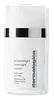
This brightening night moisturizer is formulated around Niacinamide and Hexylresorcinol to fade the look of dark spots and brighten dull-looking skin.
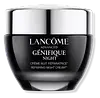
This barrier-repair night moisturizer is formulated around Bifida Ferment Lysate and Ceramide NP to strengthen the skin barrier and soften the look of wrinkles.


What's inside
What's inside
 Key Ingredients
Benefits
Concerns
Ingredients Side-by-side
Water
Skin ConditioningDimethicone
Emollient

Methylheptyl Isostearate
Skin ConditioningButylene Glycol
Humectant

Niacinamide
Smoothing









1,2-Hexanediol
Skin Conditioning
Cetearyl Ethylhexanoate
Emollient

Cetyl Alcohol
Emollient

Isohexadecane
EmollientCetearyl Alcohol
Emollient


Glyceryl Stearate Citrate
Emollient
Rubus Idaeus Seed Oil
Emollient
Vaccinium Macrocarpon Seed Oil
Skin Conditioning
Hexylresorcinol
Antimicrobial
Lactobacillus/Pumpkin Ferment Extract
Skin ConditioningCananga Odorata Flower Oil
Masking



Citrus Aurantium Dulcis Peel Oil
Masking
Citrus Limon Peel Oil
Masking
Prunus Amygdalus Dulcis Oil
Skin Conditioning
Juniperus Mexicana Oil
Masking
Rosa Damascena Flower Oil
Masking
Hydroxyacetophenone
Antioxidant
Dipotassium Glycyrrhizate
Humectant
Lactobacillus Ferment
Skin Conditioning
Potassium Cetyl Phosphate
EmulsifyingHydrogenated Phosphatidylcholine
Emulsifying
Phytosterols
Skin Conditioning
Dimethicone Crosspolymer
Emulsion Stabilising
Acrylates/C10-30 Alkyl Acrylate Crosspolymer
Emulsion StabilisingAminomethyl Propanol
BufferingGlyceryl Caprylate
EmollientPolysilicone-11
Tocopherol
Antioxidant
Tetrasodium Glutamate Diacetate
ChelatingZinc Glycinate
BufferingMagnesium Ascorbyl Phosphate
Antioxidant
Isostearic Acid
Cleansing
Benzyl Benzoate
Antimicrobial
Decyl Glucoside
Cleansing
Benzyl Salicylate
Perfuming
Sodium Hydroxide
BufferingSodium Glycolate
BufferingSodium Formate
Buffering
Dimethiconol
Emollient
Limonene
Perfuming
Farnesol
Perfuming
Water, Dimethicone, Methylheptyl Isostearate, Butylene Glycol, Niacinamide, 1,2-Hexanediol, Cetearyl Ethylhexanoate, Cetyl Alcohol, Isohexadecane, Cetearyl Alcohol, Glyceryl Stearate Citrate, Rubus Idaeus Seed Oil, Vaccinium Macrocarpon Seed Oil, Hexylresorcinol, Lactobacillus/Pumpkin Ferment Extract, Cananga Odorata Flower Oil, Citrus Aurantium Dulcis Peel Oil, Citrus Limon Peel Oil, Prunus Amygdalus Dulcis Oil, Juniperus Mexicana Oil, Rosa Damascena Flower Oil, Hydroxyacetophenone, Dipotassium Glycyrrhizate, Lactobacillus Ferment, Potassium Cetyl Phosphate, Hydrogenated Phosphatidylcholine, Phytosterols, Dimethicone Crosspolymer, Acrylates/C10-30 Alkyl Acrylate Crosspolymer, Aminomethyl Propanol, Glyceryl Caprylate, Polysilicone-11, Tocopherol, Tetrasodium Glutamate Diacetate, Zinc Glycinate, Magnesium Ascorbyl Phosphate, Isostearic Acid, Benzyl Benzoate, Decyl Glucoside, Benzyl Salicylate, Sodium Hydroxide, Sodium Glycolate, Sodium Formate, Dimethiconol, Limonene, Farnesol
Water
Skin ConditioningBifida Ferment Lysate
Skin Conditioning
Glycerin
Humectant
Dicaprylyl Ether
Emollient
Pentylene Glycol
Skin Conditioning
Polyglyceryl-6 Distearate
Emulsifying
Propanediol
Solvent
Cetyl Esters
Emollient
Jojoba Esters
Emollient
Ammonium Polyacryloyldimethyl Taurate
Emulsion StabilisingBehenyl Alcohol
Emollient
Octyldodecanol
Emollient
Acacia Decurrens Flower Wax
Emollient
Helianthus Annuus Seed Wax
Skin Conditioning
Helianthus Annuus Seed Oil
Emollient
Polymnia Sonchifolia Root Juice
Skin ConditioningCeramide NP
Skin Conditioning
Alpha-Glucan Oligosaccharide
Cleansing
Sodium Hyaluronate
Humectant
Sodium Hydroxide
BufferingSodium Stearoyl Glutamate
CleansingSalicyloyl Phytosphingosine
Skin Conditioning2-Oleamido-1,3-Octadecanediol
Skin ConditioningAdenosine
Skin Conditioning
Mannose
HumectantCoco-Caprylate/Caprate
Emollient
Ascorbyl Glucoside
Antioxidant
Hydroxyacetophenone
Antioxidant
Hydroxypalmitoyl Sphinganine
Skin Conditioning
Hydroxypropyl Starch Phosphate
Capryloyl Salicylic Acid
Exfoliating
Trisodium Ethylenediamine Disuccinate
ChelatingLactic Acid
Buffering
Lactobacillus
Skin ConditioningAcetic Acid
BufferingMaltodextrin
Absorbent
Faex Extract
Skin ConditioningPolyglycerin-3
Humectant
Polyglyceryl-3 Beeswax
Emulsifying
Cetyl Alcohol
Emollient
Tocopherol
Antioxidant
Sodium Benzoate
Masking
Linalool
Perfuming
Limonene
Perfuming
Citronellol
Perfuming
Parfum
Masking
Water, Bifida Ferment Lysate, Glycerin, Dicaprylyl Ether, Pentylene Glycol, Polyglyceryl-6 Distearate, Propanediol, Cetyl Esters, Jojoba Esters, Ammonium Polyacryloyldimethyl Taurate, Behenyl Alcohol, Octyldodecanol, Acacia Decurrens Flower Wax, Helianthus Annuus Seed Wax, Helianthus Annuus Seed Oil, Polymnia Sonchifolia Root Juice, Ceramide NP, Alpha-Glucan Oligosaccharide, Sodium Hyaluronate, Sodium Hydroxide, Sodium Stearoyl Glutamate, Salicyloyl Phytosphingosine, 2-Oleamido-1,3-Octadecanediol, Adenosine, Mannose, Coco-Caprylate/Caprate, Ascorbyl Glucoside, Hydroxyacetophenone, Hydroxypalmitoyl Sphinganine, Hydroxypropyl Starch Phosphate, Capryloyl Salicylic Acid, Trisodium Ethylenediamine Disuccinate, Lactic Acid, Lactobacillus, Acetic Acid, Maltodextrin, Faex Extract, Polyglycerin-3, Polyglyceryl-3 Beeswax, Cetyl Alcohol, Tocopherol, Sodium Benzoate, Linalool, Limonene, Citronellol, Parfum
Alternatives
Ingredients Explained
These ingredients are found in both products.
Ingredients higher up in an ingredient list are typically present in a larger amount.
Cetyl Alcohol is a fatty alcohol. Fatty Alcohols are most often used as an emollient or to thicken a product.
Its main roles are:
Though it has "alcohol" in the name, it is not related to denatured alcohol or ethyl alcohol.
The FDA allows products labeled "alcohol-free" to have fatty alcohols.
This ingredient may not be fungal acne safe. It is a primary fatty alcohol with a chain length above 12 carbons. A study from 2019 show Malassezia can feed on fatty alcohols in this range, so it may trigger fungal acne in those prone to it.
Learn more about Cetyl AlcoholHydroxyacetophenone is a small phenolic molecule that earns its place in a formulas as an antioxidant and preservative booster.
As a phenol, it is able to neutralize free radicals to protect both the product and the skin from oxidative stress.
Though it can't kill microbes on its own, it works as a good supporting agent when combined with other preservatives like Phenoxyethanol or 1,2-Hexanediol.
This ingredient naturally occurs as piceol in Norwegian spruce needles (~0.4-1.1% dry weight and in cloudberries). Though the cosmetic-grade material is synthesized for purity and consistency.
You'll usually see it used at low levels and suppliers recommend up to 1% added to a water phase.
Safety testing was done at concentrations like 0.05% in SPF products and 0.5% in a Human Repeated Insult Patch Test. The safety evidence is assuring; this ingredient is safe for cosmetics in current use and also holds safety status as a food flavoring as well.
An honest caveat: the "soothing" and "anti-inflammatory" claims come mostly from supplier marketing rather than published clinical trials. The Cosmetic Ingredient Review's own literature search found no useful efficacy studies on this ingredient.
So the antioxidant and preservative-boosting roles are the well supported ones while the calming benefit is plausible but thinly evidenced.
Overall, this is a well-tolerated, low-irritation multitasker that quietly helps a formula stay fresh and stable.
Learn more about HydroxyacetophenoneLimonene is the compound that gives citrus peel its smell.
In skincare, it shows up as a standalone fragrance ingredient or as a natural compound of citrus and other essential oils.
You'll typically see this ingredient used in very small amounts; anything above 0.001% in a leave-on product or 0.01% in a rinse-off has to be named on the label in the EU. The citrus oils that carry it sit around 0.5-1% in a finished formula.
Fresh limonene is a weak allergen; the real issue is that it slowly reacts with air and then breaks down from oxidation to create hydroperoxides (which are strong sensitizers). This is why suppliers are required to keep the peroxide value below 20 mmol.
Positive reactions in people being investigated for eczema vary:
It's worth skipping if you have a known fragrance allergy or a compromised barrier, but the risk is low for most people.
Older or long-opened products are also more likely to bother you than fresh ones due to oxidation.
Learn more about LimoneneSodium Hydroxide is also known as lye or caustic soda. It is used to adjust the pH of products; many ingredients require a specific pH to be effective.
In small amounts, sodium hydroxide is considered safe to use. However, large amounts may cause chemical burns due to its high alkaline.
Your skin has a natural pH and acid mantle. This acid mantle helps prevent harmful bacteria from breaking through. The acid mantle also helps keep your skin hydrated.
"Alkaline" refers to a high pH level. A low pH level would be considered acidic.
Learn more about Sodium HydroxideTocopherol is a fat-soluble antioxidant known as Vitamin E.
You'll find this ingredient in the vast majority of skincare (for good reason). It works to neutralize free radicals, or unstable molecules generated by UV exposure, pollution, and other environmental stressors, before they can cause oxidative damage to your skin cells.
Topically applied tocopherol has been shown to protect against UV damage by ramping up the skin's own natural defense enzymes.
It also acts as a skin conditioning agent; some studies show that regular topical use can improve the skin's water-binding capacity over 2-4 weeks.
This ingredient is especially loved for being a team player. When combined with Vitamin C, the photoprotective effect of both ingredients roughly doubles and the combo also helps reduce UV-induced DNA damage.
This ingredient has some brightening potential but it's more of a prevention ingredient than spot-fader. Cell studies show it can slow down melanin production but it's worth noting that it's not the most powerful brightener out there.
In formulations, it also serves as a stabilizer that helps protect other oxidation-prone ingredients from degrading.
Concentrations usually range from 0.1-1% in most leave-on products.
Learn more about TocopherolWater. It's the most common cosmetic ingredient of all. You'll usually see it at the top of ingredient lists, meaning that it makes up the largest part of the product.
So why is it so popular? Water most often acts as a solvent - this means that it helps dissolve other ingredients into the formulation.
You'll also recognize water as that liquid we all need to stay alive. If you see this, drink a glass of water. Remember to stay hydrated!
Learn more about Water

