
What's inside
What's inside
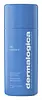 Key Ingredients
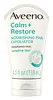
Benefits
Concerns
No concerns
Ingredients Side-by-side
Sodium Cocoyl Isethionate
Cleansing
Microcrystalline Cellulose
AbsorbentSodium Bicarbonate
Abrasive
Sorbitol
Humectant

Zea Mays Starch
Absorbent
Sodium Cocoyl Glutamate
Cleansing
Saccharomyces Ferment
Skin Conditioning
Oryza Sativa Starch
AbsorbentMagnesium Oxide
AbsorbentCitric Acid
Buffering


Tapioca Starch
Avena Sativa Kernel Protein
Skin ConditioningCamellia Oleifera Seed Extract
AstringentSilica
Abrasive
Cocos Nucifera Fruit Extract
Emollient
Inulin
Skin Conditioning
Cassia Hydroxypropyltrimonium Chloride
Silybum Marianum Seed Oil
Skin Conditioning
Kaolin
Abrasive
Lauryl Methacrylate/Glycol Dimethacrylate Crosspolymer
Papain
Skin Conditioning

Hyaluronic Acid
Humectant


Avena Sativa Kernel Extract
Abrasive

Helianthus Annuus Seed Oil
Emollient
Avena Sativa Bran Extract
Abrasive
Glycine Soja Oil
Emollient


Citrus Aurantium Dulcis Peel Extract
Emulsion Stabilising
Vitis Vinifera Fruit Extract
Skin ConditioningCitrus Aurantium Bergamia Fruit Oil
Masking
Aniba Rosodora Wood Oil
Astringent
Salvia Sclarea Oil
Masking
Eucalyptus Globulus Leaf Oil
Perfuming

Chamomilla Recutita Flower Oil
Masking
Cucurbita Pepo Fruit Extract
Skin Conditioning
Cucumis Sativus Fruit Extract
Emollient
Perilla Ocymoides Leaf Extract
TonicDaucus Carota Sativa Root Extract
Skin Conditioning
Sea Salt
Abrasive
Juniperus Virginiana Oil
Masking
Alpha-Glucan Oligosaccharide
Cleansing
Tocopherol
Antioxidant
Castoryl Maleate
Skin ConditioningCaprylyl Glycol
Emollient
Allantoin
Skin Conditioning
Diglycerin
Humectant
Maltodextrin
Absorbent
Lauroyl Lysine
Skin Conditioning
Arginine
Masking
Saccharide Isomerate
Humectant
Sodium Lauroyl Glutamate
Beta-Carotene
Skin ConditioningXanthan Gum
EmulsifyingEthylhexylglycerin
Skin Conditioning1,2-Hexanediol
Skin Conditioning
Hydroxypropyl Methylcellulose
Emulsion StabilisingDextrin
AbsorbentSodium Palmitate
CleansingSodium Chloride
MaskingAcacia Senegal Gum
MaskingSodium Citrate
BufferingWater
Skin ConditioningO-Cymen-5-Ol
Antimicrobial
Limonene
Perfuming
Linalool
Perfuming
Sodium Cocoyl Isethionate, Microcrystalline Cellulose, Sodium Bicarbonate, Sorbitol, Zea Mays Starch, Sodium Cocoyl Glutamate, Saccharomyces Ferment, Oryza Sativa Starch, Magnesium Oxide, Citric Acid, Tapioca Starch, Avena Sativa Kernel Protein, Camellia Oleifera Seed Extract, Silica, Cocos Nucifera Fruit Extract, Inulin, Cassia Hydroxypropyltrimonium Chloride, Silybum Marianum Seed Oil, Kaolin, Lauryl Methacrylate/Glycol Dimethacrylate Crosspolymer, Papain, Hyaluronic Acid, Avena Sativa Kernel Extract, Helianthus Annuus Seed Oil, Avena Sativa Bran Extract, Glycine Soja Oil, Citrus Aurantium Dulcis Peel Extract, Vitis Vinifera Fruit Extract, Citrus Aurantium Bergamia Fruit Oil, Aniba Rosodora Wood Oil, Salvia Sclarea Oil, Eucalyptus Globulus Leaf Oil, Chamomilla Recutita Flower Oil, Cucurbita Pepo Fruit Extract, Cucumis Sativus Fruit Extract, Perilla Ocymoides Leaf Extract, Daucus Carota Sativa Root Extract, Sea Salt, Juniperus Virginiana Oil, Alpha-Glucan Oligosaccharide, Tocopherol, Castoryl Maleate, Caprylyl Glycol, Allantoin, Diglycerin, Maltodextrin, Lauroyl Lysine, Arginine, Saccharide Isomerate, Sodium Lauroyl Glutamate, Beta-Carotene, Xanthan Gum, Ethylhexylglycerin, 1,2-Hexanediol, Hydroxypropyl Methylcellulose, Dextrin, Sodium Palmitate, Sodium Chloride, Acacia Senegal Gum, Sodium Citrate, Water, O-Cymen-5-Ol, Limonene, Linalool
Water
Skin ConditioningHelianthus Annuus Seed Oil
Emollient
Glycerin
Humectant
Gluconolactone
Skin Conditioning
Glyceryl Stearate
Emollient
PEG-100 Stearate
Sorbitol
Humectant
Sodium Acrylates Copolymer
Carbomer
Emulsion StabilisingSodium Hydroxide
BufferingAvena Sativa Kernel Oil
Skin Conditioning
PEG-40 Hydrogenated Castor Oil
Emulsifying
Caprylyl Glycol
Emollient
Lecithin
Emollient
Sodium Citrate
BufferingP-Anisic Acid
Masking
Chlorphenesin
Antimicrobial
Allantoin
Skin Conditioning
Water, Helianthus Annuus Seed Oil, Glycerin, Gluconolactone, Glyceryl Stearate, PEG-100 Stearate, Sorbitol, Sodium Acrylates Copolymer, Carbomer, Sodium Hydroxide, Avena Sativa Kernel Oil, PEG-40 Hydrogenated Castor Oil, Caprylyl Glycol, Lecithin, Sodium Citrate, P-Anisic Acid, Chlorphenesin, Allantoin
Reviews
Alternatives
Ingredients Explained
These ingredients are found in both products.
Ingredients higher up in an ingredient list are typically present in a larger amount.
Allantoin is a soothing ingredient known for its protective and moisturizing properties; it's basically a quiet workhorse ingredient you can find in a huge range of cosmetics.
Though it can be derived from the comfrey plant, allantoin is produced synthetically for cosmetic products to ensure purity.
Research shows it can encourage your skin cells to turn over and renew by stimulating keratinocyte and fibroblast proliferation.
It also has mild keratolytic properties to help loosen and shed dead skin cells without being harsh.
Studies also suggest allantoin can help calm inflammation by dialing down some of the chemical signals your skin sends out when it is irritated.
This ingredient is typically used in the 0.1-0.5% range, and the FDA recognizes it as a skin protectant in OTC products up to 2%.
Overall, allantoin is a wonderful addition to most routines; it is stable across a wide pH range (~4-8), works well with other ingredients, and is considered non-sensitizing/non-irritating.
Fun fact: Allantoin is naturally occurring in comfrey root, beets, chamomile, and wheat sprouts. Our bodies even produce it as a byproduct of uric acid metabolism.
Learn more about AllantoinCaprylyl Glycol is a humectant, skin conditioner, emollient, and preservative booster derived from either caprylic acid or synthetically created.
Typical use levels vary from 0.3-1% as a preservative booster and go up to 2% to condition skin.
Because it is not a free-fatty acid or alcohol, this ingredient is fungal acne safe (there's nothing for Malassezia to feed on).
Learn more about Caprylyl GlycolHelianthus Annuus Seed Oil is a plant oil derived from the seeds of a sunflower.
It is rich in fatty acids, primarily linoleic acid and oleic acid. This gives it emollient and skin conditioning properties.
The reason this ingredient is so effective is because it forms a thin film on the skin that reduces transepidermal water loss (TEWL) while supplying linoleic acid to the stratum corneum to improve barrier strength.
The high linoleic acid content is particularly noteworthy for acne-prone skin.
Research suggests that acne-prone skin tends to be deficient in linoleic acid in sebum. Topical application may help replenish this to support a healthier follicular environment and less comedone-promoting sebum.
One randomized study found sunflower seed oil preserved skin barrier integrity in adult volunteers with and without atopic dermatitis (outperforming olive oil).
This ingredient is well-studied, gentle, and an effective emollient suitable for most skin types.
On fungal acne: This ingredient may not be Fungal acne (Malassezia folliculitis) safe. This is because it contains fatty acids with carbon chain lengths in the C11-C24 range.
Learn more about Helianthus Annuus Seed OilSodium Citrate is the sodium salts of citric acid. In skincare, it is used to alter pH levels and acts as a preservative.
Its main functions are to maintain the pH of a product and neutralize metal ions.
The acidity of our skin is maintained by our glands and skin biome; normal pH level of skin is slightly acidic (~4.75-5.5).
Being slightly acidic allows our skin to create an "acid mantle". This acid mantle is a thin barrier that protects our skin from bacteria and contaminants.
Learn more about Sodium CitrateSorbitol is a sugar alcohol. It is a hydrating and moisturizing agent created from the reduction process of glucose.
Most sorbitol is usually made from potato starch. It is also found in fruits such as apples and pears.
As a humectant, Sorbitol helps draw water to the skin. This helps keep the skin hydrated. Sorbitol also helps create a thicker texture in products. You might find sorbitol in your toothpaste and other gels.
It is a non-irritating ingredient that is great for those with dry skin.
Sorbitol is a prebiotic. It helps promote the growth of healthy bacteria on your skin. The bacteria on your skin form a microbiome. This microbiome helps protect your skin from infection and harmful bacteria.
Learn more about SorbitolWater. It's the most common cosmetic ingredient of all. You'll usually see it at the top of ingredient lists, meaning that it makes up the largest part of the product.
So why is it so popular? Water most often acts as a solvent - this means that it helps dissolve other ingredients into the formulation.
You'll also recognize water as that liquid we all need to stay alive. If you see this, drink a glass of water. Remember to stay hydrated!
Learn more about Water
