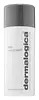
This smoothing exfoliator is formulated around Colloidal Oatmeal and Papain to refine skin texture and refine the look of pores.
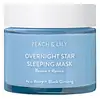
This hydrating overnight mask is formulated around Squalane and Niacinamide to hydrate skin and strengthen the skin barrier.


What's inside
What's inside
 Key Ingredients
Benefits
Concerns
Ingredients Side-by-side
Microcrystalline Cellulose
AbsorbentMagnesium Oxide
AbsorbentSodium Cocoyl Isethionate
Cleansing
Colloidal Oatmeal
Absorbent


Disodium Lauryl Sulfosuccinate
CleansingSodium Lauroyl Glutamate
SurfactantOryza Sativa Bran Extract
Skin Conditioning
Oryza Sativa Starch
AbsorbentHydrogenated Coconut Acid
Emollient

Allantoin
Skin Conditioning

Papain
Skin Conditioning
Salicylic Acid
Masking








Ginkgo Biloba Leaf Extract
Skin Conditioning
Camellia Sinensis Leaf Extract
Antimicrobial

Glycyrrhiza Glabra Root Extract
Bleaching
PCA
Humectant
Populus Tremuloides Bark Extract
AntiseborrhoeicCyclodextrin
AbsorbentSodium Isethionate
CleansingLauryl Methacrylate
Maltodextrin
Absorbent
Melaleuca Alternifolia Leaf Oil
Antioxidant


Citrus Paradisi Peel Oil
Masking
Sodium Dehydroacetate
Preservative
Hydrolyzed Corn Starch Hydroxyethyl Ether
Emulsion StabilisingWater
Skin ConditioningLimonene
Perfuming
Citric Acid
Buffering
Microcrystalline Cellulose, Magnesium Oxide, Sodium Cocoyl Isethionate, Colloidal Oatmeal, Disodium Lauryl Sulfosuccinate, Sodium Lauroyl Glutamate, Oryza Sativa Bran Extract, Oryza Sativa Starch, Hydrogenated Coconut Acid, Allantoin, Papain, Salicylic Acid, Ginkgo Biloba Leaf Extract, Camellia Sinensis Leaf Extract, Glycyrrhiza Glabra Root Extract, PCA, Populus Tremuloides Bark Extract, Cyclodextrin, Sodium Isethionate, Lauryl Methacrylate, Maltodextrin, Melaleuca Alternifolia Leaf Oil, Citrus Paradisi Peel Oil, Sodium Dehydroacetate, Hydrolyzed Corn Starch Hydroxyethyl Ether, Water, Limonene, Citric Acid
Water
Skin ConditioningPropanediol
Solvent
Caprylic/Capric Triglyceride
Masking
Squalane
Emollient
Glycerin
Humectant
Cetearyl Alcohol
Emollient


Jojoba Esters
Emollient
Simmondsia Chinensis Seed Oil
Emollient
Triethylhexanoin
MaskingNiacinamide
Smoothing
Macadamia Ternifolia Seed Oil
Emollient
1,2-Hexanediol
Skin Conditioning
Panax Ginseng Root Extract
Emollient
Euterpe Oleracea Fruit Extract
Curcuma Longa Root Extract
Antioxidant
Hydrolyzed Hyaluronic Acid
Humectant
Centella Asiatica Extract
Cleansing
Coccinia Indica Fruit Extract
Skin Conditioning
Corallina Officinalis Extract
Skin Conditioning
Eclipta Prostrata Extract
Skin Conditioning
Leuconostoc/Radish Root Ferment Filtrate
Antimicrobial
Collagen
Moisturising
Melia Azadirachta Flower Extract
Skin ConditioningMelia Azadirachta Leaf Extract
Skin ConditioningMoringa Oleifera Seed Oil
Emollient
Oligopeptide-1
Skin Conditioning
Allantoin
Skin Conditioning
Lactobacillus Ferment
Skin Conditioning
Panthenol
Skin Conditioning
Sodium Acetylated Hyaluronate
Humectant
Sodium Hyaluronate
Humectant
Ocimum Sanctum Leaf Extract
Skin ConditioningSolanum Melongena Fruit Extract
Skin ConditioningSyringa Vulgaris Extract
Skin ConditioningVaccinium Angustifolium Fruit Extract
Skin Protecting
Adenosine
Skin Conditioning
Butylene Glycol
Humectant
Butyrospermum Parkii Butter
Skin Conditioning
Diethoxyethyl Succinate
SolventSorbitan Olivate
Emulsifying
Citric Acid
Buffering
Tocopherol
Antioxidant
Glucose
Humectant
Cetearyl Glucoside
Emulsifying
Cetearyl Olivate
Coco-Caprylate/Caprate
Emollient
Dipotassium Glycyrrhizate
Humectant
Aloe Barbadensis Flower Extract
EmollientHydroxyacetophenone
Antioxidant
Trisodium Ethylenediamine Disuccinate
Acrylates/C10-30 Alkyl Acrylate Crosspolymer
Emulsion StabilisingTromethamine
BufferingXanthan Gum
EmulsifyingLavandula Angustifolia Oil
Masking
Water, Propanediol, Caprylic/Capric Triglyceride, Squalane, Glycerin, Cetearyl Alcohol, Jojoba Esters, Simmondsia Chinensis Seed Oil, Triethylhexanoin, Niacinamide, Macadamia Ternifolia Seed Oil, 1,2-Hexanediol, Panax Ginseng Root Extract, Euterpe Oleracea Fruit Extract, Curcuma Longa Root Extract, Hydrolyzed Hyaluronic Acid, Centella Asiatica Extract, Coccinia Indica Fruit Extract, Corallina Officinalis Extract, Eclipta Prostrata Extract, Leuconostoc/Radish Root Ferment Filtrate, Collagen, Melia Azadirachta Flower Extract, Melia Azadirachta Leaf Extract, Moringa Oleifera Seed Oil, Oligopeptide-1, Allantoin, Lactobacillus Ferment, Panthenol, Sodium Acetylated Hyaluronate, Sodium Hyaluronate, Ocimum Sanctum Leaf Extract, Solanum Melongena Fruit Extract, Syringa Vulgaris Extract, Vaccinium Angustifolium Fruit Extract, Adenosine, Butylene Glycol, Butyrospermum Parkii Butter, Diethoxyethyl Succinate, Sorbitan Olivate, Citric Acid, Tocopherol, Glucose, Cetearyl Glucoside, Cetearyl Olivate, Coco-Caprylate/Caprate, Dipotassium Glycyrrhizate, Aloe Barbadensis Flower Extract, Hydroxyacetophenone, Trisodium Ethylenediamine Disuccinate, Acrylates/C10-30 Alkyl Acrylate Crosspolymer, Tromethamine, Xanthan Gum, Lavandula Angustifolia Oil
Reviews
Ingredients Explained
These ingredients are found in both products.
Ingredients higher up in an ingredient list are typically present in a larger amount.
Allantoin is a soothing ingredient known for its protective and moisturizing properties; it's basically a quiet workhorse ingredient you can find in a huge range of cosmetics.
Though it can be derived from the comfrey plant, allantoin is produced synthetically for cosmetic products to ensure purity.
Research shows it can encourage your skin cells to turn over and renew by stimulating keratinocyte and fibroblast proliferation.
It also has mild keratolytic properties to help loosen and shed dead skin cells without being harsh.
Studies also suggest allantoin can help calm inflammation by dialing down some of the chemical signals your skin sends out when it is irritated.
This ingredient is typically used in the 0.1-0.5% range, and the FDA recognizes it as a skin protectant in OTC products up to 2%.
Overall, allantoin is a wonderful addition to most routines; it is stable across a wide pH range (~4-8), works well with other ingredients, and is considered non-sensitizing/non-irritating.
Fun fact: Allantoin is naturally occurring in comfrey root, beets, chamomile, and wheat sprouts. Our bodies even produce it as a byproduct of uric acid metabolism.
Learn more about AllantoinCitric Acid is an alpha hydroxy acid (AHA) naturally found in citrus fruits like oranges, lemons, and limes.
Like other AHAs, citric acid can exfoliate skin by breaking down the bonds that hold dead skin cells together. This helps reveal smoother and brighter skin underneath.
However, this exfoliating effect only happens at high concentrations (20%) which can be hard to find in cosmetic products.
Due to this, citric acid is usually included in small amounts as a pH adjuster. This helps keep products slightly more acidic and compatible with skin's natural pH.
In skincare formulas, citric acid can:
While it can provide some skin benefits, research shows lactic acid and glycolic acid are generally more effective and less irritating exfoliants.
Most citric acid used in skincare today is made by fermenting sugars (usually from molasses). This synthetic version is identical to the natural citrus form but easier to stabilize and use in formulations.
Rosacea skin has a lower threshold for acids generally, with 62.5% of rosacea subjects in one study reacting to lactic acid in a sting test. This is why we mark citric acid as a potential rosacea trigger.
However, this ingredient shows up as a pH adjuster or chelator at roughly 0.1-1% in many products. These low levels are unlikely to be an issue for rosacea skin and becomes a potential trigger at exfoliating concentrations (20%). Because everybody's skin is unique, we recommend a patch test if you are unsure.
Learn more about Citric AcidWater. It's the most common cosmetic ingredient of all. You'll usually see it at the top of ingredient lists, meaning that it makes up the largest part of the product.
So why is it so popular? Water most often acts as a solvent - this means that it helps dissolve other ingredients into the formulation.
You'll also recognize water as that liquid we all need to stay alive. If you see this, drink a glass of water. Remember to stay hydrated!
Learn more about Water

