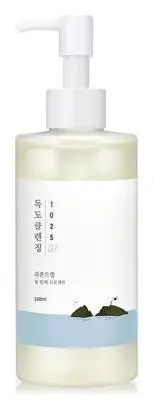
What's inside
What's inside
 Key Ingredients
Benefits
Concerns
Ingredients Side-by-side
Water
Skin ConditioningSodium Lauroyl Sarcosinate
CleansingGlycerin
Humectant


Propylene Glycol
Humectant

Lauric Acid
Cleansing


Caprylic/Capric Triglyceride
Masking
Sodium Hyaluronate
Humectant


Dimethyl Sulfone
SolventPotassium Hydroxide
BufferingGlycyrrhiza Glabra Root Extract
Bleaching


Betaine
Humectant
Stearic Acid
Cleansing
Chamaecyparis Obtusa Water
MaskingAnanas Sativus Fruit Extract
Skin ConditioningChlorphenesin
Antimicrobial
Melaleuca Alternifolia Leaf Oil
Antioxidant





Illicium Verum Fruit Extract
Perfuming
Citrus Paradisi Fruit Extract
Skin ConditioningNelumbium Speciosum Flower Extract
Skin ConditioningPaeonia Suffruticosa Root Extract
Skin ProtectingScutellaria Baicalensis Root Extract
Astringent
Panthenol
Skin Conditioning
Citric Acid
Buffering
Pyridoxine
Skin ConditioningLinum Usitatissimum Seed Extract
Perfuming
Hibiscus Esculentus Fruit Extract
Skin ConditioningAloe Barbadensis Leaf Juice
Skin Conditioning
Arctium Lappa Root Extract
Skin Conditioning
Hibiscus Mutabilis Flower Extract
Skin ConditioningCorchorus Olitorius Leaf Extract
Skin ConditioningHydrolyzed Pea Protein
EmollientLecithin
Emollient
Olea Europaea Fruit Oil
Masking
Phytosterols
Skin Conditioning
Squalane
Emollient
Butyrospermum Parkii Butter
Skin Conditioning
Ceramide NP
Skin Conditioning
Propanediol
Solvent
Apium Graveolens Extract
Skin ConditioningBrassica Oleracea Capitata Leaf Extract
Skin ConditioningBrassica Oleracea Italica Extract
AstringentBrassica Rapa Leaf Extract
Skin ConditioningDaucus Carota Sativa Root Extract
Skin Conditioning
Oryza Sativa Bran Extract
Skin Conditioning
Solanum Lycopersicum Fruit/Leaf/Stem Extract
AstringentLysine Hcl
Skin Conditioning
Proline
Skin Conditioning
Sodium Ascorbyl Phosphate
Antioxidant


Acetyl Methionine
Skin Conditioning
Theanine
EmollientTocopheryl Acetate
Antioxidant
Panax Ginseng Callus Culture Extract
Skin ConditioningCentella Asiatica Extract
Cleansing
Portulaca Oleracea Extract
Skin Conditioning
Beta-Glucan
Skin Conditioning
Papain
Skin Conditioning
Water, Sodium Lauroyl Sarcosinate, Glycerin, Propylene Glycol, Lauric Acid, Caprylic/Capric Triglyceride, Sodium Hyaluronate, Dimethyl Sulfone, Potassium Hydroxide, Glycyrrhiza Glabra Root Extract, Betaine, Stearic Acid, Chamaecyparis Obtusa Water, Ananas Sativus Fruit Extract, Chlorphenesin, Melaleuca Alternifolia Leaf Oil, Illicium Verum Fruit Extract, Citrus Paradisi Fruit Extract, Nelumbium Speciosum Flower Extract, Paeonia Suffruticosa Root Extract, Scutellaria Baicalensis Root Extract, Panthenol, Citric Acid, Pyridoxine, Linum Usitatissimum Seed Extract, Hibiscus Esculentus Fruit Extract, Aloe Barbadensis Leaf Juice, Arctium Lappa Root Extract, Hibiscus Mutabilis Flower Extract, Corchorus Olitorius Leaf Extract, Hydrolyzed Pea Protein, Lecithin, Olea Europaea Fruit Oil, Phytosterols, Squalane, Butyrospermum Parkii Butter, Ceramide NP, Propanediol, Apium Graveolens Extract, Brassica Oleracea Capitata Leaf Extract, Brassica Oleracea Italica Extract, Brassica Rapa Leaf Extract, Daucus Carota Sativa Root Extract, Oryza Sativa Bran Extract, Solanum Lycopersicum Fruit/Leaf/Stem Extract, Lysine Hcl, Proline, Sodium Ascorbyl Phosphate, Acetyl Methionine, Theanine, Tocopheryl Acetate, Panax Ginseng Callus Culture Extract, Centella Asiatica Extract, Portulaca Oleracea Extract, Beta-Glucan, Papain
Water
Skin ConditioningGlycerin
Humectant
Sodium Cocoyl Isethionate
Cleansing
Glycol Distearate
Emollient
Disodium Cocoamphodiacetate
CleansingCaprylyl Glycol
Emollient
Sodium Methyl Cocoyl Taurate
Cleansing
Lauric Acid
Cleansing
Sodium Chloride
MaskingArachidyl Alcohol
Emollient
Stearyl Alcohol
Emollient
Behenyl Alcohol
Emollient
Hydroxypropyl Starch Phosphate
Arachidyl Glucoside
EmulsifyingCitric Acid
Buffering
Ethylhexylglycerin
Skin ConditioningAllantoin
Skin Conditioning
Pelargonium Graveolens Oil
Masking

Salix Alba Bark Extract
Astringent
Butylene Glycol
Humectant
Tetrasodium EDTA
Glucose
Humectant
Panax Ginseng Root Extract
Emollient
CI 77266
Cosmetic ColorantGlycine Soja Oil
Emollient
Ulmus Davidiana Root Extract
Skin Conditioning
Angelica Archangelica Root Extract
Masking
Nelumbo Nucifera Root Extract
Skin ConditioningCeramide NP
Skin Conditioning
Phytosphingosine
Skin Conditioning
Hydrogenated Lecithin
Emulsifying
Tocopherol
Antioxidant
Canola Oil
Emollient
Rosmarinus Officinalis Leaf Extract
AntimicrobialWater, Glycerin, Sodium Cocoyl Isethionate, Glycol Distearate, Disodium Cocoamphodiacetate, Caprylyl Glycol, Sodium Methyl Cocoyl Taurate, Lauric Acid, Sodium Chloride, Arachidyl Alcohol, Stearyl Alcohol, Behenyl Alcohol, Hydroxypropyl Starch Phosphate, Arachidyl Glucoside, Citric Acid, Ethylhexylglycerin, Allantoin, Pelargonium Graveolens Oil, Salix Alba Bark Extract, Butylene Glycol, Tetrasodium EDTA, Glucose, Panax Ginseng Root Extract, CI 77266, Glycine Soja Oil, Ulmus Davidiana Root Extract, Angelica Archangelica Root Extract, Nelumbo Nucifera Root Extract, Ceramide NP, Phytosphingosine, Hydrogenated Lecithin, Tocopherol, Canola Oil, Rosmarinus Officinalis Leaf Extract
Reviews
Ingredients Explained
These ingredients are found in both products.
Ingredients higher up in an ingredient list are typically present in a larger amount.
Ceramide NP (formerly known as Ceramide 3) is one of the skin's naturally occurring lipids.
Since ceramides are the major lipid components of the skin, they are crucial for maintaining skin barrier and hydration. Ceramide NP most closely mirrors the dominant kind in human skin amongst ceramide subtypes.
This ceramide works by slotting into gaps within the stratum corneum's lipid matrix to limit trans-epidermal water loss (TEWL) and shield the skin against external irritants.
A study with 312 patients found that using a ceramide-containing routine for 4 weeks reduced the severity of atopic dermatitis by over 61%.
Another clinical study in subjects aged 60 and older found that a ceramide body wash and moisturizer improved skin dryness and itchy skin in 15 days.
Overall, ceramides are considered non-irritating and safety tests have found little to no observable adverse effects from using this ingredient.
Ceramide NP is usually sourced from plants (like soybean or rice bran), or produced synthetically.
Learn more about Ceramide NPCitric Acid is an alpha hydroxy acid (AHA) naturally found in citrus fruits like oranges, lemons, and limes.
Like other AHAs, citric acid can exfoliate skin by breaking down the bonds that hold dead skin cells together. This helps reveal smoother and brighter skin underneath.
However, this exfoliating effect only happens at high concentrations (20%) which can be hard to find in cosmetic products.
Due to this, citric acid is usually included in small amounts as a pH adjuster. This helps keep products slightly more acidic and compatible with skin's natural pH.
In skincare formulas, citric acid can:
While it can provide some skin benefits, research shows lactic acid and glycolic acid are generally more effective and less irritating exfoliants.
Most citric acid used in skincare today is made by fermenting sugars (usually from molasses). This synthetic version is identical to the natural citrus form but easier to stabilize and use in formulations.
Read more about some other popular AHA's here:
Learn more about Citric AcidGlycerin (or glycerol) is a compound naturally found in your skin. It's a powerhouse humectant that pulls water into the stratum corneum.
Topically, glycerin does several things at once:
Your skin makes glycerin on its own (mostly from sebaceous oil breakdown) and shuttles it to your outermost layer of skin, or your epidermis, via aquaporin-3.
Aquaporin-3 is a transporter that is essential for normal skin hydration, elasticity, and repair. Interestingly, mice lacking in AQP3 have dry and less elastic skin that can be fully corrected with glycerin.
This ingredient is non-irritating, plays well with almost every ingredient, and works across all skin types. Typical use is anywhere between 3-10% but can go up to 79% in some leave-on products.
Just know very high concentrations (>40%) can feel tacky in low humidity.
Glycerin is the name for this ingredient in American English. British English uses Glycerol/Glycerine.
Learn more about GlycerinLauric Acid is a saturated fatty acid naturally found in coconut oil, palm kernel oil, and even breast milk.
In cosmetics, it is an:
Lab studies have found that lauric acid is surprisingly good at killing acne-causing bacteria. However, these tests were done on bacteria in a petri dish and not on real skin, so we can't say for certain it works the same in a formulation on a real face.
The comedogenic rating of 4 comes from the 1972 rabbit ear model using undiluted ingredients. Comedogenicity is highly individual and one comedogenic ingredient cannot predict how a formula will behave on skin.
This ingredient is not fungal acne safe and research has confirmed Malassezia can use it as a food source.
Learn more about Lauric AcidWater. It's the most common cosmetic ingredient of all. You'll usually see it at the top of ingredient lists, meaning that it makes up the largest part of the product.
So why is it so popular? Water most often acts as a solvent - this means that it helps dissolve other ingredients into the formulation.
You'll also recognize water as that liquid we all need to stay alive. If you see this, drink a glass of water. Remember to stay hydrated!
Learn more about Water