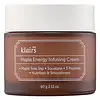
This anti-aging moisturizer is formulated around Squalane and Asiaticoside to soften the look of wrinkles and hydrate skin.
This calming moisturizer is formulated around Centella Asiatica Extract and Ceramide NP to calm redness and strengthen the skin barrier.

What's inside
What's inside
 Key Ingredients
Benefits
Concerns
Ingredients Side-by-side
Acer Saccharum Sap
HumectantGlycerin
Humectant


Propanediol
Solvent
Acetylated Hydrogenated Vegetable Glyceride
EmollientSqualane
Emollient
Methyl Gluceth-20
Humectant
Water
Skin Conditioning1,2-Hexanediol
Skin Conditioning
Hydrogenated Coco-Glycerides
Emollient


Butylene Glycol Dicaprylate/Dicaprate
EmollientHydrogenated Polyisobutene
EmollientCetearyl Alcohol
Emollient



Lactobacillus/Rice Ferment
Skin Conditioning
Synthetic Beeswax
Emulsion Stabilising
Dipentaerythrityl Hexa C5-9 Acid Esters
Skin ConditioningPolyglyceryl-3 Stearate
Emulsifying
Methyl Hydrogenated Rosinate
Perfuming

Sorbitan Stearate
Emulsifying
Silica
Abrasive


Butylene Glycol
Humectant
Maltitol
HumectantCetearyl Olivate
Sunflower Seed Oil Glycerides
Emollient
Tromethamine
BufferingCarbomer
Emulsion StabilisingSorbitan Olivate
Emulsifying
Glyceryl Caprylate
EmollientSodium Stearoyl Glutamate
CleansingHydroxyethyl Acrylate/Sodium Acryloyldimethyl Taurate Copolymer
Emulsion StabilisingEthylene/Propylene/Styrene Copolymer
Hibiscus Abelmoschus Extract
MaskingDipotassium Glycyrrhizate
Humectant

Dioscorea Japonica Root Extract
Skin Conditioning
Ethylhexylglycerin
Skin ConditioningAdenosine
Skin Conditioning
Acer Rubrum Bark Extract
Skin ConditioningSalvia Hispanica Seed Extract
Emollient
Linum Usitatissimum Seed Extract
Perfuming
Biosaccharide Gum-1
Humectant
Asiaticoside
Antioxidant

Arginine
Masking
Sorbitan Isostearate
Emulsifying
Butylene/Ethylene/Styrene Copolymer
Dextrin
AbsorbentCaprylyl Glycol
Emollient
Cetyl Hydroxyethylcellulose
Emulsion StabilisingRutin
Antioxidant
Pentaerythrityl Tetra-Di-T-Butyl Hydroxyhydrocinnamate
Antioxidant
Acetyl Hexapeptide-8
Humectant
Palmitoyl Tripeptide-1
Skin Conditioning
Palmitoyl Tetrapeptide-7
Skin Conditioning
Tocopherol
Antioxidant


Phaseolus Lunatus Seed Extract
EmollientAcer Saccharum Sap, Glycerin, Propanediol, Acetylated Hydrogenated Vegetable Glyceride, Squalane, Methyl Gluceth-20, Water, 1,2-Hexanediol, Hydrogenated Coco-Glycerides, Butylene Glycol Dicaprylate/Dicaprate, Hydrogenated Polyisobutene, Cetearyl Alcohol, Lactobacillus/Rice Ferment, Synthetic Beeswax, Dipentaerythrityl Hexa C5-9 Acid Esters, Polyglyceryl-3 Stearate, Methyl Hydrogenated Rosinate, Sorbitan Stearate, Silica, Butylene Glycol, Maltitol, Cetearyl Olivate, Sunflower Seed Oil Glycerides, Tromethamine, Carbomer, Sorbitan Olivate, Glyceryl Caprylate, Sodium Stearoyl Glutamate, Hydroxyethyl Acrylate/Sodium Acryloyldimethyl Taurate Copolymer, Ethylene/Propylene/Styrene Copolymer, Hibiscus Abelmoschus Extract, Dipotassium Glycyrrhizate, Dioscorea Japonica Root Extract, Ethylhexylglycerin, Adenosine, Acer Rubrum Bark Extract, Salvia Hispanica Seed Extract, Linum Usitatissimum Seed Extract, Biosaccharide Gum-1, Asiaticoside, Arginine, Sorbitan Isostearate, Butylene/Ethylene/Styrene Copolymer, Dextrin, Caprylyl Glycol, Cetyl Hydroxyethylcellulose, Rutin, Pentaerythrityl Tetra-Di-T-Butyl Hydroxyhydrocinnamate, Acetyl Hexapeptide-8, Palmitoyl Tripeptide-1, Palmitoyl Tetrapeptide-7, Tocopherol, Phaseolus Lunatus Seed Extract
Water
Skin ConditioningCetyl Ethylhexanoate
EmollientButylene Glycol
Humectant
Glycerin
Humectant
Sodium Hyaluronate
Humectant
Caprylic/Capric Triglyceride
Masking
Centella Asiatica Extract
Cleansing
Sorbitan Stearate
Emulsifying
Cetyl Alcohol
Emollient
Butyrospermum Parkii Butter
Skin Conditioning
Argania Spinosa Kernel Oil
Emollient
Simmondsia Chinensis Seed Oil
Emollient
Sorbitan Sesquioleate
Emulsifying
Glyceryl Stearate
Emollient
Stearic Acid
Cleansing
Portulaca Oleracea Extract
Skin Conditioning
Anthemis Nobilis Flower Extract
Masking
Ceramide NP
Skin Conditioning
Polysorbate 60
Emulsifying
Candelilla Cera
Emollient
Chlorphenesin
Antimicrobial
Tocopheryl Acetate
Antioxidant
Xanthan Gum
EmulsifyingAcrylates/C10-30 Alkyl Acrylate Crosspolymer
Emulsion StabilisingMorus Alba Root Extract
BleachingTromethamine
BufferingBrassica Oleracea Italica Extract
AstringentGuaiazulene
Antimicrobial
Acetyl Hexapeptide-8
Humectant
Lecithin
Emollient
Acetyl Glutamine
Skin ConditioningSh-Oligopeptide-1
Skin Conditioning
Sh-Oligopeptide-2
Skin Conditioning
Sh-Polypeptide-1
Skin Conditioning
Sh-Polypeptide-9
Skin Conditioning
Sh-Polypeptide-11
Bacillus/Folic Acid/Soybean Ferment Extract
Skin ConditioningCaprylyl Glycol
Emollient
1,2-Hexanediol
Skin Conditioning
Water, Cetyl Ethylhexanoate, Butylene Glycol, Glycerin, Sodium Hyaluronate, Caprylic/Capric Triglyceride, Centella Asiatica Extract, Sorbitan Stearate, Cetyl Alcohol, Butyrospermum Parkii Butter, Argania Spinosa Kernel Oil, Simmondsia Chinensis Seed Oil, Sorbitan Sesquioleate, Glyceryl Stearate, Stearic Acid, Portulaca Oleracea Extract, Anthemis Nobilis Flower Extract, Ceramide NP, Polysorbate 60, Candelilla Cera, Chlorphenesin, Tocopheryl Acetate, Xanthan Gum, Acrylates/C10-30 Alkyl Acrylate Crosspolymer, Morus Alba Root Extract, Tromethamine, Brassica Oleracea Italica Extract, Guaiazulene, Acetyl Hexapeptide-8, Lecithin, Acetyl Glutamine, Sh-Oligopeptide-1, Sh-Oligopeptide-2, Sh-Polypeptide-1, Sh-Polypeptide-9, Sh-Polypeptide-11, Bacillus/Folic Acid/Soybean Ferment Extract, Caprylyl Glycol, 1,2-Hexanediol
Reviews
Ingredients Explained
These ingredients are found in both products.
Ingredients higher up in an ingredient list are typically present in a larger amount.
1,2-Hexanediol is a synthetic liquid and another multi-functional powerhouse.
It is a:
- Humectant, drawing moisture into the skin
- Emollient, helping to soften skin
- Solvent, dispersing and stabilizing formulas
- Preservative booster, enhancing the antimicrobial activity of other preservatives
Acetyl Hexapeptide-8 (also known as Argireline) is a synthetic hexapeptide that is often called a "topical Botox alternative".
It works by mimicking how Botox relaxes muscles; it interferes with the signaling process that tells your facial muscles to contract. This can help soften expression lines like forehead wrinkles or crow's feet over time.
The comparison to Botox does have limits because the molecule is water-loving and relatively large.
Acetyl Hexapeptide-8 has a hard time absorbing deeply enough through the skin's outer barrier to actually reach the muscles.
So whether it truly works the way Botox does at a biological level is still up for debate, but early clinical outcomes are fairly encouraging.
A 12 week human study of a multi-ingredient regimen containing this ingredient saw:
While some studies have observed improvements in wrinkle appearance, it is important to note that more consistent results are seen in multi-ingredient formulations (vs just Acetyl Hexapeptide-8 alone).
Some research studies also used higher concentrations (up to 10%) while this ingredient is usually found in concentrations up to 0.005% in leave-on formulations.
Learn more about Acetyl Hexapeptide-8Butylene Glycol (or BG) is used within cosmetic products for a few different reasons:
Overall, Butylene Glycol is a safe and well-rounded ingredient that works well with other ingredients.
Though this ingredient works well with most skin types, some people with sensitive skin may experience a reaction such as allergic rashes, closed comedones, or itchiness.
Learn more about Butylene GlycolCaprylyl Glycol is a humectant, skin conditioner, emollient, and preservative booster derived from either caprylic acid or synthetically created.
Typical use levels vary from 0.3-1% as a preservative booster and go up to 2% to condition skin.
Because it is not a free-fatty acid, this ingredient is fungal acne safe (there's nothing for Malassezia to feed on).
Learn more about Caprylyl GlycolGlycerin (or glycerol) is a compound naturally found in your skin. It's a powerhouse humectant that pulls water into the stratum corneum.
Topically, glycerin does several things at once:
Your skin makes glycerin on its own (mostly from sebaceous oil breakdown) and shuttles it to your outermost layer of skin, or your epidermis, via aquaporin-3.
Aquaporin-3 is a transporter that is essential for normal skin hydration, elasticity, and repair. Interestingly, mice lacking in AQP3 have dry and less elastic skin that can be fully corrected with glycerin.
This ingredient is non-irritating, plays well with almost every ingredient, and works across all skin types. Typical use is anywhere between 3-10% but can go up to 79% in some leave-on products.
Just know very high concentrations (>40%) can feel tacky in low humidity.
Glycerin is the name for this ingredient in American English. British English uses Glycerol/Glycerine.
Learn more about GlycerinSorbitan Stearate is an emulsifier made by reacting sorbitol with stearic acid.
It's mostly used to keep oil and water mixed so your formulas stay smooth and stable.
The Cosmetic Ingredient Review has found 4% of this ingredient in repeat-insult patch tests on humans to be non-sensitizing. There is a caveat that some reactions have shown up in patients with damaged or diseased skin.
Because it is an ester of a C18 fatty acid, it falls into the C11-24 range that the Malassezia yeast can metabolize. This means this ingredient may not be fungal acne safe.
Learn more about Sorbitan StearateTromethamine (aka THAM) is a synthetic amino acid that shows up in skincare as a helper ingredient.
It functions as a pH adjuster to help neutralize acidic ingredients and set a formula's pH to the right spot.
This matters a lot because a lot of actives (like vitamin C) needs a specific pH to work well and feel comfortable on skin.
Concentration use ranges from 0.1-1.0% depending on the formula.
Learn more about TromethamineWater. It's the most common cosmetic ingredient of all. You'll usually see it at the top of ingredient lists, meaning that it makes up the largest part of the product.
So why is it so popular? Water most often acts as a solvent - this means that it helps dissolve other ingredients into the formulation.
You'll also recognize water as that liquid we all need to stay alive. If you see this, drink a glass of water. Remember to stay hydrated!
Learn more about Water

