Dear, Klairs Freshly Juiced Vitamin Charging Serum Versus SUPEREGG Vitamin Collective Vitality Elixir
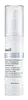
This brightening serum is formulated around 3-O-Ethyl Ascorbic Acid and Niacinamide to brighten dull-looking skin and fade the look of dark spots.
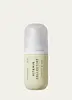
This brightening serum is formulated around Niacinamide and Astaxanthin to brighten dull-looking skin and fade the look of dark spots.


What's inside
What's inside
 Key Ingredients
Benefits
Concerns
Ingredients Side-by-side
Water
Skin Conditioning3-O-Ethyl Ascorbic Acid
Skin Conditioning





Butylene Glycol
Humectant

Niacinamide
Smoothing





1,2-Hexanediol
Skin Conditioning
Glycerin
Humectant
Methylpropanediol
SolventSodium Hyaluronate
Humectant
Citrus Limon Fruit Extract
Masking
Citrus Nobilis Peel Extract
Masking
Citrus Paradisi Fruit Extract
Skin ConditioningSodium Polyacryloyldimethyl Taurate
Emulsion StabilisingPanthenol
Skin Conditioning
Pentylene Glycol
Skin Conditioning
Ethylhexylglycerin
Skin ConditioningDipotassium Glycyrrhizate
Humectant
Tromethamine
BufferingAdenosine
Skin Conditioning
Madecassoside
Antioxidant
Sodium Phytate
ChelatingBeta-Glucan
Skin Conditioning
Tocopherol
Antioxidant
Linolenic Acid
Cleansing


Xanthan Gum
EmulsifyingCarbomer
Emulsion StabilisingWater, 3-O-Ethyl Ascorbic Acid, Butylene Glycol, Niacinamide, 1,2-Hexanediol, Glycerin, Methylpropanediol, Sodium Hyaluronate, Citrus Limon Fruit Extract, Citrus Nobilis Peel Extract, Citrus Paradisi Fruit Extract, Sodium Polyacryloyldimethyl Taurate, Panthenol, Pentylene Glycol, Ethylhexylglycerin, Dipotassium Glycyrrhizate, Tromethamine, Adenosine, Madecassoside, Sodium Phytate, Beta-Glucan, Tocopherol, Linolenic Acid, Xanthan Gum, Carbomer
Water
Skin ConditioningGlycerin
Humectant
Niacinamide
Smoothing
Propanediol
Solvent
Methylpropanediol
SolventTocopheryl Acetate
Antioxidant
1,2-Hexanediol
Skin Conditioning
Butylene Glycol
Humectant
Panthenol
Skin Conditioning
Pentylene Glycol
Skin Conditioning
Chondrus Crispus Extract
Skin Conditioning

Astaxanthin
Skin Conditioning
Haematococcus Pluvialis Extract
Antioxidant
Tetrahexyldecyl Ascorbate
Antioxidant
Terminalia Ferdinandiana Fruit Extract
Antioxidant
Tremella Fuciformis Extract
Humectant
Ascorbic Acid
Antioxidant
Resveratrol
Antioxidant
4-Butylresorcinol
Antioxidant
Hippophae Rhamnoides Fruit Oil
Skin Protecting
Sodium Hyaluronate
Humectant
Tocopherol
Antioxidant
Pinus Pinaster Bark Extract
Antioxidant
Myrciaria Dubia Fruit Extract
Skin ConditioningCichorium Intybus Root Extract
MaskingHydrogenated Lecithin
Emulsifying
Menadione
MaskingGlycyrrhetinic Acid
Skin Conditioning
Glycine Soja Oil
Emollient
Borago Officinalis Seed Oil
Emollient
Beta-Glucan
Skin Conditioning
Adenosine
Skin Conditioning
Linolenic Acid
Cleansing
Crithmum Maritimum Extract
Skin ConditioningBeta-Carotene
Skin ConditioningDaucus Carota Sativa Root Extract
Skin Conditioning
Ferulic Acid
Antimicrobial
Xanthophylls
Skin ConditioningDiamond Powder
Abrasive
Saccharum Officinarum Extract
MoisturisingRosmarinus Officinalis Leaf Extract
AntimicrobialTrehalose
Humectant
Proline
Skin Conditioning
Phenylalanine
Masking
Glycine
Buffering
Lysine
Skin ConditioningSerine
Masking
Glutamic Acid
Humectant
Lecithin
Emollient
Aspartic Acid
Masking
Leucine
Skin ConditioningAlanine
Masking
Arginine
Masking
Tyrosine
MaskingThreonine
Valine
MaskingIsoleucine
Skin ConditioningHistidine
Humectant
Cysteine
Antioxidant
Methionine
Skin ConditioningTromethamine
BufferingDextrin
AbsorbentCarbomer
Emulsion StabilisingMaltodextrin
Absorbent
Glyceryl Acrylate/Acrylic Acid Copolymer
HumectantPolyglyceryl-10 Diisostearate
Emulsifying
Caprylic/Capric Triglyceride
Masking
Sodium Phytate
ChelatingEthylhexylglycerin
Skin ConditioningXanthan Gum
EmulsifyingCaprylyl Glycol
Emollient
Water, Glycerin, Niacinamide, Propanediol, Methylpropanediol, Tocopheryl Acetate, 1,2-Hexanediol, Butylene Glycol, Panthenol, Pentylene Glycol, Chondrus Crispus Extract, Astaxanthin, Haematococcus Pluvialis Extract, Tetrahexyldecyl Ascorbate, Terminalia Ferdinandiana Fruit Extract, Tremella Fuciformis Extract, Ascorbic Acid, Resveratrol, 4-Butylresorcinol, Hippophae Rhamnoides Fruit Oil, Sodium Hyaluronate, Tocopherol, Pinus Pinaster Bark Extract, Myrciaria Dubia Fruit Extract, Cichorium Intybus Root Extract, Hydrogenated Lecithin, Menadione, Glycyrrhetinic Acid, Glycine Soja Oil, Borago Officinalis Seed Oil, Beta-Glucan, Adenosine, Linolenic Acid, Crithmum Maritimum Extract, Beta-Carotene, Daucus Carota Sativa Root Extract, Ferulic Acid, Xanthophylls, Diamond Powder, Saccharum Officinarum Extract, Rosmarinus Officinalis Leaf Extract, Trehalose, Proline, Phenylalanine, Glycine, Lysine, Serine, Glutamic Acid, Lecithin, Aspartic Acid, Leucine, Alanine, Arginine, Tyrosine, Threonine, Valine, Isoleucine, Histidine, Cysteine, Methionine, Tromethamine, Dextrin, Carbomer, Maltodextrin, Glyceryl Acrylate/Acrylic Acid Copolymer, Polyglyceryl-10 Diisostearate, Caprylic/Capric Triglyceride, Sodium Phytate, Ethylhexylglycerin, Xanthan Gum, Caprylyl Glycol
Ingredients Explained
These ingredients are found in both products.
Ingredients higher up in an ingredient list are typically present in a larger amount.
1,2-Hexanediol is a synthetic liquid and another multi-functional powerhouse.
It is a:
- Humectant, drawing moisture into the skin
- Emollient, helping to soften skin
- Solvent, dispersing and stabilizing formulas
- Preservative booster, enhancing the antimicrobial activity of other preservatives
Adenosine is a purine nucleoside that your body already makes in every cell. In skincare, it acts mainly as a skin conditioning and anti-aging agent.
The way it works is fairly well mapped out:
Your skin has cells called fibroblasts that build collagen (the stuff that keeps skin firm and smooth). Adenosine basically flips a switch on these cells that tells them to get to work making more collagen and other proteins. These cells slow down on their own as skin ages, so Adenosine helps give them a little nudge to keep going.
The clinical backing is pretty solid too.
A blind, randomized, placebo-controlled trial of 126 women aged 45-65 tested a 0.1% cream twice daily and found real improvements in crow's feet and frown lines using a precise 3D skin-mapping technique; these changes showed up by week 3 and held at 2 months.
A later study using Adenosine-loaded dissolving microneedle patches reported gains in wrinkle depth, dermal density, elasticity, and hydration.
On concentrations, South Korea's Ministry of Food and Drug Safety has set 0.04% as the approved functional anti-wrinkle level. You'll typically see this ingredient used somewhere in the 0.04-0.1% range since it works at low doses.
This ingredient has been found safe for cosmetics with the data showing no irritation or sensitization.
Overall, this is a great ingredient for any anti-aging routine and has no photosensitizing effect, so it suits both AM and PM use.
Learn more about AdenosineBeta-Glucan is a soluble polysaccharide (a chain of glucose sugars) sourced from the cells walls of oats, baker's yeast, mushrooms, and seaweed.
It's a rare ingredient that pulls double-duty as a heavy-duty hydrator and skin-soothing repair agent.
On the surface, it acts as a humectant that holds water in place and reduces moisture loss for a plumper, smoother feel, while its anti-inflammatory and antioxidant properties make it a great pick for calming redness or sensitive skin
The more interesting story is underneath:
Despite its large molecular size, oat beta-glucan has been shown to penetrate the epidermis and reach the dermis by slipping between skin cells. Here, it interacts with fibroblasts and macrophages to nudge collagen synthesis and support wound repair.
A small 2005 split-face clinical study of 27 subjects found topical beta-glucan produced measurable reductions in wrinkle depth, height, and roughness after 8 weeks of use.
It is worth noting the trial was small and the penetration testing used frozen, irradiated skin so the anti-aging data is encouraging rather than definitive.
This ingredient gets along with pretty much everything and is typically used around 0.1-1%.
Fungal acne: This ingredient is not a food source for the Malassezia yeast because it is a glucose polysaccharide with no fatty acid or ester component.
Learn more about Beta-GlucanButylene Glycol (or BG) is used within cosmetic products for a few different reasons:
Overall, Butylene Glycol is a safe and well-rounded ingredient that works well with other ingredients.
Though this ingredient works well with most skin types, some people with sensitive skin may experience a reaction such as allergic rashes, closed comedones, or itchiness.
Learn more about Butylene GlycolCarbomer is a synthetic thickening and gelling agent. It's basically the ingredient that gives a lot of serums, gels, creams, and sunscreens their smooth, non-sticky texture.
Although legally permitted at very high levels, carbomers are normally used at concentrations below 1%.
It also needs to be neutralized to actually thicken, and because it is a large molecule, it doesn't really penetrate the skin barrier.
Allergy-wise, the risk is very low. Clinical studies show carbomers have low potential for skin irritation/sensitization even at concentrations up to 100%.
A 2024 UK study patch-tested 1,302 patients and found true allergy to the parent group of carbomer to be rare with no confirmed relevant reactions.
Learn more about CarbomerEthylhexylglycerin is created from glycerin. It is a multitasker ingredient that:
The CIR Expert Panel found minimal skin absorption or sensitization of any kind in a safety assessment. Though this ingredient is considered well-tolerated, a small number of cases of allergic dermatitis have been published since 2002. Just be sure to patch test if you are unsure.
Industry-reported use ranges from 8% in rinse-off products and 2% in leave-on formulations.
Learn more about EthylhexylglycerinGlycerin (or glycerol) is a compound naturally found in your skin. It's a powerhouse humectant that pulls water into the stratum corneum.
Topically, glycerin does several things at once:
Your skin makes glycerin on its own (mostly from sebaceous oil breakdown) and shuttles it to your outermost layer of skin, or your epidermis, via aquaporin-3.
Aquaporin-3 is a transporter that is essential for normal skin hydration, elasticity, and repair. Interestingly, mice lacking in AQP3 have dry and less elastic skin that can be fully corrected with glycerin.
This ingredient is non-irritating, plays well with almost every ingredient, and works across all skin types. Typical use is anywhere between 3-10% but can go up to 79% in some leave-on products.
Just know very high concentrations (>40%) can feel tacky in low humidity.
Glycerin is the name for this ingredient in American English. British English uses Glycerol/Glycerine.
Learn more about GlycerinLinolenic Acid is also known as "ALA" or alpha-linolenic acid. It is a key fatty acid.
Our skin uses this ingredient for maintaining a healthy skin barrier, regulating inflammation, and supporting keratinocyte function.
ALA is a great skin hydrator because it has the ability to restore lipids in our stratum corneum, or outermost layer of our skin; it also helps prevent transepidermal water loss.
This ingredient also helps soothe irritated skin by downregulating inflammation.
Chia seed oil is one of the highest natural sources of ALA. Research shows topical chia seed oil significantly improves skin hydration, reduces itch, and strengthens the barrier in both healthy and extremely dry skin.
Additionally, in-vivo and in-vitro studies show ALA exhibits antioxidant properties, reduces UV-induced inflammation, and supports wound healing.
Early research showed a fatty-acid deficiency in animals leads to abnormal skin barrier function. It is believed a deficiency in linolenic acid may be linked to skin disorders like eczema.
Fun fact: This ingredient is considered an essential fatty acid for humans. This means our bodies cannot naturally produce it and we must get it from food. Some foods rich in linolenic acid include walnuts, fish oils, soy, and canola.
Learn more about Linolenic AcidMethylpropanediol is a synthetic solvent and humectant.
As a solvent, it helps dissolve other ingredients, helping to evenly distribute ingredients throughout the product. This ingredient has also been shown to have antimicrobial properties which makes it a preservative booster.
Methylpropanediol is able to add a bit of moisture to the skin. It also helps other ingredients be better absorbed into the skin, such as salicylic acid.
Learn more about MethylpropanediolNiacinamide is a multitasking form of vitamin B3 that strengthens the skin barrier, reduces pores and dark spots, regulates oil, and improves signs of aging.
And the best part? It's gentle and well-tolerated by most skin types, including sensitive and reactive skin.
You might have heard of "niacin flush", or the reddening of skin that causes itchiness. Niacinamide has not been found to cause this.
In very rare cases, some individuals may not be able to tolerate niacinamide at all or experience an allergic reaction to it.
If you are experiencing flaking, irritation, and dryness with this ingredient, be sure to double check all your products as this ingredient can be found in all categories of skincare.
When incorporating niacinamide into your routine, look out for concentration amounts. Typically, 5% niacinamide provides benefits such as fading dark spots. However, if you have sensitive skin, it is better to begin with a smaller concentration.
When you apply niacinamide to your skin, your body converts it into nicotinamide adenine dinucleotide (NAD). NAD is an essential coenzyme that is already found in your cells as "fuel" and powers countless biological processes.
In your skin, NAD helps repair cell damage, produce new healthy cells, support collagen production, strengthen the skin barrier, and fight environmental stressors (like UV and pollution).
Our natural NAD levels start to decline with age, leading to slower skin repair, visible aging, and a weaker skin barrier. By providing your skin niacinamide, you're recharging your skin's NAD levels. This leads to stronger, healthier, and younger looking skin.
Another name for vitamin B3 is nicotinamide. This vitamin is water-soluble and our bodies don't store it. We obtain Vitamin B3 from either food or skincare. Meat, fish, wheat, yeast, and leafy greens contain vitamin B3.
The type of niacinamide used in skincare is synthetically created.
Learn more about NiacinamidePanthenol is a common ingredient that helps hydrate and soothe the skin. It is found naturally in our skin and hair.
There are two forms of panthenol: D and L.
D-panthenol is also known as dexpanthenol. Most cosmetics use dexpanthenol or a mixture of D and L-panthenol.
Panthenol is famous due to its ability to go deeper into the skin's layers. Using this ingredient has numerous pros (and no cons):
Like hyaluronic acid, panthenol is a humectant. Humectants are able to bind and hold large amounts of water to keep skin hydrated.
This ingredient works well for wound healing. It works by increasing tissue in the wound and helps close open wounds.
Once oxidized, panthenol converts to pantothenic acid. Panthothenic acid is found in all living cells.
This ingredient is also referred to as pro-vitamin B5.
Learn more about PanthenolPentylene Glycol (1,2-pentanediol) is a multitasking little diol with three main roles in a formula:
Research on alkanediols (the family pentylene glycol belongs to) show they work by disrupting microbial cell membranes. This disruption helps the primary preservative system in a product work more effectively at lower doses.
On the safety side, the Cosmetic Ingredient Review Expert Panel has concluded this ingredient to be safe as used in current cosmetic practices + concentrations.
Typical use levels in a formula run about 1-5%.
Learn more about Pentylene GlycolSodium Hyaluronate is the salt form of hyaluronic acid. It is a long sugar chain that is naturally found in your skin, joints, and connective tissue that maintains hydration and elasticity.
In skincare, it works as a humectant. It pulls water from the environment and deeper layers of skin and binds it to the surface.
Interestingly, the size of the molecule affects its behavior:
Some clinical evidence links low molecular weight versions to improved wrinkle depth, elasticity, anti-inflammatory effects, and barrier repair.
Many serums use a blend of both weights so you can get surface hydration plus longer-lasting and deeper effects.
You'll typically see concentrations between 0.1-2% for this ingredient.
Learn more about Sodium HyaluronateSodium Phytate is the sodium salt of Phytic acid, a compound that plants store phosphorus in. It's the plant-derived alternative to ingredients like Disodium EDTA.
In skincare, this ingredient is a chelator that grabs onto trace metal ions like iron and copper that sneak into formulas through water/raw materials.
Those metals speed up oxidation so binding them keeps oils, fragrance, and actives from going off, stops color changes, and helps the preservative system work harder.
Survey data shows usage levels range from 0.0099%-0.5% in leave-on products, 0.025%-0.3% in rinse-off, and up to 0.05% in eye-area products. Suppliers typically recommend a range between 0.05-0.5%.
Learn more about Sodium PhytateTocopherol is a fat-soluble antioxidant known as Vitamin E.
You'll find this ingredient in the vast majority of skincare (for good reason). It works to neutralize free radicals, or unstable molecules generated by UV exposure, pollution, and other environmental stressors, before they can cause oxidative damage to your skin cells.
Topically applied tocopherol has been shown to protect against UV damage by ramping up the skin's own natural defense enzymes.
It also acts as a skin conditioning agent; some studies show that regular topical use can improve the skin's water-binding capacity over 2-4 weeks.
This ingredient is especially loved for being a team player. When combined with Vitamin C, the photoprotective effect of both ingredients roughly doubles and the combo also helps reduce UV-induced DNA damage.
This ingredient has some brightening potential but it's more of a prevention ingredient than spot-fader. Cell studies show it can slow down melanin production but it's worth noting that it's not the most powerful brightener out there.
In formulations, it also serves as a stabilizer that helps protect other oxidation-prone ingredients from degrading.
Concentrations usually range from 0.1-1% in most leave-on products.
Learn more about TocopherolTromethamine (aka THAM) is a synthetic amino acid that shows up in skincare as a helper ingredient.
It functions as a pH adjuster to help neutralize acidic ingredients and set a formula's pH to the right spot.
This matters a lot because a lot of actives (like vitamin C) needs a specific pH to work well and feel comfortable on skin.
Concentration use ranges from 0.1-1.0% depending on the formula.
Learn more about TromethamineWater. It's the most common cosmetic ingredient of all. You'll usually see it at the top of ingredient lists, meaning that it makes up the largest part of the product.
So why is it so popular? Water most often acts as a solvent - this means that it helps dissolve other ingredients into the formulation.
You'll also recognize water as that liquid we all need to stay alive. If you see this, drink a glass of water. Remember to stay hydrated!
Learn more about WaterXanthan gum is used as a stabilizer and thickener within cosmetic products. It helps give products a sticky, thick feeling - preventing them from being too runny.
On the technical side of things, xanthan gum is a polysaccharide - a combination consisting of multiple sugar molecules bonded together.
Xanthan gum is a pretty common and great ingredient. It is a natural, non-toxic, non-irritating ingredient that is also commonly used in food products.
Learn more about Xanthan Gum

