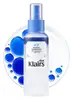
This calming toner is formulated around Allantoin and Madecassoside to calm redness and hydrate skin.
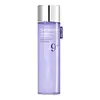
This anti-aging toner is formulated around Niacinamide and Sodium DNA to soften the look of wrinkles and brighten dull-looking skin.

What's inside
What's inside
 Key Ingredients
Benefits
Concerns
Ingredients Side-by-side
Water
Skin ConditioningCaprylic/Capric Triglyceride
Masking


Butylene Glycol
Humectant
1,2-Hexanediol
Skin Conditioning
Erythritol
Humectant
Xylitol
Humectant
Allantoin
Skin Conditioning


Sodium Chloride
MaskingTrehalose
Humectant
Ethylhexylglycerin
Skin ConditioningCaprylyl Glycol
Emollient
Tocopheryl Acetate
Antioxidant


Sodium Citrate
BufferingGuaiazulene
Antimicrobial

Citric Acid
Buffering

Ectoin
Skin Conditioning
Madecassoside
Antioxidant
Rosa Canina Fruit Oil
Emollient

Bisabolol
Antioxidant
Sodium Hyaluronate Crosspolymer
Humectant
Sh-Oligopeptide-1
Skin Conditioning
Sh-Polypeptide-1
Skin Conditioning
Vaccinium Vitis-Idaea Fruit Extract
Antioxidant
Zinc PCA
Humectant



Water, Caprylic/Capric Triglyceride, Butylene Glycol, 1,2-Hexanediol, Erythritol, Xylitol, Allantoin, Sodium Chloride, Trehalose, Ethylhexylglycerin, Caprylyl Glycol, Tocopheryl Acetate, Sodium Citrate, Guaiazulene, Citric Acid, Ectoin, Madecassoside, Rosa Canina Fruit Oil, Bisabolol, Sodium Hyaluronate Crosspolymer, Sh-Oligopeptide-1, Sh-Polypeptide-1, Vaccinium Vitis-Idaea Fruit Extract, Zinc PCA
Water
Skin ConditioningMethylpropanediol
SolventNiacinamide
Smoothing

PEG/PPG-17/6 Copolymer
SolventPropanediol
Solvent
1,2-Hexanediol
Skin Conditioning
Tripropylene Glycol
Antioxidant
Glyceryl Glucoside
Humectant
Xylitylglucoside
Humectant
PEG-40 Hydrogenated Castor Oil
Emulsifying
Anhydroxylitol
Humectant
Glycerin
Humectant
Polyglyceryl-10 Laurate
Skin Conditioning
Candida Bombicola/Glucose/Methyl Rapeseedate Ferment
AntimicrobialC20-40 Pareth-10
EmulsifyingTocopheryl Acetate
Antioxidant
Xylitol
Humectant
Cetearyl Alcohol
Emollient


Sodium DNA
Skin Conditioning
Hydrogenated Lecithin
Emulsifying
Glucose
Humectant
Polyacrylate Crosspolymer-6
Emulsion StabilisingEthylhexylglycerin
Skin ConditioningAdenosine
Skin Conditioning
Ceramide NP
Skin Conditioning
Sodium Phytate
Helianthus Annuus Seed Oil
Emollient
Melia Azadirachta Leaf Extract
Skin ConditioningMelia Azadirachta Flower Extract
Skin ConditioningCitric Acid
Buffering
Hydroxyethylcellulose
Emulsion StabilisingSodium Citrate
BufferingPhytosterols
Skin Conditioning
Coccinia Indica Fruit Extract
Skin Conditioning
Aloe Barbadensis Flower Extract
EmollientSolanum Melongena Fruit Extract
Skin ConditioningT-Butyl Alcohol
Perfuming

Ocimum Sanctum Leaf Extract
Skin ConditioningCurcuma Longa Root Extract
Antioxidant
Corallina Officinalis Extract
Skin Conditioning
Cyanocobalamin
Skin ConditioningCaprylic/Capric Triglyceride
Masking
Hydrolyzed Collagen
Emollient
Butylene Glycol
Humectant
Adenosine Triphosphate
Skin ConditioningNicotinamide Adenine Dinucleotide
Skin ConditioningResveratrol
Antioxidant
Pullulan
Sodium Palmitoyl Sarcosinate
CleansingPalmitic Acid
Emollient
C12-14 Alketh-12
EmulsifyingPisum Sativum Peptide
Skin Conditioning
Stearic Acid
Cleansing
Polyglyceryl-6 Laurate
Emulsifying
Caprylyl Glycol
Emollient
Dipeptide Diaminobutyroyl Benzylamide Diacetate
Skin Conditioning
Dextran
Hydrolyzed Elastin
EmollientSoluble Collagen
Humectant
Acetyl Tetrapeptide-3
Skin Protecting
Trifolium Pratense Flower Extract
AstringentDisodium EDTA
Myristic Acid
Cleansing
Acetyl Hexapeptide-8
Humectant
Mannose
HumectantSh-Octapeptide-4
Antioxidant
Sh-Decapeptide-7
Antioxidant
Palmitoyl Pentapeptide-4
Skin Conditioning
Palmitoyl Tripeptide-1
Skin Conditioning
Copper Tripeptide-1
Skin Conditioning
Hexapeptide-9
Skin Conditioning
Nonapeptide-1
Skin Conditioning
Tripeptide-1
Skin Conditioning
Arachidic Acid
Cleansing
Collagen
Moisturising
Elastin
Skin ConditioningGlutathione
Palmitoyl Tetrapeptide-7
Skin Conditioning
Arginine/Lysine Polypeptide
Skin Conditioning
Oligopeptide-29
Antioxidant
Oligopeptide-32
Antiseborrhoeic
Acetyl Tetrapeptide-5
Humectant
Acetyl Tetrapeptide-9
Skin Conditioning
Acetyl Tetrapeptide-2
Skin Conditioning
Acetyl Octapeptide-3
Humectant
Acetyl Hexapeptide-1
Skin Conditioning
Alanine/Histidine/Lysine Polypeptide Copper Hcl
Skin Conditioning
Acetyl Dipeptide-1 Cetyl Ester
Skin Conditioning
Acetyl Sh-Pentapeptide-1
Skin Conditioning
Biotinoyl Tripeptide-1
Dipeptide-4
Skin Conditioning
Hexapeptide-11
Skin Conditioning
Hexapeptide-12
Skin Conditioning
Lauric Acid
Cleansing
Myristoyl Pentapeptide-17
Skin Conditioning
Myristoyl Hexapeptide-16
Skin Conditioning
Myristoyl Pentapeptide-4
Skin Conditioning
Nicotinoyl Tripeptide-1
Antioxidant
Nonapeptide-7
Skin Conditioning
Nicotinoyl Tripeptide-35
Antioxidant
Nicotinoyl Dipeptide-26
Skin Conditioning
Nicotinoyl Dipeptide-23
Skin Conditioning
Octapeptide-2
Skin Conditioning
Palmitoyl Tripeptide-5
Skin Conditioning
Palmitoyl Hexapeptide-12
Skin Conditioning
Pentapeptide-13
Skin Conditioning
Palmitoyl Tetrapeptide-10
Skin Conditioning
Palmitoyl Tripeptide-38
Skin Conditioning
Palmitoyl Tripeptide-29
Skin Conditioning
Palmitoyl Tripeptide-8
Skin Conditioning
Sr-(Oligopeptide-91 Clostridium Botulinum Polypeptide-1)
Skin Conditioning
Tetrapeptide-44
Skin Conditioning
Tetrapeptide-30
Skin Conditioning
Tripeptide-10 Citrulline
Skin Conditioning
Tripeptide-32
Skin Conditioning
Tripeptide-29
Skin Conditioning
Sh-Polypeptide-22
Skin Conditioning
Sh-Oligopeptide-1
Skin Conditioning
Sh-Polypeptide-1
Skin Conditioning
Sh-Polypeptide-9
Skin Conditioning
Sh-Oligopeptide-2
Skin Conditioning
Sh-Polypeptide-11
Sh-Polypeptide-3
Skin Conditioning
Sh-Polypeptide-16
Skin Protecting
Sh-Polypeptide-62
Antioxidant
Water, Methylpropanediol, Niacinamide, PEG/PPG-17/6 Copolymer, Propanediol, 1,2-Hexanediol, Tripropylene Glycol, Glyceryl Glucoside, Xylitylglucoside, PEG-40 Hydrogenated Castor Oil, Anhydroxylitol, Glycerin, Polyglyceryl-10 Laurate, Candida Bombicola/Glucose/Methyl Rapeseedate Ferment, C20-40 Pareth-10, Tocopheryl Acetate, Xylitol, Cetearyl Alcohol, Sodium DNA, Hydrogenated Lecithin, Glucose, Polyacrylate Crosspolymer-6, Ethylhexylglycerin, Adenosine, Ceramide NP, Sodium Phytate, Helianthus Annuus Seed Oil, Melia Azadirachta Leaf Extract, Melia Azadirachta Flower Extract, Citric Acid, Hydroxyethylcellulose, Sodium Citrate, Phytosterols, Coccinia Indica Fruit Extract, Aloe Barbadensis Flower Extract, Solanum Melongena Fruit Extract, T-Butyl Alcohol, Ocimum Sanctum Leaf Extract, Curcuma Longa Root Extract, Corallina Officinalis Extract, Cyanocobalamin, Caprylic/Capric Triglyceride, Hydrolyzed Collagen, Butylene Glycol, Adenosine Triphosphate, Nicotinamide Adenine Dinucleotide, Resveratrol, Pullulan, Sodium Palmitoyl Sarcosinate, Palmitic Acid, C12-14 Alketh-12, Pisum Sativum Peptide, Stearic Acid, Polyglyceryl-6 Laurate, Caprylyl Glycol, Dipeptide Diaminobutyroyl Benzylamide Diacetate, Dextran, Hydrolyzed Elastin, Soluble Collagen, Acetyl Tetrapeptide-3, Trifolium Pratense Flower Extract, Disodium EDTA, Myristic Acid, Acetyl Hexapeptide-8, Mannose, Sh-Octapeptide-4, Sh-Decapeptide-7, Palmitoyl Pentapeptide-4, Palmitoyl Tripeptide-1, Copper Tripeptide-1, Hexapeptide-9, Nonapeptide-1, Tripeptide-1, Arachidic Acid, Collagen, Elastin, Glutathione, Palmitoyl Tetrapeptide-7, Arginine/Lysine Polypeptide, Oligopeptide-29, Oligopeptide-32, Acetyl Tetrapeptide-5, Acetyl Tetrapeptide-9, Acetyl Tetrapeptide-2, Acetyl Octapeptide-3, Acetyl Hexapeptide-1, Alanine/Histidine/Lysine Polypeptide Copper Hcl, Acetyl Dipeptide-1 Cetyl Ester, Acetyl Sh-Pentapeptide-1, Biotinoyl Tripeptide-1, Dipeptide-4, Hexapeptide-11, Hexapeptide-12, Lauric Acid, Myristoyl Pentapeptide-17, Myristoyl Hexapeptide-16, Myristoyl Pentapeptide-4, Nicotinoyl Tripeptide-1, Nonapeptide-7, Nicotinoyl Tripeptide-35, Nicotinoyl Dipeptide-26, Nicotinoyl Dipeptide-23, Octapeptide-2, Palmitoyl Tripeptide-5, Palmitoyl Hexapeptide-12, Pentapeptide-13, Palmitoyl Tetrapeptide-10, Palmitoyl Tripeptide-38, Palmitoyl Tripeptide-29, Palmitoyl Tripeptide-8, Sr-(Oligopeptide-91 Clostridium Botulinum Polypeptide-1), Tetrapeptide-44, Tetrapeptide-30, Tripeptide-10 Citrulline, Tripeptide-32, Tripeptide-29, Sh-Polypeptide-22, Sh-Oligopeptide-1, Sh-Polypeptide-1, Sh-Polypeptide-9, Sh-Oligopeptide-2, Sh-Polypeptide-11, Sh-Polypeptide-3, Sh-Polypeptide-16, Sh-Polypeptide-62
Reviews
Ingredients Explained
These ingredients are found in both products.
Ingredients higher up in an ingredient list are typically present in a larger amount.
1,2-Hexanediol is a synthetic liquid and another multi-functional powerhouse.
It is a:
- Humectant, drawing moisture into the skin
- Emollient, helping to soften skin
- Solvent, dispersing and stabilizing formulas
- Preservative booster, enhancing the antimicrobial activity of other preservatives
Butylene Glycol (or BG) is used within cosmetic products for a few different reasons:
Overall, Butylene Glycol is a safe and well-rounded ingredient that works well with other ingredients.
Though this ingredient works well with most skin types, some people with sensitive skin may experience a reaction such as allergic rashes, closed comedones, or itchiness.
Learn more about Butylene GlycolCaprylic/Capric Triglyceride (aka MCT Oil) is a lightweight emollient, solvent, and texture enhancer. It is considered a skin-softener by helping to prevent moisture loss.
Though it behaves like an oil, it is not technically one due to its chemical composition. One perk of this ingredient is that it is very stable, resistant to oxidation, and unlikely to go rancid.
In practice, that translates to a long shelf life and a consistently elegant skin feel.
While there is an assumption Caprylic Triglyceride can clog pores due to it being derived from coconut oil, there is no research supporting this. Just patch test if you have concerns.
Fractionated coconut oil and MCT Oil are both listed as Caprylic/Capric Triglyceride according to INCI. This is because INCI names are based on the ingredient’s final chemical composition and not its marketing name or source.
This ingredient is treated as the gold standard fungal acne safe oil. Even though it is coconut derived, the problematic lauric acid is stripped out.
This leaves just caprylic (C8) and capric (C10) acid. These chain lengths actually trend antifungal; a 2020 study found caprylic acid was enough to disrupt Malassezia furfur cell membrane, with a caprylic acid derivative damaging membrane structures at concentrations as low as 0.2%.
Learn more about Caprylic/Capric TriglycerideCaprylyl Glycol is a humectant, skin conditioner, emollient, and preservative booster derived from either caprylic acid or synthetically created.
Typical use levels vary from 0.3-1% as a preservative booster and go up to 2% to condition skin.
Because it is not a free-fatty acid, this ingredient is fungal acne safe (there's nothing for Malassezia to feed on).
Learn more about Caprylyl GlycolCitric Acid is an alpha hydroxy acid (AHA) naturally found in citrus fruits like oranges, lemons, and limes.
Like other AHAs, citric acid can exfoliate skin by breaking down the bonds that hold dead skin cells together. This helps reveal smoother and brighter skin underneath.
However, this exfoliating effect only happens at high concentrations (20%) which can be hard to find in cosmetic products.
Due to this, citric acid is usually included in small amounts as a pH adjuster. This helps keep products slightly more acidic and compatible with skin's natural pH.
In skincare formulas, citric acid can:
While it can provide some skin benefits, research shows lactic acid and glycolic acid are generally more effective and less irritating exfoliants.
Most citric acid used in skincare today is made by fermenting sugars (usually from molasses). This synthetic version is identical to the natural citrus form but easier to stabilize and use in formulations.
Rosacea skin has a lower threshold for acids generally, with 62.5% of rosacea subjects in one study reacting to lactic acid in a sting test. This is why we mark citric acid as a potential rosacea trigger.
However, this ingredient shows up as a pH adjuster or chelator at roughly 0.1-1% in many products. These low levels are unlikely to be an issue for rosacea skin and becomes a potential trigger at exfoliating concentrations (20%). Because everybody's skin is unique, we recommend a patch test if you are unsure.
Learn more about Citric AcidEthylhexylglycerin is created from glycerin. It is a multitasker ingredient that:
The CIR Expert Panel found minimal skin absorption or sensitization of any kind in a safety assessment. Though this ingredient is considered well-tolerated, a small number of cases of allergic dermatitis have been published since 2002. Just be sure to patch test if you are unsure.
Industry-reported use ranges from 8% in rinse-off products and 2% in leave-on formulations.
Learn more about Ethylhexylglycerinsh-Oligopeptide-1 is a peptide found naturally in our bodies. Peptides are the building blocks for collagen and elastin in our skin.
In cosmetics, this ingredient is bioengineered to be identical to a human gene that codes for epidermal growth factor (EGF). EGF are signal molecules that simulate cell growth and healing.
Studies find EGF help with:
In South Korea and China, EGF is considered a controversial ingredient. The South Korean Ministry of Food and Drug Safety has cracked down on companies with products including EGF due to false advertisement claims.
According to Dr. Zoe Draelos, growth factors have some drawbacks:
There is also controversy surrounding growth factors. The controversy is due to their mitogenic activity, or their ability to increase the number of cells. It is best to avoid using growth factors if you have psoriasis or are at risk of skin cancer. However, it should be noted EGF are not mutagenic - meaning they will not cause cancer.
Learn more about Sh-Oligopeptide-1Sh-Polypeptide-1 is a signal peptide that tells our cells to create more fibroblast cells. Fibroblasts maintain skin structure and plays a role in wound healing.
It is important to note this ingredient is mitogenic and not mutagenic. Meaning it will stimulate cell multiplication, and will not cause cancer.
Sodium Citrate is the sodium salts of citric acid. In skincare, it is used to alter pH levels and acts as a preservative.
Its main functions are to maintain the pH of a product and neutralize metal ions.
The acidity of our skin is maintained by our glands and skin biome; normal pH level of skin is slightly acidic (~4.75-5.5).
Being slightly acidic allows our skin to create an "acid mantle". This acid mantle is a thin barrier that protects our skin from bacteria and contaminants.
Learn more about Sodium CitrateTocopheryl Acetate is a stable, shelf-friendly form of vitamin E.
Formulators love it because plain vitamin E oxidizes quickly once it hits air. This acetate version stays stable and resists going off, helping to extend a product's shelf life.
It's actually inactive on its own and works like a slow-release "storage" form; the enzymes in your skin called esterases gradually convert it into active vitamin E over time.
One in vivo study showed 5% of the acetate in the living layer of the epidermis converted to vitamin E after 5 days of application. This study also found the skin gained protection against UV damage even though the conversion was slow and small.
Once converted, vitamin E acts as a skin's main fat-soluble antioxidant that fights free radicals to protect skin from damage.
Topical vitamin E generally boosts the skin's photoprotection, and it reduced UV-damage in animal models.
This ingredient has some brightening potential but it's more of a prevention ingredient than spot-fader. Cell studies show it can slow down melanin production but it's worth noting that it's not the most powerful brightener out there.
Overall, it has a pretty solid safety profile and has been found to be non-irritating and non-comedogenic. Allergic reactions may happen but stay rare due to how widely the ingredient gets used.
The concentration will vary depending on the formula; industry data shows 0.1% in baby lotions, 3% in lipsticks, and 5% in foot powders. You can also find this ingredient at 100% in a pure vitamin E oil.
Most leave-on skincare keeps it at the lower end, often between 0.5-1%.
Learn more about Tocopheryl AcetateWater. It's the most common cosmetic ingredient of all. You'll usually see it at the top of ingredient lists, meaning that it makes up the largest part of the product.
So why is it so popular? Water most often acts as a solvent - this means that it helps dissolve other ingredients into the formulation.
You'll also recognize water as that liquid we all need to stay alive. If you see this, drink a glass of water. Remember to stay hydrated!
Learn more about WaterXylitol is a humectant and prebiotic. It can help with dry skin.
In studies, xylitol has been shown to improve dry skin. It decreased transepidermal water loss, or when water passes through the skin and evaporates. Xylitol also showed to help improve the biomechanical properties of the skin barrier.
The prebiotic property of xylitol may also help reinforce our skin's natural microbiome. Having a healthy microbiome prevents infection by bad bacteria and helps with hydration.
As a humectant, Xylitol helps draw moisture from both the air and from deeper skin layers. This helps keep skin hydrated.
Xylitol is a sugar alcohol and commonly used as a sugar substitute. It is naturally occurring in plants such as strawberries and pumpkin.
Learn more about Xylitol

