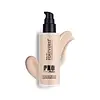
Daily Life Forever52 Pro Artist Ultra Definition Liquid Foundation Versus Tirtir Mask Fit AI Filter Cushion


What's inside
What's inside
 Key Ingredients
Benefits
Concerns
Ingredients Side-by-side
Water
Skin ConditioningCyclopentasiloxane
Emollient
Dimethicone
Emollient
Dimethicone Crosspolymer
Emulsion Stabilising
Ethylhexyl Methoxycinnamate
UV Absorber


Methyl Trimethicone
Skin Conditioning
Isononyl Isononanoate
EmollientCetyl PEG/PPG-10/1 Dimethicone
Emulsifying
Boron Nitride
Absorbent
Silica
Abrasive

Bis-PEG/PPG-14/14 Dimethicone
Emollient
Magnesium Sulfate
Jojoba Esters
Emollient

Stearoyl Inulin
EmollientTocopherol
Antioxidant







Phenoxyethanol
Preservative
Ethylhexylglycerin
Skin ConditioningCI 77891
Cosmetic ColorantCI 77492
Cosmetic ColorantCI 77491
Cosmetic ColorantCI 77499
Cosmetic ColorantCI 15985
Cosmetic ColorantWater, Cyclopentasiloxane, Dimethicone, Dimethicone Crosspolymer, Ethylhexyl Methoxycinnamate, Methyl Trimethicone, Isononyl Isononanoate, Cetyl PEG/PPG-10/1 Dimethicone, Boron Nitride, Silica, Bis-PEG/PPG-14/14 Dimethicone, Magnesium Sulfate, Jojoba Esters, Stearoyl Inulin, Tocopherol, Phenoxyethanol, Ethylhexylglycerin, CI 77891, CI 77492, CI 77491, CI 77499, CI 15985
Water
Skin ConditioningCI 77891
Cosmetic ColorantCyclopentasiloxane
Emollient
Trimethylsiloxysilicate
Emollient
Methyl Trimethicone
Skin Conditioning
Butylene Glycol
Humectant
Dimethicone
Emollient
Alcohol Denat.
Antimicrobial


Niacinamide
Smoothing



C18-21 Alkane
SolventStearyl Heptanoate
Emollient

CI 77492
Cosmetic ColorantDimethicone/PEG-10/15 Crosspolymer
Lauryl PEG-9 Polydimethylsiloxyethyl Dimethicone
Skin Conditioning
Sodium Chloride
MaskingAluminum Hydroxide
EmollientPropanediol
Solvent
Caprylic/Capric Triglyceride
Masking
Glycerin
Humectant
Stearic Acid
Cleansing
CI 77491
Cosmetic ColorantTriethoxycaprylylsilane
Polyhydroxystearic Acid
Emulsifying
Caprylyl Glycol
Emollient
Isopropyl Titanium Triisostearate
Emollient
Bis-PEG-15 Dimethicone/Ipdi Copolymer
Glyceryl Caprylate
EmollientParfum
Masking

Saccharomyces/Xylinum/Black Tea Ferment
Skin Conditioning
Ethylhexylglycerin
Skin ConditioningStearalkonium Hectorite
Gel Forming1,2-Hexanediol
Skin Conditioning
Polyglyceryl-3 Polyricinoleate
Emulsifying
Ethylhexyl Palmitate
Emollient
Isopropyl Myristate
Emollient
Isostearic Acid
Cleansing
Lecithin
Emollient
Polyglyceryl-3 Diisostearate
Emulsifying
Adenosine
Skin Conditioning
Trisodium Ethylenediamine Disuccinate
Acrylates/Dimethicone Copolymer
Skin Conditioning
Aloe Barbadensis Leaf Extract
Emollient
Dioscorea Japonica Root Extract
Skin Conditioning
Laminaria Japonica Extract
Skin Protecting
Ulmus Davidiana Root Extract
Skin Conditioning
Viola Mandshurica Flower Extract
Antioxidant
PEG-2 Soyamine
EmulsifyingDipropylene Glycol
HumectantCI 77499
Cosmetic ColorantSimmondsia Chinensis Seed Oil
Emollient
CI 77288
Cosmetic ColorantCI 77007
Cosmetic ColorantSodium Citrate
BufferingPEG-10 Dimethicone
Skin Conditioning
Ceramide NP
Skin Conditioning
Cetearyl Alcohol
Emollient
Coffea Arabica Seed Extract
Masking
Eucalyptus Globulus Leaf Extract
Perfuming
Laurus Nobilis Leaf Extract
MaskingSilica
Abrasive
Theobroma Cacao Seed Extract
Antioxidant
Vinyl Dimethicone/Methicone Silsesquioxane Crosspolymer
Tocopherol
Antioxidant
Cholesterol
Emollient
CI 77004
Cosmetic ColorantLactobacillus Ferment
Skin Conditioning
Ascorbic Acid
Antioxidant
Biotin
AntiseborrhoeicCarnitine Hcl
HumectantFolic Acid
Skin ConditioningNiacin
SmoothingPantothenic Acid
Skin ConditioningRetinyl Palmitate
Skin Conditioning
Riboflavin
Cosmetic ColorantThiamine Hcl
MaskingWater, CI 77891, Cyclopentasiloxane, Trimethylsiloxysilicate, Methyl Trimethicone, Butylene Glycol, Dimethicone, Alcohol Denat., Niacinamide, C18-21 Alkane, Stearyl Heptanoate, CI 77492, Dimethicone/PEG-10/15 Crosspolymer, Lauryl PEG-9 Polydimethylsiloxyethyl Dimethicone, Sodium Chloride, Aluminum Hydroxide, Propanediol, Caprylic/Capric Triglyceride, Glycerin, Stearic Acid, CI 77491, Triethoxycaprylylsilane, Polyhydroxystearic Acid, Caprylyl Glycol, Isopropyl Titanium Triisostearate, Bis-PEG-15 Dimethicone/Ipdi Copolymer, Glyceryl Caprylate, Parfum, Saccharomyces/Xylinum/Black Tea Ferment, Ethylhexylglycerin, Stearalkonium Hectorite, 1,2-Hexanediol, Polyglyceryl-3 Polyricinoleate, Ethylhexyl Palmitate, Isopropyl Myristate, Isostearic Acid, Lecithin, Polyglyceryl-3 Diisostearate, Adenosine, Trisodium Ethylenediamine Disuccinate, Acrylates/Dimethicone Copolymer, Aloe Barbadensis Leaf Extract, Dioscorea Japonica Root Extract, Laminaria Japonica Extract, Ulmus Davidiana Root Extract, Viola Mandshurica Flower Extract, PEG-2 Soyamine, Dipropylene Glycol, CI 77499, Simmondsia Chinensis Seed Oil, CI 77288, CI 77007, Sodium Citrate, PEG-10 Dimethicone, Ceramide NP, Cetearyl Alcohol, Coffea Arabica Seed Extract, Eucalyptus Globulus Leaf Extract, Laurus Nobilis Leaf Extract, Silica, Theobroma Cacao Seed Extract, Vinyl Dimethicone/Methicone Silsesquioxane Crosspolymer, Tocopherol, Cholesterol, CI 77004, Lactobacillus Ferment, Ascorbic Acid, Biotin, Carnitine Hcl, Folic Acid, Niacin, Pantothenic Acid, Retinyl Palmitate, Riboflavin, Thiamine Hcl
Ingredients Explained
These ingredients are found in both products.
Ingredients higher up in an ingredient list are typically present in a larger amount.
Ci 77491 is also hydrated iron III oxide. It's sole purpose is to give a red/pink hue to products.
Iron III oxides are classified as inorganic chemicals for coloring.
Synthetically created Ci 77491 is considered safer than those naturally found. This is because the synthetically created version may contain less impurities. Iron oxides are generally non-toxic and non-allergenic.
Learn more about CI 77491CI 77492 is also hydrated iron III oxide. It's sole purpose is to give a yellow hue to products.
Iron III oxides are classified as inorganic chemicals for coloring.
Synthetically created CI 77492 is considered safer than those naturally found. This is because the synthetically created version may contain less impurities. Iron oxides are generally non-toxic and non-allergenic.
Learn more about CI 77492Ci 77499 is also hydrated iron III oxide. It is created from mixing red and black iron oxides. This helps give shades of darkness to a product.
Iron III oxides are classified as inorganic chemicals for coloring.
Ci 77891 is a white pigment from Titanium dioxide. It is naturally found in minerals such as rutile and ilmenite.
It's main function is to add a white color to cosmetics. It can also be mixed with other colors to create different shades.
Ci 77891 is commonly found in sunscreens due to its ability to block UV rays.
Learn more about CI 77891Cyclopentasiloxane (D5) is a lightweight silicone that mostly acts as an emollient and solvent in cosmetics. Its the reason your products feel silky, fast-spreading, and non-greasy.
Since D5 is volatile, it does its thing and then evaporates off the skin quickly.
The safety profile of this ingredient is reassuring; the US CIR Expert Panel concluded D5 is safe as used in cosmetics and Health Canada concluded that D5 is not harmful to human health or the environment as currently used in cosmetics
There's a study that people mention about D5 in a rat study showing tumors. This study is related to long-term inhalation of high D5 levels.
Regulatory bodies have judged this study to be not applicable in topical skincare since skin absorption of D5 is very low and we're not really inhaling huge amounts of D5.
The only restriction for this ingredient is environmental. The European Chemicals Agency (ECHA) restricted D5 in wash-off cosmetics at or above 0.1% due to their persistence in water.
Learn more about CyclopentasiloxaneDimethicone is a type of synthetic silicone created from natural materials such as quartz. It is also known as polydimethylsiloxane.
What it does:
Dimethicone comes in different viscosities:
Depending on the viscosity, dimethicone has different properties.
Ingredients lists don't always show which type is used, so we recommend reaching out to the brand if you have questions about the viscosity.
This ingredient is unlikely to cause irritation because it does not get absorbed into skin. However, people with silicone allergies should be careful about using this ingredient.
Note: Dimethicone may contribute to pilling. This is because it is not oil or water soluble, so pilling may occur when layered with products. When mixed with heavy oils in a formula, the outcome is also quite greasy.
Learn more about DimethiconeEthylhexylglycerin is created from glycerin. It is a multitasker ingredient that:
The CIR Expert Panel found minimal skin absorption or sensitization of any kind in a safety assessment. Though this ingredient is considered well-tolerated, a small number of cases of allergic dermatitis have been published since 2002. Just be sure to patch test if you are unsure.
Industry-reported use ranges from 8% in rinse-off products and 2% in leave-on formulations.
Learn more about EthylhexylglycerinMethyl Trimethicone is a type of silicone. It is a solvent and emulsifier.
Solvents are used to keep ingredients together in a product. They can help dissolve ingredients to stable bases or help evenly distribute ingredients throughout the product.
Emulsifiers help stabilize a product. It does this by preventing certain ingredients from separating.
Methyl Trimethicone does not get absorbed into the skin.
Learn more about Methyl TrimethiconeSilica, also known as silicon dioxide, is a naturally occurring mineral. It is used as a fine, spherical, and porous powder in cosmetics.
Though it has exfoliant properties, the function of silica varies depending on the product.
The unique structure of silica enhances the spreadability and adds smoothness, making it a great texture enhancer.
It is also used as an active carrier, emulsifier, and mattifier due to its ability to absorb excess oil.
In some products, tiny microneedles called spicules are made from silica or hydrolyzed sponge. When you rub them in, they lightly polish away dead skin layers and enhance the penetration of active ingredients.
Learn more about SilicaTocopherol is a fat-soluble antioxidant known as Vitamin E.
You'll find this ingredient in the vast majority of skincare (for good reason). It works to neutralize free radicals, or unstable molecules generated by UV exposure, pollution, and other environmental stressors, before they can cause oxidative damage to your skin cells.
Topically applied tocopherol has been shown to protect against UV damage by ramping up the skin's own natural defense enzymes.
It also acts as a skin conditioning agent; some studies show that regular topical use can improve the skin's water-binding capacity over 2-4 weeks.
This ingredient is especially loved for being a team player. When combined with Vitamin C, the photoprotective effect of both ingredients roughly doubles and the combo also helps reduce UV-induced DNA damage.
This ingredient has some brightening potential but it's more of a prevention ingredient than spot-fader. Cell studies show it can slow down melanin production but it's worth noting that it's not the most powerful brightener out there.
In formulations, it also serves as a stabilizer that helps protect other oxidation-prone ingredients from degrading.
Concentrations usually range from 0.1-1% in most leave-on products.
Learn more about TocopherolWater. It's the most common cosmetic ingredient of all. You'll usually see it at the top of ingredient lists, meaning that it makes up the largest part of the product.
So why is it so popular? Water most often acts as a solvent - this means that it helps dissolve other ingredients into the formulation.
You'll also recognize water as that liquid we all need to stay alive. If you see this, drink a glass of water. Remember to stay hydrated!
Learn more about Water

