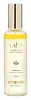
This hydrating serum is formulated around Rosa Damascena Flower Water and Niacinamide to hydrate skin and calm redness.
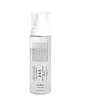
This barrier-repair toner is formulated around Panthenol and Madecassoside to strengthen the skin barrier and calm redness.

What's inside
What's inside
 Key Ingredients
Benefits
Concerns
Ingredients Side-by-side
Rosa Damascena Flower Water
Masking

Dipropylene Glycol
HumectantNeopentyl Glycol Diheptanoate
EmollientWater
Skin ConditioningGlycereth-26
Humectant
1,2-Hexanediol
Skin Conditioning
Niacinamide
Smoothing









Tuber Magnatum Extract
Skin ConditioningTocopherol
Antioxidant

Hydroxyethyl Urea
Humectant
Butylene Glycol
Humectant
Persea Gratissima Oil
Skin Conditioning


Betaine
Humectant
Glycerin
Humectant
Panthenol
Skin Conditioning
Helianthus Annuus Seed Oil
Emollient
Sorbitol
Humectant
Dipotassium Glycyrrhizate
Humectant
Disodium EDTA
Tocopheryl Acetate
Antioxidant
Adenosine
Skin Conditioning
Bifida Ferment Lysate
Skin Conditioning
Camellia Japonica Seed Oil
Emollient
Hibiscus Esculentus Fruit Extract
Skin ConditioningMacadamia Ternifolia Seed Oil
Emollient
Oenothera Biennis Oil
Emollient

Olea Europaea Fruit Oil
Masking
Glycine Soja Oil
Emollient
Arginine
Masking
Bellis Perennis Flower Extract
Skin ConditioningCarbomer
Emulsion StabilisingFreesia Refracta Extract
Skin ConditioningHouttuynia Cordata Extract
Skin Conditioning
Leontopodium Alpinum Extract
Skin ConditioningLilium Candidum Flower Extract
Skin ConditioningMorus Alba Bark Extract
Skin ConditioningNelumbo Nucifera Flower Extract
Skin ConditioningOcimum Basilicum Flower/Leaf/Stem Extract
TonicPanax Ginseng Root Extract
Emollient
Saussurea Involucrata Extract
HumectantChamomilla Recutita Flower Extract
Masking
Hibiscus Sabdariffa Flower Extract
Skin ConditioningLavandula Angustifolia Flower Extract
Cleansing

Melissa Officinalis Leaf Extract
Skin ConditioningMentha Piperita Leaf Extract
Skin ConditioningMentha Rotundifolia Leaf Extract
TonicMonarda Didyma Leaf Extract
Skin ConditioningRosa Centifolia Flower Extract
Astringent
Rosmarinus Officinalis Leaf Extract
AntimicrobialSalvia Officinalis Leaf Extract
CleansingSparassis Crispa Extract
Emulsion StabilisingSodium Palmitoyl Proline
Skin ConditioningPotassium Sorbate
Preservative
Avena Sativa Kernel Extract
Abrasive
Hippophae Rhamnoides Fruit Oil
Skin Protecting
Hydrolyzed Hyaluronic Acid
Humectant
Salvia Hispanica Seed Extract
Emollient
Centella Asiatica Extract
Cleansing
Hamamelis Virginiana Extract
Antiseborrhoeic
Portulaca Oleracea Extract
Skin Conditioning
Scutellaria Baicalensis Root Extract
Astringent
Bixa Orellana Seed Oil
Emollient
Nymphaea Alba Flower Extract
Skin ConditioningParfum
Masking
Hexyl Cinnamal
Perfuming
Limonene
Perfuming
Linalool
Perfuming
Citronellol
Perfuming
Rosa Damascena Flower Water, Dipropylene Glycol, Neopentyl Glycol Diheptanoate, Water, Glycereth-26, 1,2-Hexanediol, Niacinamide, Tuber Magnatum Extract, Tocopherol, Hydroxyethyl Urea, Butylene Glycol, Persea Gratissima Oil, Betaine, Glycerin, Panthenol, Helianthus Annuus Seed Oil, Sorbitol, Dipotassium Glycyrrhizate, Disodium EDTA, Tocopheryl Acetate, Adenosine, Bifida Ferment Lysate, Camellia Japonica Seed Oil, Hibiscus Esculentus Fruit Extract, Macadamia Ternifolia Seed Oil, Oenothera Biennis Oil, Olea Europaea Fruit Oil, Glycine Soja Oil, Arginine, Bellis Perennis Flower Extract, Carbomer, Freesia Refracta Extract, Houttuynia Cordata Extract, Leontopodium Alpinum Extract, Lilium Candidum Flower Extract, Morus Alba Bark Extract, Nelumbo Nucifera Flower Extract, Ocimum Basilicum Flower/Leaf/Stem Extract, Panax Ginseng Root Extract, Saussurea Involucrata Extract, Chamomilla Recutita Flower Extract, Hibiscus Sabdariffa Flower Extract, Lavandula Angustifolia Flower Extract, Melissa Officinalis Leaf Extract, Mentha Piperita Leaf Extract, Mentha Rotundifolia Leaf Extract, Monarda Didyma Leaf Extract, Rosa Centifolia Flower Extract, Rosmarinus Officinalis Leaf Extract, Salvia Officinalis Leaf Extract, Sparassis Crispa Extract, Sodium Palmitoyl Proline, Potassium Sorbate, Avena Sativa Kernel Extract, Hippophae Rhamnoides Fruit Oil, Hydrolyzed Hyaluronic Acid, Salvia Hispanica Seed Extract, Centella Asiatica Extract, Hamamelis Virginiana Extract, Portulaca Oleracea Extract, Scutellaria Baicalensis Root Extract, Bixa Orellana Seed Oil, Nymphaea Alba Flower Extract, Parfum, Hexyl Cinnamal, Limonene, Linalool, Citronellol
Oryza Sativa Bran Water
Masking
1,2-Hexanediol
Skin Conditioning
Triethylhexanoin
MaskingGlycerin
Humectant
Hydrogenated Poly(C6-14 Olefin)
EmollientTocopherol
Antioxidant
Water
Skin ConditioningButylene Glycol
Humectant
Methylpropanediol
SolventPentylene Glycol
Skin Conditioning
Streptococcus Thermophilus Ferment
Humectant
Pyrus Malus Juice
Skin ConditioningPanthenol
Skin Conditioning
Hydrolyzed Hyaluronic Acid
Humectant
Polyquaternium-51
Skin Conditioning
Betaine
Humectant
Trilaureth-4 Phosphate
EmulsifyingCynanchum Atratum Extract
Skin ConditioningAlthaea Rosea Flower Extract
Skin ConditioningOryza Sativa Extract
Absorbent
Sea Salt
Abrasive
Aspergillus Ferment
Skin ConditioningSodium Phytate
Citric Acid
Buffering
Madecassoside
Antioxidant
Hydroxypropyltrimonium Hyaluronate
Centella Asiatica Leaf Extract
Skin Conditioning
Houttuynia Cordata Extract
Skin Conditioning
Aloe Barbadensis Leaf Water
MaskingBifida Ferment Extract
Humectant
Hyaluronic Acid
Humectant
Silanetriol
Avena Sativa Kernel Extract
Abrasive
Lactobacillus Ferment
Skin Conditioning
Hydrolyzed Rice Protein
Skin ConditioningRice Amino Acids
Skin Conditioning
Oryza Sativa Bran Water, 1,2-Hexanediol, Triethylhexanoin, Glycerin, Hydrogenated Poly(C6-14 Olefin), Tocopherol, Water, Butylene Glycol, Methylpropanediol, Pentylene Glycol, Streptococcus Thermophilus Ferment, Pyrus Malus Juice, Panthenol, Hydrolyzed Hyaluronic Acid, Polyquaternium-51, Betaine, Trilaureth-4 Phosphate, Cynanchum Atratum Extract, Althaea Rosea Flower Extract, Oryza Sativa Extract, Sea Salt, Aspergillus Ferment, Sodium Phytate, Citric Acid, Madecassoside, Hydroxypropyltrimonium Hyaluronate, Centella Asiatica Leaf Extract, Houttuynia Cordata Extract, Aloe Barbadensis Leaf Water, Bifida Ferment Extract, Hyaluronic Acid, Silanetriol, Avena Sativa Kernel Extract, Lactobacillus Ferment, Hydrolyzed Rice Protein, Rice Amino Acids
Reviews
Ingredients Explained
These ingredients are found in both products.
Ingredients higher up in an ingredient list are typically present in a larger amount.
1,2-Hexanediol is a synthetic liquid and another multi-functional powerhouse.
It is a:
- Humectant, drawing moisture into the skin
- Emollient, helping to soften skin
- Solvent, dispersing and stabilizing formulas
- Preservative booster, enhancing the antimicrobial activity of other preservatives
Avena Sativa Kernel Extract is is derived from colloidal oatmeal. Besides being a healthy breakfast, oats have many benefits in skincare too.
This ingredient helps sooth, hydrate, and protect the skin. The starches in colloidal oatmeal are able to bind water, keeping the skin hydrated.
The cellulose and fiber in colloidal oatmeal help reduce inflammation. This can also help the skin feel softer.
Colloidal Oatmeal is also an antioxidant. Antioxidants protect our skin from free-radical damage.
Oatmeal also contains beneficial compounds:
This ingredient is created by mixing grounded oatmeal and a liquid base.
Learn more about Avena Sativa Kernel ExtractBetaine is a humectant. Like hyaluronic acid, it helps attract and retain moisture in the skin. It’s known for being gentle and for helping the skin maintain balanced hydration.
Betaine is mainly used to improve hydration and support calmer skin. It helps skin cells regulate water balance because it functions as an osmolyte.
Some studies suggest betaine may support making skin tone more even.
Fun fact: Betaine naturally exists in the skin and the body. In cosmetic products, it can be either plant-derived (most commonly from sugar beets) or synthetically produced for consistency and stability.
Betaine is also known as trimethylglycine.
Learn more about BetaineButylene Glycol (or BG) is used within cosmetic products for a few different reasons:
Overall, Butylene Glycol is a safe and well-rounded ingredient that works well with other ingredients.
Though this ingredient works well with most skin types, some people with sensitive skin may experience a reaction such as allergic rashes, closed comedones, or itchiness.
Learn more about Butylene GlycolGlycerin (or glycerol) is a compound naturally found in your skin. It's a powerhouse humectant that pulls water into the stratum corneum.
Topically, glycerin does several things at once:
Your skin makes glycerin on its own (mostly from sebaceous oil breakdown) and shuttles it to your outermost layer of skin, or your epidermis, via aquaporin-3.
Aquaporin-3 is a transporter that is essential for normal skin hydration, elasticity, and repair. Interestingly, mice lacking in AQP3 have dry and less elastic skin that can be fully corrected with glycerin.
This ingredient is non-irritating, plays well with almost every ingredient, and works across all skin types. Typical use is anywhere between 3-10% but can go up to 79% in some leave-on products.
Just know very high concentrations (>40%) can feel tacky in low humidity.
Glycerin is the name for this ingredient in American English. British English uses Glycerol/Glycerine.
Learn more about GlycerinHouttuynia Cordata Extract is more commonly known as Heart Leaf, Fish Mint, or Chameleon plant.
The components found in Heart Leaf give it antioxidant, hydrating, antimicrobial, and anti-inflammatory properties.
Heart Leaf is rich in flavonoids such as quercetin, apigenin, and more. It also contains polysaccharides, the most common type of carbs in food.
Flavonoids have been shown to be effective antioxidants. They help neutralize free-radical molecules. Free-radical molecules are unstable molecules that may damage our skin cells and DNA. The flavonoids in Heart Leaf also help soothe the skin.
Polysaccharides are naturally found in our skin. They play a role in hydrating and repairing the top layer of skin. The polysaccharides in Heart Leaf help moisturize our skin.
Studies show decanoyl acetaldehyde, a component of Heart Leaf oil, is effective at killing bacteria.
The name 'Fish Mint' comes from the herb's natural fishy smell. Is is native to southeast Asia and used throughout the continent for traditional cooking and medicine.
Learn more about Houttuynia Cordata ExtractHydrolyzed Hyaluronic Acid is hyaluronic acid (HA) that is broken down into lower molecular weight fragments.
It's a humectant that pulls and holds water in the skin to help with hydration, plumpness, and reduce transepidermal water loss.
Because hydrolyzed hyaluronic acid is smaller in size, it can slip past your outermost layer of skin more easily than full-sized HA.
Most formulations will combine all sizes to get the best of both worlds.
Typical usage levels range from 0.01-1%. Any percentage higher than 2% might become goopy and tacky.
Learn more about Hydrolyzed Hyaluronic AcidPanthenol is a common ingredient that helps hydrate and soothe the skin. It is found naturally in our skin and hair.
There are two forms of panthenol: D and L.
D-panthenol is also known as dexpanthenol. Most cosmetics use dexpanthenol or a mixture of D and L-panthenol.
Panthenol is famous due to its ability to go deeper into the skin's layers. Using this ingredient has numerous pros (and no cons):
Like hyaluronic acid, panthenol is a humectant. Humectants are able to bind and hold large amounts of water to keep skin hydrated.
This ingredient works well for wound healing. It works by increasing tissue in the wound and helps close open wounds.
Once oxidized, panthenol converts to pantothenic acid. Panthothenic acid is found in all living cells.
This ingredient is also referred to as pro-vitamin B5.
Learn more about PanthenolTocopherol is a fat-soluble antioxidant known as Vitamin E.
You'll find this ingredient in the vast majority of skincare (for good reason). It works to neutralize free radicals, or unstable molecules generated by UV exposure, pollution, and other environmental stressors, before they can cause oxidative damage to your skin cells.
Topically applied tocopherol has been shown to protect against UV damage by ramping up the skin's own natural defense enzymes.
It also acts as a skin conditioning agent; some studies show that regular topical use can improve the skin's water-binding capacity over 2-4 weeks.
This ingredient is especially loved for being a team player. When combined with Vitamin C, the photoprotective effect of both ingredients roughly doubles and the combo also helps reduce UV-induced DNA damage.
This ingredient has some brightening potential but it's more of a prevention ingredient than spot-fader. Cell studies show it can slow down melanin production but it's worth noting that it's not the most powerful brightener out there.
In formulations, it also serves as a stabilizer that helps protect other oxidation-prone ingredients from degrading.
Concentrations usually range from 0.1-1% in most leave-on products.
Learn more about TocopherolWater. It's the most common cosmetic ingredient of all. You'll usually see it at the top of ingredient lists, meaning that it makes up the largest part of the product.
So why is it so popular? Water most often acts as a solvent - this means that it helps dissolve other ingredients into the formulation.
You'll also recognize water as that liquid we all need to stay alive. If you see this, drink a glass of water. Remember to stay hydrated!
Learn more about Water

