This acne night moisturizer is formulated around Niacinamide and Salicylic Acid to clear breakouts and calm redness.
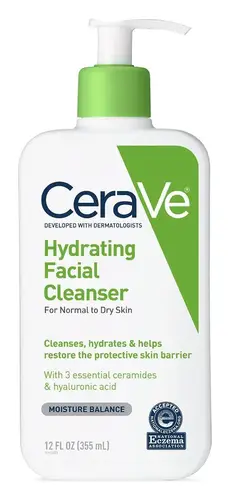
This mild foaming cleanser is mild enough to cleanse without leaving skin feeling tight or stripped.

What's inside
What's inside
 Key Ingredients
Benefits
Concerns
Ingredients Side-by-side
Water
Skin ConditioningSolanum Melongena Fruit Extract
Skin ConditioningButylene Glycol
Humectant

Dimethicone
Emollient

Glycerin
Humectant
Cetearyl Alcohol
Emollient






Cyclopentasiloxane
Emollient
Niacinamide
Smoothing









Cyclohexasiloxane
Emollient
Cetearyl Olivate
1,2-Hexanediol
Skin Conditioning
Sorbitan Olivate
Emulsifying
Beeswax
Emulsion Stabilising
Hydroxyethyl Acrylate/Sodium Acryloyldimethyl Taurate Copolymer
Emulsion StabilisingBetaine
Humectant
Betula Alba Leaf Extract
AstringentAlchemilla Vulgaris Extract
AstringentEthylhexylglycerin
Skin ConditioningAllantoin
Skin Conditioning
Caprylyl Glycol
Emollient
Glyceryl Caprylate
EmollientXanthan Gum
EmulsifyingSalicylic Acid
Masking



Adenosine
Skin Conditioning
Viscum Album Extract
Skin ConditioningCirsium Setidens Leaf Extract
Skin ConditioningUlmus Davidiana Root Extract
Skin Conditioning
Diospyros Kaki Leaf Extract
Skin Protecting
Hamamelis Virginiana Extract
Antiseborrhoeic
Aloe Barbadensis Leaf Extract
Emollient
Madecassoside
Antioxidant
Lavandula Angustifolia Oil
Masking



Pelargonium Graveolens Flower Oil
Masking
Melaleuca Alternifolia Leaf Oil
Antioxidant
Rose Flower Oil
Masking
Geraniol
Perfuming
Citronellol
Perfuming
Limonene
Perfuming
Linalool
Perfuming
Beta-Glucan
Skin Conditioning
Water, Solanum Melongena Fruit Extract, Butylene Glycol, Dimethicone, Glycerin, Cetearyl Alcohol, Cyclopentasiloxane, Niacinamide, Cyclohexasiloxane, Cetearyl Olivate, 1,2-Hexanediol, Sorbitan Olivate, Beeswax, Hydroxyethyl Acrylate/Sodium Acryloyldimethyl Taurate Copolymer, Betaine, Betula Alba Leaf Extract, Alchemilla Vulgaris Extract, Ethylhexylglycerin, Allantoin, Caprylyl Glycol, Glyceryl Caprylate, Xanthan Gum, Salicylic Acid, Adenosine, Viscum Album Extract, Cirsium Setidens Leaf Extract, Ulmus Davidiana Root Extract, Diospyros Kaki Leaf Extract, Hamamelis Virginiana Extract, Aloe Barbadensis Leaf Extract, Madecassoside, Lavandula Angustifolia Oil, Pelargonium Graveolens Flower Oil, Melaleuca Alternifolia Leaf Oil, Rose Flower Oil, Geraniol, Citronellol, Limonene, Linalool, Beta-Glucan
Water
Skin ConditioningGlycerin
Humectant
Sodium Cocoyl Isethionate
Cleansing
Lauryl Hydroxysultaine
CleansingGlycol Distearate
Emollient
Acrylates/C10-30 Alkyl Acrylate Crosspolymer
Emulsion StabilisingArginine
Masking
Sodium Methyl Cocoyl Taurate
Cleansing
Sodium Chloride
MaskingGlyceryl Caprylate
EmollientCaprylyl Glycol
Emollient
Menthyl Lactate
Masking
Polyquaternium-67
Microcrystalline Cellulose
AbsorbentSodium Phytate
ChelatingZea Mays Starch
Absorbent
Butylene Glycol
Humectant
Mannitol
Humectant
Phenethyl Alcohol
Masking1,2-Hexanediol
Skin Conditioning
Hydroxypropyl Starch Phosphate
Melia Azadirachta Leaf Extract
Skin ConditioningMelia Azadirachta Flower Extract
Skin ConditioningSodium Acetate
BufferingTriticum Vulgare Sprout Extract
Skin ConditioningHydrogenated Lecithin
Emulsifying
Coccinia Indica Fruit Extract
Skin Conditioning
Mentha Suaveolens Leaf Extract
AstringentEthylcellulose
Hydroxypropyl Methylcellulose
Emulsion StabilisingSolanum Melongena Fruit Extract
Skin ConditioningAmber Powder
Curcuma Longa Root Extract
Antioxidant
Ocimum Sanctum Leaf Extract
Skin ConditioningMoringa Oleifera Seed Oil
Emollient
Corallina Officinalis Extract
Skin Conditioning
Camellia Sinensis Seed Oil
Humectant
Macadamia Ternifolia Seed Oil
Emollient
Algin
MaskingCollagen Extract
Skin Conditioning
Vitis Vinifera Seed Oil
Emollient
Water, Glycerin, Sodium Cocoyl Isethionate, Lauryl Hydroxysultaine, Glycol Distearate, Acrylates/C10-30 Alkyl Acrylate Crosspolymer, Arginine, Sodium Methyl Cocoyl Taurate, Sodium Chloride, Glyceryl Caprylate, Caprylyl Glycol, Menthyl Lactate, Polyquaternium-67, Microcrystalline Cellulose, Sodium Phytate, Zea Mays Starch, Butylene Glycol, Mannitol, Phenethyl Alcohol, 1,2-Hexanediol, Hydroxypropyl Starch Phosphate, Melia Azadirachta Leaf Extract, Melia Azadirachta Flower Extract, Sodium Acetate, Triticum Vulgare Sprout Extract, Hydrogenated Lecithin, Coccinia Indica Fruit Extract, Mentha Suaveolens Leaf Extract, Ethylcellulose, Hydroxypropyl Methylcellulose, Solanum Melongena Fruit Extract, Amber Powder, Curcuma Longa Root Extract, Ocimum Sanctum Leaf Extract, Moringa Oleifera Seed Oil, Corallina Officinalis Extract, Camellia Sinensis Seed Oil, Macadamia Ternifolia Seed Oil, Algin, Collagen Extract, Vitis Vinifera Seed Oil
Ingredients Explained
These ingredients are found in both products.
Ingredients higher up in an ingredient list are typically present in a larger amount.
1,2-Hexanediol is a synthetic liquid and another multi-functional powerhouse.
It is a:
- Humectant, drawing moisture into the skin
- Emollient, helping to soften skin
- Solvent, dispersing and stabilizing formulas
- Preservative booster, enhancing the antimicrobial activity of other preservatives
Butylene Glycol (or BG) is used within cosmetic products for a few different reasons:
Overall, Butylene Glycol is a safe and well-rounded ingredient that works well with other ingredients.
Though this ingredient works well with most skin types, some people with sensitive skin may experience a reaction such as allergic rashes, closed comedones, or itchiness.
Learn more about Butylene GlycolCaprylyl Glycol is a humectant, skin conditioner, emollient, and preservative booster derived from either caprylic acid or synthetically created.
Typical use levels vary from 0.3-1% as a preservative booster and go up to 2% to condition skin.
Because it is not a free-fatty acid, this ingredient is fungal acne safe (there's nothing for Malassezia to feed on).
Learn more about Caprylyl GlycolGlycerin (or glycerol) is a compound naturally found in your skin. It's a powerhouse humectant that pulls water into the stratum corneum.
Topically, glycerin does several things at once:
Your skin makes glycerin on its own (mostly from sebaceous oil breakdown) and shuttles it to your outermost layer of skin, or your epidermis, via aquaporin-3.
Aquaporin-3 is a transporter that is essential for normal skin hydration, elasticity, and repair. Interestingly, mice lacking in AQP3 have dry and less elastic skin that can be fully corrected with glycerin.
This ingredient is non-irritating, plays well with almost every ingredient, and works across all skin types. Typical use is anywhere between 3-10% but can go up to 79% in some leave-on products.
Just know very high concentrations (>40%) can feel tacky in low humidity.
Glycerin is the name for this ingredient in American English. British English uses Glycerol/Glycerine.
Learn more about GlycerinGlyceryl Caprylate comes from glycerin and caprylic acid. It is an emollient, co-emulsifier, and preservative booster.
Its short C8 fatty acid chain makes it behave differently from its longer-chain emollient cousins like Glyceryl Stearate. It feels more lightweight, fast-absorbing, and silky instead of rich and waxy.
As a co-emulsifier, its "head" and "tail" sit at the oil-water interface. But overall, the short C8 tail and not being water soluble means it doesn't really have the muscle to emulsify a formula on its own. That's why you'll often see it paired with a primary emulsifier like Cetearyl Glucoside.
Interestingly, Glyceryl Caprylate acts as a preservative booster. This is because its fatty-acid backbone disrupts microbial lipid membranes. It shows excellent activity against bacteria and yeast but is weaker against mold.
Typical concentrations range from 0.5-1% and this ingredient is generally non-irritating.
Because this ingredient has a C8 fatty acid chain, it is outside the range that the Malassezia yeast metabolizes (making it fungal acne safe).
Learn more about Glyceryl CaprylateThis ingredient comes from eggplant (or aubergine). It has skin conditioning properties due to its abundance of antioxidants like Chlorogenic Acid, Caffeic Acid, and Nasunin.
Nasunin is the pigment concentrated in the purple peel and has demonstrated the abilityu to neutralize free radicals and bind excess iron in lab studies.
Lab studies have shown that eggplant extracts can lower oxidative stress and protect skin cell membranes from damage. A 2025 study found that specific compounds in eggplant (particularly a phenolamide called N-Trans-Feruloylputrescine) may support skin health by neutralizing 2-nonenal, a byproduct linked to aging skin.
Overall, this is a gentle, well-tolerated ingredient that adds a little extra antioxidant support to your routine.
Those with nighshade vegetable allergies (tomatoes, peppers, potatoes) should patch test as eggplant is part of the same family.
Learn more about Solanum Melongena Fruit ExtractWater. It's the most common cosmetic ingredient of all. You'll usually see it at the top of ingredient lists, meaning that it makes up the largest part of the product.
So why is it so popular? Water most often acts as a solvent - this means that it helps dissolve other ingredients into the formulation.
You'll also recognize water as that liquid we all need to stay alive. If you see this, drink a glass of water. Remember to stay hydrated!
Learn more about Water