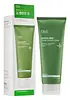
This mild foaming cleanser is mild enough to cleanse without leaving skin feeling tight or stripped.
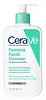
This mild gel cleanser is made to cleanse while respecting your skin barrier.


What's inside
What's inside
 Key Ingredients
Benefits
Concerns
Ingredients Side-by-side
Water
Skin ConditioningGlycerin
Humectant


Sodium Cocoyl Isethionate
Cleansing
Lauryl Hydroxysultaine
CleansingGlycol Distearate
Emollient

Acrylates/C10-30 Alkyl Acrylate Crosspolymer
Emulsion StabilisingArginine
Masking
Sodium Methyl Cocoyl Taurate
Cleansing
Sodium Chloride
MaskingGlyceryl Caprylate
EmollientCaprylyl Glycol
Emollient
Menthyl Lactate
Masking
Polyquaternium-67
Microcrystalline Cellulose
AbsorbentSodium Phytate
ChelatingZea Mays Starch
Absorbent
Butylene Glycol
Humectant
Mannitol
Humectant
Phenethyl Alcohol
Masking1,2-Hexanediol
Skin Conditioning
Hydroxypropyl Starch Phosphate
Melia Azadirachta Leaf Extract
Skin ConditioningMelia Azadirachta Flower Extract
Skin ConditioningSodium Acetate
BufferingTriticum Vulgare Sprout Extract
Skin ConditioningHydrogenated Lecithin
Emulsifying
Coccinia Indica Fruit Extract
Skin Conditioning

Mentha Suaveolens Leaf Extract
AstringentEthylcellulose
Hydroxypropyl Methylcellulose
Emulsion StabilisingSolanum Melongena Fruit Extract
Skin ConditioningAmber Powder
Curcuma Longa Root Extract
Antioxidant

Ocimum Sanctum Leaf Extract
Skin ConditioningMoringa Oleifera Seed Oil
Emollient


Corallina Officinalis Extract
Skin Conditioning
Camellia Sinensis Seed Oil
Humectant
Macadamia Ternifolia Seed Oil
Emollient
Algin
MaskingCollagen Extract
Skin Conditioning
Vitis Vinifera Seed Oil
Emollient
Water, Glycerin, Sodium Cocoyl Isethionate, Lauryl Hydroxysultaine, Glycol Distearate, Acrylates/C10-30 Alkyl Acrylate Crosspolymer, Arginine, Sodium Methyl Cocoyl Taurate, Sodium Chloride, Glyceryl Caprylate, Caprylyl Glycol, Menthyl Lactate, Polyquaternium-67, Microcrystalline Cellulose, Sodium Phytate, Zea Mays Starch, Butylene Glycol, Mannitol, Phenethyl Alcohol, 1,2-Hexanediol, Hydroxypropyl Starch Phosphate, Melia Azadirachta Leaf Extract, Melia Azadirachta Flower Extract, Sodium Acetate, Triticum Vulgare Sprout Extract, Hydrogenated Lecithin, Coccinia Indica Fruit Extract, Mentha Suaveolens Leaf Extract, Ethylcellulose, Hydroxypropyl Methylcellulose, Solanum Melongena Fruit Extract, Amber Powder, Curcuma Longa Root Extract, Ocimum Sanctum Leaf Extract, Moringa Oleifera Seed Oil, Corallina Officinalis Extract, Camellia Sinensis Seed Oil, Macadamia Ternifolia Seed Oil, Algin, Collagen Extract, Vitis Vinifera Seed Oil
Water
Skin ConditioningCocamidopropyl Hydroxysultaine
Cleansing
Glycerin
Humectant
Sodium Lauroyl Sarcosinate
CleansingPEG-150 Pentaerythrityl Tetrastearate
Emulsifying
Niacinamide
Smoothing





PEG-6 Caprylic/Capric Glycerides
EmulsifyingSodium Methyl Cocoyl Taurate
Cleansing
Propylene Glycol
Humectant
Ceramide NP
Skin Conditioning
Ceramide AP
Skin Conditioning
Ceramide EOP
Skin Conditioning
Carbomer
Emulsion StabilisingMethylparaben
Preservative


Sodium Chloride
MaskingSodium Lauroyl Lactylate
EmulsifyingCholesterol
Emollient
Disodium EDTA
ChelatingPropylparaben
Preservative
Citric Acid
Buffering
Tetrasodium EDTA
ChelatingHydrolyzed Hyaluronic Acid
Humectant
Phytosphingosine
Skin Conditioning
Xanthan Gum
EmulsifyingWater, Cocamidopropyl Hydroxysultaine, Glycerin, Sodium Lauroyl Sarcosinate, PEG-150 Pentaerythrityl Tetrastearate, Niacinamide, PEG-6 Caprylic/Capric Glycerides, Sodium Methyl Cocoyl Taurate, Propylene Glycol, Ceramide NP, Ceramide AP, Ceramide EOP, Carbomer, Methylparaben, Sodium Chloride, Sodium Lauroyl Lactylate, Cholesterol, Disodium EDTA, Propylparaben, Citric Acid, Tetrasodium EDTA, Hydrolyzed Hyaluronic Acid, Phytosphingosine, Xanthan Gum
Reviews
Ingredients Explained
These ingredients are found in both products.
Ingredients higher up in an ingredient list are typically present in a larger amount.
Glycerin (or glycerol) is a compound naturally found in your skin. It's a powerhouse humectant that pulls water into the stratum corneum.
Topically, glycerin does several things at once:
Your skin makes glycerin on its own (mostly from sebaceous oil breakdown) and shuttles it to your outermost layer of skin, or your epidermis, via aquaporin-3.
Aquaporin-3 is a transporter that is essential for normal skin hydration, elasticity, and repair. Interestingly, mice lacking in AQP3 have dry and less elastic skin that can be fully corrected with glycerin.
This ingredient is non-irritating, plays well with almost every ingredient, and works across all skin types. Typical use is anywhere between 3-10% but can go up to 79% in some leave-on products.
Just know very high concentrations (>40%) can feel tacky in low humidity.
Glycerin is the name for this ingredient in American English. British English uses Glycerol/Glycerine.
Learn more about GlycerinChances are, you eat sodium chloride every day. Sodium Chloride is also known as table salt. This ingredient has many purposes in skincare: thickener, emulsifier, and exfoliator.
You'll most likely find this ingredient in cleansers where it is used to create a gel-like texture. As an emulsifier, it also prevents ingredients from separating.
You might see people debate whether Sodium Chloride is comedogenic, but there actually haven't been any comedogenic tests done on it. Either way, the overall formulation of a product matters a lot more than any single ingredient.
You might see this ingredient used in scrubs as a primary exfoliating ingredient.
Learn more about Sodium ChlorideSodium Methyl Cocoyl Taurate is a gentle, coconut-derived cleansing surfactant. It's most commonly found in "sulfate-free" cleansers.
As a taurate, it belongs to a class of anionic surfactants prized for being efficient at cleansing without harshness, good performance in hard water, stability across a wide pH range, and easily biodegradable.
It is able to lift away oil and grime and make a nice lather without stripping your skin, so it's a good pick for sensitive skin.
Safety-wise, it has a good record. The CIR Expert Panel has concluded this ingredient to be safe in cosmetics and concentrations go up to 11% in leave-on products or 13% in rinse-off products.
Despite being derived from coconut oil, this ingredient is fungal acne safe. It's a water-soluble surfactant with no fatty oils or esters left intact on skin for the Malassezia yeast to feed.
Learn more about Sodium Methyl Cocoyl TaurateWater. It's the most common cosmetic ingredient of all. You'll usually see it at the top of ingredient lists, meaning that it makes up the largest part of the product.
So why is it so popular? Water most often acts as a solvent - this means that it helps dissolve other ingredients into the formulation.
You'll also recognize water as that liquid we all need to stay alive. If you see this, drink a glass of water. Remember to stay hydrated!
Learn more about Water

