
What's inside
What's inside
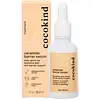 Key Ingredients
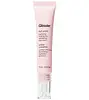
Benefits
Concerns
Ingredients Side-by-side
Aloe Barbadensis Leaf Juice
Skin Conditioning


Water
Skin ConditioningPropanediol
Solvent
Squalane
Emollient
Glycerin
Humectant

Sodium Citrate
BufferingBeta-Glucan
Skin Conditioning
Lysolecithin
EmulsifyingSclerotium Gum
Emulsion StabilisingPullulan
Xanthan Gum
EmulsifyingCeramide NP
Skin Conditioning
Ceramide Ns
Skin Conditioning
Ceramide AP
Skin Conditioning
Ceramide Eos
Skin Conditioning
Ceramide EOP
Skin Conditioning
Musa Sapientum Leaf Extract
Skin ConditioningTocopherol
Antioxidant

Calcium Gluconate
HumectantCetyl Alcohol
Emollient

Caprylyl Glycol
Emollient
Ceteareth-25
CleansingArginine
Masking
Silica
Abrasive


Caprooyl Phytosphingosine
Skin Conditioning
Caprooyl Sphingosine
Skin ConditioningCholesterol
Emollient
Gluconolactone
Skin Conditioning


Lactic Acid
Buffering


Helianthus Annuus Seed Oil
Emollient
Sodium Benzoate
Masking
Behenic Acid
Cleansing
Aloe Barbadensis Leaf Juice, Water, Propanediol, Squalane, Glycerin, Sodium Citrate, Beta-Glucan, Lysolecithin, Sclerotium Gum, Pullulan, Xanthan Gum, Ceramide NP, Ceramide Ns, Ceramide AP, Ceramide Eos, Ceramide EOP, Musa Sapientum Leaf Extract, Tocopherol, Calcium Gluconate, Cetyl Alcohol, Caprylyl Glycol, Ceteareth-25, Arginine, Silica, Caprooyl Phytosphingosine, Caprooyl Sphingosine, Cholesterol, Gluconolactone, Lactic Acid, Helianthus Annuus Seed Oil, Sodium Benzoate, Behenic Acid
Water
Skin ConditioningGlycerin
Humectant
Niacinamide
Smoothing

Pentaerythrityl Tetraisostearate
Emollient
C13-15 Alkane
SolventPropanediol
Solvent
Sorbitan Olivate
Emulsifying
Cetearyl Olivate
Butyrospermum Parkii Butter
Skin Conditioning

C15-19 Alkane
SolventPentylene Glycol
Skin ConditioningSodium Hyaluronate
Humectant
Panthenol
Skin Conditioning
Biotin
AntiseborrhoeicJasminum Sambac Flower Extract
Masking
Crataegus Monogyna Flower Extract
Skin ConditioningCarthamus Tinctorius Oleosomes
Emollient
Plankton Extract
Skin ConditioningSodium Polyglutamate
HumectantHydroxyacetophenone
Antioxidant
Maltodextrin
Absorbent
Cetyl Palmitate
Emollient
Gluconolactone
Skin Conditioning
Glyceryl Stearate
Emollient
Glyceryl Undecylenate
Emollient
Glyceryl Laurate
Emollient
Ethylhexylglycerin
Skin ConditioningIsohexadecane
EmollientXanthan Gum
EmulsifyingSclerotium Gum
Emulsion StabilisingHydroxyethyl Acrylate/Sodium Acryloyldimethyl Taurate Copolymer
Emulsion StabilisingCetearyl Alcohol
Emollient
Tetrasodium Glutamate Diacetate
Sorbitan Palmitate
Emulsifying
Sorbitan Isostearate
Emulsifying
Polysorbate 60
Emulsifying
Citric Acid
Buffering
Sodium Hydroxide
BufferingSodium Benzoate
Masking
1,2-Hexanediol
Skin Conditioning
Caprylyl Glycol
Emollient
Water, Glycerin, Niacinamide, Pentaerythrityl Tetraisostearate, C13-15 Alkane, Propanediol, Sorbitan Olivate, Cetearyl Olivate, Butyrospermum Parkii Butter, C15-19 Alkane, Pentylene Glycol, Sodium Hyaluronate, Panthenol, Biotin, Jasminum Sambac Flower Extract, Crataegus Monogyna Flower Extract, Carthamus Tinctorius Oleosomes, Plankton Extract, Sodium Polyglutamate, Hydroxyacetophenone, Maltodextrin, Cetyl Palmitate, Gluconolactone, Glyceryl Stearate, Glyceryl Undecylenate, Glyceryl Laurate, Ethylhexylglycerin, Isohexadecane, Xanthan Gum, Sclerotium Gum, Hydroxyethyl Acrylate/Sodium Acryloyldimethyl Taurate Copolymer, Cetearyl Alcohol, Tetrasodium Glutamate Diacetate, Sorbitan Palmitate, Sorbitan Isostearate, Polysorbate 60, Citric Acid, Sodium Hydroxide, Sodium Benzoate, 1,2-Hexanediol, Caprylyl Glycol
Reviews
Ingredients Explained
These ingredients are found in both products.
Ingredients higher up in an ingredient list are typically present in a larger amount.
Caprylyl Glycol is a humectant and emollient, meaning it attracts and preserves moisture.
It is a common ingredient in many products, especially those designed to hydrate skin. The primary benefits are retaining moisture, skin softening, and promoting a healthy skin barrier.
Though Caprylyl Glycol is an alcohol derived from fatty acids, it is not the kind that can dry out skin.
This ingredient is also used as a preservative to extend the life of products. It has slight antimicrobial properties.
Learn more about Caprylyl GlycolGluconolactone is a PHA. PHAs are a great gentle alternative to traditional AHAs.
When applied, Gluconolactone has the same affect on skin as AHAs such as lactic acid. It helps dissolve the dead skin cells in the top layer of your skin. This improves texture and brightens the skin.
PHAs are more gentle than AHAs due to their larger structure. They do not penetrate as deeply as AHAs and take a longer time to dissolve dead cells. Studies show PHAs do not cause as much irritation.
Gluconolactone has some interesting properties:
In a 2004 study, Gluconolactone was found to prevent UV damage in mouse skin cells and has not been found to increase sun sensitivity. However, we still recommend wearing SPF daily.
This ingredient is is an created by reacting gluconic acid with an alcohol.
Learn more about GluconolactoneGlycerin is already naturally found in your skin. It helps moisturize and protect your skin.
A study from 2016 found glycerin to be more effective as a humectant than AHAs and hyaluronic acid.
As a humectant, it helps the skin stay hydrated by pulling moisture to your skin. The low molecular weight of glycerin allows it to pull moisture into the deeper layers of your skin.
Hydrated skin improves your skin barrier; Your skin barrier helps protect against irritants and bacteria.
Glycerin has also been found to have antimicrobial and antiviral properties. Due to these properties, glycerin is often used in wound and burn treatments.
In cosmetics, glycerin is usually derived from plants such as soybean or palm. However, it can also be sourced from animals, such as tallow or animal fat.
This ingredient is organic, colorless, odorless, and non-toxic.
Glycerin is the name for this ingredient in American English. British English uses Glycerol/Glycerine.
Learn more about GlycerinPropanediol is an all-star ingredient. It softens, hydrates, and smooths the skin.
It’s often used to:
Propanediol is not likely to cause sensitivity and considered safe to use. It is derived from corn or petroleum with a clear color and no scent.
Learn more about PropanediolSclerotium Gum is a polysaccharide gum made by the fungus, Sclerotium rolfssii. It is similar to xanthan gum.
In cosmetics, Sclerotium Gum is used to thicken the texture and to help stabilize other ingredients.
As an emulsifier, Sclerotium Gum helps prevent ingredients from separating, such as water and oil.
Learn more about Sclerotium GumSodium Benzoate is a preservative. It's used in both cosmetic and food products to inhibit the growth of mold and bacteria. It is typically produced synthetically.
Both the US FDA and EU Health Committee have approved the use of sodium benzoate. In the US, levels of 0.1% (of the total product) are allowed.
Sodium benzoate works as a preservative by inhibiting the growth of bacteria inside of cells. It prevents the cell from fermenting a type of sugar using an enzyme called phosphofructokinase.
It is the salt of benzoic acid. Foods containing sodium benzoate include soda, salad dressings, condiments, fruit juices, wines, and snack foods.
Studies for using ascorbic acid and sodium benzoate in cosmetics are lacking, especially in skincare routines with multiple steps.
We always recommend speaking with a professional, such as a dermatologist, if you have any concerns.
Learn more about Sodium BenzoateWater. It's the most common cosmetic ingredient of all. You'll usually see it at the top of ingredient lists, meaning that it makes up the largest part of the product.
So why is it so popular? Water most often acts as a solvent - this means that it helps dissolve other ingredients into the formulation.
You'll also recognize water as that liquid we all need to stay alive. If you see this, drink a glass of water. Stay hydrated!
Learn more about WaterXanthan gum is used as a stabilizer and thickener within cosmetic products. It helps give products a sticky, thick feeling - preventing them from being too runny.
On the technical side of things, xanthan gum is a polysaccharide - a combination consisting of multiple sugar molecules bonded together.
Xanthan gum is a pretty common and great ingredient. It is a natural, non-toxic, non-irritating ingredient that is also commonly used in food products.
Learn more about Xanthan Gum
