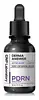
This barrier-repair ampoule is formulated around Niacinamide and Sodium DNA to strengthen the skin barrier and soften the look of wrinkles.
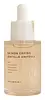
This barrier-repair ampoule is formulated around Centella Asiatica Leaf Water and Sodium DNA to strengthen the skin barrier and calm redness.

What's inside
What's inside
 Key Ingredients
Benefits
Concerns
No concerns
Ingredients Side-by-side
Water
Skin ConditioningGlycerin
Humectant


Dipropylene Glycol
HumectantPEG/PPG/Polybutylene Glycol-8/5/3 Glycerin
HumectantNiacinamide
Smoothing









Bis-PEG-18 Methyl Ether Dimethyl Silane
EmollientButylene Glycol
Humectant
1,2-Hexanediol
Skin Conditioning
PEG-7 Glyceryl Cocoate
Emulsifying




Dimethicone
Emollient
Betaine
Humectant
Jojoba Wax PEG-120 Esters
Surfactant
Methylpropanediol
SolventPanthenol
Skin Conditioning
PEG/PPG-17/6 Copolymer
SolventSodium DNA
Skin Conditioning
Lactobacillus Ferment Lysate
Skin Conditioning
Polymethylsilsesquioxane
Triethylhexanoin
MaskingSodium Acrylate/Vinyl Alcohol Copolymer
Emulsion StabilisingHydrogenated Lecithin
Emulsifying
Sodium Polyacrylate
Absorbent
Lactobacillus/Soybean Ferment Extract
Skin ConditioningChondrus Crispus Extract
Skin Conditioning
Ceramide NP
Skin Conditioning
Acrylates/C10-30 Alkyl Acrylate Crosspolymer
Emulsion StabilisingC14-22 Alcohols
Emulsion Stabilising
Squalane
Emollient
Tromethamine
BufferingSaccharomyces/Potato Extract Ferment Filtrate
Humectant
Sodium Acrylic Acid/Ma Copolymer
Saccharomyces/Barley Seed Ferment Filtrate
HumectantSucrose Stearate
EmollientRosmarinus Officinalis Leaf Oil
Masking
C18-21 Alkane
SolventMacadamia Ternifolia Seed Oil
Emollient
Polyglyceryl-10 Stearate
Skin Conditioning
Stearic Acid
Cleansing
Polyglyceryl-10 Oleate
Skin Conditioning
Glyceryl Acrylate/Acrylic Acid Copolymer
HumectantAdenosine
Skin Conditioning
Arachidyl Glucoside
EmulsifyingButyrospermum Parkii Butter
Skin Conditioning
Tocopherol
Antioxidant

Palmitic Acid
Emollient
Salvia Sclarea Oil
Masking
Sodium Hyaluronate
Humectant
Trisodium EDTA
ChelatingGlycine Soja Oil
Emollient
Trideceth-6
EmulsifyingCholesterol
Emollient
Glyceryl Stearate
Emollient
Troxerutin
Skin Conditioning
Beta-Glucan
Skin Conditioning
Carbomer
Emulsion StabilisingPEG-100 Stearate
Surfactant
Arginine
Masking
Glutamic Acid
Humectant
Juniperus Mexicana Oil
Masking
Glycosphingolipids
EmollientLinalool
Perfuming


Limonene
Perfuming
Water, Glycerin, Dipropylene Glycol, PEG/PPG/Polybutylene Glycol-8/5/3 Glycerin, Niacinamide, Bis-PEG-18 Methyl Ether Dimethyl Silane, Butylene Glycol, 1,2-Hexanediol, PEG-7 Glyceryl Cocoate, Dimethicone, Betaine, Jojoba Wax PEG-120 Esters, Methylpropanediol, Panthenol, PEG/PPG-17/6 Copolymer, Sodium DNA, Lactobacillus Ferment Lysate, Polymethylsilsesquioxane, Triethylhexanoin, Sodium Acrylate/Vinyl Alcohol Copolymer, Hydrogenated Lecithin, Sodium Polyacrylate, Lactobacillus/Soybean Ferment Extract, Chondrus Crispus Extract, Ceramide NP, Acrylates/C10-30 Alkyl Acrylate Crosspolymer, C14-22 Alcohols, Squalane, Tromethamine, Saccharomyces/Potato Extract Ferment Filtrate, Sodium Acrylic Acid/Ma Copolymer, Saccharomyces/Barley Seed Ferment Filtrate, Sucrose Stearate, Rosmarinus Officinalis Leaf Oil, C18-21 Alkane, Macadamia Ternifolia Seed Oil, Polyglyceryl-10 Stearate, Stearic Acid, Polyglyceryl-10 Oleate, Glyceryl Acrylate/Acrylic Acid Copolymer, Adenosine, Arachidyl Glucoside, Butyrospermum Parkii Butter, Tocopherol, Palmitic Acid, Salvia Sclarea Oil, Sodium Hyaluronate, Trisodium EDTA, Glycine Soja Oil, Trideceth-6, Cholesterol, Glyceryl Stearate, Troxerutin, Beta-Glucan, Carbomer, PEG-100 Stearate, Arginine, Glutamic Acid, Juniperus Mexicana Oil, Glycosphingolipids, Linalool, Limonene
Centella Asiatica Leaf Water
Skin Conditioning
Butylene Glycol
Humectant
Water
Skin ConditioningPropanediol
Solvent
1,2-Hexanediol
Skin Conditioning
Glycerin
Humectant
Sodium DNA
Skin Conditioning
Salmon Egg Extract
Madecassoside
Antioxidant
Portulaca Oleracea Water
Skin ConditioningPersea Gratissima Fruit Extract
EmollientMaltodextrin
Absorbent
Hyaluronic Acid
Humectant
Hydrolyzed Hyaluronic Acid
Humectant
Theobroma Cacao Extract
Skin ConditioningChenopodium Quinoa Seed Extract
Skin Conditioning
Hydrolyzed Wheat Protein
Skin ConditioningBetaine
Humectant
Dextrin
AbsorbentSodium Hyaluronate
Humectant
Carbomer
Emulsion StabilisingEthylhexylglycerin
Skin ConditioningAmmonium Acryloyldimethyltaurate/Vp Copolymer
Tromethamine
BufferingDisodium EDTA
ChelatingCentella Asiatica Leaf Water, Butylene Glycol, Water, Propanediol, 1,2-Hexanediol, Glycerin, Sodium DNA, Salmon Egg Extract, Madecassoside, Portulaca Oleracea Water, Persea Gratissima Fruit Extract, Maltodextrin, Hyaluronic Acid, Hydrolyzed Hyaluronic Acid, Theobroma Cacao Extract, Chenopodium Quinoa Seed Extract, Hydrolyzed Wheat Protein, Betaine, Dextrin, Sodium Hyaluronate, Carbomer, Ethylhexylglycerin, Ammonium Acryloyldimethyltaurate/Vp Copolymer, Tromethamine, Disodium EDTA
Reviews
Ingredients Explained
These ingredients are found in both products.
Ingredients higher up in an ingredient list are typically present in a larger amount.
1,2-Hexanediol is a synthetic liquid and another multi-functional powerhouse.
It is a:
- Humectant, drawing moisture into the skin
- Emollient, helping to soften skin
- Solvent, dispersing and stabilizing formulas
- Preservative booster, enhancing the antimicrobial activity of other preservatives
Betaine is a humectant. Like hyaluronic acid, it helps attract and retain moisture in the skin. It’s known for being gentle and for helping the skin maintain balanced hydration.
Betaine is mainly used to improve hydration and support calmer skin. It helps skin cells regulate water balance because it functions as an osmolyte.
Some studies suggest betaine may support making skin tone more even.
Fun fact: Betaine naturally exists in the skin and the body. In cosmetic products, it can be either plant-derived (most commonly from sugar beets) or synthetically produced for consistency and stability.
Betaine is also known as trimethylglycine.
Learn more about BetaineButylene Glycol (or BG) is used within cosmetic products for a few different reasons:
Overall, Butylene Glycol is a safe and well-rounded ingredient that works well with other ingredients.
Though this ingredient works well with most skin types, some people with sensitive skin may experience a reaction such as allergic rashes, closed comedones, or itchiness.
Learn more about Butylene GlycolCarbomer is a synthetic thickening and gelling agent. It's basically the ingredient that gives a lot of serums, gels, creams, and sunscreens their smooth, non-sticky texture.
Although legally permitted at very high levels, carbomers are normally used at concentrations below 1%.
It also needs to be neutralized to actually thicken, and because it is a large molecule, it doesn't really penetrate the skin barrier.
Allergy-wise, the risk is very low. Clinical studies show carbomers have low potential for skin irritation/sensitization even at concentrations up to 100%.
A 2024 UK study patch-tested 1,302 patients and found true allergy to the parent group of carbomer to be rare with no confirmed relevant reactions.
Learn more about CarbomerGlycerin (or glycerol) is a compound naturally found in your skin. It's a powerhouse humectant that pulls water into the stratum corneum.
Topically, glycerin does several things at once:
Your skin makes glycerin on its own (mostly from sebaceous oil breakdown) and shuttles it to your outermost layer of skin, or your epidermis, via aquaporin-3.
Aquaporin-3 is a transporter that is essential for normal skin hydration, elasticity, and repair. Interestingly, mice lacking in AQP3 have dry and less elastic skin that can be fully corrected with glycerin.
This ingredient is non-irritating, plays well with almost every ingredient, and works across all skin types. Typical use is anywhere between 3-10% but can go up to 79% in some leave-on products.
Just know very high concentrations (>40%) can feel tacky in low humidity.
Glycerin is the name for this ingredient in American English. British English uses Glycerol/Glycerine.
Learn more about GlycerinSodium DNA is an emerging anti-aging ingredient.
It is created by taking deoxyribonucleic acid (DNA) and purifying it with sodium hydroxide.
The DNA is extracted from several different animal sources, including: calf thymus, the gonadic tissue of a male sturgeon, or herring / salmon sperm.
You have probably seen this ingredient in anti-aging skincare. But what is it?
DNA is composed of nucleotides, or chemical building blocks. Nucleotides include adenine (A), thymine (T), guanine (G), and cytosine (C). Talk about a flashback to biology! Nucleosides are formed from these nucleotides.
The science behind Sodium DNA is based on an ingredient called Polydeoxyribonucleotide or PDRN.
PDRN are DNA fragments mainly extracted from the sperm cells of trout or salmon. Meaning, PDRN can be derived from Sodium DNA.
PDRN consists of chains of nucleotides and nucleosides mentioned above. They can range anywhere from 80 - 2000 pairs.
Studies show PDRN has the following properties:
Most of the research on PDRN has been done using injectable forms. That’s important, because PDRN is a large molecule and doesn’t absorb well through the skin. So if you’re applying it topically, the effects are likely to be much milder.
Still, topical Sodium DNA is emerging as a trendy anti-aging ingredient. It’s generally well-tolerated and offers good biocompatibility with human skin, making it a low-risk addition to most routines.
Further studies are needed to truly confirm this ingredients anti-aging ability (Remember, retinol has decades of research!).
Sodium DNA may be sourced from fish, animal tissue, or plants. Since this isn’t always disclosed, we recommend asking the brand directly if the ingredient’s origin is important to you.
Learn more about Sodium DNASodium Hyaluronate is the salt form of hyaluronic acid. It is a long sugar chain that is naturally found in your skin, joints, and connective tissue that maintains hydration and elasticity.
In skincare, it works as a humectant. It pulls water from the environment and deeper layers of skin and binds it to the surface.
Interestingly, the size of the molecule affects its behavior:
Some clinical evidence links low molecular weight versions to improved wrinkle depth, elasticity, anti-inflammatory effects, and barrier repair.
Many serums use a blend of both weights so you can get surface hydration plus longer-lasting and deeper effects.
You'll typically see concentrations between 0.1-2% for this ingredient.
Learn more about Sodium HyaluronateTromethamine (aka THAM) is a synthetic amino acid that shows up in skincare as a helper ingredient.
It functions as a pH adjuster to help neutralize acidic ingredients and set a formula's pH to the right spot.
This matters a lot because a lot of actives (like vitamin C) needs a specific pH to work well and feel comfortable on skin.
Concentration use ranges from 0.1-1.0% depending on the formula.
Learn more about TromethamineWater. It's the most common cosmetic ingredient of all. You'll usually see it at the top of ingredient lists, meaning that it makes up the largest part of the product.
So why is it so popular? Water most often acts as a solvent - this means that it helps dissolve other ingredients into the formulation.
You'll also recognize water as that liquid we all need to stay alive. If you see this, drink a glass of water. Remember to stay hydrated!
Learn more about Water

