
What's inside
What's inside
 Key Ingredients
Benefits
Concerns
Ingredients Side-by-side
Water
Skin ConditioningTitanium Dioxide
Cosmetic Colorant

Cyclopentasiloxane
Emollient
Methyl Trimethicone
Skin Conditioning
Glycerin
Humectant


Butylene Glycol
Humectant
Dimethicone
Emollient
Isododecane
EmollientLauryl PEG-8 Dimethicone
Surfactant
PEG-10 Dimethicone
Skin Conditioning
Phenyl Trimethicone
Skin Conditioning
Caprylic/Capric Triglyceride
Masking
Polyglyceryl-4 Isostearate
Emulsifying

Diphenylsiloxy Phenyl Trimethicone
Skin Conditioning
Sodium Chloride
MaskingCI 77491
Cosmetic ColorantDimethicone/Vinyl Dimethicone Crosspolymer
Skin Conditioning
Propanediol
Solvent
Silica
Abrasive


Aluminum Hydroxide
EmollientTriethoxycaprylylsilane
Disteardimonium Hectorite
StabilisingGlyceryl Caprylate
EmollientPolymethylsilsesquioxane
Disodium Stearoyl Glutamate
CleansingPolyhydroxystearic Acid
Emulsifying
Ethylhexylglycerin
Skin ConditioningParfum
Masking



Trisodium Ethylenediamine Disuccinate
ChelatingIsostearic Acid
Cleansing
Hydrogenated Rice Bran Oil
Skin Conditioning
Lecithin
Emollient
Polyglyceryl-3 Polyricinoleate
Emulsifying
Octyldodecanol
Emollient
Polyglyceryl-10 Stearate
Skin Conditioning
1,2-Hexanediol
Skin Conditioning
Hydrogenated Lecithin
Emulsifying
Lauroyl Lysine
Skin Conditioning
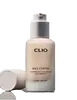
Water, Titanium Dioxide, Cyclopentasiloxane, Methyl Trimethicone, Glycerin, Butylene Glycol, Dimethicone, Isododecane, Lauryl PEG-8 Dimethicone, PEG-10 Dimethicone, Phenyl Trimethicone, Caprylic/Capric Triglyceride, Polyglyceryl-4 Isostearate, Diphenylsiloxy Phenyl Trimethicone, Sodium Chloride, CI 77491, Dimethicone/Vinyl Dimethicone Crosspolymer, Propanediol, Silica, Aluminum Hydroxide, Triethoxycaprylylsilane, Disteardimonium Hectorite, Glyceryl Caprylate, Polymethylsilsesquioxane, Disodium Stearoyl Glutamate, Polyhydroxystearic Acid, Ethylhexylglycerin, Parfum, Trisodium Ethylenediamine Disuccinate, Isostearic Acid, Hydrogenated Rice Bran Oil, Lecithin, Polyglyceryl-3 Polyricinoleate, Octyldodecanol, Polyglyceryl-10 Stearate, 1,2-Hexanediol, Hydrogenated Lecithin, Lauroyl Lysine
Water
Skin ConditioningCI 77891
Cosmetic ColorantCyclopentasiloxane
Emollient
Butylene Glycol
Humectant
Alcohol Denat.
Antimicrobial

Triethylhexanoin
MaskingLauryl PEG-9 Polydimethylsiloxyethyl Dimethicone
Skin Conditioning
Isododecane
EmollientDimethicone
Emollient
Silica
Abrasive
Butyloctyl Salicylate
Skin Conditioning
Caprylic/Capric Triglyceride
Masking
Glycerin
Humectant
Niacinamide
Smoothing







Pentylene Glycol
Skin Conditioning
Acrylates/Dimethicone Copolymer
Skin Conditioning
Prunus Domestica Seed Extract
EmollientHelianthus Annuus Seed Oil
Emollient
Lupinus Albus Seed Extract
Skin ConditioningCaprylyl Methicone
Skin Conditioning
Diphenylsiloxy Phenyl Trimethicone
Skin Conditioning
PEG-10 Dimethicone
Skin Conditioning
Disteardimonium Hectorite
StabilisingMagnesium Sulfate
Sorbitan Isostearate
Emulsifying
Vp/Va Copolymer
Polyglyceryl-3 Polydimethylsiloxyethyl Dimethicone
Skin Conditioning
Octyldodecanol
Emollient
Propylene Carbonate
SolventTriethoxycaprylylsilane
Stearic Acid
Cleansing
Aluminum Hydroxide
EmollientAlumina
Abrasive
Caprylyl Glycol
Emollient
Glyceryl Caprylate
EmollientPolyhydroxystearic Acid
Emulsifying
Polyglyceryl-4 Isostearate
Emulsifying
Aluminum Dimyristate
Emulsion StabilisingAdenosine
Skin Conditioning
Trisodium Ethylenediamine Disuccinate
ChelatingIsopropyl Titanium Triisostearate
Emollient
Neopentyl Glycol Diethylhexanoate
Emollient
Tocopherol
Antioxidant

Parfum
Masking
Mica
Cosmetic ColorantCI 77492
Cosmetic ColorantCI 77491
Cosmetic ColorantCI 77499
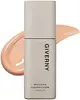
Cosmetic ColorantWater, CI 77891, Cyclopentasiloxane, Butylene Glycol, Alcohol Denat., Triethylhexanoin, Lauryl PEG-9 Polydimethylsiloxyethyl Dimethicone, Isododecane, Dimethicone, Silica, Butyloctyl Salicylate, Caprylic/Capric Triglyceride, Glycerin, Niacinamide, Pentylene Glycol, Acrylates/Dimethicone Copolymer, Prunus Domestica Seed Extract, Helianthus Annuus Seed Oil, Lupinus Albus Seed Extract, Caprylyl Methicone, Diphenylsiloxy Phenyl Trimethicone, PEG-10 Dimethicone, Disteardimonium Hectorite, Magnesium Sulfate, Sorbitan Isostearate, Vp/Va Copolymer, Polyglyceryl-3 Polydimethylsiloxyethyl Dimethicone, Octyldodecanol, Propylene Carbonate, Triethoxycaprylylsilane, Stearic Acid, Aluminum Hydroxide, Alumina, Caprylyl Glycol, Glyceryl Caprylate, Polyhydroxystearic Acid, Polyglyceryl-4 Isostearate, Aluminum Dimyristate, Adenosine, Trisodium Ethylenediamine Disuccinate, Isopropyl Titanium Triisostearate, Neopentyl Glycol Diethylhexanoate, Tocopherol, Parfum, Mica, CI 77492, CI 77491, CI 77499
Ingredients Explained
These ingredients are found in both products.
Ingredients higher up in an ingredient list are typically present in a larger amount.
Aluminum Hydroxide is a form of aluminum. It can be naturally found in nature as the mineral gibbsite. In cosmetics, Aluminum Hydroxide is used as a colorant, pH adjuster, and absorbent.
As a colorant, Aluminum Hydroxide may add opacity, or reduce the transparency. Aluminum hydroxide is contains both basic and acidic properties.
According to manufacturers, this ingredient is an emollient and humectant. This means it helps hydrate the skin.
In medicine, this ingredient is used to help relieve heartburn and help heal ulcers.
There is currently no credible scientific evidence linking aluminum hydroxide in cosmetics to increased cancer risk.
Major health organizations allow the use of aluminum hydroxide in personal care products and have not flagged it as a carcinogenic risk at typical usage levels.
Learn more about Aluminum HydroxideButylene Glycol (or BG) is used within cosmetic products for a few different reasons:
Overall, Butylene Glycol is a safe and well-rounded ingredient that works well with other ingredients.
Though this ingredient works well with most skin types, some people with sensitive skin may experience a reaction such as allergic rashes, closed comedones, or itchiness.
Learn more about Butylene GlycolCaprylic/Capric Triglyceride (aka MCT Oil) is a lightweight emollient, solvent, and texture enhancer. It is considered a skin-softener by helping to prevent moisture loss.
Though it behaves like an oil, it is not technically one due to its chemical composition. One perk of this ingredient is that it is very stable, resistant to oxidation, and unlikely to go rancid.
In practice, that translates to a long shelf life and a consistently elegant skin feel.
While there is an assumption Caprylic Triglyceride can clog pores due to it being derived from coconut oil, there is no research supporting this. Just patch test if you have concerns.
Fractionated coconut oil and MCT Oil are both listed as Caprylic/Capric Triglyceride according to INCI. This is because INCI names are based on the ingredient’s final chemical composition and not its marketing name or source.
This ingredient is treated as the gold standard fungal acne safe oil. Even though it is coconut derived, the problematic lauric acid is stripped out.
This leaves just caprylic (C8) and capric (C10) acid. These chain lengths actually trend antifungal; a 2020 study found caprylic acid was enough to disrupt Malassezia furfur cell membrane, with a caprylic acid derivative damaging membrane structures at concentrations as low as 0.2%.
Learn more about Caprylic/Capric TriglycerideCi 77491 is also hydrated iron III oxide. It's sole purpose is to give a red/pink hue to products.
Iron III oxides are classified as inorganic chemicals for coloring.
Synthetically created Ci 77491 is considered safer than those naturally found. This is because the synthetically created version may contain less impurities. Iron oxides are generally non-toxic and non-allergenic.
Learn more about CI 77491Cyclopentasiloxane (D5) is a lightweight silicone that mostly acts as an emollient and solvent in cosmetics. Its the reason your products feel silky, fast-spreading, and non-greasy.
Since D5 is volatile, it does its thing and then evaporates off the skin quickly.
The safety profile of this ingredient is reassuring; the US CIR Expert Panel concluded D5 is safe as used in cosmetics and Health Canada concluded that D5 is not harmful to human health or the environment as currently used in cosmetics
There's a study that people mention about D5 in a rat study showing tumors. This study is related to long-term inhalation of high D5 levels.
Regulatory bodies have judged this study to be not applicable in topical skincare since skin absorption of D5 is very low and we're not really inhaling huge amounts of D5.
The only restriction for this ingredient is environmental. The European Chemicals Agency (ECHA) restricted D5 in wash-off cosmetics at or above 0.1% due to their persistence in water.
Learn more about CyclopentasiloxaneDimethicone is a type of synthetic silicone created from natural materials such as quartz. It is also known as polydimethylsiloxane.
What it does:
Dimethicone comes in different viscosities:
Depending on the viscosity, dimethicone has different properties.
Ingredients lists don't always show which type is used, so we recommend reaching out to the brand if you have questions about the viscosity.
This ingredient is unlikely to cause irritation because it does not get absorbed into skin. However, people with silicone allergies should be careful about using this ingredient.
Note: Dimethicone may contribute to pilling. This is because it is not oil or water soluble, so pilling may occur when layered with products. When mixed with heavy oils in a formula, the outcome is also quite greasy.
Learn more about DimethiconeDiphenylsiloxy Phenyl Trimethicone is a silicone. It has a high refractive index and adds shine to formulations.
According to the safety review by the Cosmetic Ingredient Review (CIR) Expert Panel, it is safe for use in cosmetics under the current practices and concentrations.
Disteardimonium Hectorite comes from the clay mineral named hectorite. It is used to add thickness to a product.
It can also help stabilize a product by helping to disperse other ingredients.
Hectorite is a rare, white clay mineral.
Learn more about Disteardimonium HectoriteGlycerin (or glycerol) is a compound naturally found in your skin. It's a powerhouse humectant that pulls water into the stratum corneum.
Topically, glycerin does several things at once:
Your skin makes glycerin on its own (mostly from sebaceous oil breakdown) and shuttles it to your outermost layer of skin, or your epidermis, via aquaporin-3.
Aquaporin-3 is a transporter that is essential for normal skin hydration, elasticity, and repair. Interestingly, mice lacking in AQP3 have dry and less elastic skin that can be fully corrected with glycerin.
This ingredient is non-irritating, plays well with almost every ingredient, and works across all skin types. Typical use is anywhere between 3-10% but can go up to 79% in some leave-on products.
Just know very high concentrations (>40%) can feel tacky in low humidity.
Glycerin is the name for this ingredient in American English. British English uses Glycerol/Glycerine.
Learn more about GlycerinGlyceryl Caprylate comes from glycerin and caprylic acid. It is an emollient, co-emulsifier, and preservative booster.
Its short C8 fatty acid chain makes it behave differently from its longer-chain emollient cousins like Glyceryl Stearate. It feels more lightweight, fast-absorbing, and silky instead of rich and waxy.
As a co-emulsifier, its "head" and "tail" sit at the oil-water interface. But overall, the short C8 tail and not being water soluble means it doesn't really have the muscle to emulsify a formula on its own. That's why you'll often see it paired with a primary emulsifier like Cetearyl Glucoside.
Interestingly, Glyceryl Caprylate acts as a preservative booster. This is because its fatty-acid backbone disrupts microbial lipid membranes. It shows excellent activity against bacteria and yeast but is weaker against mold.
Typical concentrations range from 0.5-1% and this ingredient is generally non-irritating.
Because this ingredient has a C8 fatty acid chain, it is outside the range that the Malassezia yeast metabolizes (making it fungal acne safe).
Learn more about Glyceryl CaprylateIsododecane is a fragrance, emollient, and solvent.
As an emollient, it helps your skin stay soft and hydrated. Emollients help trap moisture into your skin.
Isododecane's role as a solvent makes it a great texture enhancer. It spreads smoothly on skin and does not leave a sticky feeling behind. Isododecane also helps prevent color transfer in makeup products.
Isododecane is not absorbed into skin.
The chemical name for this ingredient is 2,2,4,6,6-PENTAMETHYLHEPTANE.
Learn more about IsododecaneOctyldodecanol is a fatty alcohol sourced from plant oils like coconut or palm (or made synthetically).
It is:
You'll likely see this in many BHA products because this is the go-to solvent for salicylic acid.
This ingredient is typically used at levels between 2-20%.
Regarding fungal acne:
In 2019, this ingredient was tested against multiple Malassezia species (the yeast that causes fungal acne) and showed no growth.
Parfum is a catch-all term for an ingredient or more that is used to give a scent to products.
Also called "fragrance", this ingredient can be a blend of hundreds of chemicals or plant oils. This means every product with "fragrance" or "parfum" in the ingredients list is a different mixture.
For instance, Habanolide is a proprietary trade name for a specific aroma chemical. When used as a fragrance ingredient in cosmetics, most aroma chemicals fall under the broad labeling category of “FRAGRANCE” or “PARFUM” according to EU and US regulations.
The term 'parfum' or 'fragrance' is not regulated in many countries. In many cases, it is up to the brand to define this term.
For instance, many brands choose to label themselves as "fragrance-free" because they are not using synthetic fragrances. However, their products may still contain ingredients such as essential oils that are considered a fragrance by INCI standards.
One example is Calendula flower extract. Calendula is an essential oil that still imparts a scent or 'fragrance'.
Depending on the blend, the ingredients in the mixture can cause allergies and sensitivities on the skin. Some ingredients that are known EU allergens include linalool and citronellol.
Parfum can also be used to mask or cover an unpleasant scent.
The bottom line is: not all fragrances/parfum/ingredients are created equally. If you are worried about fragrances, we recommend taking a closer look at an ingredient. And of course, we always recommend speaking with a professional.
Learn more about ParfumPeg-10 Dimethicone is silicone with conditioner and emulsifier properties. It mostly acts as an emollient in skincare and and humectant in haircare.
According to the manufacturer, acidic formulations decrease the stability of this ingredient. It works best in neutral or near neutral formulations.
Polyglyceryl-4 Isostearate is a plant-derived, PEG-free emulsifier.
It's made by hooking isostearic acid onto a chain of glycerin units to give it a water-loving "head" and oil-loving "tail". This allows it to keep the oil and water mixed in a formula.
The highest reported concentration is about 24% in eye makeup but most suppliers recommend a level below 10%.
It has a clean track record for safety and found to be non-irritating.
Because it is an ester of a C18 fatty acid, Malassezia can potentially metabolize it (it sits in the C11-24 range that Malassezia likes). Therefore, this ingredient may not be fungal acne safe.
Learn more about Polyglyceryl-4 IsostearatePolyhydroxystearic Acid is a vegetable-derived soft wax made from castor oil. It's an emulsion stabilizer, thickener, and film former.
You'll likely see it in sunscreens because it helps disperse pigments and UV-reflecting minerals like titanium dioxide and zinc oxide evenly.
Depending on the concentration, it can drastically change the texture of a product from pasty solid (like lipstick) to sprayable liquid.
The CIR Expert Panel for Cosmetic Ingredient Safety has concluded this ingredient to be safe in cosmetics. The highest reported use concentration is 14.2% in lipsticks.
Learn more about Polyhydroxystearic AcidSilica, also known as silicon dioxide, is a naturally occurring mineral. It is used as a fine, spherical, and porous powder in cosmetics.
Though it has exfoliant properties, the function of silica varies depending on the product.
The unique structure of silica enhances the spreadability and adds smoothness, making it a great texture enhancer.
It is also used as an active carrier, emulsifier, and mattifier due to its ability to absorb excess oil.
In some products, tiny microneedles called spicules are made from silica or hydrolyzed sponge. When you rub them in, they lightly polish away dead skin layers and enhance the penetration of active ingredients.
Learn more about SilicaTriethoxycaprylylsilane is a silicon-based surface modifier that makes sunscreens feel silky and makeup stay put.
Its main job is to coat mineral particles like titanium dioxide, zinc oxide, and color pigments in a thin, oily layer so they spread smoothly, don't clump, and stick to skin better.
This ingredient is typically used at low levels (up to 2.5% in eyeshadow and 1% in lipstick).
Learn more about TriethoxycaprylylsilaneTrisodium Ethylenediamine Disuccinate is used to help stabilize a product.
It is a chelating agent, meaning it helps prevent metal ions from binding to other ingredients. This prevents unwanted reactions in products. Metal ions can come into a product via the water ingredient. They are found in trace amounts and are not known to be harmful.
Water. It's the most common cosmetic ingredient of all. You'll usually see it at the top of ingredient lists, meaning that it makes up the largest part of the product.
So why is it so popular? Water most often acts as a solvent - this means that it helps dissolve other ingredients into the formulation.
You'll also recognize water as that liquid we all need to stay alive. If you see this, drink a glass of water. Remember to stay hydrated!
Learn more about Water

