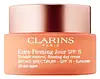
This day moisturizer is formulated around Butyrospermum Parkii Butter to hydrate skin.
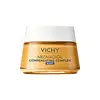
This anti-aging night moisturizer is formulated around Niacinamide and Capryloyl Salicylic Acid to soften the look of wrinkles and balance excess oil.

What's inside
What's inside
 Key Ingredients
Benefits
Concerns
Ingredients Side-by-side
Water
Skin ConditioningHomosalate
Skin Conditioning

Octocrylene
UV Absorber

Glycerin
Humectant


Butyloctyl Salicylate
Skin Conditioning
Butyrospermum Parkii Butter
Skin Conditioning



Dimethicone
Emollient
Butyl Methoxydibenzoylmethane
UV Absorber
C12-15 Alkyl Benzoate
AntimicrobialCetearyl Alcohol
Emollient

Methyl Methacrylate Crosspolymer

Potassium Cetyl Phosphate
EmulsifyingParfum
Masking

Cetearyl Glucoside
Emulsifying
Dimethicone/Vinyl Dimethicone Crosspolymer
Skin Conditioning
Phenoxyethanol
Preservative
Butylene Glycol
Humectant
Acrylates/C10-30 Alkyl Acrylate Crosspolymer
Emulsion StabilisingCaprylyl Glycol
Emollient
Tromethamine
BufferingAvena Sativa Kernel Extract
Abrasive



Disodium EDTA
Tocopheryl Acetate
Antioxidant

Xanthan Gum
EmulsifyingDimethiconol
Emollient
Tocopherol
Antioxidant

Anigozanthos Flavidus Extract
Skin ConditioningCaprylic/Capric Triglyceride
Masking
Betaine
Humectant
Silica
Abrasive
Sorbitol
Humectant
Diospyros Mespiliformis Leaf Extract
Skin ConditioningMaltodextrin
Absorbent
Sanicula Europaea Extract
Skin ConditioningSodium Benzoate
Masking
Kalanchoe Pinnata Leaf Extract
MaskingBalanites Roxburghii Seed Oil
Skin Conditioning
Mitracarpus Scaber Extract
Skin ConditioningCitric Acid
Buffering
Malpighia Emarginata Seed Extract
Skin ConditioningLapsana Communis Flower/Leaf/Stem Extract
Skin ConditioningFurcellaria Lumbricalis Extract
Skin ConditioningCI 15985
Cosmetic ColorantPotassium Sorbate
Preservative
Maris Sal
Skin ConditioningWater, Homosalate, Octocrylene, Glycerin, Butyloctyl Salicylate, Butyrospermum Parkii Butter, Dimethicone, Butyl Methoxydibenzoylmethane, C12-15 Alkyl Benzoate, Cetearyl Alcohol, Methyl Methacrylate Crosspolymer, Potassium Cetyl Phosphate, Parfum, Cetearyl Glucoside, Dimethicone/Vinyl Dimethicone Crosspolymer, Phenoxyethanol, Butylene Glycol, Acrylates/C10-30 Alkyl Acrylate Crosspolymer, Caprylyl Glycol, Tromethamine, Avena Sativa Kernel Extract, Disodium EDTA, Tocopheryl Acetate, Xanthan Gum, Dimethiconol, Tocopherol, Anigozanthos Flavidus Extract, Caprylic/Capric Triglyceride, Betaine, Silica, Sorbitol, Diospyros Mespiliformis Leaf Extract, Maltodextrin, Sanicula Europaea Extract, Sodium Benzoate, Kalanchoe Pinnata Leaf Extract, Balanites Roxburghii Seed Oil, Mitracarpus Scaber Extract, Citric Acid, Malpighia Emarginata Seed Extract, Lapsana Communis Flower/Leaf/Stem Extract, Furcellaria Lumbricalis Extract, CI 15985, Potassium Sorbate, Maris Sal
Water
Skin ConditioningAlcohol Denat.
Antimicrobial

Glycerin
Humectant
Prunus Armeniaca Kernel Oil
Masking
Niacinamide
Smoothing


Dimethicone
Emollient
Hydroxypropyl Tetrahydropyrantriol
Skin ConditioningPropanediol
Solvent
Propylene Glycol
Humectant
Isononyl Isononanoate
EmollientZea Mays Starch
Absorbent
Silica Silylate
Emollient
Poloxamer 338
EmulsifyingHydroxyethylpiperazine Ethane Sulfonic Acid
BufferingOctyldodecanol
Emollient
Dimethiconol
Emollient
Caffeine
Skin Conditioning
Sodium Acrylates Crosspolymer-2
AbsorbentSodium Hyaluronate
Humectant
Silica
Abrasive
Perlite
Absorbent
Adenosine
Skin Conditioning
Ammonium Polyacryloyldimethyl Taurate
Emulsion StabilisingAmmonium Acryloyldimethyltaurate/Steareth-25 Methacrylate Crosspolymer
Emulsion StabilisingCaprylyl Glycol
Emollient
Capryloyl Salicylic Acid
Exfoliating
Laureth-7
EmulsifyingCitric Acid
Buffering
Cassia Angustifolia Seed Polysaccharide
Skin ConditioningTrisodium Ethylenediamine Disuccinate
Menthoxypropanediol
Masking
Pentaerythrityl Tetra-Di-T-Butyl Hydroxyhydrocinnamate
Antioxidant
Polyacrylamide
C13-14 Isoparaffin
Emollient
Parfum
Masking
Water, Alcohol Denat., Glycerin, Prunus Armeniaca Kernel Oil, Niacinamide, Dimethicone, Hydroxypropyl Tetrahydropyrantriol, Propanediol, Propylene Glycol, Isononyl Isononanoate, Zea Mays Starch, Silica Silylate, Poloxamer 338, Hydroxyethylpiperazine Ethane Sulfonic Acid, Octyldodecanol, Dimethiconol, Caffeine, Sodium Acrylates Crosspolymer-2, Sodium Hyaluronate, Silica, Perlite, Adenosine, Ammonium Polyacryloyldimethyl Taurate, Ammonium Acryloyldimethyltaurate/Steareth-25 Methacrylate Crosspolymer, Caprylyl Glycol, Capryloyl Salicylic Acid, Laureth-7, Citric Acid, Cassia Angustifolia Seed Polysaccharide, Trisodium Ethylenediamine Disuccinate, Menthoxypropanediol, Pentaerythrityl Tetra-Di-T-Butyl Hydroxyhydrocinnamate, Polyacrylamide, C13-14 Isoparaffin, Parfum
Ingredients Explained
These ingredients are found in both products.
Ingredients higher up in an ingredient list are typically present in a larger amount.
Caprylyl Glycol is a humectant, skin conditioner, emollient, and preservative booster derived from either caprylic acid or synthetically created.
Typical use levels vary from 0.3-1% as a preservative booster and go up to 2% to condition skin.
Because it is not a free-fatty acid, this ingredient is fungal acne safe (there's nothing for Malassezia to feed on).
Learn more about Caprylyl GlycolCitric Acid is an alpha hydroxy acid (AHA) naturally found in citrus fruits like oranges, lemons, and limes.
Like other AHAs, citric acid can exfoliate skin by breaking down the bonds that hold dead skin cells together. This helps reveal smoother and brighter skin underneath.
However, this exfoliating effect only happens at high concentrations (20%) which can be hard to find in cosmetic products.
Due to this, citric acid is usually included in small amounts as a pH adjuster. This helps keep products slightly more acidic and compatible with skin's natural pH.
In skincare formulas, citric acid can:
While it can provide some skin benefits, research shows lactic acid and glycolic acid are generally more effective and less irritating exfoliants.
Most citric acid used in skincare today is made by fermenting sugars (usually from molasses). This synthetic version is identical to the natural citrus form but easier to stabilize and use in formulations.
Rosacea skin has a lower threshold for acids generally, with 62.5% of rosacea subjects in one study reacting to lactic acid in a sting test. This is why we mark citric acid as a potential rosacea trigger.
However, this ingredient shows up as a pH adjuster or chelator at roughly 0.1-1% in many products. These low levels are unlikely to be an issue for rosacea skin and becomes a potential trigger at exfoliating concentrations (20%). Because everybody's skin is unique, we recommend a patch test if you are unsure.
Learn more about Citric AcidDimethicone is a type of synthetic silicone created from natural materials such as quartz. It is also known as polydimethylsiloxane.
What it does:
Dimethicone comes in different viscosities:
Depending on the viscosity, dimethicone has different properties.
Ingredients lists don't always show which type is used, so we recommend reaching out to the brand if you have questions about the viscosity.
This ingredient is unlikely to cause irritation because it does not get absorbed into skin. However, people with silicone allergies should be careful about using this ingredient.
Note: Dimethicone may contribute to pilling. This is because it is not oil or water soluble, so pilling may occur when layered with products. When mixed with heavy oils in a formula, the outcome is also quite greasy.
Learn more about DimethiconeDimethiconol is a silicone that resembles the popular dimethicone. Like other silicones, it is an emollient. Emollients create a thin film on skin to prevent moisture from escaping.
This ingredient helps to create a silky texture and improve spreadability. Due to its high molecular weight and thickness, it is often combined with cyclopentasiloxane.
Glycerin (or glycerol) is a compound naturally found in your skin. It's a powerhouse humectant that pulls water into the stratum corneum.
Topically, glycerin does several things at once:
Your skin makes glycerin on its own (mostly from sebaceous oil breakdown) and shuttles it to your outermost layer of skin, or your epidermis, via aquaporin-3.
Aquaporin-3 is a transporter that is essential for normal skin hydration, elasticity, and repair. Interestingly, mice lacking in AQP3 have dry and less elastic skin that can be fully corrected with glycerin.
This ingredient is non-irritating, plays well with almost every ingredient, and works across all skin types. Typical use is anywhere between 3-10% but can go up to 79% in some leave-on products.
Just know very high concentrations (>40%) can feel tacky in low humidity.
Glycerin is the name for this ingredient in American English. British English uses Glycerol/Glycerine.
Learn more about GlycerinParfum is a catch-all term for an ingredient or more that is used to give a scent to products.
Also called "fragrance", this ingredient can be a blend of hundreds of chemicals or plant oils. This means every product with "fragrance" or "parfum" in the ingredients list is a different mixture.
For instance, Habanolide is a proprietary trade name for a specific aroma chemical. When used as a fragrance ingredient in cosmetics, most aroma chemicals fall under the broad labeling category of “FRAGRANCE” or “PARFUM” according to EU and US regulations.
The term 'parfum' or 'fragrance' is not regulated in many countries. In many cases, it is up to the brand to define this term.
For instance, many brands choose to label themselves as "fragrance-free" because they are not using synthetic fragrances. However, their products may still contain ingredients such as essential oils that are considered a fragrance by INCI standards.
One example is Calendula flower extract. Calendula is an essential oil that still imparts a scent or 'fragrance'.
Depending on the blend, the ingredients in the mixture can cause allergies and sensitivities on the skin. Some ingredients that are known EU allergens include linalool and citronellol.
Parfum can also be used to mask or cover an unpleasant scent.
The bottom line is: not all fragrances/parfum/ingredients are created equally. If you are worried about fragrances, we recommend taking a closer look at an ingredient. And of course, we always recommend speaking with a professional.
Learn more about ParfumSilica, also known as silicon dioxide, is a naturally occurring mineral. It is used as a fine, spherical, and porous powder in cosmetics.
Though it has exfoliant properties, the function of silica varies depending on the product.
The unique structure of silica enhances the spreadability and adds smoothness, making it a great texture enhancer.
It is also used as an active carrier, emulsifier, and mattifier due to its ability to absorb excess oil.
In some products, tiny microneedles called spicules are made from silica or hydrolyzed sponge. When you rub them in, they lightly polish away dead skin layers and enhance the penetration of active ingredients.
Learn more about SilicaWater. It's the most common cosmetic ingredient of all. You'll usually see it at the top of ingredient lists, meaning that it makes up the largest part of the product.
So why is it so popular? Water most often acts as a solvent - this means that it helps dissolve other ingredients into the formulation.
You'll also recognize water as that liquid we all need to stay alive. If you see this, drink a glass of water. Remember to stay hydrated!
Learn more about Water

