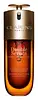
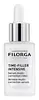
Clarins Double Serum Complete Age-Defying Concentrate Versus Filorga Time-Filler Intensive Wrinkle Multi-Correction Serum
This anti-aging serum is formulated around Squalane and Palmitoyl Tripeptide-1 to soften the look of wrinkles and hydrate skin.
This anti-aging serum is formulated around Squalane and Acetyl Hexapeptide-8 to soften the look of wrinkles and hydrate skin.

What's inside
What's inside
 Key Ingredients
Benefits
Concerns
Ingredients Side-by-side
Water
Skin ConditioningSqualane
Emollient


Hexyl Laurate
Emollient

Glycerin
Humectant
Pentylene Glycol
Skin Conditioning
Propanediol
Solvent
Silybum Marianum Seed Oil
Skin Conditioning
Butylene Glycol
Humectant
Ethylene/Propylene/Styrene Copolymer
Parfum
Masking



Fructose
Humectant
Tromethamine
BufferingCarbomer
Emulsion StabilisingHydroxyacetophenone
Antioxidant
Avena Sativa Kernel Extract
Abrasive


Escin
TonicTocopheryl Acetate
Antioxidant

Ethylhexylglycerin
Skin ConditioningAloe Barbadensis Leaf Juice Powder
Skin Conditioning
Sodium Acetylated Hyaluronate
Humectant
Theobroma Cacao Extract
Skin ConditioningCaprylic/Capric Triglyceride
Masking
Aesculus Hippocastanum Extract
Antioxidant
Leontopodium Alpinum Flower/Leaf Extract
Skin ConditioningDisodium EDTA
ChelatingMaltodextrin
Absorbent
Xanthan Gum
EmulsifyingButylene/Ethylene/Styrene Copolymer
Curcuma Longa Root Extract
Antioxidant
Persea Gratissima Oil Unsaponifiables
Skin Conditioning
Melissa Officinalis Leaf Extract
Skin ConditioningCaramel
Cosmetic ColorantHippophae Rhamnoides Kernel Extract
MaskingSodium Lactate
Buffering
Musa Sapientum Fruit Extract
Skin ConditioningOenothera Biennis Flower/Leaf/Stem Extract
Skin ConditioningHarungana Madagascariensis Extract
Skin ConditioningKalanchoe Pinnata Leaf Extract
MaskingMangifera Indica Leaf Extract
Skin ConditioningSodium Benzoate
Masking
Citric Acid
Buffering
Centaurea Cyanus Flower Extract
Astringent
Tocopherol
Antioxidant
Hedychium Coronarium Root Extract
MaskingCoco-Glucoside
Cleansing
Pentaerythrityl Tetra-Di-T-Butyl Hydroxyhydrocinnamate
Antioxidant
Dipsacus Sylvestris Extract
Skin ConditioningGlycine Soja Oil
Emollient

Arundo Donax Stem Extract
Skin ConditioningJania Rubens Extract
Skin Conditioning
Potassium Sorbate
Preservative
Sodium Citrate
BufferingMalpighia Emarginata Seed Extract
Skin ConditioningArbutus Unedo Fruit Extract
Antioxidant
Palmitoyl Tripeptide-1
Skin Conditioning

CI 14700
Cosmetic ColorantPalmitoyl Tetrapeptide-7
Skin Conditioning
Water, Squalane, Hexyl Laurate, Glycerin, Pentylene Glycol, Propanediol, Silybum Marianum Seed Oil, Butylene Glycol, Ethylene/Propylene/Styrene Copolymer, Parfum, Fructose, Tromethamine, Carbomer, Hydroxyacetophenone, Avena Sativa Kernel Extract, Escin, Tocopheryl Acetate, Ethylhexylglycerin, Aloe Barbadensis Leaf Juice Powder, Sodium Acetylated Hyaluronate, Theobroma Cacao Extract, Caprylic/Capric Triglyceride, Aesculus Hippocastanum Extract, Leontopodium Alpinum Flower/Leaf Extract, Disodium EDTA, Maltodextrin, Xanthan Gum, Butylene/Ethylene/Styrene Copolymer, Curcuma Longa Root Extract, Persea Gratissima Oil Unsaponifiables, Melissa Officinalis Leaf Extract, Caramel, Hippophae Rhamnoides Kernel Extract, Sodium Lactate, Musa Sapientum Fruit Extract, Oenothera Biennis Flower/Leaf/Stem Extract, Harungana Madagascariensis Extract, Kalanchoe Pinnata Leaf Extract, Mangifera Indica Leaf Extract, Sodium Benzoate, Citric Acid, Centaurea Cyanus Flower Extract, Tocopherol, Hedychium Coronarium Root Extract, Coco-Glucoside, Pentaerythrityl Tetra-Di-T-Butyl Hydroxyhydrocinnamate, Dipsacus Sylvestris Extract, Glycine Soja Oil, Arundo Donax Stem Extract, Jania Rubens Extract, Potassium Sorbate, Sodium Citrate, Malpighia Emarginata Seed Extract, Arbutus Unedo Fruit Extract, Palmitoyl Tripeptide-1, CI 14700, Palmitoyl Tetrapeptide-7
Water
Skin ConditioningGlycereth-26
Humectant
Butylene Glycol
Humectant
Glycerin
Humectant
Squalane
Emollient
Pentylene Glycol
Skin Conditioning
Imperata Cylindrica Root Extract
Skin ConditioningPhenoxyethanol
Preservative
Avena Sativa Kernel Extract
Abrasive
Acrylates/C10-30 Alkyl Acrylate Crosspolymer
Emulsion StabilisingSucrose Palmitate
EmollientPPG-26-Buteth-26
Skin ConditioningCaprylic/Capric Triglyceride
Masking
Parfum
Masking
PEG-40 Hydrogenated Castor Oil
Emulsifying
Xanthan Gum
EmulsifyingGlyceryl Linoleate
Emollient
O-Cymen-5-Ol
Antimicrobial
Prunus Amygdalus Dulcis Oil
Skin Conditioning
Sodium Chloride
MaskingCarbomer
Emulsion StabilisingHydrogenated Vegetable Oil
Emollient
Sodium Hydroxide
BufferingAnigozanthos Flavidus Extract
Skin ConditioningCaprylyl Glycol
Emollient
Sodium Lactate
Buffering
Polysorbate 20
Emulsifying
Sodium Citrate
BufferingCrithmum Maritimum Extract
Skin ConditioningGlucose
Humectant
Ethylhexylglycerin
Skin ConditioningSodium Hyaluronate
Humectant
Citric Acid
Buffering
Potassium Chloride
Potassium Sorbate
Preservative
Calcium Chloride
AstringentMagnesium Sulfate
Glutamine
Skin ConditioningAcetyl Hexapeptide-8
Humectant
Sodium Phosphate
BufferingAscorbic Acid
Antioxidant
Sodium Acetate
BufferingTocopherol
Antioxidant
Lysine Hcl
Skin Conditioning
Arginine Hcl
Skin ConditioningPalmitoyl Tripeptide-1
Skin Conditioning
Alanine
Masking
Histidine Hcl
Skin ConditioningValine
MaskingLeucine
Skin ConditioningThreonine
Isoleucine
Skin ConditioningPalmitoyl Tetrapeptide-7
Skin Conditioning
Tryptophan
MaskingPhenylalanine
Masking
Tyrosine
MaskingGlycine
Buffering
Polysorbate 80
Emulsifying
Serine
Masking
Cystine
MaskingCyanocobalamin
Skin ConditioningGlutathione
Asparagine
MaskingAspartic Acid
Masking
Ornithine Hcl
Skin ConditioningGlutamic Acid
Humectant
Nicotinamide Adenine Dinucleotide
Skin ConditioningBiotin
AntiseborrhoeicProline
Skin Conditioning
Methionine
Skin ConditioningTaurine
BufferingHydroxyproline
Skin ConditioningGlucosamine Hcl
Coenzyme A
Skin ConditioningSodium Glucuronate
HumectantThiamine Diphosphate
Skin ConditioningRetinyl Acetate
Skin Conditioning
Inositol
Humectant
Niacin
SmoothingNiacinamide
Smoothing



Pyridoxine Hcl
Skin ConditioningCalcium Pantothenate
Riboflavin
Cosmetic ColorantSodium Tocopheryl Phosphate
Antioxidant
Thiamine Hcl
MaskingFolic Acid
Skin ConditioningWater, Glycereth-26, Butylene Glycol, Glycerin, Squalane, Pentylene Glycol, Imperata Cylindrica Root Extract, Phenoxyethanol, Avena Sativa Kernel Extract, Acrylates/C10-30 Alkyl Acrylate Crosspolymer, Sucrose Palmitate, PPG-26-Buteth-26, Caprylic/Capric Triglyceride, Parfum, PEG-40 Hydrogenated Castor Oil, Xanthan Gum, Glyceryl Linoleate, O-Cymen-5-Ol, Prunus Amygdalus Dulcis Oil, Sodium Chloride, Carbomer, Hydrogenated Vegetable Oil, Sodium Hydroxide, Anigozanthos Flavidus Extract, Caprylyl Glycol, Sodium Lactate, Polysorbate 20, Sodium Citrate, Crithmum Maritimum Extract, Glucose, Ethylhexylglycerin, Sodium Hyaluronate, Citric Acid, Potassium Chloride, Potassium Sorbate, Calcium Chloride, Magnesium Sulfate, Glutamine, Acetyl Hexapeptide-8, Sodium Phosphate, Ascorbic Acid, Sodium Acetate, Tocopherol, Lysine Hcl, Arginine Hcl, Palmitoyl Tripeptide-1, Alanine, Histidine Hcl, Valine, Leucine, Threonine, Isoleucine, Palmitoyl Tetrapeptide-7, Tryptophan, Phenylalanine, Tyrosine, Glycine, Polysorbate 80, Serine, Cystine, Cyanocobalamin, Glutathione, Asparagine, Aspartic Acid, Ornithine Hcl, Glutamic Acid, Nicotinamide Adenine Dinucleotide, Biotin, Proline, Methionine, Taurine, Hydroxyproline, Glucosamine Hcl, Coenzyme A, Sodium Glucuronate, Thiamine Diphosphate, Retinyl Acetate, Inositol, Niacin, Niacinamide, Pyridoxine Hcl, Calcium Pantothenate, Riboflavin, Sodium Tocopheryl Phosphate, Thiamine Hcl, Folic Acid
Reviews
Ingredients Explained
These ingredients are found in both products.
Ingredients higher up in an ingredient list are typically present in a larger amount.
Avena Sativa Kernel Extract is is derived from colloidal oatmeal. Besides being a healthy breakfast, oats have many benefits in skincare too.
This ingredient helps sooth, hydrate, and protect the skin. The starches in colloidal oatmeal are able to bind water, keeping the skin hydrated.
The cellulose and fiber in colloidal oatmeal help reduce inflammation. This can also help the skin feel softer.
Colloidal Oatmeal is also an antioxidant. Antioxidants protect our skin from free-radical damage.
Oatmeal also contains beneficial compounds:
This ingredient is created by mixing grounded oatmeal and a liquid base.
Learn more about Avena Sativa Kernel ExtractButylene Glycol (or BG) is used within cosmetic products for a few different reasons:
Overall, Butylene Glycol is a safe and well-rounded ingredient that works well with other ingredients.
Though this ingredient works well with most skin types, some people with sensitive skin may experience a reaction such as allergic rashes, closed comedones, or itchiness.
Learn more about Butylene GlycolCaprylic/Capric Triglyceride (aka MCT Oil) is a lightweight emollient, solvent, and texture enhancer. It is considered a skin-softener by helping to prevent moisture loss.
Though it behaves like an oil, it is not technically one due to its chemical composition. One perk of this ingredient is that it is very stable, resistant to oxidation, and unlikely to go rancid.
In practice, that translates to a long shelf life and a consistently elegant skin feel.
While there is an assumption Caprylic Triglyceride can clog pores due to it being derived from coconut oil, there is no research supporting this. Just patch test if you have concerns.
Fractionated coconut oil and MCT Oil are both listed as Caprylic/Capric Triglyceride according to INCI. This is because INCI names are based on the ingredient’s final chemical composition and not its marketing name or source.
This ingredient is treated as the gold standard fungal acne safe oil. Even though it is coconut derived, the problematic lauric acid is stripped out.
This leaves just caprylic (C8) and capric (C10) acid. These chain lengths actually trend antifungal; a 2020 study found caprylic acid was enough to disrupt Malassezia furfur cell membrane, with a caprylic acid derivative damaging membrane structures at concentrations as low as 0.2%.
Learn more about Caprylic/Capric TriglycerideCarbomer is a synthetic thickening and gelling agent. It's basically the ingredient that gives a lot of serums, gels, creams, and sunscreens their smooth, non-sticky texture.
Although legally permitted at very high levels, carbomers are normally used at concentrations below 1%.
It also needs to be neutralized to actually thicken, and because it is a large molecule, it doesn't really penetrate the skin barrier.
Allergy-wise, the risk is very low. Clinical studies show carbomers have low potential for skin irritation/sensitization even at concentrations up to 100%.
A 2024 UK study patch-tested 1,302 patients and found true allergy to the parent group of carbomer to be rare with no confirmed relevant reactions.
Learn more about CarbomerCitric Acid is an alpha hydroxy acid (AHA) naturally found in citrus fruits like oranges, lemons, and limes.
Like other AHAs, citric acid can exfoliate skin by breaking down the bonds that hold dead skin cells together. This helps reveal smoother and brighter skin underneath.
However, this exfoliating effect only happens at high concentrations (20%) which can be hard to find in cosmetic products.
Due to this, citric acid is usually included in small amounts as a pH adjuster. This helps keep products slightly more acidic and compatible with skin's natural pH.
In skincare formulas, citric acid can:
While it can provide some skin benefits, research shows lactic acid and glycolic acid are generally more effective and less irritating exfoliants.
Most citric acid used in skincare today is made by fermenting sugars (usually from molasses). This synthetic version is identical to the natural citrus form but easier to stabilize and use in formulations.
Rosacea skin has a lower threshold for acids generally, with 62.5% of rosacea subjects in one study reacting to lactic acid in a sting test. This is why we mark citric acid as a potential rosacea trigger.
However, this ingredient shows up as a pH adjuster or chelator at roughly 0.1-1% in many products. These low levels are unlikely to be an issue for rosacea skin and becomes a potential trigger at exfoliating concentrations (20%). Because everybody's skin is unique, we recommend a patch test if you are unsure.
Learn more about Citric AcidEthylhexylglycerin is created from glycerin. It is a multitasker ingredient that:
The CIR Expert Panel found minimal skin absorption or sensitization of any kind in a safety assessment. Though this ingredient is considered well-tolerated, a small number of cases of allergic dermatitis have been published since 2002. Just be sure to patch test if you are unsure.
Industry-reported use ranges from 8% in rinse-off products and 2% in leave-on formulations.
Learn more about EthylhexylglycerinGlycerin (or glycerol) is a compound naturally found in your skin. It's a powerhouse humectant that pulls water into the stratum corneum.
Topically, glycerin does several things at once:
Your skin makes glycerin on its own (mostly from sebaceous oil breakdown) and shuttles it to your outermost layer of skin, or your epidermis, via aquaporin-3.
Aquaporin-3 is a transporter that is essential for normal skin hydration, elasticity, and repair. Interestingly, mice lacking in AQP3 have dry and less elastic skin that can be fully corrected with glycerin.
This ingredient is non-irritating, plays well with almost every ingredient, and works across all skin types. Typical use is anywhere between 3-10% but can go up to 79% in some leave-on products.
Just know very high concentrations (>40%) can feel tacky in low humidity.
Glycerin is the name for this ingredient in American English. British English uses Glycerol/Glycerine.
Learn more about GlycerinPalmitoyl Tetrapeptide-7 (formerly Palmitoyl Tetrapeptide-3) is a synthetic peptide. Its main job is to fight what researchers call "inflammaging".
"Inflammaging" is the slow, low-grade chronic inflammation that quietly breaks down collagen as we age.
This ingredient calms down a specific inflammation signal in your skin cells (called IL-6). When left unchecked, this signal triggers enzymes that break down collagen and elastin.
Clinical testing showed statistically significant improvements in:
Studies also found the more of this ingredient used, the more your skin produces Collagen I, fibronectin, and hyaluronic acid.
You'll likely see this ingredient paired with Palmitoyl Tripeptide-1 in the well-known Matrixyl 3000 complex for enhanced anti-aging effects.
A 3% concentration applied twice daily for two months showed meaningful skin rejuvenation results in clinical panels.
Fungal acne note:
Usually a palmitic acid component can feed Malassezia in unbound form, but here is is covalently bonded to the peptide. This means it is very difficult for Malassezia to access, and therefore very unlikely to cause fungal acne.
Palmitoyl Tripeptide-1 (aka Pal-GHK) is a synthetic signal peptide made of three amino acids attached to palmitic acid.
That fatty acid attachment is the key: it boosts the peptide's ability to penetrate the skin barrier. This puts it closer to the dermal cells where it can actually make a difference.
Once there, it acts as a matrikine, a signaling peptide that prompts fibroblasts to produce more collagen, fibronectin, and hyaluronic acid.
In vitro studies show it can boost collagen production in skin cells even when UV-damaged skin samples were treated with it at a tiny concentration (it almost fully restored dermal collagen at 5ppm). It achieved this at 100x lower concentration than retinoic acid, which needed 500 ppm to do the same thing.
Human clinical data is promising, but modest:
A study of 23 female volunteers found a small but statistically significant increase (~4%) in skin thickness after treatment at 4 ppm.
A separate small trial of 15 women showed statistically significant reductions in wrinkle length, depth, and skin roughness after applying it twice daily for four weeks.
You'll likely see Pal-GHK paired with Palmitoyl Tetrapeptide-7 as part of the Matrixyl 3000 complex.
Fungal acne note:
Usually a palmitic acid component can feed Malassezia in unbound form, but here is is covalently bonded to the peptide. This means it is very difficult for Malassezia to access, and therefore very unlikely to cause fungal acne.
Parfum is a catch-all term for an ingredient or more that is used to give a scent to products.
Also called "fragrance", this ingredient can be a blend of hundreds of chemicals or plant oils. This means every product with "fragrance" or "parfum" in the ingredients list is a different mixture.
For instance, Habanolide is a proprietary trade name for a specific aroma chemical. When used as a fragrance ingredient in cosmetics, most aroma chemicals fall under the broad labeling category of “FRAGRANCE” or “PARFUM” according to EU and US regulations.
The term 'parfum' or 'fragrance' is not regulated in many countries. In many cases, it is up to the brand to define this term.
For instance, many brands choose to label themselves as "fragrance-free" because they are not using synthetic fragrances. However, their products may still contain ingredients such as essential oils that are considered a fragrance by INCI standards.
One example is Calendula flower extract. Calendula is an essential oil that still imparts a scent or 'fragrance'.
Depending on the blend, the ingredients in the mixture can cause allergies and sensitivities on the skin. Some ingredients that are known EU allergens include linalool and citronellol.
Parfum can also be used to mask or cover an unpleasant scent.
The bottom line is: not all fragrances/parfum/ingredients are created equally. If you are worried about fragrances, we recommend taking a closer look at an ingredient. And of course, we always recommend speaking with a professional.
Learn more about ParfumPentylene Glycol (1,2-pentanediol) is a multitasking little diol with three main roles in a formula:
Research on alkanediols (the family pentylene glycol belongs to) show they work by disrupting microbial cell membranes. This disruption helps the primary preservative system in a product work more effectively at lower doses.
On the safety side, the Cosmetic Ingredient Review Expert Panel has concluded this ingredient to be safe as used in current cosmetic practices + concentrations.
Typical use levels in a formula run about 1-5%.
Learn more about Pentylene GlycolPotassium Sorbate is a preservative used to prevent yeast and mold in products. It is commonly found in both cosmetic and food products.
This ingredient comes from potassium salt derived from sorbic acid. Sorbic acid is a natural antibiotic and effective against fungus.
Both potassium sorbate and sorbic acid can be found in baked goods, cheeses, dried meats, dried fruit, ice cream, pickles, wine, yogurt, and more.
You'll often find this ingredient used with other preservatives.
Learn more about Potassium SorbateSodium Citrate is the sodium salts of citric acid. In skincare, it is used to alter pH levels and acts as a preservative.
Its main functions are to maintain the pH of a product and neutralize metal ions.
The acidity of our skin is maintained by our glands and skin biome; normal pH level of skin is slightly acidic (~4.75-5.5).
Being slightly acidic allows our skin to create an "acid mantle". This acid mantle is a thin barrier that protects our skin from bacteria and contaminants.
Learn more about Sodium CitrateSodium Lactate is the sodium salt of lactic acid, an AHA. It is a humectant and sometimes used to adjust the pH of a product.
This ingredient is part of our skin's NMF, or natural moisturizing factor. Our NMF is essential for the hydration of our top skin layers and plasticity of skin. NMF also influences our skin's natural acid mantle and pH, which protects our skin from harmful bacteria.
High percentages of Sodium Lactate can have an exfoliating effect.
Fun fact: Sodium Lactate is produced from fermented sugar.
Learn more about Sodium LactateSqualane is the hydrogenated and shelf-stable form of squalene (a lipid that naturally occurs in human sebum).
It is an emollient and skin conditioning agent that is able to integrate seamlessly into the skin's lipid barrier without clogging pores.
This is due to how structurally similar it is to what your skin already produces.
Though it is mostly an emollient that helps soften and hydrate skin, it also has some humectant and occlusive action. Humectants help the skin retain moisture while occlusives seal it in, making squalane a triple-threat moisturizer.
Research shows it has antioxidant capabilities that help protect against stressors like UV exposure, specifically UVA induced oxidative stress. This study also found that it supports collagen biosynthesis in human dermal fibroblasts.
No clinical study has reported significant adverse effects and irritation reactions are very rare from this ingredient (even at 100% concentration).
Overall, it's a fantastic ingredient for hydration and is suitable for all skin types.
This depends on the source. Squalane can be derived from both plants and animals. Most squalane used in skincare comes from plants.
Please note: the source of squalane is only known if disclosed by the brand. We recommend reaching out to the brand if you have any questions about their squalane.
Read more about squalene with an "e".
Though squalane is often called an oil, it’s technically not one. It is a hydrocarbon, meaning it is only made of carbon and hydrogen. True oils are triglycerides and made of fatty acids and glycerol.
The term “oil-free” isn’t regulated so companies can define it however they want. Some exclude all oils, while others just avoid mineral oil or comedogenic oils.
Squalane has a comedogenic rating of 1 from the original 1972 study that tested raw ingredients under occlusion on rabbit ears. This system is not standardized or peer-reviewed, and using the raw ingredients is very different from how diluted cosmetic formulations are used on human skin.
A comedogenic rating of 1 means it is "unlikely to clog pores" according to the original rating system.
The overall formula of a product matters more than the individual ingredients on whether or not it will cause clogged pores.
Learn more about SqualaneTocopherol is a fat-soluble antioxidant known as Vitamin E.
You'll find this ingredient in the vast majority of skincare (for good reason). It works to neutralize free radicals, or unstable molecules generated by UV exposure, pollution, and other environmental stressors, before they can cause oxidative damage to your skin cells.
Topically applied tocopherol has been shown to protect against UV damage by ramping up the skin's own natural defense enzymes.
It also acts as a skin conditioning agent; some studies show that regular topical use can improve the skin's water-binding capacity over 2-4 weeks.
This ingredient is especially loved for being a team player. When combined with Vitamin C, the photoprotective effect of both ingredients roughly doubles and the combo also helps reduce UV-induced DNA damage.
This ingredient has some brightening potential but it's more of a prevention ingredient than spot-fader. Cell studies show it can slow down melanin production but it's worth noting that it's not the most powerful brightener out there.
In formulations, it also serves as a stabilizer that helps protect other oxidation-prone ingredients from degrading.
Concentrations usually range from 0.1-1% in most leave-on products.
Learn more about TocopherolWater. It's the most common cosmetic ingredient of all. You'll usually see it at the top of ingredient lists, meaning that it makes up the largest part of the product.
So why is it so popular? Water most often acts as a solvent - this means that it helps dissolve other ingredients into the formulation.
You'll also recognize water as that liquid we all need to stay alive. If you see this, drink a glass of water. Remember to stay hydrated!
Learn more about WaterXanthan gum is used as a stabilizer and thickener within cosmetic products. It helps give products a sticky, thick feeling - preventing them from being too runny.
On the technical side of things, xanthan gum is a polysaccharide - a combination consisting of multiple sugar molecules bonded together.
Xanthan gum is a pretty common and great ingredient. It is a natural, non-toxic, non-irritating ingredient that is also commonly used in food products.
Learn more about Xanthan Gum

