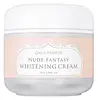
This brightening moisturizer is formulated around Niacinamide and Arbutin to brighten dull-looking skin and fade the look of dark spots.
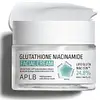
This brightening moisturizer is formulated around Centella Asiatica Extract and Niacinamide to fade the look of dark spots and brighten dull-looking skin.

What's inside
What's inside
 Key Ingredients
Benefits
Concerns
Ingredients Side-by-side
Water
Skin ConditioningPropanediol
Solvent

Dipropylene Glycol
HumectantCyclopentasiloxane
Emollient
Glycereth-26
Humectant
CI 77891
Cosmetic ColorantNiacinamide
Smoothing










Cyclohexasiloxane
Emollient
Glycerin
Humectant
Sodium Acrylate/Sodium Acryloyldimethyl Taurate Copolymer
Emulsion StabilisingDimethicone/Vinyl Dimethicone Crosspolymer
Skin Conditioning
Dimethicone
Emollient
Isohexadecane
EmollientSodium Polyacrylate
Absorbent
Hydroxyethyl Acrylate/Sodium Acryloyldimethyl Taurate Copolymer
Emulsion StabilisingDimethiconol
Emollient
Phenoxyethanol
Preservative
Chlorphenesin
Antimicrobial
Polysorbate 80
Emulsifying

Ethylhexylglycerin
Skin ConditioningCaprylyl Glycol
Emollient
Sorbitan Oleate
Emulsifying

Glyceryl Polyacrylate
Parfum
Masking


Triethoxycaprylylsilane
Adenosine
Skin Conditioning
Disodium EDTA
ChelatingButylene Glycol
Humectant
Scutellaria Baicalensis Root Extract
Astringent
Portulaca Oleracea Extract
Skin Conditioning
Rosmarinus Officinalis Leaf Extract
AntimicrobialOryza Sativa Extract
Absorbent
Tricholoma Matsutake Extract
Skin ConditioningPanax Ginseng Root Extract
Emollient
Angelica Keiskei Leaf/Stem Extract
Skin ConditioningArbutin
Antioxidant

Rumex Crispus Root Extract
Skin ConditioningHippophae Rhamnoides Extract
MaskingMyrciaria Dubia Fruit Extract
Skin ConditioningVanilla Planifolia Fruit Extract
Skin Conditioning
Leontopodium Alpinum Extract
Skin ConditioningFreesia Refracta Extract
Skin ConditioningNelumbium Speciosum Flower Extract
Skin ConditioningRose Extract
Skin ConditioningIris Versicolor Extract
EmollientNarcissus Pseudo-Narcissus Flower Extract
Skin ConditioningLilium Tigrinum Extract
Skin ConditioningJasminum Officinale Extract
Masking
Water, Propanediol, Dipropylene Glycol, Cyclopentasiloxane, Glycereth-26, CI 77891, Niacinamide, Cyclohexasiloxane, Glycerin, Sodium Acrylate/Sodium Acryloyldimethyl Taurate Copolymer, Dimethicone/Vinyl Dimethicone Crosspolymer, Dimethicone, Isohexadecane, Sodium Polyacrylate, Hydroxyethyl Acrylate/Sodium Acryloyldimethyl Taurate Copolymer, Dimethiconol, Phenoxyethanol, Chlorphenesin, Polysorbate 80, Ethylhexylglycerin, Caprylyl Glycol, Sorbitan Oleate, Glyceryl Polyacrylate, Parfum, Triethoxycaprylylsilane, Adenosine, Disodium EDTA, Butylene Glycol, Scutellaria Baicalensis Root Extract, Portulaca Oleracea Extract, Rosmarinus Officinalis Leaf Extract, Oryza Sativa Extract, Tricholoma Matsutake Extract, Panax Ginseng Root Extract, Angelica Keiskei Leaf/Stem Extract, Arbutin, Rumex Crispus Root Extract, Hippophae Rhamnoides Extract, Myrciaria Dubia Fruit Extract, Vanilla Planifolia Fruit Extract, Leontopodium Alpinum Extract, Freesia Refracta Extract, Nelumbium Speciosum Flower Extract, Rose Extract, Iris Versicolor Extract, Narcissus Pseudo-Narcissus Flower Extract, Lilium Tigrinum Extract, Jasminum Officinale Extract
Water
Skin ConditioningCentella Asiatica Extract 22.7%
Cleansing
Glycerin
Humectant
Cetyl Ethylhexanoate
EmollientButylene Glycol
Humectant
Polyglyceryl-3 Methylglucose Distearate
Emulsifying
Niacinamide
Smoothing
Stearic Acid
Cleansing
Sodium Polyacryloyldimethyl Taurate
Emulsion StabilisingSilica
Abrasive
Sodium Hyaluronate
Humectant
Glyceryl Stearate
Emollient
Beeswax
Emulsion Stabilising
Butyrospermum Parkii Butter
Skin Conditioning
Macadamia Ternifolia Seed Oil
Emollient
Hydrogenated Polydecene
EmollientBetaine
Humectant
Glutathione
Trehalose
Humectant
Adenosine
Skin Conditioning
Citric Acid
Buffering
Trideceth-10
CleansingDisodium EDTA
ChelatingSodium Citrate
BufferingCaprylic/Capric Triglyceride
Masking
Hydrogenated Lecithin
Emulsifying
Cholesterol
Emollient
Xanthan Gum
EmulsifyingNelumbo Nucifera Extract
Skin ConditioningArtemisia Annua Extract
Masking
Oryza Sativa Extract
Absorbent
Saccharomyces Ferment
Skin Conditioning
Solanum Melongena Fruit Extract
Skin ConditioningMelaleuca Alternifolia Leaf Extract
Perfuming
Hydrolyzed Collagen
Emollient
Squalane
Emollient
Beta-Glucan
Skin Conditioning
Dipropylene Glycol
HumectantHippophae Rhamnoides Fruit Extract
Skin Conditioning
Madecassic Acid
Skin Conditioning
Asiaticoside
Antioxidant
Asiatic Acid
Skin Conditioning
Propanediol
Solvent
Hydroxyacetophenone
Antioxidant
1,2-Hexanediol
Skin Conditioning
Ethylhexylglycerin
Skin ConditioningDipotassium Glycyrrhizate
Humectant
Water, Centella Asiatica Extract 22.7%, Glycerin, Cetyl Ethylhexanoate, Butylene Glycol, Polyglyceryl-3 Methylglucose Distearate, Niacinamide, Stearic Acid, Sodium Polyacryloyldimethyl Taurate, Silica, Sodium Hyaluronate, Glyceryl Stearate, Beeswax, Butyrospermum Parkii Butter, Macadamia Ternifolia Seed Oil, Hydrogenated Polydecene, Betaine, Glutathione, Trehalose, Adenosine, Citric Acid, Trideceth-10, Disodium EDTA, Sodium Citrate, Caprylic/Capric Triglyceride, Hydrogenated Lecithin, Cholesterol, Xanthan Gum, Nelumbo Nucifera Extract, Artemisia Annua Extract, Oryza Sativa Extract, Saccharomyces Ferment, Solanum Melongena Fruit Extract, Melaleuca Alternifolia Leaf Extract, Hydrolyzed Collagen, Squalane, Beta-Glucan, Dipropylene Glycol, Hippophae Rhamnoides Fruit Extract, Madecassic Acid, Asiaticoside, Asiatic Acid, Propanediol, Hydroxyacetophenone, 1,2-Hexanediol, Ethylhexylglycerin, Dipotassium Glycyrrhizate
Reviews
Ingredients Explained
These ingredients are found in both products.
Ingredients higher up in an ingredient list are typically present in a larger amount.
Adenosine is a purine nucleoside that your body already makes in every cell. In skincare, it acts mainly as a skin conditioning and anti-aging agent.
The way it works is fairly well mapped out:
Your skin has cells called fibroblasts that build collagen (the stuff that keeps skin firm and smooth). Adenosine basically flips a switch on these cells that tells them to get to work making more collagen and other proteins. These cells slow down on their own as skin ages, so Adenosine helps give them a little nudge to keep going.
The clinical backing is pretty solid too.
A blind, randomized, placebo-controlled trial of 126 women aged 45-65 tested a 0.1% cream twice daily and found real improvements in crow's feet and frown lines using a precise 3D skin-mapping technique; these changes showed up by week 3 and held at 2 months.
A later study using Adenosine-loaded dissolving microneedle patches reported gains in wrinkle depth, dermal density, elasticity, and hydration.
On concentrations, South Korea's Ministry of Food and Drug Safety has set 0.04% as the approved functional anti-wrinkle level. You'll typically see this ingredient used somewhere in the 0.04-0.1% range since it works at low doses.
This ingredient has been found safe for cosmetics with the data showing no irritation or sensitization.
Overall, this is a great ingredient for any anti-aging routine and has no photosensitizing effect, so it suits both AM and PM use.
Learn more about AdenosineButylene Glycol (or BG) is used within cosmetic products for a few different reasons:
Overall, Butylene Glycol is a safe and well-rounded ingredient that works well with other ingredients.
Though this ingredient works well with most skin types, some people with sensitive skin may experience a reaction such as allergic rashes, closed comedones, or itchiness.
Learn more about Butylene GlycolDipropylene Glycol is a synthetically created humectant, stabilizer, and solvent.
This ingredient helps:
Dipropylene glycol is technically an alcohol, but it belongs to the glycol family (often considered part of the ‘good’ alcohols). This means it is hydrating and gentle on skin unlike drying solvent alcohols like denatured alcohol.
As a masking agent, Dipropylene Glycol can be used to cover the smell of other ingredients. However, it does not have a scent.
Studies show Dipropylene Glycol is considered safe to use in skincare.
Learn more about Dipropylene GlycolDisodium EDTA is a chelating agent. It grabs onto and deactivates metal ions that sneak into your products from water, packaging, or air.
This ingredient mainly works behind the scenes and helps with:
On top of that, this ingredient can counteract the effects of hard water by binding to the minerals in it.
One thing worth knowing is that Disodium EDTA has been shown to be a mild penetration enhancer. It can help other ingredients absorb into skin more effectively which can be a double-edged sword (great for actives, but can also make the active too strong if you have sensitive skin).
Clinical patch testing showed no significant skin irritation at typical use concentrations and minimal dermal absorption.
You'll most likely see this ingredient near the end of an ingredient list. It's typically found in concentrations less than 1%.
Learn more about Disodium EDTAEthylhexylglycerin is created from glycerin. It is a multitasker ingredient that:
The CIR Expert Panel found minimal skin absorption or sensitization of any kind in a safety assessment. Though this ingredient is considered well-tolerated, a small number of cases of allergic dermatitis have been published since 2002. Just be sure to patch test if you are unsure.
Industry-reported use ranges from 8% in rinse-off products and 2% in leave-on formulations.
Learn more about EthylhexylglycerinGlycerin (or glycerol) is a compound naturally found in your skin. It's a powerhouse humectant that pulls water into the stratum corneum.
Topically, glycerin does several things at once:
Your skin makes glycerin on its own (mostly from sebaceous oil breakdown) and shuttles it to your outermost layer of skin, or your epidermis, via aquaporin-3.
Aquaporin-3 is a transporter that is essential for normal skin hydration, elasticity, and repair. Interestingly, mice lacking in AQP3 have dry and less elastic skin that can be fully corrected with glycerin.
This ingredient is non-irritating, plays well with almost every ingredient, and works across all skin types. Typical use is anywhere between 3-10% but can go up to 79% in some leave-on products.
Just know very high concentrations (>40%) can feel tacky in low humidity.
Glycerin is the name for this ingredient in American English. British English uses Glycerol/Glycerine.
Learn more about GlycerinNiacinamide is a multitasking form of vitamin B3 that strengthens the skin barrier, reduces pores and dark spots, regulates oil, and improves signs of aging.
And the best part? It's gentle and well-tolerated by most skin types, including sensitive and reactive skin.
You might have heard of "niacin flush", or the reddening of skin that causes itchiness. Niacinamide has not been found to cause this.
In very rare cases, some individuals may not be able to tolerate niacinamide at all or experience an allergic reaction to it.
If you are experiencing flaking, irritation, and dryness with this ingredient, be sure to double check all your products as this ingredient can be found in all categories of skincare.
When incorporating niacinamide into your routine, look out for concentration amounts. Typically, 5% niacinamide provides benefits such as fading dark spots. However, if you have sensitive skin, it is better to begin with a smaller concentration.
When you apply niacinamide to your skin, your body converts it into nicotinamide adenine dinucleotide (NAD). NAD is an essential coenzyme that is already found in your cells as "fuel" and powers countless biological processes.
In your skin, NAD helps repair cell damage, produce new healthy cells, support collagen production, strengthen the skin barrier, and fight environmental stressors (like UV and pollution).
Our natural NAD levels start to decline with age, leading to slower skin repair, visible aging, and a weaker skin barrier. By providing your skin niacinamide, you're recharging your skin's NAD levels. This leads to stronger, healthier, and younger looking skin.
Another name for vitamin B3 is nicotinamide. This vitamin is water-soluble and our bodies don't store it. We obtain Vitamin B3 from either food or skincare. Meat, fish, wheat, yeast, and leafy greens contain vitamin B3.
The type of niacinamide used in skincare is synthetically created.
Learn more about NiacinamideOryza Sativa Extract comes from the rice grain, Oryza sativa. Rice extract has wound healing, antioxidant, anti-inflammatory, and hydrating properties.
Rice grains contain numerous antioxidants which may help with anti-aging, such as vitamin E. Antioxidants help stabilize free-radical molecules. Unstable free-radical molecules may damage your skin cells and accelerate signs of aging.
A study from 2002 found rice to help increase the rate of wound healing. The same study found an improvement of skin barrier function in the patients after taking rice baths.
Numerous in-vitro studies have found rice water to help decrease sun damage by increasing collagen production and inhibiting the process of tyrosinase.
Long story short- tyrosinase is an enzyme that controls melanin production. Our bodies start producing melanin (AKA tanning) when exposed to UV radiation to protect against damage. Rice water is found to partially block this process.
Though more research is needed on rice's ability to help with UV protection, recent studies seem promising.
Wondering why rice is hydrating? The protein in rice have emollient properties. Emollients create a barrier on the skin to trap moisture in, keeping your skin moisturized.
Some rice extract may have mildly-exfoliating properties. These are mainly limited to Oryza Sativa (Rice) Bran and Oryza Sativa (Rice) Germ Powder.
This rice was first cultivated in China over 10,000 years ago. Many cultures throughout Asia have used rice water on skin and hair for centuries.
Learn more about Oryza Sativa ExtractPropanediol is an all-star ingredient. It softens, hydrates, and smooths the skin.
It’s often used to:
Propanediol is not likely to cause sensitivity and considered safe to use. It is derived from corn or petroleum with a clear color and no scent.
Learn more about PropanediolWater. It's the most common cosmetic ingredient of all. You'll usually see it at the top of ingredient lists, meaning that it makes up the largest part of the product.
So why is it so popular? Water most often acts as a solvent - this means that it helps dissolve other ingredients into the formulation.
You'll also recognize water as that liquid we all need to stay alive. If you see this, drink a glass of water. Remember to stay hydrated!
Learn more about Water

