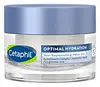
This barrier-repair moisturizer is formulated around Panthenol and Niacinamide to strengthen the skin barrier and hydrate skin.
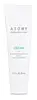
This calming moisturizer is formulated around Centella Asiatica Extract and Houttuynia Cordata Extract to calm redness and strengthen the skin barrier.


What's inside
What's inside
 Key Ingredients
Benefits
Concerns
Ingredients Side-by-side
Water
Skin ConditioningGlycerin
Humectant


Dimethicone
Emollient
Propanediol
Solvent
Panthenol
Skin Conditioning

Niacinamide
Smoothing







Octyldodecanol
Emollient
Sodium Polyacryloyldimethyl Taurate
Emulsion StabilisingHydrolyzed Hyaluronic Acid
Humectant
Sodium Hyaluronate
Humectant
Polyglutamic Acid
Skin Conditioning
Allantoin
Skin Conditioning
Xylitylglucoside
Humectant
Anhydroxylitol
Humectant
Distarch Phosphate
AbsorbentHydroxyacetophenone
Antioxidant
Acrylates/C10-30 Alkyl Acrylate Crosspolymer
Emulsion StabilisingCaprylyl Glycol
Emollient
1,2-Hexanediol
Skin Conditioning
Trehalose
Humectant
Urea
Buffering

Xylitol
Humectant
Xanthan Gum
EmulsifyingPentylene Glycol
Skin Conditioning
Serine
Masking
Sodium Hydroxide
BufferingPantolactone
Humectant
Algin
MaskingDisodium Phosphate
BufferingGlyceryl Polyacrylate
Pullulan
Globularia Alypum Leaf Extract
Skin ConditioningCitric Acid
Buffering
Potassium Phosphate
BufferingWater, Glycerin, Dimethicone, Propanediol, Panthenol, Niacinamide, Octyldodecanol, Sodium Polyacryloyldimethyl Taurate, Hydrolyzed Hyaluronic Acid, Sodium Hyaluronate, Polyglutamic Acid, Allantoin, Xylitylglucoside, Anhydroxylitol, Distarch Phosphate, Hydroxyacetophenone, Acrylates/C10-30 Alkyl Acrylate Crosspolymer, Caprylyl Glycol, 1,2-Hexanediol, Trehalose, Urea, Xylitol, Xanthan Gum, Pentylene Glycol, Serine, Sodium Hydroxide, Pantolactone, Algin, Disodium Phosphate, Glyceryl Polyacrylate, Pullulan, Globularia Alypum Leaf Extract, Citric Acid, Potassium Phosphate
Centella Asiatica Extract
Cleansing
Glycerin
Humectant
Houttuynia Cordata Extract
Skin Conditioning
Diglycerin
Humectant
Methylpropanediol
SolventPhenyl Trimethicone
Skin Conditioning
Althaea Officinalis Leaf Extract
Skin ConditioningAnthemis Nobilis Flower Extract
Masking
Foeniculum Vulgare Leaf Extract
HumectantLavandula Angustifolia Extract
Skin Conditioning

Ocimum Basilicum Extract
Antioxidant
Rosmarinus Officinalis Extract
AntimicrobialDicaprylyl Carbonate
EmollientDicaprylyl Ether
Emollient
Polyglyceryl-3 Methylglucose Distearate
Emulsifying
Isostearyl Alcohol
Emollient
Water
Skin ConditioningButylene Glycol Cocoate
Emulsifying


Glyceryl Stearate
Emollient
Methyl Trimethicone
Skin Conditioning
Portulaca Oleracea Extract
Skin Conditioning
Candida Bombicola/Glucose/Methyl Rapeseedate Ferment
Antimicrobial1,2-Hexanediol
Skin Conditioning
Ammonium Acryloyldimethyltaurate/Vp Copolymer
Madecassoside
Antioxidant
Eclipta Prostrata Leaf Extract
Skin ConditioningLaminaria Japonica Extract
Skin Protecting
Butylene Glycol
Humectant
Ficus Carica Fruit Extract
Humectant
Dipropylene Glycol
HumectantAcrylates/C10-30 Alkyl Acrylate Crosspolymer
Emulsion StabilisingSodium Stearoyl Glutamate
CleansingXanthan Gum
EmulsifyingTromethamine
BufferingDisodium EDTA
ChelatingAllantoin
Skin Conditioning
Ethylcellulose
Ethylhexylglycerin
Skin ConditioningHydrogenated Lecithin
Emulsifying
Fructooligosaccharides
Humectant
Macadamia Ternifolia Seed Oil
Emollient
Amaranthus Caudatus Seed Extract
Skin Conditioning
Beta-Glucan
Skin Conditioning
Ulmus Davidiana Root Extract
Skin Conditioning
Ceramide NP
Skin Conditioning
Ethoxydiglycol
HumectantHydrolyzed Hyaluronic Acid
Humectant
Asiaticoside
Antioxidant
Asiatic Acid
Skin Conditioning
Madecassic Acid
Skin Conditioning
Phytosphingosine
Skin Conditioning
Helianthus Annuus Seed Oil
Emollient
Sodium DNA
Skin Conditioning
Centella Asiatica Extract, Glycerin, Houttuynia Cordata Extract, Diglycerin, Methylpropanediol, Phenyl Trimethicone, Althaea Officinalis Leaf Extract, Anthemis Nobilis Flower Extract, Foeniculum Vulgare Leaf Extract, Lavandula Angustifolia Extract, Ocimum Basilicum Extract, Rosmarinus Officinalis Extract, Dicaprylyl Carbonate, Dicaprylyl Ether, Polyglyceryl-3 Methylglucose Distearate, Isostearyl Alcohol, Water, Butylene Glycol Cocoate, Glyceryl Stearate, Methyl Trimethicone, Portulaca Oleracea Extract, Candida Bombicola/Glucose/Methyl Rapeseedate Ferment, 1,2-Hexanediol, Ammonium Acryloyldimethyltaurate/Vp Copolymer, Madecassoside, Eclipta Prostrata Leaf Extract, Laminaria Japonica Extract, Butylene Glycol, Ficus Carica Fruit Extract, Dipropylene Glycol, Acrylates/C10-30 Alkyl Acrylate Crosspolymer, Sodium Stearoyl Glutamate, Xanthan Gum, Tromethamine, Disodium EDTA, Allantoin, Ethylcellulose, Ethylhexylglycerin, Hydrogenated Lecithin, Fructooligosaccharides, Macadamia Ternifolia Seed Oil, Amaranthus Caudatus Seed Extract, Beta-Glucan, Ulmus Davidiana Root Extract, Ceramide NP, Ethoxydiglycol, Hydrolyzed Hyaluronic Acid, Asiaticoside, Asiatic Acid, Madecassic Acid, Phytosphingosine, Helianthus Annuus Seed Oil, Sodium DNA
Reviews
Ingredients Explained
These ingredients are found in both products.
Ingredients higher up in an ingredient list are typically present in a larger amount.
1,2-Hexanediol is a synthetic liquid and another multi-functional powerhouse.
It is a:
- Humectant, drawing moisture into the skin
- Emollient, helping to soften skin
- Solvent, dispersing and stabilizing formulas
- Preservative booster, enhancing the antimicrobial activity of other preservatives
Acrylates/C10-30 Alkyl Acrylate Crosspolymer is a synthetic polymer. It is used to thicken, emulsify, and improve the texture of products.
As an emulsifier, it helps stabilize oil-in-water emulsions to give products an elegant feel when applied.
It can also form a thin protective film on skin. One study found that a formula using this polymer helped slow down how quickly other ingredients (like DEET) were absorbed through skin.
A 2024 study of over 1,300 patients confirmed that sensitization to this ingredient is rare. It is also non-mutagenic and has a clean track record.
Learn more about Acrylates/C10-30 Alkyl Acrylate CrosspolymerAllantoin is a soothing ingredient known for its protective and moisturizing properties; it's basically a quiet workhorse ingredient you can find in a huge range of cosmetics.
Though it can be derived from the comfrey plant, allantoin is produced synthetically for cosmetic products to ensure purity.
Research shows it can encourage your skin cells to turn over and renew by stimulating keratinocyte and fibroblast proliferation.
It also has mild keratolytic properties to help loosen and shed dead skin cells without being harsh.
Studies also suggest allantoin can help calm inflammation by dialing down some of the chemical signals your skin sends out when it is irritated.
This ingredient is typically used in the 0.1-0.5% range, and the FDA recognizes it as a skin protectant in OTC products up to 2%.
Overall, allantoin is a wonderful addition to most routines; it is stable across a wide pH range (~4-8), works well with other ingredients, and is considered non-sensitizing/non-irritating.
Fun fact: Allantoin is naturally occurring in comfrey root, beets, chamomile, and wheat sprouts. Our bodies even produce it as a byproduct of uric acid metabolism.
Learn more about AllantoinGlycerin (or glycerol) is a compound naturally found in your skin. It's a powerhouse humectant that pulls water into the stratum corneum.
Topically, glycerin does several things at once:
Your skin makes glycerin on its own (mostly from sebaceous oil breakdown) and shuttles it to your outermost layer of skin, or your epidermis, via aquaporin-3.
Aquaporin-3 is a transporter that is essential for normal skin hydration, elasticity, and repair. Interestingly, mice lacking in AQP3 have dry and less elastic skin that can be fully corrected with glycerin.
This ingredient is non-irritating, plays well with almost every ingredient, and works across all skin types. Typical use is anywhere between 3-10% but can go up to 79% in some leave-on products.
Just know very high concentrations (>40%) can feel tacky in low humidity.
Glycerin is the name for this ingredient in American English. British English uses Glycerol/Glycerine.
Learn more about GlycerinHydrolyzed Hyaluronic Acid is hyaluronic acid (HA) that is broken down into lower molecular weight fragments.
It's a humectant that pulls and holds water in the skin to help with hydration, plumpness, and reduce transepidermal water loss.
Because hydrolyzed hyaluronic acid is smaller in size, it can slip past your outermost layer of skin more easily than full-sized HA.
Most formulations will combine all sizes to get the best of both worlds.
Typical usage levels range from 0.01-1%. Any percentage higher than 2% might become goopy and tacky.
Learn more about Hydrolyzed Hyaluronic AcidWater. It's the most common cosmetic ingredient of all. You'll usually see it at the top of ingredient lists, meaning that it makes up the largest part of the product.
So why is it so popular? Water most often acts as a solvent - this means that it helps dissolve other ingredients into the formulation.
You'll also recognize water as that liquid we all need to stay alive. If you see this, drink a glass of water. Remember to stay hydrated!
Learn more about WaterXanthan gum is used as a stabilizer and thickener within cosmetic products. It helps give products a sticky, thick feeling - preventing them from being too runny.
On the technical side of things, xanthan gum is a polysaccharide - a combination consisting of multiple sugar molecules bonded together.
Xanthan gum is a pretty common and great ingredient. It is a natural, non-toxic, non-irritating ingredient that is also commonly used in food products.
Learn more about Xanthan Gum

