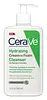
This mild gel cleanser is made to cleanse without leaving your skin tight or dry.
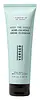
This salicylic acid cream cleanser is formulated around Salicylic Acid to clear breakouts and unclog pores.

What's inside
What's inside
 Key Ingredients
Benefits
Concerns
Ingredients Side-by-side
Water
Skin ConditioningGlycerin
Humectant


Sodium Methyl Cocoyl Taurate
Cleansing
Coco-Betaine
Cleansing
Sodium Cocoyl Isethionate
Cleansing
Sodium Chloride
MaskingPCA
Humectant
PPG-5-Ceteth-20
EmulsifyingPEG-100 Stearate
Surfactant

PEG-150 Pentaerythrityl Tetrastearate
Emulsifying
PEG-6 Caprylic/Capric Glycerides
EmulsifyingPEG-30 Dipolyhydroxystearate
Emulsifying
CI 77891
Cosmetic ColorantAspartic Acid
Masking
Ceramide NP
Skin Conditioning



Ceramide AP
Skin Conditioning
Ceramide EOP
Skin Conditioning
Sorbitan Isostearate
Emulsifying
Carbomer
Emulsion StabilisingGlycol Distearate
Emollient
Glyceryl Stearate
Emollient
Glyceryl Oleate
Emollient

Glycine
Buffering
Trideceth-6
EmulsifyingCetearyl Alcohol
Emollient



Behentrimonium Methosulfate
SurfactantThreonine
Sodium Hydroxide
BufferingSalicylic Acid
Masking








Sodium PCA
Humectant
Sodium Lactate
Buffering
Arginine
Masking
Sodium Lauroyl Lactylate
EmulsifyingSerine
Masking
Sodium Benzoate
Masking
Valine
MaskingSodium Hyaluronate
Humectant
Proline
Skin Conditioning
Isoleucine
Skin ConditioningCholesterol
Emollient
Phenoxyethanol
Preservative
Alanine
Masking
Phenylalanine
Masking
Coconut Acid
Cleansing
Coco-Glucoside
Cleansing
Chlorphenesin
Antimicrobial
Disodium EDTA
ChelatingHydroxyethyl Urea
Humectant
Citric Acid
Buffering
Hydroxyethyl Acrylate/Sodium Acryloyldimethyl Taurate Copolymer
Emulsion StabilisingCaprylyl Glycol
Emollient
Phytosphingosine
Skin Conditioning
Xanthan Gum
EmulsifyingHistidine
Humectant
Acrylates/C10-30 Alkyl Acrylate Crosspolymer
Emulsion StabilisingPolyquaternium-53
Polyquaternium-39
Polysorbate 60
Emulsifying
Ethylhexylglycerin
Skin ConditioningBenzoic Acid
Masking
Water, Glycerin, Sodium Methyl Cocoyl Taurate, Coco-Betaine, Sodium Cocoyl Isethionate, Sodium Chloride, PCA, PPG-5-Ceteth-20, PEG-100 Stearate, PEG-150 Pentaerythrityl Tetrastearate, PEG-6 Caprylic/Capric Glycerides, PEG-30 Dipolyhydroxystearate, CI 77891, Aspartic Acid, Ceramide NP, Ceramide AP, Ceramide EOP, Sorbitan Isostearate, Carbomer, Glycol Distearate, Glyceryl Stearate, Glyceryl Oleate, Glycine, Trideceth-6, Cetearyl Alcohol, Behentrimonium Methosulfate, Threonine, Sodium Hydroxide, Salicylic Acid, Sodium PCA, Sodium Lactate, Arginine, Sodium Lauroyl Lactylate, Serine, Sodium Benzoate, Valine, Sodium Hyaluronate, Proline, Isoleucine, Cholesterol, Phenoxyethanol, Alanine, Phenylalanine, Coconut Acid, Coco-Glucoside, Chlorphenesin, Disodium EDTA, Hydroxyethyl Urea, Citric Acid, Hydroxyethyl Acrylate/Sodium Acryloyldimethyl Taurate Copolymer, Caprylyl Glycol, Phytosphingosine, Xanthan Gum, Histidine, Acrylates/C10-30 Alkyl Acrylate Crosspolymer, Polyquaternium-53, Polyquaternium-39, Polysorbate 60, Ethylhexylglycerin, Benzoic Acid
Salicylic Acid 1.5%
Masking
Water
Skin ConditioningSodium Cocoyl Isethionate
Cleansing
Stearic Acid
Cleansing
Rosa Centifolia Flower Water
Skin ConditioningPropanediol
Solvent
Glycerin
Humectant
Glyceryl Stearate Se
Emulsifying
Coconut Acid
Cleansing
Phenoxyethanol
Preservative
Pyrus Malus Fruit Extract
Skin Conditioning
Sodium Hydroxide
BufferingHydroxyacetophenone
Antioxidant
Sodium Isethionate
CleansingXanthan Gum
EmulsifyingMenthoxypropanediol
Masking
Ethylhexylglycerin
Skin ConditioningCI 77891
Cosmetic ColorantTanacetum Annuum Flower Oil
Masking
Tetrasodium Glutamate Diacetate
ChelatingMica
Cosmetic ColorantBiosaccharide Gum-1
Humectant
Microcitrus Australasica Fruit Extract
CI 77510
Cosmetic ColorantCitric Acid
Buffering
Potassium Sorbate
Preservative
Sodium Benzoate
Masking
Propylene Glycol
Humectant
Tin Oxide
Abrasive
Sodium Glycolate
BufferingSodium Formate
Buffering
Lactobacillus Extract Filtrate
HumectantSalicylic Acid 1.5%, Water, Sodium Cocoyl Isethionate, Stearic Acid, Rosa Centifolia Flower Water, Propanediol, Glycerin, Glyceryl Stearate Se, Coconut Acid, Phenoxyethanol, Pyrus Malus Fruit Extract, Sodium Hydroxide, Hydroxyacetophenone, Sodium Isethionate, Xanthan Gum, Menthoxypropanediol, Ethylhexylglycerin, CI 77891, Tanacetum Annuum Flower Oil, Tetrasodium Glutamate Diacetate, Mica, Biosaccharide Gum-1, Microcitrus Australasica Fruit Extract, CI 77510, Citric Acid, Potassium Sorbate, Sodium Benzoate, Propylene Glycol, Tin Oxide, Sodium Glycolate, Sodium Formate, Lactobacillus Extract Filtrate
Reviews
Ingredients Explained
These ingredients are found in both products.
Ingredients higher up in an ingredient list are typically present in a larger amount.
Ci 77891 is a white pigment from Titanium dioxide. It is naturally found in minerals such as rutile and ilmenite.
It's main function is to add a white color to cosmetics. It can also be mixed with other colors to create different shades.
Ci 77891 is commonly found in sunscreens due to its ability to block UV rays.
Learn more about CI 77891Citric Acid is an alpha hydroxy acid (AHA) naturally found in citrus fruits like oranges, lemons, and limes.
Like other AHAs, citric acid can exfoliate skin by breaking down the bonds that hold dead skin cells together. This helps reveal smoother and brighter skin underneath.
However, this exfoliating effect only happens at high concentrations (20%) which can be hard to find in cosmetic products.
Due to this, citric acid is usually included in small amounts as a pH adjuster. This helps keep products slightly more acidic and compatible with skin's natural pH.
In skincare formulas, citric acid can:
While it can provide some skin benefits, research shows lactic acid and glycolic acid are generally more effective and less irritating exfoliants.
Most citric acid used in skincare today is made by fermenting sugars (usually from molasses). This synthetic version is identical to the natural citrus form but easier to stabilize and use in formulations.
Rosacea skin has a lower threshold for acids generally, with 62.5% of rosacea subjects in one study reacting to lactic acid in a sting test. This is why we mark citric acid as a potential rosacea trigger.
However, this ingredient shows up as a pH adjuster or chelator at roughly 0.1-1% in many products. These low levels are unlikely to be an issue for rosacea skin and becomes a potential trigger at exfoliating concentrations (20%). Because everybody's skin is unique, we recommend a patch test if you are unsure.
Learn more about Citric AcidCoconut acid is a mixture of fatty acids obtains by hydrolyzing coconut oil and then distilling the fatty acid portion. It works as a cleansing surfactant, emollient, and emulsifier depending on the formulation.
This ingredient is not a single compound but reflects the fatty acid profile of coconut oil itself, which is about 90% saturated.
The dominant fatty acid is lauric acid (44-54%) and then myristic acid (13-19%). There are also small amounts of caprylic, capric, palmitic, oleic, and linoleic acids.
Human testing from CIR has shown no indication this ingredient to be a primary irritant, sensitizer, or phototoxic compound. It's COSMOS-approved for natural and organic products.
Due to the fatty acid content, this ingredient may not be fungal acne safe. Research has confirmed Malassezia can use lauric acid as a food source.
Learn more about Coconut AcidEthylhexylglycerin is created from glycerin. It is a multitasker ingredient that:
The CIR Expert Panel found minimal skin absorption or sensitization of any kind in a safety assessment. Though this ingredient is considered well-tolerated, a small number of cases of allergic dermatitis have been published since 2002. Just be sure to patch test if you are unsure.
Industry-reported use ranges from 8% in rinse-off products and 2% in leave-on formulations.
Learn more about EthylhexylglycerinGlycerin (or glycerol) is a compound naturally found in your skin. It's a powerhouse humectant that pulls water into the stratum corneum.
Topically, glycerin does several things at once:
Your skin makes glycerin on its own (mostly from sebaceous oil breakdown) and shuttles it to your outermost layer of skin, or your epidermis, via aquaporin-3.
Aquaporin-3 is a transporter that is essential for normal skin hydration, elasticity, and repair. Interestingly, mice lacking in AQP3 have dry and less elastic skin that can be fully corrected with glycerin.
This ingredient is non-irritating, plays well with almost every ingredient, and works across all skin types. Typical use is anywhere between 3-10% but can go up to 79% in some leave-on products.
Just know very high concentrations (>40%) can feel tacky in low humidity.
Glycerin is the name for this ingredient in American English. British English uses Glycerol/Glycerine.
Learn more about GlycerinPhenoxyethanol is one of the most widely used preservatives in skincare (and for good reason!).
It has a large spectrum of antimicrobial activity and especially effective bacteria, yeast, and mold while only having a weak effect on your skin's natural microbiome.
On a cellular level, it disrupts the cell membranes of microbes by poking holes that make the cell leak. This shuts down the chemical reactions the microbe needs to make energy so it can no longer survive.
Another perk of this ingredient is that it stays functional across a wide pH range (3-10).
You'll often see it paired with boosters like Ethylhexylglycerin; one study showed that a 1:9 ratio of Ethylhexylglycerin to Phenoxyethanol damages bacterial membranes as effectively as doubling the Phenoxyethanol concentration on its own.
Typical use concentrations range from 0.3-1% depending on the formula, and this ingredient is capped at 1% int the EU.
Safety-wise, the fear mongering does not hold up to the evidence. The EU's Scientific Committee on Consumer Safety and FDA consider it safe as a preservative at up to 1%, including for children of all ages.
Adverse systemic effects only showed up in animal studies at exposures roughly 200x higher than what people get from cosmetics. And despite its very widespread use, this ingredient is a rare sensitizer and allergic reactions are uncommon.
Learn more about PhenoxyethanolSalicylic Acid (also known as beta hydroxy acid or BHA) is a well-known ingredient for treating skin that struggles with acne and clogged pores. It exfoliates both the skin's surface and deep within the pores to help clear out buildup, control oil, and reduce inflammation.
Unlike AHAs (alpha hydroxy acids), salicylic acid is oil-soluble. This allows it to penetrate into pores which makes it especially effective for treating blackheads and preventing future breakouts.
Salicylic acid is also known for its soothing properties. It has a similar structure to aspirin and can calm inflamed or irritated skin, making it a good option for acne-prone skin that is also sensitive.
Concentrations of 0.5-2% are recognized by the U.S. FDA as an over-the-counter topical acne product.
It can cause irritation and/or dryness if one's skin already has a compromised moisture barrier, so it's best to focus on repairing that before introducing this ingredient into your routine.
While salicylic acid does not increase sun sensitivity, it’s still important to wear sunscreen daily to protect your skin.
If you are looking for the ingredient called BHA or Butylated Hydroxyanisole, click here.
Learn more about Salicylic AcidSodium Benzoate is a preservative. It's used in both cosmetic and food products to inhibit the growth of mold and bacteria. It is typically produced synthetically.
Both the US FDA and EU Health Committee have approved the use of sodium benzoate. In the US, levels of 0.1% (of the total product) are allowed.
Sodium benzoate works as a preservative by inhibiting the growth of bacteria inside of cells. It prevents the cell from fermenting a type of sugar using an enzyme called phosphofructokinase.
It is the salt of benzoic acid. Foods containing sodium benzoate include soda, salad dressings, condiments, fruit juices, wines, and snack foods.
Studies for using ascorbic acid and sodium benzoate in cosmetics are lacking, especially in skincare routines with multiple steps.
We always recommend speaking with a professional, such as a dermatologist, if you have any concerns.
Learn more about Sodium BenzoateSodium cocoyl isethionate is a natural ingredient from coconut oil. It is an ultra gentle cleanser that gives a nice foam without drying the skin or impacting the skin barrier.
The amount of foam created depends on the amount of sodium cocoyl isethionate used in the product.
This ingredient also helps improve the spreadability of a product.
This ingredient hasn’t been shown in studies to feed fungal acne yeast.
Learn more about Sodium Cocoyl IsethionateSodium Hydroxide is also known as lye or caustic soda. It is used to adjust the pH of products; many ingredients require a specific pH to be effective.
In small amounts, sodium hydroxide is considered safe to use. However, large amounts may cause chemical burns due to its high alkaline.
Your skin has a natural pH and acid mantle. This acid mantle helps prevent harmful bacteria from breaking through. The acid mantle also helps keep your skin hydrated.
"Alkaline" refers to a high pH level. A low pH level would be considered acidic.
Learn more about Sodium HydroxideWater. It's the most common cosmetic ingredient of all. You'll usually see it at the top of ingredient lists, meaning that it makes up the largest part of the product.
So why is it so popular? Water most often acts as a solvent - this means that it helps dissolve other ingredients into the formulation.
You'll also recognize water as that liquid we all need to stay alive. If you see this, drink a glass of water. Remember to stay hydrated!
Learn more about WaterXanthan gum is used as a stabilizer and thickener within cosmetic products. It helps give products a sticky, thick feeling - preventing them from being too runny.
On the technical side of things, xanthan gum is a polysaccharide - a combination consisting of multiple sugar molecules bonded together.
Xanthan gum is a pretty common and great ingredient. It is a natural, non-toxic, non-irritating ingredient that is also commonly used in food products.
Learn more about Xanthan Gum

