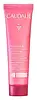
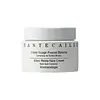
Caudalie Vinohydra Sorbet Cream Moisturizer Versus Chantecaille Blanc Peony Face Cream Dark Spot Corrector
This brightening moisturizer is formulated around Rosa Damascena Flower Water and Isobutylamido Thiazolyl Resorcinol to fade the look of dark spots.


What's inside
What's inside
 Key Ingredients
Benefits
Concerns
Ingredients Side-by-side
Water
Skin ConditioningVitis Vinifera Fruit Water
Skin ConditioningDicaprylyl Ether
Emollient
Glycerin
Humectant

Butyrospermum Parkii Butter Extract
Skin Conditioning

Hexyldecanol
Emollient
Hexyldecyl Laurate
EmollientPalmitoyl Grape Seed Extract
Skin ConditioningBehenyl Alcohol
Emollient
Glyceryl Stearate
Emollient
Acrylates/C10-30 Alkyl Acrylate Crosspolymer
Emulsion StabilisingErythritol
Humectant
Lecithin
Emollient
Mannitol
Humectant
Tocopherol
Antioxidant





Caprylyl Glycol
Emollient
Helianthus Annuus Seed Oil
Emollient
Xanthan Gum
EmulsifyingSodium Benzoate
Masking
Vitis Vinifera Juice
Antioxidant
Glycine Soja Sterols
Emollient
Butylene Glycol
Humectant
Chamomilla Recutita Flower Extract
Masking
Sodium Hydroxide
BufferingCitric Acid
Buffering
Sodium Carboxymethyl Beta-Glucan
CleansingSodium Citrate
BufferingSodium Phytate
ChelatingPotassium Sorbate
Preservative
Biosaccharide Gum-1
Humectant
Sodium Hyaluronate
Humectant
Sodium Levulinate
Skin ConditioningGlyceryl Caprylate
EmollientHomarine Hcl
Skin ConditioningSodium Anisate
AntimicrobialAlcohol
Antimicrobial



Acetyl Tetrapeptide-15
Skin Conditioning
Parfum
Masking

Water, Vitis Vinifera Fruit Water, Dicaprylyl Ether, Glycerin, Butyrospermum Parkii Butter Extract, Hexyldecanol, Hexyldecyl Laurate, Palmitoyl Grape Seed Extract, Behenyl Alcohol, Glyceryl Stearate, Acrylates/C10-30 Alkyl Acrylate Crosspolymer, Erythritol, Lecithin, Mannitol, Tocopherol, Caprylyl Glycol, Helianthus Annuus Seed Oil, Xanthan Gum, Sodium Benzoate, Vitis Vinifera Juice, Glycine Soja Sterols, Butylene Glycol, Chamomilla Recutita Flower Extract, Sodium Hydroxide, Citric Acid, Sodium Carboxymethyl Beta-Glucan, Sodium Citrate, Sodium Phytate, Potassium Sorbate, Biosaccharide Gum-1, Sodium Hyaluronate, Sodium Levulinate, Glyceryl Caprylate, Homarine Hcl, Sodium Anisate, Alcohol, Acetyl Tetrapeptide-15, Parfum
Water
Skin ConditioningRosa Damascena Flower Water
Masking
Glycerin
Humectant
Butylene Glycol
Humectant
Diisopropyl Sebacate
EmollientDimethicone
Emollient
Behenyl Alcohol
Emollient
Butyrospermum Parkii Butter
Skin Conditioning

Dicaprylyl Ether
Emollient
Glyceryl Stearate Citrate
Emollient
C12-16 Alcohols
EmollientDiisopropyl Adipate
EmollientGlyceryl Stearate
Emollient
Palmitic Acid
Emollient
Sodium Citrate
BufferingHydrogenated Lecithin
Emulsifying
Propanediol
Solvent
Yeast Extract
Skin ConditioningTocopherol
Antioxidant
Helianthus Annuus Seed Oil
Emollient
Ethylhexylglycerin
Skin ConditioningCitric Acid
Buffering
Isobutylamido Thiazolyl Resorcinol
Bleaching
Sodium Stearoyl Glutamate
CleansingSuccinoglycan
Skin ConditioningTrisodium Ethylenediamine Disuccinate
ChelatingMannose
HumectantSodium Hyaluronate
Humectant
Sodium Mannose Phosphate
HumectantXanthan Gum
EmulsifyingPaeonia Lactiflora Root Extract
Skin ConditioningSoy Amino Acids
Skin ConditioningBiosaccharide Gum-1
Humectant
Mirabilis Jalapa Extract
Skin ConditioningRosa Damascena Flower Extract
Masking
Daphne Odora Callus Extract
Skin ProtectingPortulaca Oleracea Extract
Skin Conditioning
Nicotiana Sylvestris Leaf Cell Culture
Skin ConditioningDaucus Carota Sativa Seed Oil
Emollient
Palmitoyl Tetrapeptide-10
Skin Conditioning
Pelargonium Graveolens Oil
Masking
Citrus Junos Peel Oil
Astringent
Cistus Ladaniferus Oil
Emollient
Geraniol
Perfuming
Linalool
Perfuming
Citronellol
Perfuming
Phenoxyethanol
Preservative
Potassium Sorbate
Preservative
Sodium Benzoate
Masking
Water, Rosa Damascena Flower Water, Glycerin, Butylene Glycol, Diisopropyl Sebacate, Dimethicone, Behenyl Alcohol, Butyrospermum Parkii Butter, Dicaprylyl Ether, Glyceryl Stearate Citrate, C12-16 Alcohols, Diisopropyl Adipate, Glyceryl Stearate, Palmitic Acid, Sodium Citrate, Hydrogenated Lecithin, Propanediol, Yeast Extract, Tocopherol, Helianthus Annuus Seed Oil, Ethylhexylglycerin, Citric Acid, Isobutylamido Thiazolyl Resorcinol, Sodium Stearoyl Glutamate, Succinoglycan, Trisodium Ethylenediamine Disuccinate, Mannose, Sodium Hyaluronate, Sodium Mannose Phosphate, Xanthan Gum, Paeonia Lactiflora Root Extract, Soy Amino Acids, Biosaccharide Gum-1, Mirabilis Jalapa Extract, Rosa Damascena Flower Extract, Daphne Odora Callus Extract, Portulaca Oleracea Extract, Nicotiana Sylvestris Leaf Cell Culture, Daucus Carota Sativa Seed Oil, Palmitoyl Tetrapeptide-10, Pelargonium Graveolens Oil, Citrus Junos Peel Oil, Cistus Ladaniferus Oil, Geraniol, Linalool, Citronellol, Phenoxyethanol, Potassium Sorbate, Sodium Benzoate
Reviews
Ingredients Explained
These ingredients are found in both products.
Ingredients higher up in an ingredient list are typically present in a larger amount.
Behenyl Alcohol is a type of fatty alcohol (these are different from the drying, solvent alcohols).
Fatty Alcohols have hydrating properties and are most often used as an emollient or to thicken a product. They are usually derived from natural fats and oils; behenyl alcohol is derived from the fats of vegetable oils.
Emollients help keep your skin soft and hydrated by creating a film that traps moisture in.
In 2000, Behenyl Alcohol was approved by the US as medicine to reduce the duration of cold sores.
Learn more about Behenyl AlcoholBiosaccharide Gum-1 is a sugar created by fermenting sorbitol (which usually comes from potato starch!). It is known for its soothing and moisturizing properties.
Manufacturer tests show this ingredient helped reduce irritation from lactic acid by almost half and kept skin hydrated long-term as a humectant
Beyond hydration, Biosaccharide Gum-1 gives formulas a silky, non-sticky feel.
This ingredient is gentle, versatile, and suitable for all skin types.
Fun fact: Similar sugars can be found naturally in fruits like apples and pears.
Learn more about Biosaccharide Gum-1Butylene Glycol (or BG) is used within cosmetic products for a few different reasons:
Overall, Butylene Glycol is a safe and well-rounded ingredient that works well with other ingredients.
Though this ingredient works well with most skin types, some people with sensitive skin may experience a reaction such as allergic rashes, closed comedones, or itchiness.
Learn more about Butylene GlycolCitric Acid is an alpha hydroxy acid (AHA) naturally found in citrus fruits like oranges, lemons, and limes.
Like other AHAs, citric acid can exfoliate skin by breaking down the bonds that hold dead skin cells together. This helps reveal smoother and brighter skin underneath.
However, this exfoliating effect only happens at high concentrations (20%) which can be hard to find in cosmetic products.
Due to this, citric acid is usually included in small amounts as a pH adjuster. This helps keep products slightly more acidic and compatible with skin's natural pH.
In skincare formulas, citric acid can:
While it can provide some skin benefits, research shows lactic acid and glycolic acid are generally more effective and less irritating exfoliants.
Most citric acid used in skincare today is made by fermenting sugars (usually from molasses). This synthetic version is identical to the natural citrus form but easier to stabilize and use in formulations.
Rosacea skin has a lower threshold for acids generally, with 62.5% of rosacea subjects in one study reacting to lactic acid in a sting test. This is why we mark citric acid as a potential rosacea trigger.
However, this ingredient shows up as a pH adjuster or chelator at roughly 0.1-1% in many products. These low levels are unlikely to be an issue for rosacea skin and becomes a potential trigger at exfoliating concentrations (20%). Because everybody's skin is unique, we recommend a patch test if you are unsure.
Learn more about Citric AcidDicaprylyl Ether is created from caprylic acid. It is a texture-enhancer and emollient.
As an emollient, Dicaprylyl Ether is non-comedogenic. It helps soften and smooth the skin by creating a barrier on top. This barrier helps trap moisture in, helping to hydrate the skin.
Dicaprylyl Ether gives a non-greasy feel and better spreadability to products.
Learn more about Dicaprylyl EtherGlycerin (or glycerol) is a compound naturally found in your skin. It's a powerhouse humectant that pulls water into the stratum corneum.
Topically, glycerin does several things at once:
Your skin makes glycerin on its own (mostly from sebaceous oil breakdown) and shuttles it to your outermost layer of skin, or your epidermis, via aquaporin-3.
Aquaporin-3 is a transporter that is essential for normal skin hydration, elasticity, and repair. Interestingly, mice lacking in AQP3 have dry and less elastic skin that can be fully corrected with glycerin.
This ingredient is non-irritating, plays well with almost every ingredient, and works across all skin types. Typical use is anywhere between 3-10% but can go up to 79% in some leave-on products.
Just know very high concentrations (>40%) can feel tacky in low humidity.
Glycerin is the name for this ingredient in American English. British English uses Glycerol/Glycerine.
Learn more about GlycerinGlyceryl Stearate is made by reacting glycerin with stearic acid (typically sourced from plant oils like palm or coconut). It's an emulsifier, emollient, and mild occlusive.
Emulsifiers help ingredients like oil and water stay mixed so your formula stays nicely blended and uniform in texture.
This ingredient is typically used in concentrations between 1-10%. Studies have found it to be non-sensitizing, non-phototoxic, and non-photoallergenic.
A close cousin of this ingredient is Glyceryl Stearate SE ("self-emulsifying"). This just has a small amount of sodium or potassium stearate added so it can emulsify without a co-emulsifier.
Since this ingredient is an ester of a C18 fatty acid, it may not be fungal acne safe. The Malassezia yeast can potentially metabolize within the C11-C24 range.
Fun fact: The human body also creates Glyceryl Stearate naturally.
Learn more about Glyceryl StearateHelianthus Annuus Seed Oil is a plant oil derived from the seeds of a sunflower.
It is rich in fatty acids, primarily linoleic acid and oleic acid. This gives it emollient and skin conditioning properties.
The reason this ingredient is so effective is because it forms a thin film on the skin that reduces transepidermal water loss (TEWL) while supplying linoleic acid to the stratum corneum to improve barrier strength.
The high linoleic acid content is particularly noteworthy for acne-prone skin.
Research suggests that acne-prone skin tends to be deficient in linoleic acid in sebum. Topical application may help replenish this to support a healthier follicular environment and less comedone-promoting sebum.
One randomized study found sunflower seed oil preserved skin barrier integrity in adult volunteers with and without atopic dermatitis (outperforming olive oil).
This ingredient is well-studied, gentle, and an effective emollient suitable for most skin types.
On fungal acne: This ingredient may not be Fungal acne (Malassezia folliculitis) safe. This is because it contains fatty acids with carbon chain lengths in the C11-C24 range.
Learn more about Helianthus Annuus Seed OilPotassium Sorbate is a preservative used to prevent yeast and mold in products. It is commonly found in both cosmetic and food products.
This ingredient comes from potassium salt derived from sorbic acid. Sorbic acid is a natural antibiotic and effective against fungus.
Both potassium sorbate and sorbic acid can be found in baked goods, cheeses, dried meats, dried fruit, ice cream, pickles, wine, yogurt, and more.
You'll often find this ingredient used with other preservatives.
Learn more about Potassium SorbateSodium Benzoate is a preservative. It's used in both cosmetic and food products to inhibit the growth of mold and bacteria. It is typically produced synthetically.
Both the US FDA and EU Health Committee have approved the use of sodium benzoate. In the US, levels of 0.1% (of the total product) are allowed.
Sodium benzoate works as a preservative by inhibiting the growth of bacteria inside of cells. It prevents the cell from fermenting a type of sugar using an enzyme called phosphofructokinase.
It is the salt of benzoic acid. Foods containing sodium benzoate include soda, salad dressings, condiments, fruit juices, wines, and snack foods.
Studies for using ascorbic acid and sodium benzoate in cosmetics are lacking, especially in skincare routines with multiple steps.
We always recommend speaking with a professional, such as a dermatologist, if you have any concerns.
Learn more about Sodium BenzoateSodium Citrate is the sodium salts of citric acid. In skincare, it is used to alter pH levels and acts as a preservative.
Its main functions are to maintain the pH of a product and neutralize metal ions.
The acidity of our skin is maintained by our glands and skin biome; normal pH level of skin is slightly acidic (~4.75-5.5).
Being slightly acidic allows our skin to create an "acid mantle". This acid mantle is a thin barrier that protects our skin from bacteria and contaminants.
Learn more about Sodium CitrateSodium Hyaluronate is the salt form of hyaluronic acid. It is a long sugar chain that is naturally found in your skin, joints, and connective tissue that maintains hydration and elasticity.
In skincare, it works as a humectant. It pulls water from the environment and deeper layers of skin and binds it to the surface.
Interestingly, the size of the molecule affects its behavior:
Some clinical evidence links low molecular weight versions to improved wrinkle depth, elasticity, anti-inflammatory effects, and barrier repair.
Many serums use a blend of both weights so you can get surface hydration plus longer-lasting and deeper effects.
You'll typically see concentrations between 0.1-2% for this ingredient.
Learn more about Sodium HyaluronateTocopherol is a fat-soluble antioxidant known as Vitamin E.
You'll find this ingredient in the vast majority of skincare (for good reason). It works to neutralize free radicals, or unstable molecules generated by UV exposure, pollution, and other environmental stressors, before they can cause oxidative damage to your skin cells.
Topically applied tocopherol has been shown to protect against UV damage by ramping up the skin's own natural defense enzymes.
It also acts as a skin conditioning agent; some studies show that regular topical use can improve the skin's water-binding capacity over 2-4 weeks.
This ingredient is especially loved for being a team player. When combined with Vitamin C, the photoprotective effect of both ingredients roughly doubles and the combo also helps reduce UV-induced DNA damage.
This ingredient has some brightening potential but it's more of a prevention ingredient than spot-fader. Cell studies show it can slow down melanin production but it's worth noting that it's not the most powerful brightener out there.
In formulations, it also serves as a stabilizer that helps protect other oxidation-prone ingredients from degrading.
Concentrations usually range from 0.1-1% in most leave-on products.
Learn more about TocopherolWater. It's the most common cosmetic ingredient of all. You'll usually see it at the top of ingredient lists, meaning that it makes up the largest part of the product.
So why is it so popular? Water most often acts as a solvent - this means that it helps dissolve other ingredients into the formulation.
You'll also recognize water as that liquid we all need to stay alive. If you see this, drink a glass of water. Remember to stay hydrated!
Learn more about WaterXanthan gum is used as a stabilizer and thickener within cosmetic products. It helps give products a sticky, thick feeling - preventing them from being too runny.
On the technical side of things, xanthan gum is a polysaccharide - a combination consisting of multiple sugar molecules bonded together.
Xanthan gum is a pretty common and great ingredient. It is a natural, non-toxic, non-irritating ingredient that is also commonly used in food products.
Learn more about Xanthan Gum

