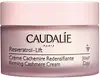
This anti-aging day moisturizer is formulated around Palmitoyl Grapevine Shoot Extract and Hydrolyzed Hyaluronic Acid to soften the look of wrinkles and hydrate skin.


What's inside
What's inside
 Key Ingredients
Benefits
Concerns
Ingredients Side-by-side
Water
Skin ConditioningCoco-Caprylate/Caprate
Emollient
Caprylic/Capric Triglyceride
Masking

Butylene Glycol
Humectant
Octyldodecyl Myristate
EmollientGlycerin
Humectant
Butyrospermum Parkii Butter Extract
Skin Conditioning

Cetearyl Alcohol
Emollient



C12-16 Alcohols
EmollientMicrocrystalline Cellulose
AbsorbentVitis Vinifera Seed Oil
Emollient

Palmitoyl Grapevine Shoot Extract
Antioxidant


Cetearyl Glucoside
Emulsifying
CI 77891
Cosmetic ColorantHydrogenated Lecithin
Emulsifying
Palmitic Acid
Emollient
Potassium Cetyl Phosphate
EmulsifyingMica
Cosmetic ColorantCaprylyl Glycol
Emollient
Polyacrylate Crosspolymer-6
Emulsion StabilisingBenzyl Alcohol
Perfuming





Tocopherol
Antioxidant

Helianthus Annuus Seed Oil
Emollient
Xanthan Gum
EmulsifyingHydrolyzed Hyaluronic Acid
Humectant
Lecithin
Emollient
Adenosine
Skin Conditioning
Sodium Phytate
ChelatingAcetyl Dipeptide-1 Cetyl Ester
Skin Conditioning
Hyaluronic Acid
Humectant
Dehydroacetic Acid
Preservative
Silica
Abrasive


Khaya Senegalensis Bark Extract
Skin ProtectingMaltodextrin
Absorbent
Tin Oxide
Abrasive
Sodium Hydroxide
BufferingPaeonia Lactiflora Root Extract
Skin ConditioningCitric Acid
Buffering
Parfum
Masking
Linalool
Perfuming
Limonene
Perfuming
Coumarin
Perfuming
Water, Coco-Caprylate/Caprate, Caprylic/Capric Triglyceride, Butylene Glycol, Octyldodecyl Myristate, Glycerin, Butyrospermum Parkii Butter Extract, Cetearyl Alcohol, C12-16 Alcohols, Microcrystalline Cellulose, Vitis Vinifera Seed Oil, Palmitoyl Grapevine Shoot Extract, Cetearyl Glucoside, CI 77891, Hydrogenated Lecithin, Palmitic Acid, Potassium Cetyl Phosphate, Mica, Caprylyl Glycol, Polyacrylate Crosspolymer-6, Benzyl Alcohol, Tocopherol, Helianthus Annuus Seed Oil, Xanthan Gum, Hydrolyzed Hyaluronic Acid, Lecithin, Adenosine, Sodium Phytate, Acetyl Dipeptide-1 Cetyl Ester, Hyaluronic Acid, Dehydroacetic Acid, Silica, Khaya Senegalensis Bark Extract, Maltodextrin, Tin Oxide, Sodium Hydroxide, Paeonia Lactiflora Root Extract, Citric Acid, Parfum, Linalool, Limonene, Coumarin
Water
Skin ConditioningIsopropyl Isostearate
Emollient
Triethylhexanoin
MaskingGlycerin
Humectant
Butylene Glycol
Humectant
Panthenol
Skin Conditioning
Squalane
Emollient
Tocopheryl Acetate
Antioxidant
Creatine
Skin ConditioningSorbitol
Humectant
Arginine
Masking
Collagen Amino Acids
Moisturising
Sodium Hyaluronate
Humectant
Palmitoyl Tripeptide-1
Skin Conditioning
Palmitoyl Tetrapeptide-7
Skin Conditioning
Cetyl Alcohol
Emollient
Butyrospermum Parkii Butter
Skin Conditioning
Polyisobutene
Silica
Abrasive
Cetearyl Olivate
Dimethicone
Emollient
Potassium Cetyl Phosphate
EmulsifyingPropylene Glycol
Humectant
Sorbitan Olivate
Emulsifying
Sodium Polyacrylate
Absorbent
Polyacrylate-13
Acrylates/C10-30 Alkyl Acrylate Crosspolymer
Emulsion StabilisingXanthan Gum
EmulsifyingPolysorbate 20
Emulsifying
Carbomer
Emulsion StabilisingCoco-Glucoside
Cleansing
Disodium EDTA
ChelatingPantolactone
Humectant
Phenoxyethanol
Preservative
Ethylhexylglycerin
Skin ConditioningWater, Isopropyl Isostearate, Triethylhexanoin, Glycerin, Butylene Glycol, Panthenol, Squalane, Tocopheryl Acetate, Creatine, Sorbitol, Arginine, Collagen Amino Acids, Sodium Hyaluronate, Palmitoyl Tripeptide-1, Palmitoyl Tetrapeptide-7, Cetyl Alcohol, Butyrospermum Parkii Butter, Polyisobutene, Silica, Cetearyl Olivate, Dimethicone, Potassium Cetyl Phosphate, Propylene Glycol, Sorbitan Olivate, Sodium Polyacrylate, Polyacrylate-13, Acrylates/C10-30 Alkyl Acrylate Crosspolymer, Xanthan Gum, Polysorbate 20, Carbomer, Coco-Glucoside, Disodium EDTA, Pantolactone, Phenoxyethanol, Ethylhexylglycerin
Ingredients Explained
These ingredients are found in both products.
Ingredients higher up in an ingredient list are typically present in a larger amount.
Butylene Glycol (or BG) is used within cosmetic products for a few different reasons:
Overall, Butylene Glycol is a safe and well-rounded ingredient that works well with other ingredients.
Though this ingredient works well with most skin types, some people with sensitive skin may experience a reaction such as allergic rashes, closed comedones, or itchiness.
Learn more about Butylene GlycolGlycerin (or glycerol) is a compound naturally found in your skin. It's a powerhouse humectant that pulls water into the stratum corneum.
Topically, glycerin does several things at once:
Your skin makes glycerin on its own (mostly from sebaceous oil breakdown) and shuttles it to your outermost layer of skin, or your epidermis, via aquaporin-3.
Aquaporin-3 is a transporter that is essential for normal skin hydration, elasticity, and repair. Interestingly, mice lacking in AQP3 have dry and less elastic skin that can be fully corrected with glycerin.
This ingredient is non-irritating, plays well with almost every ingredient, and works across all skin types. Typical use is anywhere between 3-10% but can go up to 79% in some leave-on products.
Just know very high concentrations (>40%) can feel tacky in low humidity.
Glycerin is the name for this ingredient in American English. British English uses Glycerol/Glycerine.
Learn more about GlycerinPotassium Cetyl Phosphate is the potassium salt of a mixture. This mixture consists of the esters from phosphoricacid and cetyl alcohol.
Potassium Cetyl Phosphate is an emulsifier and cleansing agent. Emulsifiers help stabilize a product. It does this by preventing certain ingredients from separating.
As a cleansing agent, Potassium Cetyl Phosphate helps gather oils, dirts, and pollutants from your skin. This makes it easier to rinse them away with water.
Learn more about Potassium Cetyl PhosphateSilica, also known as silicon dioxide, is a naturally occurring mineral. It is used as a fine, spherical, and porous powder in cosmetics.
Though it has exfoliant properties, the function of silica varies depending on the product.
The unique structure of silica enhances the spreadability and adds smoothness, making it a great texture enhancer.
It is also used as an active carrier, emulsifier, and mattifier due to its ability to absorb excess oil.
In some products, tiny microneedles called spicules are made from silica or hydrolyzed sponge. When you rub them in, they lightly polish away dead skin layers and enhance the penetration of active ingredients.
Learn more about SilicaWater. It's the most common cosmetic ingredient of all. You'll usually see it at the top of ingredient lists, meaning that it makes up the largest part of the product.
So why is it so popular? Water most often acts as a solvent - this means that it helps dissolve other ingredients into the formulation.
You'll also recognize water as that liquid we all need to stay alive. If you see this, drink a glass of water. Remember to stay hydrated!
Learn more about WaterXanthan gum is used as a stabilizer and thickener within cosmetic products. It helps give products a sticky, thick feeling - preventing them from being too runny.
On the technical side of things, xanthan gum is a polysaccharide - a combination consisting of multiple sugar molecules bonded together.
Xanthan gum is a pretty common and great ingredient. It is a natural, non-toxic, non-irritating ingredient that is also commonly used in food products.
Learn more about Xanthan Gum

