

What's inside
What's inside
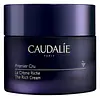 Key Ingredients
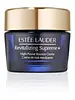
Benefits
Concerns
Ingredients Side-by-side
Water
Skin ConditioningGlycerin
Humectant


Caprylic/Capric Triglyceride
Masking
Vitis Vinifera Seed Oil
Emollient



Hydrogenated Ethylhexyl Olivate
EmollientButyrospermum Parkii Butter Extract
Skin Conditioning
Cetearyl Alcohol
Emollient



Butylene Glycol
Humectant
Cetearyl Glucoside
Emulsifying
Propanediol
Solvent
Palmitoyl Grapevine Shoot Extract
Antioxidant


Palmitoyl Grape Seed Extract
Skin ConditioningHydrogenated Olive Oil Unsaponifiables
Emollient
Pentaerythrityl Distearate
Emulsifying
Potassium Cetyl Phosphate
EmulsifyingCarbomer
Emulsion StabilisingCaprylyl Glycol
Emollient
Ceramide NP
Skin Conditioning


Xanthan Gum
EmulsifyingCI 77891
Cosmetic ColorantHydrolyzed Hyaluronic Acid
Humectant
Magnolia Grandiflora Bark Extract
Antimicrobial
Potassium Sorbate
Preservative
Tocopherol
Antioxidant
Helianthus Annuus Seed Oil
Emollient
Adenosine
Skin Conditioning
Sodium Hydroxide
BufferingSodium Phytate
Geraniol
Perfuming


Linalool
Perfuming
CI 77491
Cosmetic ColorantPaeonia Lactiflora Root Extract
Skin ConditioningCI 77492
Cosmetic ColorantSodium Citrate
BufferingParfum
Masking
Citronellol
Perfuming
Water, Glycerin, Caprylic/Capric Triglyceride, Vitis Vinifera Seed Oil, Hydrogenated Ethylhexyl Olivate, Butyrospermum Parkii Butter Extract, Cetearyl Alcohol, Butylene Glycol, Cetearyl Glucoside, Propanediol, Palmitoyl Grapevine Shoot Extract, Palmitoyl Grape Seed Extract, Hydrogenated Olive Oil Unsaponifiables, Pentaerythrityl Distearate, Potassium Cetyl Phosphate, Carbomer, Caprylyl Glycol, Ceramide NP, Xanthan Gum, CI 77891, Hydrolyzed Hyaluronic Acid, Magnolia Grandiflora Bark Extract, Potassium Sorbate, Tocopherol, Helianthus Annuus Seed Oil, Adenosine, Sodium Hydroxide, Sodium Phytate, Geraniol, Linalool, CI 77491, Paeonia Lactiflora Root Extract, CI 77492, Sodium Citrate, Parfum, Citronellol
Water
Skin ConditioningC9-12 Alkane
SolventButylene Glycol
Humectant
Cetyl Alcohol
Emollient
PPG-2 Myristyl Ether Propionate
Emollient
Glycerin
Humectant
Bis-Diglyceryl Polyacyladipate-2
Emollient
Butyrospermum Parkii Butter
Skin Conditioning
Hydrogenated Polyisobutene
EmollientPEG-40 Stearate
Emulsifying
Glyceryl Stearate
Emollient
Isododecane
EmollientMethyl Methacrylate Crosspolymer

Moringa Oleifera Seed Extract
Skin Conditioning
Hibiscus Sinensis Flower Extract
Skin ConditioningSodium Hyaluronate
Humectant
Acetyl Hexapeptide-8
Humectant
Laminaria Digitata Extract
Skin Protecting
Whey Protein
Skin ConditioningAlgae Extract
EmollientSigesbeckia Orientalis Extract
Skin ConditioningTocopheryl Acetate
Antioxidant
Acetyl Glucosamine
Skin Conditioning
Narcissus Tazetta Bulb Extract
Astringent
Opuntia Tuna Fruit Extract
Skin ConditioningCucumis Sativus Fruit Extract
Emollient
Laminaria Saccharina Extract
Skin ProtectingSilybum Marianum Fruit Extract
Skin Conditioning
Helianthus Annuus Seed Extract
Skin Conditioning
Caffeine
Skin Conditioning
Hordeum Vulgare Extract
EmollientHydrolyzed Rice Extract
Skin Conditioning
Glycine Soja Seed Extract
Skin Conditioning
Castor Oil/Ipdi Copolymer
Butylene/Ethylene/Styrene Copolymer
Carbomer
Emulsion StabilisingCoco-Caprylate/Caprate
Emollient
Sorbitan Stearate
Emulsifying
Ethylene/Propylene/Styrene Copolymer
Sucrose
Humectant
Propylene Glycol Dicaprate
EmollientSodium Hydroxide
BufferingIsoceteth-20
EmulsifyingTetrahexyldecyl Ascorbate
Antioxidant


Acrylates/C10-30 Alkyl Acrylate Crosspolymer
Emulsion StabilisingPEG-20 Methyl Glucose Sesquistearate
Emulsifying
C12-15 Alkyl Ethylhexanoate
EmollientPolyethylene
Abrasive
Hydroxyacetophenone
Antioxidant
Triheptanoin
Skin ConditioningParfum
Masking
BHT
Antioxidant
Disodium EDTA
Dilinoleic Acid/Butanediol Copolymer
Phenoxyethanol
Preservative
Chlorphenesin
Antimicrobial
Potassium Sorbate
Preservative
Water, C9-12 Alkane, Butylene Glycol, Cetyl Alcohol, PPG-2 Myristyl Ether Propionate, Glycerin, Bis-Diglyceryl Polyacyladipate-2, Butyrospermum Parkii Butter, Hydrogenated Polyisobutene, PEG-40 Stearate, Glyceryl Stearate, Isododecane, Methyl Methacrylate Crosspolymer, Moringa Oleifera Seed Extract, Hibiscus Sinensis Flower Extract, Sodium Hyaluronate, Acetyl Hexapeptide-8, Laminaria Digitata Extract, Whey Protein, Algae Extract, Sigesbeckia Orientalis Extract, Tocopheryl Acetate, Acetyl Glucosamine, Narcissus Tazetta Bulb Extract, Opuntia Tuna Fruit Extract, Cucumis Sativus Fruit Extract, Laminaria Saccharina Extract, Silybum Marianum Fruit Extract, Helianthus Annuus Seed Extract, Caffeine, Hordeum Vulgare Extract, Hydrolyzed Rice Extract, Glycine Soja Seed Extract, Castor Oil/Ipdi Copolymer, Butylene/Ethylene/Styrene Copolymer, Carbomer, Coco-Caprylate/Caprate, Sorbitan Stearate, Ethylene/Propylene/Styrene Copolymer, Sucrose, Propylene Glycol Dicaprate, Sodium Hydroxide, Isoceteth-20, Tetrahexyldecyl Ascorbate, Acrylates/C10-30 Alkyl Acrylate Crosspolymer, PEG-20 Methyl Glucose Sesquistearate, C12-15 Alkyl Ethylhexanoate, Polyethylene, Hydroxyacetophenone, Triheptanoin, Parfum, BHT, Disodium EDTA, Dilinoleic Acid/Butanediol Copolymer, Phenoxyethanol, Chlorphenesin, Potassium Sorbate
Reviews
Ingredients Explained
These ingredients are found in both products.
Ingredients higher up in an ingredient list are typically present in a larger amount.
Butylene Glycol (or BG) is used within cosmetic products for a few different reasons:
Overall, Butylene Glycol is a safe and well-rounded ingredient that works well with other ingredients.
Though this ingredient works well with most skin types, some people with sensitive skin may experience a reaction such as allergic rashes, closed comedones, or itchiness.
Learn more about Butylene GlycolCarbomer is a synthetic thickening and gelling agent. It's basically the ingredient that gives a lot of serums, gels, creams, and sunscreens their smooth, non-sticky texture.
Although legally permitted at very high levels, carbomers are normally used at concentrations below 1%.
It also needs to be neutralized to actually thicken, and because it is a large molecule, it doesn't really penetrate the skin barrier.
Allergy-wise, the risk is very low. Clinical studies show carbomers have low potential for skin irritation/sensitization even at concentrations up to 100%.
A 2024 UK study patch-tested 1,302 patients and found true allergy to the parent group of carbomer to be rare with no confirmed relevant reactions.
Learn more about CarbomerGlycerin (or glycerol) is a compound naturally found in your skin. It's a powerhouse humectant that pulls water into the stratum corneum.
Topically, glycerin does several things at once:
Your skin makes glycerin on its own (mostly from sebaceous oil breakdown) and shuttles it to your outermost layer of skin, or your epidermis, via aquaporin-3.
Aquaporin-3 is a transporter that is essential for normal skin hydration, elasticity, and repair. Interestingly, mice lacking in AQP3 have dry and less elastic skin that can be fully corrected with glycerin.
This ingredient is non-irritating, plays well with almost every ingredient, and works across all skin types. Typical use is anywhere between 3-10% but can go up to 79% in some leave-on products.
Just know very high concentrations (>40%) can feel tacky in low humidity.
Glycerin is the name for this ingredient in American English. British English uses Glycerol/Glycerine.
Learn more about GlycerinParfum is a catch-all term for an ingredient or more that is used to give a scent to products.
Also called "fragrance", this ingredient can be a blend of hundreds of chemicals or plant oils. This means every product with "fragrance" or "parfum" in the ingredients list is a different mixture.
For instance, Habanolide is a proprietary trade name for a specific aroma chemical. When used as a fragrance ingredient in cosmetics, most aroma chemicals fall under the broad labeling category of “FRAGRANCE” or “PARFUM” according to EU and US regulations.
The term 'parfum' or 'fragrance' is not regulated in many countries. In many cases, it is up to the brand to define this term.
For instance, many brands choose to label themselves as "fragrance-free" because they are not using synthetic fragrances. However, their products may still contain ingredients such as essential oils that are considered a fragrance by INCI standards.
One example is Calendula flower extract. Calendula is an essential oil that still imparts a scent or 'fragrance'.
Depending on the blend, the ingredients in the mixture can cause allergies and sensitivities on the skin. Some ingredients that are known EU allergens include linalool and citronellol.
Parfum can also be used to mask or cover an unpleasant scent.
The bottom line is: not all fragrances/parfum/ingredients are created equally. If you are worried about fragrances, we recommend taking a closer look at an ingredient. And of course, we always recommend speaking with a professional.
Learn more about ParfumPotassium Sorbate is a preservative used to prevent yeast and mold in products. It is commonly found in both cosmetic and food products.
This ingredient comes from potassium salt derived from sorbic acid. Sorbic acid is a natural antibiotic and effective against fungus.
Both potassium sorbate and sorbic acid can be found in baked goods, cheeses, dried meats, dried fruit, ice cream, pickles, wine, yogurt, and more.
You'll often find this ingredient used with other preservatives.
Learn more about Potassium SorbateSodium Hydroxide is also known as lye or caustic soda. It is used to adjust the pH of products; many ingredients require a specific pH to be effective.
In small amounts, sodium hydroxide is considered safe to use. However, large amounts may cause chemical burns due to its high alkaline.
Your skin has a natural pH and acid mantle. This acid mantle helps prevent harmful bacteria from breaking through. The acid mantle also helps keep your skin hydrated.
"Alkaline" refers to a high pH level. A low pH level would be considered acidic.
Learn more about Sodium HydroxideWater. It's the most common cosmetic ingredient of all. You'll usually see it at the top of ingredient lists, meaning that it makes up the largest part of the product.
So why is it so popular? Water most often acts as a solvent - this means that it helps dissolve other ingredients into the formulation.
You'll also recognize water as that liquid we all need to stay alive. If you see this, drink a glass of water. Remember to stay hydrated!
Learn more about Water

