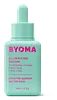
This acne serum is formulated around Niacinamide and Gluconolactone to clear breakouts and balance excess oil.
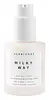
This smoothing serum is formulated around Lactic Acid and Glycolic Acid to refine skin texture and calm redness.


What's inside
What's inside
 Key Ingredients
Benefits
Concerns
Ingredients Side-by-side
Water
Skin ConditioningGlycerin
Humectant


Niacinamide
Smoothing









1,2-Hexanediol
Skin Conditioning
Polyglyceryl-10 Laurate
Skin Conditioning

Gluconolactone
Chelating
Glyceryl Caprylate
EmollientCeramide NP
Skin Conditioning
Cholesterol
Emollient
Caprylic/Capric Triglyceride
Masking
Phytosphingosine
Skin Conditioning
Stearic Acid
Cleansing
Oleic Acid
Emollient

Zinc Lactate
Hydrogenated Lecithin
Emulsifying
Ethylhexylglycerin
Skin ConditioningSodium Hyaluronate
Humectant
Tanacetum Annuum Flower Oil
Masking
Hydroxyethylcellulose
Emulsion StabilisingAmmonium Acryloyldimethyltaurate/Vp Copolymer
Glyceryl Acrylate/Acrylic Acid Copolymer
HumectantSodium Phytate
ChelatingTocopherol
Antioxidant

Lactic Acid
Buffering

Caprylyl Glycol
Emollient
Caprylhydroxamic Acid
ChelatingWater, Glycerin, Niacinamide, 1,2-Hexanediol, Polyglyceryl-10 Laurate, Gluconolactone, Glyceryl Caprylate, Ceramide NP, Cholesterol, Caprylic/Capric Triglyceride, Phytosphingosine, Stearic Acid, Oleic Acid, Zinc Lactate, Hydrogenated Lecithin, Ethylhexylglycerin, Sodium Hyaluronate, Tanacetum Annuum Flower Oil, Hydroxyethylcellulose, Ammonium Acryloyldimethyltaurate/Vp Copolymer, Glyceryl Acrylate/Acrylic Acid Copolymer, Sodium Phytate, Tocopherol, Lactic Acid, Caprylyl Glycol, Caprylhydroxamic Acid
Water
Skin ConditioningPropanediol
Solvent
Simmondsia Chinensis Seed Oil
Emollient
Sodium Hydroxide
BufferingLactic Acid
Buffering
Glycolic Acid
Buffering
Gluconolactone
Chelating
Cetearyl Olivate
Sorbitan Olivate
Emulsifying
Octyldodecanol
Emollient
Glycerin
Humectant
Malic Acid
Buffering
Tartaric Acid
Buffering
Citric Acid
Buffering
Squalane
Emollient
Avena Sativa Kernel Extract
Abrasive
Ceramide NP
Skin Conditioning
Ceramide AP
Skin Conditioning
Microcitrus Australasica Fruit Extract
Tremella Fuciformis Sporocarp Extract
Antioxidant
Hyaluronic Acid
Humectant
1,2-Hexanediol
Skin Conditioning
Xanthan Gum
EmulsifyingDiheptyl Succinate
EmollientCapryloyl Glycerin/Sebacic Acid Copolymer
Skin ConditioningOryza Sativa Bran Extract
Skin Conditioning
Sclerotium Gum
Emulsion StabilisingLecithin
Emollient
Pullulan
Caprylhydroxamic Acid
ChelatingTrisodium Ethylenediamine Disuccinate
ChelatingHelianthus Annuus Seed Oil
Emollient
Triethyl Citrate
Masking

Rosmarinus Officinalis Leaf Extract
AntimicrobialTocopherol
Antioxidant
Silica
Abrasive
2,3-Butanediol
HumectantGlyceryl Stearate
Emollient
Prunus Amygdalus Dulcis Oil
Skin Conditioning
Sodium Lactate
Buffering
Hydrogenated Lecithin
Emulsifying
Gamma-Octalactone
Perfuming
Vanillin
Masking
Glyceryl Caprylate
EmollientIsoamyl Acetate
SolventBenzaldehyde
Masking
Anisaldehyde
Masking
Maltol
MaskingPhytosphingosine
Skin Conditioning
Ethylhexylglycerin
Skin ConditioningDimethylhydroxy Furanone
MaskingWater, Propanediol, Simmondsia Chinensis Seed Oil, Sodium Hydroxide, Lactic Acid, Glycolic Acid, Gluconolactone, Cetearyl Olivate, Sorbitan Olivate, Octyldodecanol, Glycerin, Malic Acid, Tartaric Acid, Citric Acid, Squalane, Avena Sativa Kernel Extract, Ceramide NP, Ceramide AP, Microcitrus Australasica Fruit Extract, Tremella Fuciformis Sporocarp Extract, Hyaluronic Acid, 1,2-Hexanediol, Xanthan Gum, Diheptyl Succinate, Capryloyl Glycerin/Sebacic Acid Copolymer, Oryza Sativa Bran Extract, Sclerotium Gum, Lecithin, Pullulan, Caprylhydroxamic Acid, Trisodium Ethylenediamine Disuccinate, Helianthus Annuus Seed Oil, Triethyl Citrate, Rosmarinus Officinalis Leaf Extract, Tocopherol, Silica, 2,3-Butanediol, Glyceryl Stearate, Prunus Amygdalus Dulcis Oil, Sodium Lactate, Hydrogenated Lecithin, Gamma-Octalactone, Vanillin, Glyceryl Caprylate, Isoamyl Acetate, Benzaldehyde, Anisaldehyde, Maltol, Phytosphingosine, Ethylhexylglycerin, Dimethylhydroxy Furanone
Reviews
Ingredients Explained
These ingredients are found in both products.
Ingredients higher up in an ingredient list are typically present in a larger amount.
1,2-Hexanediol is a synthetic liquid and another multi-functional powerhouse.
It is a:
- Humectant, drawing moisture into the skin
- Emollient, helping to soften skin
- Solvent, dispersing and stabilizing formulas
- Preservative booster, enhancing the antimicrobial activity of other preservatives
Caprylhydroxamic Acid is a chelating agent that helps cosmetics stay fresh, stable, and consistent over time.
Chelating agents help prevent metal ions from binding to other ingredients. This helps prevent unwanted reactions and effects from using the product. It also helps prevent the growth of unwanted microbes in products that contain water.
Caprylhydroxamic Acid is often used with natural antimicrobial products as an alternative to preservatives.
Learn more about Caprylhydroxamic AcidCeramide NP (formerly known as Ceramide 3) is one of the skin's naturally occurring lipids.
Since ceramides are the major lipid components of the skin, they are crucial for maintaining skin barrier and hydration. Ceramide NP most closely mirrors the dominant kind in human skin amongst ceramide subtypes.
This ceramide works by slotting into gaps within the stratum corneum's lipid matrix to limit trans-epidermal water loss (TEWL) and shield the skin against external irritants.
A study with 312 patients found that using a ceramide-containing routine for 4 weeks reduced the severity of atopic dermatitis by over 61%.
Another clinical study in subjects aged 60 and older found that a ceramide body wash and moisturizer improved skin dryness and itchy skin in 15 days.
Overall, ceramides are considered non-irritating and safety tests have found little to no observable adverse effects from using this ingredient.
Ceramide NP is usually sourced from plants (like soybean or rice bran), or produced synthetically.
Learn more about Ceramide NPEthylhexylglycerin is created from glycerin. It is a multitasker ingredient that:
The CIR Expert Panel found minimal skin absorption or sensitization of any kind in a safety assessment. Though this ingredient is considered well-tolerated, a small number of cases of allergic dermatitis have been published since 2002. Just be sure to patch test if you are unsure.
Industry-reported use ranges from 8% in rinse-off products and 2% in leave-on formulations.
Learn more about EthylhexylglycerinGluconolactone is a PHA. PHAs are a great gentle alternative to traditional AHAs.
When applied, Gluconolactone has the same affect on skin as AHAs such as lactic acid. It helps dissolve the dead skin cells in the top layer of your skin. This improves texture and brightens the skin.
PHAs are more gentle than AHAs due to their larger structure. They do not penetrate as deeply as AHAs and take a longer time to dissolve dead cells. Studies show PHAs do not cause as much irritation.
Gluconolactone has some interesting properties:
In a 2004 study, Gluconolactone was found to prevent UV damage in mouse skin cells and has not been found to increase sun sensitivity. However, we still recommend wearing SPF daily.
This ingredient is is an created by reacting gluconic acid with an alcohol.
Learn more about GluconolactoneGlycerin (or glycerol) is a compound naturally found in your skin. It's a powerhouse humectant that pulls water into the stratum corneum.
Topically, glycerin does several things at once:
Your skin makes glycerin on its own (mostly from sebaceous oil breakdown) and shuttles it to your outermost layer of skin, or your epidermis, via aquaporin-3.
Aquaporin-3 is a transporter that is essential for normal skin hydration, elasticity, and repair. Interestingly, mice lacking in AQP3 have dry and less elastic skin that can be fully corrected with glycerin.
This ingredient is non-irritating, plays well with almost every ingredient, and works across all skin types. Typical use is anywhere between 3-10% but can go up to 79% in some leave-on products.
Just know very high concentrations (>40%) can feel tacky in low humidity.
Glycerin is the name for this ingredient in American English. British English uses Glycerol/Glycerine.
Learn more about GlycerinGlyceryl Caprylate comes from glycerin and caprylic acid. It is an emollient, co-emulsifier, and preservative booster.
Its short C8 fatty acid chain makes it behave differently from its longer-chain emollient cousins like Glyceryl Stearate. It feels more lightweight, fast-absorbing, and silky instead of rich and waxy.
As a co-emulsifier, its "head" and "tail" sit at the oil-water interface. But overall, the short C8 tail and not being water soluble means it doesn't really have the muscle to emulsify a formula on its own. That's why you'll often see it paired with a primary emulsifier like Cetearyl Glucoside.
Interestingly, Glyceryl Caprylate acts as a preservative booster. This is because its fatty-acid backbone disrupts microbial lipid membranes. It shows excellent activity against bacteria and yeast but is weaker against mold.
Typical concentrations range from 0.5-1% and this ingredient is generally non-irritating.
Because this ingredient has a C8 fatty acid chain, it is outside the range that the Malassezia yeast metabolizes (making it fungal acne safe).
Learn more about Glyceryl CaprylateHydrogenated Lecithin is a more stable version of lecithin.
It's made by taking lecithin (a phospholipid commonly found in soybeans and egg yolks) and hydrogenating it. This just means the unsaturated fatty acids are turned into saturated ones so they don't go bad as easily.
This ingredient is an emollient, emulsifier, and penetration enhancer. As an emollient, it helps soften and hydrate skin by trapping moisture within. As an emulsifier, it prevents oil and water ingredients from separating.
Hydrogenated Lecithin can form tiny spherical structures made of phospholipid bilayers called liposomes. These liposomes are able to capture compounds inside their structure and deliver them through the skin barrier.
Because phospholipids are a natural component of our cell membranes, this ingredient is inherently compatible with skin.
A 2021 study found lecithin-based surfactants were less harsh and more tolerable comared to Sodium Lauryl Sulfate (SLS).
Learn more about Hydrogenated LecithinLactic Acid is another well-loved alpha hydroxy acid (AHA). It is gentler than glycolic acid but still highly effective.
Its main role is to exfoliate the surface of the skin by loosening the “glue” that holds dead skin cells together. Shedding those old cells leads to smoother, softer, and more even-toned skin.
Because lactic acid molecules are larger than glycolic acid, they don’t penetrate as deeply. This means they’re less likely to sting or irritate, making it a great choice for beginners or those with sensitive skin.
Like glycolic acid, it can:
Lactic acid also acts as a humectant (like hyaluronic acid). It can draw water into the skin to improve hydration and also plays a role in the skin's natural moisturizing factor (NMF) in the form of sodium lactate.
Studies show it can boost ceramide production to strengthen the skin barrier and even help balance the skin’s microbiome.
To get results, choose products with a pH between 3-4.
Lower strengths (5-12%) focus on surface exfoliation; higher strengths (12% and up) can reach deeper in the dermis (deeper, supportive layer) to improve skin texture and firmness over time.
Though it was originally derived from milk, most modern lactic acid used in skincare is vegan. It is made through non-dairy fermentation to create a bio-identical and stable form suitable for all formulations.
When lactic acid shows up near the end of an ingredient list, it usually means the brand added just a tiny amount to adjust the product’s pH.
Legend has it that Cleopatra used to bathe in sour milk to help reduce wrinkles.
Lactic acid is truly a gentle multitasker: it exfoliates, hydrates, strengthens, and brightens. It's a great ingredient for giving your skin a smooth, glowing, and healthy look without the harshness of stronger acids.
Read more about some other popular AHA's here:
Learn more about Lactic AcidPhytosphingosine is a phospholipid naturally found in our skin as a building block for ceramides.. It helps moisturize, soothe, and protect skin.
Phytosphingosine contributes to your skin's natural moisturizing factor (NMF). The NMF is responsible for hydration, a strong barrier, and plasticity. Our NMF decreases with age. Increasing NMF leads to more healthy and hydrated skin.
Studies show products formulated with NMF ingredients help strengthen our skin's barrier. Having a healthy skin barrier reduces irritation and increases hydration. Our skin barrier is responsible for having plump and firm skin. It also helps protect our skin against infection, allergies, and inflammation.
Fun fact: Phytosphingosine is abundant in plants and fungi.
More ingredients that help boost collagen in skin:
Learn more about PhytosphingosineTocopherol is a fat-soluble antioxidant known as Vitamin E.
You'll find this ingredient in the vast majority of skincare (for good reason). It works to neutralize free radicals, or unstable molecules generated by UV exposure, pollution, and other environmental stressors, before they can cause oxidative damage to your skin cells.
Topically applied tocopherol has been shown to protect against UV damage by ramping up the skin's own natural defense enzymes.
It also acts as a skin conditioning agent; some studies show that regular topical use can improve the skin's water-binding capacity over 2-4 weeks.
This ingredient is especially loved for being a team player. When combined with Vitamin C, the photoprotective effect of both ingredients roughly doubles and the combo also helps reduce UV-induced DNA damage.
This ingredient has some brightening potential but it's more of a prevention ingredient than spot-fader. Cell studies show it can slow down melanin production but it's worth noting that it's not the most powerful brightener out there.
In formulations, it also serves as a stabilizer that helps protect other oxidation-prone ingredients from degrading.
Concentrations usually range from 0.1-1% in most leave-on products.
Learn more about TocopherolWater. It's the most common cosmetic ingredient of all. You'll usually see it at the top of ingredient lists, meaning that it makes up the largest part of the product.
So why is it so popular? Water most often acts as a solvent - this means that it helps dissolve other ingredients into the formulation.
You'll also recognize water as that liquid we all need to stay alive. If you see this, drink a glass of water. Remember to stay hydrated!
Learn more about Water

