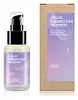
This calming treatment is formulated around Aloe Barbadensis Leaf Juice Powder and Azelaic Acid to calm redness and brighten dull-looking skin.
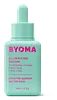
This acne serum is formulated around Niacinamide and Gluconolactone to clear breakouts and balance excess oil.


What's inside
What's inside
 Key Ingredients
Benefits
Concerns
Ingredients Side-by-side
Aloe Barbadensis Leaf Juice Powder
Skin Conditioning


Azelaic Acid
Buffering







Water
Skin ConditioningPentylene Glycol
Skin Conditioning
Propanediol
Solvent
Glycerin
Humectant
Oryza Sativa Starch
AbsorbentCyamopsis Tetragonoloba Gum
Emulsion StabilisingCleome Gynandra Leaf Extract
AntiseborrhoeicCrocus Sativus Flower Extract
MaskingDiglycerin
Humectant
Troxerutin
Skin Conditioning
Honokiol
Antioxidant
Magnolol
Antioxidant
Pinus Pinaster Bark/Bud Extract
Antimicrobial
Tapioca Starch
Algin
MaskingPolyglyceryl-10 Laurate
Skin Conditioning

Polyglyceryl-6 Oleate
Emulsifying
Sodium Levulinate
Skin ConditioningLevulinic Acid
Perfuming

Sorbitan Palmitate
Emulsifying
Lactobacillus Ferment Lysate
Skin Conditioning
Parfum
Masking

Sodium Phytate
ChelatingP-Anisic Acid
MaskingAloe Barbadensis Leaf Juice Powder, Azelaic Acid, Water, Pentylene Glycol, Propanediol, Glycerin, Oryza Sativa Starch, Cyamopsis Tetragonoloba Gum, Cleome Gynandra Leaf Extract, Crocus Sativus Flower Extract, Diglycerin, Troxerutin, Honokiol, Magnolol, Pinus Pinaster Bark/Bud Extract, Tapioca Starch, Algin, Polyglyceryl-10 Laurate, Polyglyceryl-6 Oleate, Sodium Levulinate, Levulinic Acid, Sorbitan Palmitate, Lactobacillus Ferment Lysate, Parfum, Sodium Phytate, P-Anisic Acid
Water
Skin ConditioningGlycerin
Humectant
Niacinamide
Smoothing

1,2-Hexanediol
Skin Conditioning
Polyglyceryl-10 Laurate
Skin Conditioning
Gluconolactone
Chelating
Glyceryl Caprylate
EmollientCeramide NP
Skin Conditioning
Cholesterol
Emollient
Caprylic/Capric Triglyceride
Masking
Phytosphingosine
Skin Conditioning
Stearic Acid
Cleansing
Oleic Acid
Emollient
Zinc Lactate
Hydrogenated Lecithin
Emulsifying
Ethylhexylglycerin
Skin ConditioningSodium Hyaluronate
Humectant
Tanacetum Annuum Flower Oil
Masking
Hydroxyethylcellulose
Emulsion StabilisingAmmonium Acryloyldimethyltaurate/Vp Copolymer
Glyceryl Acrylate/Acrylic Acid Copolymer
HumectantSodium Phytate
ChelatingTocopherol
Antioxidant
Lactic Acid
Buffering
Caprylyl Glycol
Emollient
Caprylhydroxamic Acid
ChelatingWater, Glycerin, Niacinamide, 1,2-Hexanediol, Polyglyceryl-10 Laurate, Gluconolactone, Glyceryl Caprylate, Ceramide NP, Cholesterol, Caprylic/Capric Triglyceride, Phytosphingosine, Stearic Acid, Oleic Acid, Zinc Lactate, Hydrogenated Lecithin, Ethylhexylglycerin, Sodium Hyaluronate, Tanacetum Annuum Flower Oil, Hydroxyethylcellulose, Ammonium Acryloyldimethyltaurate/Vp Copolymer, Glyceryl Acrylate/Acrylic Acid Copolymer, Sodium Phytate, Tocopherol, Lactic Acid, Caprylyl Glycol, Caprylhydroxamic Acid
Reviews
Ingredients Explained
These ingredients are found in both products.
Ingredients higher up in an ingredient list are typically present in a larger amount.
Glycerin (or glycerol) is a compound naturally found in your skin. It's a powerhouse humectant that pulls water into the stratum corneum.
Topically, glycerin does several things at once:
Your skin makes glycerin on its own (mostly from sebaceous oil breakdown) and shuttles it to your outermost layer of skin, or your epidermis, via aquaporin-3.
Aquaporin-3 is a transporter that is essential for normal skin hydration, elasticity, and repair. Interestingly, mice lacking in AQP3 have dry and less elastic skin that can be fully corrected with glycerin.
This ingredient is non-irritating, plays well with almost every ingredient, and works across all skin types. Typical use is anywhere between 3-10% but can go up to 79% in some leave-on products.
Just know very high concentrations (>40%) can feel tacky in low humidity.
Glycerin is the name for this ingredient in American English. British English uses Glycerol/Glycerine.
Learn more about GlycerinPolyglyceryl-10 Laurate is a cleansing agent and emulsifier.
It rounds up dirt, oil, and grime, so they can be rinsed off easily as a cleanser.
On the emulsifier side, it keeps your formula smooth and well-mixed by playing peacekeeper for ingredients that don't naturally get along (like oil and water).
Because it has a C12 (lauric acid) fatty acid chain, this ingredient can potentially feed the Malassezia yeast that causes fungal acne. The Malassezia yeast prefers esters with C11-C24 fatty acids.
This ingredient is an ester of lauric acid and Polyglycerin-10.
Learn more about Polyglyceryl-10 LaurateSodium Phytate is the sodium salt of Phytic acid, a compound that plants store phosphorus in. It's the plant-derived alternative to ingredients like Disodium EDTA.
In skincare, this ingredient is a chelator that grabs onto trace metal ions like iron and copper that sneak into formulas through water/raw materials.
Those metals speed up oxidation so binding them keeps oils, fragrance, and actives from going off, stops color changes, and helps the preservative system work harder.
Survey data shows usage levels range from 0.0099%-0.5% in leave-on products, 0.025%-0.3% in rinse-off, and up to 0.05% in eye-area products. Suppliers typically recommend a range between 0.05-0.5%.
Learn more about Sodium PhytateWater. It's the most common cosmetic ingredient of all. You'll usually see it at the top of ingredient lists, meaning that it makes up the largest part of the product.
So why is it so popular? Water most often acts as a solvent - this means that it helps dissolve other ingredients into the formulation.
You'll also recognize water as that liquid we all need to stay alive. If you see this, drink a glass of water. Remember to stay hydrated!
Learn more about Water

