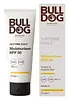
This brightening moisturizer is formulated around Gluconolactone and Sodium Ascorbyl Phosphate to brighten dull-looking skin.
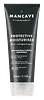
This oil-control day moisturizer is formulated around Zea Mays Starch and Aloe Barbadensis Leaf Juice to balance excess oil and hydrate skin.

What's inside
What's inside
 Key Ingredients
Benefits
Concerns
Ingredients Side-by-side
Water
Skin ConditioningCarthamus Tinctorius Oleosomes
Emollient

Octocrylene
UV Absorber



Ethylhexyl Salicylate
UV Absorber
Copernicia Cerifera Wax
Butyl Methoxydibenzoylmethane
UV Absorber
Glycerin
Humectant


Propylheptyl Caprylate
EmollientCetearyl Alcohol
Emollient



Hydroxypropyl Starch Phosphate
Pentaerythrityl Distearate
Emulsifying
Undecane
EmollientTribehenin
Emollient
Phenoxyethanol
Preservative
Cetyl Palmitate
Emollient
Tridecane
Perfuming

Hydrolyzed Jojoba Esters
Skin Conditioning
Sorbitan Palmitate
Emulsifying
Xanthan Gum
EmulsifyingOryza Sativa Bran Wax
Skin Conditioning
Gluconolactone
Skin Conditioning






Benzoic Acid
Masking
Sodium Citrate
BufferingSodium Ascorbyl Phosphate
Antioxidant


Sodium Phytate
Sorbitan Oleate
Emulsifying
Dehydroacetic Acid
Preservative
Sodium Benzoate
Masking
Citric Acid
Buffering
Tocopherol
Antioxidant

Sodium Hydroxide
BufferingWater, Carthamus Tinctorius Oleosomes, Octocrylene, Ethylhexyl Salicylate, Copernicia Cerifera Wax, Butyl Methoxydibenzoylmethane, Glycerin, Propylheptyl Caprylate, Cetearyl Alcohol, Hydroxypropyl Starch Phosphate, Pentaerythrityl Distearate, Undecane, Tribehenin, Phenoxyethanol, Cetyl Palmitate, Tridecane, Hydrolyzed Jojoba Esters, Sorbitan Palmitate, Xanthan Gum, Oryza Sativa Bran Wax, Gluconolactone, Benzoic Acid, Sodium Citrate, Sodium Ascorbyl Phosphate, Sodium Phytate, Sorbitan Oleate, Dehydroacetic Acid, Sodium Benzoate, Citric Acid, Tocopherol, Sodium Hydroxide
Water
Skin ConditioningOctocrylene
UV Absorber
Butyl Methoxydibenzoylmethane
UV Absorber
Ethylhexyl Salicylate
UV Absorber
Ethylhexyl Methoxycinnamate
UV Absorber
C12-15 Alkyl Benzoate
AntimicrobialEthylhexyl Stearate
Emollient
Cetearyl Alcohol
Emollient
Shea Butter Ethyl Esters
Emollient
Thermus Thermophillus Ferment
Skin ConditioningCeteareth-20
Cleansing
Glycerin
Humectant
Zea Mays Starch
Absorbent
Phenoxyethanol
Preservative
Prunus Amygdalus Dulcis Oil
Skin Conditioning
Aloe Barbadensis Leaf Juice
Skin Conditioning
Sodium Polyacrylate
Absorbent
Parfum
Masking
Potassium Sorbate
Preservative
Sodium Stearoyl Glutamate
CleansingBenzoic Acid
Masking
Carbomer
Emulsion StabilisingRosa Canina Fruit Oil
Emollient
Simmondsia Chinensis Seed Oil
Emollient
Sodium Hydroxide
BufferingTocopheryl Acetate
Antioxidant
Dehydroacetic Acid
Preservative
Linalool
Perfuming
Bulnesia Sarmientoi Wood Oil
Masking
Benzyl Salicylate
Perfuming
Hexyl Cinnamal
Perfuming
Abies Sibirica Oil
Masking
Artemisia Herba-Alba Oil
Masking
Citrus Aurantifolia Oil
Cleansing
Eucalyptus Globulus Leaf Oil
Perfuming
Juniperus Virginiana Wood Oil
Perfuming
Lavandula Hybrida Oil
Emollient
Origanum Majorana Herb Oil
Perfuming
Rosmarinus Officinalis Leaf Oil
Masking
Sodium Hyaluronate
Humectant
Coumarin
Perfuming
Camellia Sinensis Leaf Extract
Antimicrobial
Limonene
Perfuming
Alpha-Isomethyl Ionone
Perfuming
BHT
Antioxidant
Sodium Benzoate
Masking
Abies Balsamea Extract
Perfuming
Juniperus Communis Fruit Oil
Masking
Melissa Officinalis Leaf Extract
Skin ConditioningPiper Nigrum Fruit Oil
Masking
Thymus Vulgaris Flower/Leaf Oil
Masking
Disodium Rutinyl Disulfate
Antioxidant
Hordeum Distichon Extract
Skin ProtectingCitric Acid
Buffering
Water, Octocrylene, Butyl Methoxydibenzoylmethane, Ethylhexyl Salicylate, Ethylhexyl Methoxycinnamate, C12-15 Alkyl Benzoate, Ethylhexyl Stearate, Cetearyl Alcohol, Shea Butter Ethyl Esters, Thermus Thermophillus Ferment, Ceteareth-20, Glycerin, Zea Mays Starch, Phenoxyethanol, Prunus Amygdalus Dulcis Oil, Aloe Barbadensis Leaf Juice, Sodium Polyacrylate, Parfum, Potassium Sorbate, Sodium Stearoyl Glutamate, Benzoic Acid, Carbomer, Rosa Canina Fruit Oil, Simmondsia Chinensis Seed Oil, Sodium Hydroxide, Tocopheryl Acetate, Dehydroacetic Acid, Linalool, Bulnesia Sarmientoi Wood Oil, Benzyl Salicylate, Hexyl Cinnamal, Abies Sibirica Oil, Artemisia Herba-Alba Oil, Citrus Aurantifolia Oil, Eucalyptus Globulus Leaf Oil, Juniperus Virginiana Wood Oil, Lavandula Hybrida Oil, Origanum Majorana Herb Oil, Rosmarinus Officinalis Leaf Oil, Sodium Hyaluronate, Coumarin, Camellia Sinensis Leaf Extract, Limonene, Alpha-Isomethyl Ionone, BHT, Sodium Benzoate, Abies Balsamea Extract, Juniperus Communis Fruit Oil, Melissa Officinalis Leaf Extract, Piper Nigrum Fruit Oil, Thymus Vulgaris Flower/Leaf Oil, Disodium Rutinyl Disulfate, Hordeum Distichon Extract, Citric Acid
Ingredients Explained
These ingredients are found in both products.
Ingredients higher up in an ingredient list are typically present in a larger amount.
Benzoic Acid is an organic acid that shows up in cosmetics as a preservative. It helps keep a product from spoiling by holding back the growth of yeast, mold, and some bacteria.
This ingredient also functions as a fragrance ingredient that helps mask the unpleasant scent of other ingredients.
The way it works is worth understanding; benzoic acid works when the formula is acidic. It is able to sneak into a microbe's cell and mess up how it functions to stop it from growing in an acidic product.
However, the acid switches to an inactive form and stops working if a product isn't acidic enough (above ~5 pH). This is why you'll often see it in low pH products or teamed up with other preservatives to cover the gap.
Safety wise, it's one of the better studied preservatives out there.
The Cosmetic Ingredient Review Expert Panel has concluded this ingredient to be safe for use in cosmetic formulations at concentrations up to 5%.
A large international review found this ingredient had no effects on the human body and had low irritation potential.
Just so you know, real world use is usually much lower than the 5% ceiling (usually 1% of less).
The EU caps it at 2.5% in rinse-off products, 1.7% in oral care, and 0.5% in leave-on products.
One thing worth mentioning (it's nothing to worry about): some people get a little stinging or flushing where they apply it. This isn't a true allergy; it's a temporary and harmless reaction. This is the same kind of mild tingle you might notice from sorbic acid.
Learn more about Benzoic AcidAlso known as Avobenzone, this ingredient is an oil-soluble used to absorb the full spectrum of UVA rays (peak 357 nm).
It's one of the most effective UVA filters available but has a major caveat of photostability: avobenzone is susceptible to photodegradation.
This means it can lose efficacy when exposed to sunlight without the help of a stabilizing agent.
Studies show antioxidants (like vitamin E or vitamin C) and some UV filters (like octocrylene and Tinosorb S) can meaningfully improve its stability in a formulation.
The maximum allowable concentration according to regulation is 3% in the US + Canada, and 5% in the EU, Australia, China, Korea, and ASEAN countries.
It has a well-support safety profile: a comprehensive 2025 review found minimal toxicity with no evidence of carcinogenicity.
Overall, avobenzone is a safe and regulated ingredient used in sunscreen for over 40 years.
Learn more about Butyl MethoxydibenzoylmethaneCetearyl alcohol is a waxy mixture of two fatty alcohols: cetyl alcohol and stearyl alcohol. It is an emollient and emulsifier.
Despite having "alcohol" in its name, it has nothing to do with drying solvent alcohols; the FDA also allows "alcohol-free" products to contain fatty alcohols like this ingredient.
It plays several roles in a formula:
Typical use levels for this ingredient sit around 1-10% and the Cosmetic Ingredient Review Expert Panel has affirmed safety at concentrations up to 25% in leave-on products.
Multiple assessments have found it to be non-irritating and non-sensitizing to most people.
However, there have been some cases of allergic contact dermatitis in patients with chronically compromised skin barriers.
Cetearyl alcohol has a comedogenic rating of 2 and irritancy rating of 1. Both of these numbers come from the 1989 study that used rabbit ears; a "2" means mildly comedogenic and a "1" means low irritancy.
Here's the catch: rabbit skin is more sensitive than human skin and throws a lot of false positives. A 1996 reappraisal found that ingredients rated 1-2 in the rabbit ear tests are generally safe for humans.
Remember comedogenic ratings are unable to assess the entire formula of a product or how it will react on your skin. Just be sure to patch test if you are unsure about certain ingredients.
This ingredient is not fungal acne safe. Cetearyl alcohol is a fatty alcohol with chain lengths that fall within the range that Malassezia can metabolize.
A 2019 study has also observed Malassezia growth in the presence of this ingredient, confirming it to be not-fungal acne safe.
Learn more about Cetearyl AlcoholCitric Acid is an alpha hydroxy acid (AHA) naturally found in citrus fruits like oranges, lemons, and limes.
Like other AHAs, citric acid can exfoliate skin by breaking down the bonds that hold dead skin cells together. This helps reveal smoother and brighter skin underneath.
However, this exfoliating effect only happens at high concentrations (20%) which can be hard to find in cosmetic products.
Due to this, citric acid is usually included in small amounts as a pH adjuster. This helps keep products slightly more acidic and compatible with skin's natural pH.
In skincare formulas, citric acid can:
While it can provide some skin benefits, research shows lactic acid and glycolic acid are generally more effective and less irritating exfoliants.
Most citric acid used in skincare today is made by fermenting sugars (usually from molasses). This synthetic version is identical to the natural citrus form but easier to stabilize and use in formulations.
Rosacea skin has a lower threshold for acids generally, with 62.5% of rosacea subjects in one study reacting to lactic acid in a sting test. This is why we mark citric acid as a potential rosacea trigger.
However, this ingredient shows up as a pH adjuster or chelator at roughly 0.1-1% in many products. These low levels are unlikely to be an issue for rosacea skin and becomes a potential trigger at exfoliating concentrations (20%). Because everybody's skin is unique, we recommend a patch test if you are unsure.
Learn more about Citric AcidDehydroacetic Acid is a synthetic preservative that keeps your products safe from microbes.
As an organic acid, it penetrates microbial cell walls and disrupts cellular metabolism. This makes it effective against bacteria, yeast, and mold.
It is effective at low concentrations (<0.6%). Clinical studies have found it to be non-irritating, non-sensitizing, and non-photosensitizing.
Learn more about Dehydroacetic AcidEthylhexyl Salicylate (also called Octisalate or Octyl Salicylate) is an oil-soluble organic UV filter that's been used in sunscreen since the 1950's.
It absorbs UVB light in the 280-320 nm range with a peak absorbance around 306 nm.
You'll often see it paired with other UV filters to boost overall SPF because octisalate is a fairly week filter on its own.
The reason you'll see it so often is because it can help solubilize and stabilize the trickier filters like oxybenzone and avobenzone.
Unlike these filters, octisalate has pretty good photostability and doesn't create skin-damaging free radicals when exposed to sunlight.
The fatty-alcohol part of the molecule also gives it a light, emollient feel so it doubles as a nice texture enhancer.
Usage levels vary around the world:
Safety-wise, this ingredient has a pretty reassuring track record. The EU's Scientific Committee on Consumer Products (SCCP) found very low skin penetration in human skin tests and negative results for irritation, phototoxicity, and photoallergy.
The real-world allergy risk is pretty low too; a 2012 European study of 1,031 people recorded only 2 reactions to it (a rate of 0.19%).
You might have seen scary headlines about sunscreen getting into your blood.
In 2019, the FDA found that several chemical filters can absorb through the skin and show up in the bloodstream at small but measurable levels.
Here's the important part: these tiny levels are just a cutoff the FDA uses to decide which ingredients need more testing and doesn't mean anything harmful was found.
The researchers were clear that the results are no reason to stop wearing sunscreen.
Learn more about Ethylhexyl SalicylateGlycerin (or glycerol) is a compound naturally found in your skin. It's a powerhouse humectant that pulls water into the stratum corneum.
Topically, glycerin does several things at once:
Your skin makes glycerin on its own (mostly from sebaceous oil breakdown) and shuttles it to your outermost layer of skin, or your epidermis, via aquaporin-3.
Aquaporin-3 is a transporter that is essential for normal skin hydration, elasticity, and repair. Interestingly, mice lacking in AQP3 have dry and less elastic skin that can be fully corrected with glycerin.
This ingredient is non-irritating, plays well with almost every ingredient, and works across all skin types. Typical use is anywhere between 3-10% but can go up to 79% in some leave-on products.
Just know very high concentrations (>40%) can feel tacky in low humidity.
Glycerin is the name for this ingredient in American English. British English uses Glycerol/Glycerine.
Learn more about GlycerinOctocrylene is an oil-soluble organic UV filter that mainly absorbs UVB and short wave UVA II light.
Its real superpower is teamwork: octocrylene is remarkably photostable and is most famous for stabilizing avobenzone (the workhorse UVA filter).
This ingredient is commonly used to enhance both UVB and UVA protection due to its unique property in stabilizing avobenzone. It also pulls double duty by boosting water resistance and giving formulas a smooth, spreadable feel.
The EU's Scientific Committee on Consumer Safety (SCCS) has deemed octocrylene to be safe as a UV-filter at concentrations up to 10% (capped at 9% in propellant sprays). The US also permits it up to 10%.
Two things worth knowing:
You'll usually see this ingredient used in concentrations between 2-10% (higher amounts when used as a stabilizer for avobenzone).
Learn more about OctocrylenePhenoxyethanol is one of the most widely used preservatives in skincare (and for good reason!).
It has a large spectrum of antimicrobial activity and especially effective bacteria, yeast, and mold while only having a weak effect on your skin's natural microbiome.
On a cellular level, it disrupts the cell membranes of microbes by poking holes that make the cell leak. This shuts down the chemical reactions the microbe needs to make energy so it can no longer survive.
Another perk of this ingredient is that it stays functional across a wide pH range (3-10).
You'll often see it paired with boosters like Ethylhexylglycerin; one study showed that a 1:9 ratio of Ethylhexylglycerin to Phenoxyethanol damages bacterial membranes as effectively as doubling the Phenoxyethanol concentration on its own.
Typical use concentrations range from 0.3-1% depending on the formula, and this ingredient is capped at 1% int the EU.
Safety-wise, the fear mongering does not hold up to the evidence. The EU's Scientific Committee on Consumer Safety and FDA consider it safe as a preservative at up to 1%, including for children of all ages.
Adverse systemic effects only showed up in animal studies at exposures roughly 200x higher than what people get from cosmetics. And despite its very widespread use, this ingredient is a rare sensitizer and allergic reactions are uncommon.
Learn more about PhenoxyethanolSodium Benzoate is a preservative. It's used in both cosmetic and food products to inhibit the growth of mold and bacteria. It is typically produced synthetically.
Both the US FDA and EU Health Committee have approved the use of sodium benzoate. In the US, levels of 0.1% (of the total product) are allowed.
Sodium benzoate works as a preservative by inhibiting the growth of bacteria inside of cells. It prevents the cell from fermenting a type of sugar using an enzyme called phosphofructokinase.
It is the salt of benzoic acid. Foods containing sodium benzoate include soda, salad dressings, condiments, fruit juices, wines, and snack foods.
Studies for using ascorbic acid and sodium benzoate in cosmetics are lacking, especially in skincare routines with multiple steps.
We always recommend speaking with a professional, such as a dermatologist, if you have any concerns.
Learn more about Sodium BenzoateSodium Hydroxide is also known as lye or caustic soda. It is used to adjust the pH of products; many ingredients require a specific pH to be effective.
In small amounts, sodium hydroxide is considered safe to use. However, large amounts may cause chemical burns due to its high alkaline.
Your skin has a natural pH and acid mantle. This acid mantle helps prevent harmful bacteria from breaking through. The acid mantle also helps keep your skin hydrated.
"Alkaline" refers to a high pH level. A low pH level would be considered acidic.
Learn more about Sodium HydroxideWater. It's the most common cosmetic ingredient of all. You'll usually see it at the top of ingredient lists, meaning that it makes up the largest part of the product.
So why is it so popular? Water most often acts as a solvent - this means that it helps dissolve other ingredients into the formulation.
You'll also recognize water as that liquid we all need to stay alive. If you see this, drink a glass of water. Remember to stay hydrated!
Learn more about Water

