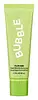
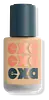
Bubble Plus One Tinted Daily Mineral Sunscreen Broad Spectrum SPF 40 Versus Exa Beauty High Fidelity Foundation
This mineral sunscreen covers the full UV range and blocks ~98% of UVB at SPF 40.

What's inside
What's inside
 Key Ingredients
Benefits
Concerns
Ingredients Side-by-side
Zinc Oxide 12%
Cosmetic Colorant


Water
Skin ConditioningCoco-Caprylate/Caprate
Emollient
Cetearyl Alcohol
Emollient





Dicaprylyl Carbonate
EmollientCoco-Glucoside
Cleansing
Methyl Dihydroabietate
Glycerin
Humectant


Polyglyceryl-3 Polyricinoleate
Emulsifying
Propanediol
Solvent
Theobroma Grandiflorum Seed Butter
Skin Conditioning
Pongamia Pinnata Seed Extract
Skin ConditioningRubus Idaeus Seed Oil
Emollient
Glyceryl Caprylate
EmollientLauroyl Lysine
Skin Conditioning
Sclerotium Gum
Emulsion StabilisingDiheptyl Succinate
EmollientOctyldodecanol
Emollient
Isostearic Acid
Cleansing
Caprylhydroxamic Acid
ChelatingPolyglyceryl-3 Diisostearate
Emulsifying
Citric Acid
Buffering

Phytic Acid
Chelating
Jojoba Esters
Emollient
Trihydroxystearin
Skin Conditioning
Capryloyl Glycerin/Sebacic Acid Copolymer
Skin ConditioningSilybum Marianum Ethyl Ester
Skin ConditioningMaltodextrin
Absorbent
Lycium Barbarum Fruit Extract
Astringent
Vaccinium Vitis-Idaea Fruit Extract
Antioxidant
Punica Granatum Pericarp Extract
Skin ConditioningSyringa Vulgaris Extract
Skin ConditioningTocopherol
Antioxidant


Xanthan Gum
EmulsifyingGluconolactone
Chelating



Calcium Gluconate
HumectantPhenoxyethanol
Preservative
Sodium Benzoate
Masking
CI 77492
Cosmetic ColorantCI 77491
Cosmetic ColorantCI 77499
Cosmetic ColorantZinc Oxide 12%, Water, Coco-Caprylate/Caprate, Cetearyl Alcohol, Dicaprylyl Carbonate, Coco-Glucoside, Methyl Dihydroabietate, Glycerin, Polyglyceryl-3 Polyricinoleate, Propanediol, Theobroma Grandiflorum Seed Butter, Pongamia Pinnata Seed Extract, Rubus Idaeus Seed Oil, Glyceryl Caprylate, Lauroyl Lysine, Sclerotium Gum, Diheptyl Succinate, Octyldodecanol, Isostearic Acid, Caprylhydroxamic Acid, Polyglyceryl-3 Diisostearate, Citric Acid, Phytic Acid, Jojoba Esters, Trihydroxystearin, Capryloyl Glycerin/Sebacic Acid Copolymer, Silybum Marianum Ethyl Ester, Maltodextrin, Lycium Barbarum Fruit Extract, Vaccinium Vitis-Idaea Fruit Extract, Punica Granatum Pericarp Extract, Syringa Vulgaris Extract, Tocopherol, Xanthan Gum, Gluconolactone, Calcium Gluconate, Phenoxyethanol, Sodium Benzoate, CI 77492, CI 77491, CI 77499
Water
Skin ConditioningAloe Barbadensis Leaf Juice
Skin Conditioning
Coco-Caprylate/Caprate
Emollient
Coconut Alkanes
Emollient
Glycerin
Humectant
Caprylic/Capric Triglyceride
Masking
Propanediol
Solvent
Jojoba Esters
Emollient
Sorbitan Olivate
Emulsifying
Trioctyldodecyl Citrate
EmollientPolyhydroxystearic Acid
Emulsifying
Euphorbia Cerifera Wax
Prunus Armeniaca Kernel Oil
Masking
Helianthus Annuus Seed Oil
Emollient
Euterpe Oleracea Fruit Oil
Skin Conditioning
Oryza Sativa Bran
Abrasive
Zea Mays Starch
Absorbent
Tocopherol
Antioxidant
Sodium Ascorbyl Phosphate
Antioxidant
Sodium Hyaluronate
Humectant
Theobroma Cacao Fruit Powder
Skin ConditioningPavlova Lutheri Extract
Skin ConditioningCitrus Paradisi Peel Oil
Masking



Aristotelia Chilensis Fruit Extract
Skin ConditioningCamellia Sinensis Leaf Extract
Antimicrobial
Coffea Arabica Seed Extract
Masking
Lycium Barbarum Fruit Extract
Astringent
Malpighia Punicifolia Fruit Extract
Antioxidant
Prunus Persica Fruit Extract
Abrasive
Sambucus Nigra Fruit Extract
AstringentVitis Rotundifolia Seed Extract
Antioxidant
Punica Granatum Fruit Extract
Antioxidant
Lecithin
Emollient
Microcrystalline Cellulose
AbsorbentSilica
Abrasive
Triethoxycaprylylsilane

Silica Silylate
Emollient
Polyglyceryl-6 Polyricinoleate
Emulsifying
Xanthan Gum
EmulsifyingCellulose Gum
Emulsion StabilisingCitric Acid
Buffering
Sodium Hydroxide
BufferingGlyceryl Caprylate
EmollientGlyceryl Undecylenate
Emollient
Phenoxyethanol
Preservative
CI 77491
Cosmetic ColorantCI 77891
Cosmetic ColorantMica
Cosmetic ColorantWater, Aloe Barbadensis Leaf Juice, Coco-Caprylate/Caprate, Coconut Alkanes, Glycerin, Caprylic/Capric Triglyceride, Propanediol, Jojoba Esters, Sorbitan Olivate, Trioctyldodecyl Citrate, Polyhydroxystearic Acid, Euphorbia Cerifera Wax, Prunus Armeniaca Kernel Oil, Helianthus Annuus Seed Oil, Euterpe Oleracea Fruit Oil, Oryza Sativa Bran, Zea Mays Starch, Tocopherol, Sodium Ascorbyl Phosphate, Sodium Hyaluronate, Theobroma Cacao Fruit Powder, Pavlova Lutheri Extract, Citrus Paradisi Peel Oil, Aristotelia Chilensis Fruit Extract, Camellia Sinensis Leaf Extract, Coffea Arabica Seed Extract, Lycium Barbarum Fruit Extract, Malpighia Punicifolia Fruit Extract, Prunus Persica Fruit Extract, Sambucus Nigra Fruit Extract, Vitis Rotundifolia Seed Extract, Punica Granatum Fruit Extract, Lecithin, Microcrystalline Cellulose, Silica, Triethoxycaprylylsilane, Silica Silylate, Polyglyceryl-6 Polyricinoleate, Xanthan Gum, Cellulose Gum, Citric Acid, Sodium Hydroxide, Glyceryl Caprylate, Glyceryl Undecylenate, Phenoxyethanol, CI 77491, CI 77891, Mica
Reviews
Ingredients Explained
These ingredients are found in both products.
Ingredients higher up in an ingredient list are typically present in a larger amount.
Ci 77491 is also hydrated iron III oxide. It's sole purpose is to give a red/pink hue to products.
Iron III oxides are classified as inorganic chemicals for coloring.
Synthetically created Ci 77491 is considered safer than those naturally found. This is because the synthetically created version may contain less impurities. Iron oxides are generally non-toxic and non-allergenic.
Learn more about CI 77491Citric Acid is an alpha hydroxy acid (AHA) naturally found in citrus fruits like oranges, lemons, and limes.
Like other AHAs, citric acid can exfoliate skin by breaking down the bonds that hold dead skin cells together. This helps reveal smoother and brighter skin underneath.
However, this exfoliating effect only happens at high concentrations (20%) which can be hard to find in cosmetic products.
Due to this, citric acid is usually included in small amounts as a pH adjuster. This helps keep products slightly more acidic and compatible with skin's natural pH.
In skincare formulas, citric acid can:
While it can provide some skin benefits, research shows lactic acid and glycolic acid are generally more effective and less irritating exfoliants.
Most citric acid used in skincare today is made by fermenting sugars (usually from molasses). This synthetic version is identical to the natural citrus form but easier to stabilize and use in formulations.
Rosacea skin has a lower threshold for acids generally, with 62.5% of rosacea subjects in one study reacting to lactic acid in a sting test. This is why we mark citric acid as a potential rosacea trigger.
However, this ingredient shows up as a pH adjuster or chelator at roughly 0.1-1% in many products. These low levels are unlikely to be an issue for rosacea skin and becomes a potential trigger at exfoliating concentrations (20%). Because everybody's skin is unique, we recommend a patch test if you are unsure.
Learn more about Citric AcidCoco-Caprylate/Caprate is a lightweight ester created from coconut oil fatty acids, caprylic acid, and capric acid.
It is an emollient that helps soften skin and reduce transepidermal water loss (TEWL). What sets it apart from heavier emollients is its ultralight, non-greasy feel.
Once applied, this ingredient dries down quickly and leaves a dry, silky finish behind. This also helps improve spreadability and texture.
This ingredient has an excellent safety-record and is non-irritating.
Typical concentrations for cosmetics range from 0.5-62%.
Research on Malassezia growth found no growth on fatty acid esters with chain lengths shorter than 12 carbons (it prefers C11-24).
Since Coco-Caprylate/Caprate is built on C8 and C10 fatty acids, it is out of the range that Malassezia metabolizes, and therefore safe for fungal acne.
Learn more about Coco-Caprylate/CaprateGlycerin (or glycerol) is a compound naturally found in your skin. It's a powerhouse humectant that pulls water into the stratum corneum.
Topically, glycerin does several things at once:
Your skin makes glycerin on its own (mostly from sebaceous oil breakdown) and shuttles it to your outermost layer of skin, or your epidermis, via aquaporin-3.
Aquaporin-3 is a transporter that is essential for normal skin hydration, elasticity, and repair. Interestingly, mice lacking in AQP3 have dry and less elastic skin that can be fully corrected with glycerin.
This ingredient is non-irritating, plays well with almost every ingredient, and works across all skin types. Typical use is anywhere between 3-10% but can go up to 79% in some leave-on products.
Just know very high concentrations (>40%) can feel tacky in low humidity.
Glycerin is the name for this ingredient in American English. British English uses Glycerol/Glycerine.
Learn more about GlycerinGlyceryl Caprylate comes from glycerin and caprylic acid. It is an emollient, co-emulsifier, and preservative booster.
Its short C8 fatty acid chain makes it behave differently from its longer-chain emollient cousins like Glyceryl Stearate. It feels more lightweight, fast-absorbing, and silky instead of rich and waxy.
As a co-emulsifier, its "head" and "tail" sit at the oil-water interface. But overall, the short C8 tail and not being water soluble means it doesn't really have the muscle to emulsify a formula on its own. That's why you'll often see it paired with a primary emulsifier like Cetearyl Glucoside.
Interestingly, Glyceryl Caprylate acts as a preservative booster. This is because its fatty-acid backbone disrupts microbial lipid membranes. It shows excellent activity against bacteria and yeast but is weaker against mold.
Typical concentrations range from 0.5-1% and this ingredient is generally non-irritating.
Because this ingredient has a C8 fatty acid chain, it is outside the range that the Malassezia yeast metabolizes (making it fungal acne safe).
Learn more about Glyceryl CaprylateJojoba Esters is a wax created from Jojoba oil. It is an emollient and film-forming ingredient. In bead form, it is an exfoliator.
This ingredient has high oxidative stability, meaning it doesn't break down when exposed to oxygen.
Its similarity to our skin's natural oils makes it a great emollient. Emollients help soften and soothe our skin by creating a barrier on top. This barrier helps trap moisture in, keeping skin hydrated.
It is created using either the hydrogenation or transesterification processes on jojoba oil.
Learn more about Jojoba EstersLycium Barbarum Fruit Extract comes from the Goji Berry. Goji berries are native to China and can be found across Eurasia.
Goji berries contain polysaccharides, carotenoids and flavonoids. Antioxidants help your body fight off free-radical molecules. These molecules are unstable and may damage your skin. By making free-radicals more stable, antioxidants can help with anti-aging.
Polysaccharides help hydrate the top layer of skin due to its ability to mimic natural carbohydrates.
Learn more about Lycium Barbarum Fruit ExtractPhenoxyethanol is one of the most widely used preservatives in skincare (and for good reason!).
It has a large spectrum of antimicrobial activity and especially effective bacteria, yeast, and mold while only having a weak effect on your skin's natural microbiome.
On a cellular level, it disrupts the cell membranes of microbes by poking holes that make the cell leak. This shuts down the chemical reactions the microbe needs to make energy so it can no longer survive.
Another perk of this ingredient is that it stays functional across a wide pH range (3-10).
You'll often see it paired with boosters like Ethylhexylglycerin; one study showed that a 1:9 ratio of Ethylhexylglycerin to Phenoxyethanol damages bacterial membranes as effectively as doubling the Phenoxyethanol concentration on its own.
Typical use concentrations range from 0.3-1% depending on the formula, and this ingredient is capped at 1% int the EU.
Safety-wise, the fear mongering does not hold up to the evidence. The EU's Scientific Committee on Consumer Safety and FDA consider it safe as a preservative at up to 1%, including for children of all ages.
Adverse systemic effects only showed up in animal studies at exposures roughly 200x higher than what people get from cosmetics. And despite its very widespread use, this ingredient is a rare sensitizer and allergic reactions are uncommon.
Learn more about PhenoxyethanolPropanediol is an all-star ingredient. It softens, hydrates, and smooths the skin.
It’s often used to:
Propanediol is not likely to cause sensitivity and considered safe to use. It is derived from corn or petroleum with a clear color and no scent.
Learn more about PropanediolTocopherol is a fat-soluble antioxidant known as Vitamin E.
You'll find this ingredient in the vast majority of skincare (for good reason). It works to neutralize free radicals, or unstable molecules generated by UV exposure, pollution, and other environmental stressors, before they can cause oxidative damage to your skin cells.
Topically applied tocopherol has been shown to protect against UV damage by ramping up the skin's own natural defense enzymes.
It also acts as a skin conditioning agent; some studies show that regular topical use can improve the skin's water-binding capacity over 2-4 weeks.
This ingredient is especially loved for being a team player. When combined with Vitamin C, the photoprotective effect of both ingredients roughly doubles and the combo also helps reduce UV-induced DNA damage.
This ingredient has some brightening potential but it's more of a prevention ingredient than spot-fader. Cell studies show it can slow down melanin production but it's worth noting that it's not the most powerful brightener out there.
In formulations, it also serves as a stabilizer that helps protect other oxidation-prone ingredients from degrading.
Concentrations usually range from 0.1-1% in most leave-on products.
Learn more about TocopherolWater. It's the most common cosmetic ingredient of all. You'll usually see it at the top of ingredient lists, meaning that it makes up the largest part of the product.
So why is it so popular? Water most often acts as a solvent - this means that it helps dissolve other ingredients into the formulation.
You'll also recognize water as that liquid we all need to stay alive. If you see this, drink a glass of water. Remember to stay hydrated!
Learn more about WaterXanthan gum is used as a stabilizer and thickener within cosmetic products. It helps give products a sticky, thick feeling - preventing them from being too runny.
On the technical side of things, xanthan gum is a polysaccharide - a combination consisting of multiple sugar molecules bonded together.
Xanthan gum is a pretty common and great ingredient. It is a natural, non-toxic, non-irritating ingredient that is also commonly used in food products.
Learn more about Xanthan Gum

