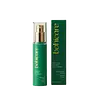
This anti-aging eye moisturizer is formulated around Bakuchiol and Acetyl Hexapeptide-8 to soften the look of wrinkles.
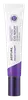
This anti-aging eye moisturizer is formulated around Niacinamide and Hydroxypinacolone Retinoate to soften the look of wrinkles and refine skin texture.

What's inside
What's inside
 Key Ingredients
Benefits
Concerns
Ingredients Side-by-side
Water
Skin ConditioningCaprylic/Capric Triglyceride
Masking


Butylene Glycol
Humectant
Glycerin
Humectant
Polyglyceryl-3 Methylglucose Distearate
Emulsifying

Hexanediol
SolventHelianthus Annuus Seed Oil
Emollient
Cetearyl Alcohol
Emollient



Stearic Acid
Cleansing
Vinegar
Dimethicone
Emollient
Propanediol
Solvent
Glyceryl Stearate
Emollient
Betaine
Humectant
Pvp
Emulsion StabilisingCarbomer
Emulsion StabilisingTromethamine
BufferingPanthenol
Skin Conditioning
Bakuchiol
Antimicrobial






3-O-Ethyl Ascorbic Acid
Skin Conditioning

Ethylhexylglycerin
Skin ConditioningAdenosine
Skin Conditioning
Disodium EDTA
ChelatingArachidic Acid
Cleansing
Sodium Hyaluronate
Humectant
Palmitic Acid
Emollient
Oleic Acid
Emollient
Caprylyl Glycol
Emollient
Acetyl Hexapeptide-8
Humectant
Copper Tripeptide-1
Skin Conditioning
Palmitoyl Pentapeptide-4
Skin Conditioning
Tripeptide-1
Skin Conditioning
Palmitoyl Tripeptide-1
Skin Conditioning
Hexapeptide-9
Skin Conditioning
Nonapeptide-1
Skin Conditioning
Water, Caprylic/Capric Triglyceride, Butylene Glycol, Glycerin, Polyglyceryl-3 Methylglucose Distearate, Hexanediol, Helianthus Annuus Seed Oil, Cetearyl Alcohol, Stearic Acid, Vinegar, Dimethicone, Propanediol, Glyceryl Stearate, Betaine, Pvp, Carbomer, Tromethamine, Panthenol, Bakuchiol, 3-O-Ethyl Ascorbic Acid, Ethylhexylglycerin, Adenosine, Disodium EDTA, Arachidic Acid, Sodium Hyaluronate, Palmitic Acid, Oleic Acid, Caprylyl Glycol, Acetyl Hexapeptide-8, Copper Tripeptide-1, Palmitoyl Pentapeptide-4, Tripeptide-1, Palmitoyl Tripeptide-1, Hexapeptide-9, Nonapeptide-1
Water
Skin ConditioningButylene Glycol
Humectant
Glycerin
Humectant
Dimethicone
Emollient
Niacinamide
Smoothing

Ethylhexyl Stearate
Emollient
1,2-Hexanediol
Skin Conditioning
Hydroxyethyl Acrylate/Sodium Acryloyldimethyl Taurate Copolymer
Emulsion StabilisingCetearyl Alcohol
Emollient
Betaine
Humectant
Panthenol
Skin Conditioning
Glyceryl Polymethacrylate
Sodium Hyaluronate
Humectant
Glyceryl Stearate
Emollient
Acrylates/C10-30 Alkyl Acrylate Crosspolymer
Emulsion StabilisingDimethicone/Vinyl Dimethicone Crosspolymer
Skin Conditioning
Dimethiconol
Emollient
Hydrogenated Lecithin
Emulsifying
Cellulose Gum
Emulsion StabilisingGlyceryl Caprylate
EmollientGlucosyl Hesperidin
HumectantStearic Acid
Cleansing
Tromethamine
BufferingPolyglyceryl-3 Methylglucose Distearate
Emulsifying
Palmitic Acid
Emollient
Sorbitan Isostearate
Emulsifying
Ethylhexylglycerin
Skin ConditioningDimethyl Isosorbide
SolventAdenosine
Skin Conditioning
Sodium Polyacrylate
Absorbent
Sodium Metaphosphate
BufferingPolyglyceryl-6 Caprylate
EmulsifyingHydroxypropyl Bispalmitamide Mea
Emollient
Mannitol
Humectant
Hydroxypinacolone Retinoate
Skin Conditioning
Myristic Acid
Cleansing
3-O-Ethyl Ascorbic Acid
Skin Conditioning
Acrylates/Ammonium Methacrylate Copolymer
Lauric Acid
Cleansing
Thymol Trimethoxycinnamate
Antioxidant
Cholesterol
Emollient
Silica
Abrasive
Oleanolic Acid
Skin ConditioningCaprylyl Glycol
Emollient
Pullulan
Acetyl Heptapeptide-4
Humectant
Zein
Skin ConditioningPectin
Emulsion StabilisingAcetyl Hexapeptide-8
Humectant
Hydrolyzed Extensin
Skin ConditioningSimmondsia Chinensis Seed Oil
Emollient
Sodium Hydroxide
BufferingPolyglyceryl-10 Laurate
Skin Conditioning
Acetyl Octapeptide-3
Humectant
Citric Acid
Buffering
Water, Butylene Glycol, Glycerin, Dimethicone, Niacinamide, Ethylhexyl Stearate, 1,2-Hexanediol, Hydroxyethyl Acrylate/Sodium Acryloyldimethyl Taurate Copolymer, Cetearyl Alcohol, Betaine, Panthenol, Glyceryl Polymethacrylate, Sodium Hyaluronate, Glyceryl Stearate, Acrylates/C10-30 Alkyl Acrylate Crosspolymer, Dimethicone/Vinyl Dimethicone Crosspolymer, Dimethiconol, Hydrogenated Lecithin, Cellulose Gum, Glyceryl Caprylate, Glucosyl Hesperidin, Stearic Acid, Tromethamine, Polyglyceryl-3 Methylglucose Distearate, Palmitic Acid, Sorbitan Isostearate, Ethylhexylglycerin, Dimethyl Isosorbide, Adenosine, Sodium Polyacrylate, Sodium Metaphosphate, Polyglyceryl-6 Caprylate, Hydroxypropyl Bispalmitamide Mea, Mannitol, Hydroxypinacolone Retinoate, Myristic Acid, 3-O-Ethyl Ascorbic Acid, Acrylates/Ammonium Methacrylate Copolymer, Lauric Acid, Thymol Trimethoxycinnamate, Cholesterol, Silica, Oleanolic Acid, Caprylyl Glycol, Pullulan, Acetyl Heptapeptide-4, Zein, Pectin, Acetyl Hexapeptide-8, Hydrolyzed Extensin, Simmondsia Chinensis Seed Oil, Sodium Hydroxide, Polyglyceryl-10 Laurate, Acetyl Octapeptide-3, Citric Acid
Ingredients Explained
These ingredients are found in both products.
Ingredients higher up in an ingredient list are typically present in a larger amount.
3-O-Ethyl Ascorbic Acid is one of the most popular "stable" vitamin C derivatives in skincare.
Plain ascorbic acid is fantastic but notoriously fragile; it browns, oxidizes, and loses potency fast. So attaching an ethyl group to the third carbon of the molecule gives it some cool perks:
In a formula, it does the 3 classic vitamin C jobs: it acts as an antioxidant, helps brighten skin tone by inhibiting tyrosinase, and supports collagen.
The evidence is reasonably solid for a cosmetic ingredient; Liao and colleagues (2018) showed it's significantly more stable than ascorbic acid while still being effective.
A 2021 study by Zerbinati and colleagues tested a serum with 30% 3-O-ethyl-l-ascorbic acid and 1% lactic acid significantly increased collagen production, reduced UVB-induced DNA damage, and decreased melanin on a reconstructed pigmented skin model.
Typical real world usage sits around 0.5-5% (and 1-2% is common for daily serums).
Amounts up to 30% have been shown to be non-irritating on human skin samples, but two isolated cases reported allergic contact dermatitis so a patch test is sensible if you have reactive skin.
Learn more about 3-O-Ethyl Ascorbic AcidAcetyl Hexapeptide-8 (also known as Argireline) is a synthetic hexapeptide that is often called a "topical Botox alternative".
It works by mimicking how Botox relaxes muscles; it interferes with the signaling process that tells your facial muscles to contract. This can help soften expression lines like forehead wrinkles or crow's feet over time.
The comparison to Botox does have limits because the molecule is water-loving and relatively large.
Acetyl Hexapeptide-8 has a hard time absorbing deeply enough through the skin's outer barrier to actually reach the muscles.
So whether it truly works the way Botox does at a biological level is still up for debate, but early clinical outcomes are fairly encouraging.
A 12 week human study of a multi-ingredient regimen containing this ingredient saw:
While some studies have observed improvements in wrinkle appearance, it is important to note that more consistent results are seen in multi-ingredient formulations (vs just Acetyl Hexapeptide-8 alone).
Some research studies also used higher concentrations (up to 10%) while this ingredient is usually found in concentrations up to 0.005% in leave-on formulations.
Learn more about Acetyl Hexapeptide-8Adenosine is a purine nucleoside that your body already makes in every cell. In skincare, it acts mainly as a skin conditioning and anti-aging agent.
The way it works is fairly well mapped out:
Your skin has cells called fibroblasts that build collagen (the stuff that keeps skin firm and smooth). Adenosine basically flips a switch on these cells that tells them to get to work making more collagen and other proteins. These cells slow down on their own as skin ages, so Adenosine helps give them a little nudge to keep going.
The clinical backing is pretty solid too.
A blind, randomized, placebo-controlled trial of 126 women aged 45-65 tested a 0.1% cream twice daily and found real improvements in crow's feet and frown lines using a precise 3D skin-mapping technique; these changes showed up by week 3 and held at 2 months.
A later study using Adenosine-loaded dissolving microneedle patches reported gains in wrinkle depth, dermal density, elasticity, and hydration.
On concentrations, South Korea's Ministry of Food and Drug Safety has set 0.04% as the approved functional anti-wrinkle level. You'll typically see this ingredient used somewhere in the 0.04-0.1% range since it works at low doses.
This ingredient has been found safe for cosmetics with the data showing no irritation or sensitization.
Overall, this is a great ingredient for any anti-aging routine and has no photosensitizing effect, so it suits both AM and PM use.
Learn more about AdenosineBetaine is a humectant. Like hyaluronic acid, it helps attract and retain moisture in the skin. It’s known for being gentle and for helping the skin maintain balanced hydration.
Betaine is mainly used to improve hydration and support calmer skin. It helps skin cells regulate water balance because it functions as an osmolyte.
Some studies suggest betaine may support making skin tone more even.
Fun fact: Betaine naturally exists in the skin and the body. In cosmetic products, it can be either plant-derived (most commonly from sugar beets) or synthetically produced for consistency and stability.
Betaine is also known as trimethylglycine.
Learn more about BetaineButylene Glycol (or BG) is used within cosmetic products for a few different reasons:
Overall, Butylene Glycol is a safe and well-rounded ingredient that works well with other ingredients.
Though this ingredient works well with most skin types, some people with sensitive skin may experience a reaction such as allergic rashes, closed comedones, or itchiness.
Learn more about Butylene GlycolCaprylyl Glycol is a humectant, skin conditioner, emollient, and preservative booster derived from either caprylic acid or synthetically created.
Typical use levels vary from 0.3-1% as a preservative booster and go up to 2% to condition skin.
Because it is not a free-fatty acid, this ingredient is fungal acne safe (there's nothing for Malassezia to feed on).
Learn more about Caprylyl GlycolCetearyl alcohol is a waxy mixture of two fatty alcohols: cetyl alcohol and stearyl alcohol. It is an emollient and emulsifier.
Despite having "alcohol" in its name, it has nothing to do with drying solvent alcohols; the FDA also allows "alcohol-free" products to contain fatty alcohols like this ingredient.
It plays several roles in a formula:
Typical use levels for this ingredient sit around 1-10% and the Cosmetic Ingredient Review Expert Panel has affirmed safety at concentrations up to 25% in leave-on products.
Multiple assessments have found it to be non-irritating and non-sensitizing to most people.
However, there have been some cases of allergic contact dermatitis in patients with chronically compromised skin barriers.
Cetearyl alcohol has a comedogenic rating of 2 and irritancy rating of 1. Both of these numbers come from the 1989 study that used rabbit ears; a "2" means mildly comedogenic and a "1" means low irritancy.
Here's the catch: rabbit skin is more sensitive than human skin and throws a lot of false positives. A 1996 reappraisal found that ingredients rated 1-2 in the rabbit ear tests are generally safe for humans.
Remember comedogenic ratings are unable to assess the entire formula of a product or how it will react on your skin. Just be sure to patch test if you are unsure about certain ingredients.
This ingredient is not fungal acne safe. Cetearyl alcohol is a fatty alcohol with chain lengths that fall within the range that Malassezia can metabolize.
A 2019 study has also observed Malassezia growth in the presence of this ingredient, confirming it to be not-fungal acne safe.
Learn more about Cetearyl AlcoholDimethicone is a type of synthetic silicone created from natural materials such as quartz. It is also known as polydimethylsiloxane.
What it does:
Dimethicone comes in different viscosities:
Depending on the viscosity, dimethicone has different properties.
Ingredients lists don't always show which type is used, so we recommend reaching out to the brand if you have questions about the viscosity.
This ingredient is unlikely to cause irritation because it does not get absorbed into skin. However, people with silicone allergies should be careful about using this ingredient.
Note: Dimethicone may contribute to pilling. This is because it is not oil or water soluble, so pilling may occur when layered with products. When mixed with heavy oils in a formula, the outcome is also quite greasy.
Learn more about DimethiconeEthylhexylglycerin is created from glycerin. It is a multitasker ingredient that:
The CIR Expert Panel found minimal skin absorption or sensitization of any kind in a safety assessment. Though this ingredient is considered well-tolerated, a small number of cases of allergic dermatitis have been published since 2002. Just be sure to patch test if you are unsure.
Industry-reported use ranges from 8% in rinse-off products and 2% in leave-on formulations.
Learn more about EthylhexylglycerinGlycerin (or glycerol) is a compound naturally found in your skin. It's a powerhouse humectant that pulls water into the stratum corneum.
Topically, glycerin does several things at once:
Your skin makes glycerin on its own (mostly from sebaceous oil breakdown) and shuttles it to your outermost layer of skin, or your epidermis, via aquaporin-3.
Aquaporin-3 is a transporter that is essential for normal skin hydration, elasticity, and repair. Interestingly, mice lacking in AQP3 have dry and less elastic skin that can be fully corrected with glycerin.
This ingredient is non-irritating, plays well with almost every ingredient, and works across all skin types. Typical use is anywhere between 3-10% but can go up to 79% in some leave-on products.
Just know very high concentrations (>40%) can feel tacky in low humidity.
Glycerin is the name for this ingredient in American English. British English uses Glycerol/Glycerine.
Learn more about GlycerinGlyceryl Stearate is made by reacting glycerin with stearic acid (typically sourced from plant oils like palm or coconut). It's an emulsifier, emollient, and mild occlusive.
Emulsifiers help ingredients like oil and water stay mixed so your formula stays nicely blended and uniform in texture.
This ingredient is typically used in concentrations between 1-10%. Studies have found it to be non-sensitizing, non-phototoxic, and non-photoallergenic.
A close cousin of this ingredient is Glyceryl Stearate SE ("self-emulsifying"). This just has a small amount of sodium or potassium stearate added so it can emulsify without a co-emulsifier.
Since this ingredient is an ester of a C18 fatty acid, it may not be fungal acne safe. The Malassezia yeast can potentially metabolize within the C11-C24 range.
Fun fact: The human body also creates Glyceryl Stearate naturally.
Learn more about Glyceryl StearatePalmitic Acid is a fatty acid naturally found in our skin and in many plant and animal sources.
In cosmetics, it is usually derived from palm oil. It serves many purposes in skincare, acting as a cleanser, emollient, and emulsifier.
Interestingly, topically applied Palmitic Acid can be elongated into longer chain fatty acids and ceramides. A 2019 study found low levels of Palmitic Acid lead to slower development of cells, suggesting it plays a role in keeping your skin's renewal process on track.
The CIR (Cosmetic Ingredient Review) panel determined it safe as used in cosmetics at concentrations up to 13%. It is non-irritating and non-sensitizing in clinical studies.
The culprit behind fungal acne, the Malassezia yeast, feeds on fatty acids with carbon chain lengths between C11-C24. Palmitic Acid, at C16, falls right into that sweet spot.
In vitro studies have shown that Palmitic Acid is one of the fatty acids that induce rapid Malassezia growth in lab settings.
It's worth noting that what feeds yeast in a lab doesn't necessarily feed it on your face since formulation and your skin's chemistry play a bigger role.
This ingredient does have a comedogenic rating of 2, but this doesn't mean a formula with this ingredient will clog pores.
Human testing has proved that any finished product with a comedogenic ingredient won't automatically make you break out; it really comes down to concentration, formula, and your skin.
Learn more about Palmitic AcidPanthenol is a common ingredient that helps hydrate and soothe the skin. It is found naturally in our skin and hair.
There are two forms of panthenol: D and L.
D-panthenol is also known as dexpanthenol. Most cosmetics use dexpanthenol or a mixture of D and L-panthenol.
Panthenol is famous due to its ability to go deeper into the skin's layers. Using this ingredient has numerous pros (and no cons):
Like hyaluronic acid, panthenol is a humectant. Humectants are able to bind and hold large amounts of water to keep skin hydrated.
This ingredient works well for wound healing. It works by increasing tissue in the wound and helps close open wounds.
Once oxidized, panthenol converts to pantothenic acid. Panthothenic acid is found in all living cells.
This ingredient is also referred to as pro-vitamin B5.
Learn more about PanthenolPolyglyceryl-3 Methylglucose Distearate is a plant-derived emulsifier whose only job is to keep the oily and watery parts of a formula blended so it doesn't separate into layers.
It's compatible with a wide-range of active ingredients and especially good at making emulsions survive heat/freeze cycles.
Typical use concentrations range from 2-3% and it works across a pH of 4.5-8.5.
This ingredient has been found safe to use in cosmetics and has a low irritation profile.
Because it's build on stearic acid, it may not be fungal acne safe. Stearic acid is a C18 fatty acid that falls within the range (C11-24) that Malassezia can feed on.
Learn more about Polyglyceryl-3 Methylglucose DistearateSodium Hyaluronate is the salt form of hyaluronic acid. It is a long sugar chain that is naturally found in your skin, joints, and connective tissue that maintains hydration and elasticity.
In skincare, it works as a humectant. It pulls water from the environment and deeper layers of skin and binds it to the surface.
Interestingly, the size of the molecule affects its behavior:
Some clinical evidence links low molecular weight versions to improved wrinkle depth, elasticity, anti-inflammatory effects, and barrier repair.
Many serums use a blend of both weights so you can get surface hydration plus longer-lasting and deeper effects.
You'll typically see concentrations between 0.1-2% for this ingredient.
Learn more about Sodium HyaluronateStearic Acid is a fatty acid that is already found in your skin. It's one of the free fatty acids that works alongside ceramides and cholesterols to maintain your barrier.
In cosmetics, it is a multitasker:
Safety-wise, the CIR Expert Panel has concluded it to be safe in cosmetics when formulated to be non-irritating and non-sensitizing.
Free stearic acid is a C18 fatty acid that the Malassezia yeast can substrate, so this ingredient may not be fungal acne safe.
This ingredient does have a comedogenic rating of 2-3, but this doesn't mean a formula with this ingredient will clog pores.
Human testing has proved that any finished product with this ingredient won't automatically make you break out; it really comes down to concentration, formula, and your skin.
Learn more about Stearic AcidTromethamine (aka THAM) is a synthetic amino acid that shows up in skincare as a helper ingredient.
It functions as a pH adjuster to help neutralize acidic ingredients and set a formula's pH to the right spot.
This matters a lot because a lot of actives (like vitamin C) needs a specific pH to work well and feel comfortable on skin.
Concentration use ranges from 0.1-1.0% depending on the formula.
Learn more about TromethamineWater. It's the most common cosmetic ingredient of all. You'll usually see it at the top of ingredient lists, meaning that it makes up the largest part of the product.
So why is it so popular? Water most often acts as a solvent - this means that it helps dissolve other ingredients into the formulation.
You'll also recognize water as that liquid we all need to stay alive. If you see this, drink a glass of water. Remember to stay hydrated!
Learn more about Water

