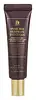
This anti-aging eye moisturizer is formulated around Saccharomyces/Snail Secretion Filtrate Ferment Filtrate and Niacinamide to soften the look of wrinkles and hydrate skin.
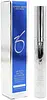
This anti-aging eye moisturizer is formulated around Dipeptide Diaminobutyroyl Benzylamide Diacetate to soften the look of wrinkles.


What's inside
What's inside
 Key Ingredients
Benefits
Concerns
Ingredients Side-by-side
Saccharomyces/Snail Secretion Filtrate Ferment Filtrate
Skin Conditioning


Water
Skin ConditioningCaprylic/Capric Triglyceride
Masking

Propanediol
Solvent
Lactobacillus/Collagen Ferment Filtrate
Humectant
Butylene Glycol
Humectant
Polyglyceryl-3 Methylglucose Distearate
Emulsifying
Niacinamide
Smoothing









Cetyl Ethylhexanoate
Emollient1,2-Hexanediol
Skin Conditioning
Pentylene Glycol
Skin Conditioning
Glyceryl Stearate
Emollient
Glycerin
Humectant
Acrylates/C10-30 Alkyl Acrylate Crosspolymer
Emulsion StabilisingHydroxyethylcellulose
Emulsion StabilisingOlea Europaea Fruit Oil
Masking



Helianthus Annuus Seed Oil
Emollient
Sodium Hyaluronate
Humectant
Sodium Hyaluronate Crosspolymer
Humectant
Hydrolyzed Sodium Hyaluronate
Skin Conditioning
Hydrolyzed Hyaluronic Acid
Humectant
Hyaluronic Acid
Humectant
Acetyl Hexapeptide-8
Humectant
Copper Tripeptide-1
Skin Conditioning
Bifida Ferment Lysate
Skin Conditioning
Ulmus Campestris Bark Extract
AstringentSalix Alba Bark Extract
Astringent
Plantago Asiatica Extract
Skin ConditioningLaminaria Digitata Extract
Skin Protecting
Diospyros Kaki Leaf Extract
Skin Protecting
Althaea Rosea Root Extract
HumectantAloe Barbadensis Leaf Extract
Emollient
Betaine
Humectant
Beta-Glucan
Skin Conditioning
Glyceryl Stearate Citrate
Emollient
Panthenol
Skin Conditioning
Glycine
Buffering
Serine
Masking
Glutamic Acid
Humectant
Allantoin
Skin Conditioning
Aspartic Acid
Masking
Leucine
Skin ConditioningAlanine
Masking
Lysine
Skin ConditioningTyrosine
MaskingPhenylalanine
Masking
Valine
MaskingThreonine
Proline
Skin Conditioning
Isoleucine
Skin ConditioningHistidine
Humectant
Methionine
Skin ConditioningCysteine
Antioxidant
Arginine
Masking
Ceramide NP
Skin Conditioning
Adenosine
Skin Conditioning
Bee Venom
Astringent
Tocopherol
Antioxidant
Polyglyceryl-3 Distearate
Emulsifying
Hydrogenated Lecithin
Emulsifying
Cetearyl Olivate
Sorbitan Olivate
Emulsifying
Caprylyl Glycol
Emollient
Saccharomyces/Snail Secretion Filtrate Ferment Filtrate, Water, Caprylic/Capric Triglyceride, Propanediol, Lactobacillus/Collagen Ferment Filtrate, Butylene Glycol, Polyglyceryl-3 Methylglucose Distearate, Niacinamide, Cetyl Ethylhexanoate, 1,2-Hexanediol, Pentylene Glycol, Glyceryl Stearate, Glycerin, Acrylates/C10-30 Alkyl Acrylate Crosspolymer, Hydroxyethylcellulose, Olea Europaea Fruit Oil, Helianthus Annuus Seed Oil, Sodium Hyaluronate, Sodium Hyaluronate Crosspolymer, Hydrolyzed Sodium Hyaluronate, Hydrolyzed Hyaluronic Acid, Hyaluronic Acid, Acetyl Hexapeptide-8, Copper Tripeptide-1, Bifida Ferment Lysate, Ulmus Campestris Bark Extract, Salix Alba Bark Extract, Plantago Asiatica Extract, Laminaria Digitata Extract, Diospyros Kaki Leaf Extract, Althaea Rosea Root Extract, Aloe Barbadensis Leaf Extract, Betaine, Beta-Glucan, Glyceryl Stearate Citrate, Panthenol, Glycine, Serine, Glutamic Acid, Allantoin, Aspartic Acid, Leucine, Alanine, Lysine, Tyrosine, Phenylalanine, Valine, Threonine, Proline, Isoleucine, Histidine, Methionine, Cysteine, Arginine, Ceramide NP, Adenosine, Bee Venom, Tocopherol, Polyglyceryl-3 Distearate, Hydrogenated Lecithin, Cetearyl Olivate, Sorbitan Olivate, Caprylyl Glycol
Water
Skin ConditioningDimethicone
Emollient
Dipropylene Glycol
HumectantButylene Glycol
Humectant
Glycerin
Humectant
Bellis Perennis Flower Extract
Skin ConditioningDimethicone/PEG-10/15 Crosspolymer
PEG/PPG-18/18 Dimethicone
Emulsifying
Lupinus Albus Seed Oil
Skin Conditioning
Triticum Vulgare Germ Oil
Emollient
PEG-35 Castor Oil
Emulsifying
Hieracium Pilosella Extract
MaskingScutellaria Baicalensis Root Extract
Astringent
Cordyceps Militaris Mycelium Extract
Skin ConditioningGlycyrrhiza Uralensis Root Extract
Skin Conditioning
Angelica Polymorpha Sinensis Root Extract
Skin ConditioningBuddleja Davidii Meristem Cell Culture
Skin ConditioningLactobacillus/Panax Ginseng Root Extract Ferment Filtrate
Skin ConditioningSodium Chloride
MaskingDimethicone Crosspolymer
Emulsion Stabilising
Lactobacillus Ferment
Skin Conditioning
Phospholipids
Skin Conditioning
Sodium Citrate
BufferingSodium Tocopheryl Phosphate
Antioxidant
Hydrolyzed Sericin
Skin ConditioningCera Alba
Emollient
Dimethicone/Vinyl Dimethicone Crosspolymer
Skin Conditioning
Sodium Acetylated Hyaluronate
Humectant
Panthenyl Triacetate
Acetyl Tyrosine
Skin ConditioningEthyl Linoleate
Emollient
1,2-Hexanediol
Skin Conditioning
Pentylene Glycol
Skin Conditioning
Proline
Skin Conditioning
Citric Acid
Buffering
Hydrolyzed Vegetable Protein
Skin ConditioningOleyl Alcohol
Emollient
Dipeptide Diaminobutyroyl Benzylamide Diacetate
Skin Conditioning
Silica
Abrasive
Silica Silylate
Emollient
Beta-Glucan
Skin Conditioning
Tocopherol
Antioxidant
Disodium Acetyl Glucosamine Phosphate
Skin ConditioningAdenosine Triphosphate
Skin ConditioningCaprylyl Glycol
Emollient
Hexylene Glycol
EmulsifyingPEG-12 Glyceryl Laurate
EmulsifyingAcetyl Tetrapeptide-5
Humectant
Xanthan Gum
EmulsifyingDisodium EDTA
ChelatingPvp
Emulsion StabilisingSodium Benzoate
Masking
Sodium Dehydroacetate
Preservative
Phenoxyethanol
Preservative
Potassium Sorbate
Preservative
Water, Dimethicone, Dipropylene Glycol, Butylene Glycol, Glycerin, Bellis Perennis Flower Extract, Dimethicone/PEG-10/15 Crosspolymer, PEG/PPG-18/18 Dimethicone, Lupinus Albus Seed Oil, Triticum Vulgare Germ Oil, PEG-35 Castor Oil, Hieracium Pilosella Extract, Scutellaria Baicalensis Root Extract, Cordyceps Militaris Mycelium Extract, Glycyrrhiza Uralensis Root Extract, Angelica Polymorpha Sinensis Root Extract, Buddleja Davidii Meristem Cell Culture, Lactobacillus/Panax Ginseng Root Extract Ferment Filtrate, Sodium Chloride, Dimethicone Crosspolymer, Lactobacillus Ferment, Phospholipids, Sodium Citrate, Sodium Tocopheryl Phosphate, Hydrolyzed Sericin, Cera Alba, Dimethicone/Vinyl Dimethicone Crosspolymer, Sodium Acetylated Hyaluronate, Panthenyl Triacetate, Acetyl Tyrosine, Ethyl Linoleate, 1,2-Hexanediol, Pentylene Glycol, Proline, Citric Acid, Hydrolyzed Vegetable Protein, Oleyl Alcohol, Dipeptide Diaminobutyroyl Benzylamide Diacetate, Silica, Silica Silylate, Beta-Glucan, Tocopherol, Disodium Acetyl Glucosamine Phosphate, Adenosine Triphosphate, Caprylyl Glycol, Hexylene Glycol, PEG-12 Glyceryl Laurate, Acetyl Tetrapeptide-5, Xanthan Gum, Disodium EDTA, Pvp, Sodium Benzoate, Sodium Dehydroacetate, Phenoxyethanol, Potassium Sorbate
Reviews
Ingredients Explained
These ingredients are found in both products.
Ingredients higher up in an ingredient list are typically present in a larger amount.
1,2-Hexanediol is a synthetic liquid and another multi-functional powerhouse.
It is a:
- Humectant, drawing moisture into the skin
- Emollient, helping to soften skin
- Solvent, dispersing and stabilizing formulas
- Preservative booster, enhancing the antimicrobial activity of other preservatives
Beta-Glucan is a soluble polysaccharide (a chain of glucose sugars) sourced from the cells walls of oats, baker's yeast, mushrooms, and seaweed.
It's a rare ingredient that pulls double-duty as a heavy-duty hydrator and skin-soothing repair agent.
On the surface, it acts as a humectant that holds water in place and reduces moisture loss for a plumper, smoother feel, while its anti-inflammatory and antioxidant properties make it a great pick for calming redness or sensitive skin
The more interesting story is underneath:
Despite its large molecular size, oat beta-glucan has been shown to penetrate the epidermis and reach the dermis by slipping between skin cells. Here, it interacts with fibroblasts and macrophages to nudge collagen synthesis and support wound repair.
A small 2005 split-face clinical study of 27 subjects found topical beta-glucan produced measurable reductions in wrinkle depth, height, and roughness after 8 weeks of use.
It is worth noting the trial was small and the penetration testing used frozen, irradiated skin so the anti-aging data is encouraging rather than definitive.
This ingredient gets along with pretty much everything and is typically used around 0.1-1%.
Fungal acne: This ingredient is not a food source for the Malassezia yeast because it is a glucose polysaccharide with no fatty acid or ester component.
Learn more about Beta-GlucanButylene Glycol (or BG) is used within cosmetic products for a few different reasons:
Overall, Butylene Glycol is a safe and well-rounded ingredient that works well with other ingredients.
Though this ingredient works well with most skin types, some people with sensitive skin may experience a reaction such as allergic rashes, closed comedones, or itchiness.
Learn more about Butylene GlycolCaprylyl Glycol is a humectant, skin conditioner, emollient, and preservative booster derived from either caprylic acid or synthetically created.
Typical use levels vary from 0.3-1% as a preservative booster and go up to 2% to condition skin.
Because it is not a free-fatty acid, this ingredient is fungal acne safe (there's nothing for Malassezia to feed on).
Learn more about Caprylyl GlycolGlycerin (or glycerol) is a compound naturally found in your skin. It's a powerhouse humectant that pulls water into the stratum corneum.
Topically, glycerin does several things at once:
Your skin makes glycerin on its own (mostly from sebaceous oil breakdown) and shuttles it to your outermost layer of skin, or your epidermis, via aquaporin-3.
Aquaporin-3 is a transporter that is essential for normal skin hydration, elasticity, and repair. Interestingly, mice lacking in AQP3 have dry and less elastic skin that can be fully corrected with glycerin.
This ingredient is non-irritating, plays well with almost every ingredient, and works across all skin types. Typical use is anywhere between 3-10% but can go up to 79% in some leave-on products.
Just know very high concentrations (>40%) can feel tacky in low humidity.
Glycerin is the name for this ingredient in American English. British English uses Glycerol/Glycerine.
Learn more about GlycerinPentylene Glycol (1,2-pentanediol) is a multitasking little diol with three main roles in a formula:
Research on alkanediols (the family pentylene glycol belongs to) show they work by disrupting microbial cell membranes. This disruption helps the primary preservative system in a product work more effectively at lower doses.
On the safety side, the Cosmetic Ingredient Review Expert Panel has concluded this ingredient to be safe as used in current cosmetic practices + concentrations.
Typical use levels in a formula run about 1-5%.
Learn more about Pentylene GlycolProline is a non-essential amino acid, meaning your body can make it on its own. In skincare, it is a skin conditioning ingredient that keeps skin soft and hydrated.
It makes up about 23% of the collagen molecule (collagen is the protein responsible for keeping your skin firm) and is involved in your skin's natural hyaluronic acid production. When applied topically, proline can penetrate the skin fairly well due to its small molecular size.
Reviews of this ingredient have found it to be neither a dermal irritant nor a sensitizer.
Fun fact: Proline can be found in protein-rich foods like meat, fish, eggs, and dairy.
Learn more about ProlineTocopherol is a fat-soluble antioxidant known as Vitamin E.
You'll find this ingredient in the vast majority of skincare (for good reason). It works to neutralize free radicals, or unstable molecules generated by UV exposure, pollution, and other environmental stressors, before they can cause oxidative damage to your skin cells.
Topically applied tocopherol has been shown to protect against UV damage by ramping up the skin's own natural defense enzymes.
It also acts as a skin conditioning agent; some studies show that regular topical use can improve the skin's water-binding capacity over 2-4 weeks.
This ingredient is especially loved for being a team player. When combined with Vitamin C, the photoprotective effect of both ingredients roughly doubles and the combo also helps reduce UV-induced DNA damage.
This ingredient has some brightening potential but it's more of a prevention ingredient than spot-fader. Cell studies show it can slow down melanin production but it's worth noting that it's not the most powerful brightener out there.
In formulations, it also serves as a stabilizer that helps protect other oxidation-prone ingredients from degrading.
Concentrations usually range from 0.1-1% in most leave-on products.
Learn more about TocopherolWater. It's the most common cosmetic ingredient of all. You'll usually see it at the top of ingredient lists, meaning that it makes up the largest part of the product.
So why is it so popular? Water most often acts as a solvent - this means that it helps dissolve other ingredients into the formulation.
You'll also recognize water as that liquid we all need to stay alive. If you see this, drink a glass of water. Remember to stay hydrated!
Learn more about Water

