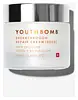
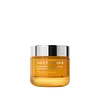
Beauty Pie Youthbomb Breakthrough Repair Cream Versus Beauty Pie Youthbomb Biologic Collagen Peptide Cream
This barrier-repair moisturizer is formulated around Niacinamide and Bakuchiol to strengthen the skin barrier and soften the look of wrinkles.
This anti-aging moisturizer is formulated around Niacinamide and Palmitoyl Tripeptide-5 to soften the look of wrinkles.

What's inside
What's inside
 Key Ingredients
Benefits
Concerns
Ingredients Side-by-side
Water
Skin ConditioningCoco-Caprylate/Caprate
Emollient
Niacinamide
Smoothing











Caprylic/Capric Triglyceride
Masking
1,2-Hexanediol
Skin Conditioning
Butylene Glycol
Humectant
Glycerin
Humectant
Hamamelis Virginiana Water
Astringent



Arachidyl Alcohol
Emollient
Glyceryl Stearate
Emollient
PEG-100 Stearate
Surfactant
Bakuchiol
Antimicrobial

Dimethicone
Emollient
Behenyl Alcohol
Emollient
Potassium Azeloyl Diglycinate
Skin Conditioning
Carbomer
Emulsion StabilisingArachidyl Glucoside
EmulsifyingPentylene Glycol
Skin Conditioning
Avena Sativa Kernel Extract
Abrasive
Polyglutamic Acid
Skin Conditioning
Ethylhexylglycerin
Skin ConditioningHydrolyzed Rice Protein
Skin ConditioningSodium Hydroxide
BufferingHydrolyzed Pea
Skin ConditioningTeprenone
Skin ConditioningUndaria Pinnatifida Extract
Skin ConditioningTetrasodium Glutamate Diacetate
ChelatingSodium Benzoate
Masking
Phenethyl Alcohol
MaskingHarpagophytum Procumbens Root Extract
Skin ConditioningSodium Carrageenan
Emulsion StabilisingEquisetum Arvense Extract
AstringentGlycyrrhiza Glabra Root Extract
Bleaching
Salix Alba Bark Extract
Astringent
Maris Sal
Skin ConditioningBacillus Ferment
Skin Conditioning
Citric Acid
Buffering
Potassium Sorbate
Preservative
Alchemilla Vulgaris Extract
AstringentWater, Coco-Caprylate/Caprate, Niacinamide, Caprylic/Capric Triglyceride, 1,2-Hexanediol, Butylene Glycol, Glycerin, Hamamelis Virginiana Water, Arachidyl Alcohol, Glyceryl Stearate, PEG-100 Stearate, Bakuchiol, Dimethicone, Behenyl Alcohol, Potassium Azeloyl Diglycinate, Carbomer, Arachidyl Glucoside, Pentylene Glycol, Avena Sativa Kernel Extract, Polyglutamic Acid, Ethylhexylglycerin, Hydrolyzed Rice Protein, Sodium Hydroxide, Hydrolyzed Pea, Teprenone, Undaria Pinnatifida Extract, Tetrasodium Glutamate Diacetate, Sodium Benzoate, Phenethyl Alcohol, Harpagophytum Procumbens Root Extract, Sodium Carrageenan, Equisetum Arvense Extract, Glycyrrhiza Glabra Root Extract, Salix Alba Bark Extract, Maris Sal, Bacillus Ferment, Citric Acid, Potassium Sorbate, Alchemilla Vulgaris Extract
Water
Skin ConditioningGlycerin
Humectant
Butylene Glycol
Humectant
Ethylhexyl Palmitate
Emollient

Polyglycerin-3
Humectant
Pentylene Glycol
Skin Conditioning
Dicaprylyl Ether
Emollient
Sorbitol
Humectant
Niacinamide
Smoothing
Myristyl Myristate
Emollient
Limnanthes Alba Seed Oil
Skin Conditioning
Butyrospermum Parkii Butter
Skin Conditioning
PEG-100 Stearate
Surfactant
Glyceryl Stearate
Emollient
Cetyl Alcohol
Emollient
Simmondsia Chinensis Butter
Skin Conditioning
Dimethicone
Emollient
Behenyl Alcohol
Emollient
Sucrose
Humectant
Phenoxyethanol
Preservative
PPG-9 Diglyceryl Ether
Skin ConditioningPhytosteryl/Octyldodecyl Lauroyl Glutamate
Skin ConditioningVinyl Dimethicone/Methicone Silsesquioxane Crosspolymer
Carbomer
Emulsion StabilisingSodium Polyacrylate
Absorbent
Acrylates Crosspolymer
AbsorbentBoron Nitride
Absorbent
Tromethamine
BufferingCaprylyl Glycol
Emollient
Soy Isoflavones
Skin ConditioningPueraria Lobata Root Extract
HumectantSaccharide Isomerate
Humectant
Tocopherol
Antioxidant
Ethylhexylglycerin
Skin ConditioningLactobacillus/Hibiscus Sabdariffa Flower Ferment Filtrate
Skin ConditioningPolygonum Cuspidatum Root Extract
Antioxidant
Pueraria Mirifica Root Extract
Skin ConditioningPrunus Mume Fruit Extract
Humectant
Cimicifuga Racemosa Root Extract
Antimicrobial
Disodium EDTA
ChelatingXanthan Gum
EmulsifyingSodium Hyaluronate
Humectant
Angelica Polymorpha Sinensis Root Extract
Skin ConditioningPunica Granatum Fruit Extract
Antioxidant
Trifolium Pratense Flower Extract
AstringentSynurus Palmatopinnatifidus Leaf/Stem Extract
HumectantAcetyl Hexapeptide-1
Skin Conditioning
Potentilla Miyabei Callus Extract
Skin ConditioningTetradecyl Aminobutyroylvalylaminobutyric Urea Trifluoroacetate
Skin ConditioningPalmitoyl Tripeptide-5
Skin Conditioning
Palmitoyl Dipeptide-5 Diaminobutyroyl Hydroxythreonine
Skin Conditioning
Magnesium Chloride
Citric Acid
Buffering
Sodium Citrate
BufferingWater, Glycerin, Butylene Glycol, Ethylhexyl Palmitate, Polyglycerin-3, Pentylene Glycol, Dicaprylyl Ether, Sorbitol, Niacinamide, Myristyl Myristate, Limnanthes Alba Seed Oil, Butyrospermum Parkii Butter, PEG-100 Stearate, Glyceryl Stearate, Cetyl Alcohol, Simmondsia Chinensis Butter, Dimethicone, Behenyl Alcohol, Sucrose, Phenoxyethanol, PPG-9 Diglyceryl Ether, Phytosteryl/Octyldodecyl Lauroyl Glutamate, Vinyl Dimethicone/Methicone Silsesquioxane Crosspolymer, Carbomer, Sodium Polyacrylate, Acrylates Crosspolymer, Boron Nitride, Tromethamine, Caprylyl Glycol, Soy Isoflavones, Pueraria Lobata Root Extract, Saccharide Isomerate, Tocopherol, Ethylhexylglycerin, Lactobacillus/Hibiscus Sabdariffa Flower Ferment Filtrate, Polygonum Cuspidatum Root Extract, Pueraria Mirifica Root Extract, Prunus Mume Fruit Extract, Cimicifuga Racemosa Root Extract, Disodium EDTA, Xanthan Gum, Sodium Hyaluronate, Angelica Polymorpha Sinensis Root Extract, Punica Granatum Fruit Extract, Trifolium Pratense Flower Extract, Synurus Palmatopinnatifidus Leaf/Stem Extract, Acetyl Hexapeptide-1, Potentilla Miyabei Callus Extract, Tetradecyl Aminobutyroylvalylaminobutyric Urea Trifluoroacetate, Palmitoyl Tripeptide-5, Palmitoyl Dipeptide-5 Diaminobutyroyl Hydroxythreonine, Magnesium Chloride, Citric Acid, Sodium Citrate
Ingredients Explained
These ingredients are found in both products.
Ingredients higher up in an ingredient list are typically present in a larger amount.
Behenyl Alcohol is a type of fatty alcohol (these are different from the drying, solvent alcohols).
Fatty Alcohols have hydrating properties and are most often used as an emollient or to thicken a product. They are usually derived from natural fats and oils; behenyl alcohol is derived from the fats of vegetable oils.
Emollients help keep your skin soft and hydrated by creating a film that traps moisture in.
In 2000, Behenyl Alcohol was approved by the US as medicine to reduce the duration of cold sores.
Learn more about Behenyl AlcoholButylene Glycol (or BG) is used within cosmetic products for a few different reasons:
Overall, Butylene Glycol is a safe and well-rounded ingredient that works well with other ingredients.
Though this ingredient works well with most skin types, some people with sensitive skin may experience a reaction such as allergic rashes, closed comedones, or itchiness.
Learn more about Butylene GlycolCarbomer is a synthetic thickening and gelling agent. It's basically the ingredient that gives a lot of serums, gels, creams, and sunscreens their smooth, non-sticky texture.
Although legally permitted at very high levels, carbomers are normally used at concentrations below 1%.
It also needs to be neutralized to actually thicken, and because it is a large molecule, it doesn't really penetrate the skin barrier.
Allergy-wise, the risk is very low. Clinical studies show carbomers have low potential for skin irritation/sensitization even at concentrations up to 100%.
A 2024 UK study patch-tested 1,302 patients and found true allergy to the parent group of carbomer to be rare with no confirmed relevant reactions.
Learn more about CarbomerCitric Acid is an alpha hydroxy acid (AHA) naturally found in citrus fruits like oranges, lemons, and limes.
Like other AHAs, citric acid can exfoliate skin by breaking down the bonds that hold dead skin cells together. This helps reveal smoother and brighter skin underneath.
However, this exfoliating effect only happens at high concentrations (20%) which can be hard to find in cosmetic products.
Due to this, citric acid is usually included in small amounts as a pH adjuster. This helps keep products slightly more acidic and compatible with skin's natural pH.
In skincare formulas, citric acid can:
While it can provide some skin benefits, research shows lactic acid and glycolic acid are generally more effective and less irritating exfoliants.
Most citric acid used in skincare today is made by fermenting sugars (usually from molasses). This synthetic version is identical to the natural citrus form but easier to stabilize and use in formulations.
Rosacea skin has a lower threshold for acids generally, with 62.5% of rosacea subjects in one study reacting to lactic acid in a sting test. This is why we mark citric acid as a potential rosacea trigger.
However, this ingredient shows up as a pH adjuster or chelator at roughly 0.1-1% in many products. These low levels are unlikely to be an issue for rosacea skin and becomes a potential trigger at exfoliating concentrations (20%). Because everybody's skin is unique, we recommend a patch test if you are unsure.
Learn more about Citric AcidDimethicone is a type of synthetic silicone created from natural materials such as quartz. It is also known as polydimethylsiloxane.
What it does:
Dimethicone comes in different viscosities:
Depending on the viscosity, dimethicone has different properties.
Ingredients lists don't always show which type is used, so we recommend reaching out to the brand if you have questions about the viscosity.
This ingredient is unlikely to cause irritation because it does not get absorbed into skin. However, people with silicone allergies should be careful about using this ingredient.
Note: Dimethicone may contribute to pilling. This is because it is not oil or water soluble, so pilling may occur when layered with products. When mixed with heavy oils in a formula, the outcome is also quite greasy.
Learn more about DimethiconeEthylhexylglycerin is created from glycerin. It is a multitasker ingredient that:
The CIR Expert Panel found minimal skin absorption or sensitization of any kind in a safety assessment. Though this ingredient is considered well-tolerated, a small number of cases of allergic dermatitis have been published since 2002. Just be sure to patch test if you are unsure.
Industry-reported use ranges from 8% in rinse-off products and 2% in leave-on formulations.
Learn more about EthylhexylglycerinGlycerin (or glycerol) is a compound naturally found in your skin. It's a powerhouse humectant that pulls water into the stratum corneum.
Topically, glycerin does several things at once:
Your skin makes glycerin on its own (mostly from sebaceous oil breakdown) and shuttles it to your outermost layer of skin, or your epidermis, via aquaporin-3.
Aquaporin-3 is a transporter that is essential for normal skin hydration, elasticity, and repair. Interestingly, mice lacking in AQP3 have dry and less elastic skin that can be fully corrected with glycerin.
This ingredient is non-irritating, plays well with almost every ingredient, and works across all skin types. Typical use is anywhere between 3-10% but can go up to 79% in some leave-on products.
Just know very high concentrations (>40%) can feel tacky in low humidity.
Glycerin is the name for this ingredient in American English. British English uses Glycerol/Glycerine.
Learn more about GlycerinGlyceryl Stearate is made by reacting glycerin with stearic acid (typically sourced from plant oils like palm or coconut). It's an emulsifier, emollient, and mild occlusive.
Emulsifiers help ingredients like oil and water stay mixed so your formula stays nicely blended and uniform in texture.
This ingredient is typically used in concentrations between 1-10%. Studies have found it to be non-sensitizing, non-phototoxic, and non-photoallergenic.
A close cousin of this ingredient is Glyceryl Stearate SE ("self-emulsifying"). This just has a small amount of sodium or potassium stearate added so it can emulsify without a co-emulsifier.
Since this ingredient is an ester of a C18 fatty acid, it may not be fungal acne safe. The Malassezia yeast can potentially metabolize within the C11-C24 range.
Fun fact: The human body also creates Glyceryl Stearate naturally.
Learn more about Glyceryl StearateNiacinamide is a multitasking form of vitamin B3 that strengthens the skin barrier, reduces pores and dark spots, regulates oil, and improves signs of aging.
And the best part? It's gentle and well-tolerated by most skin types, including sensitive and reactive skin.
You might have heard of "niacin flush", or the reddening of skin that causes itchiness. Niacinamide has not been found to cause this.
In very rare cases, some individuals may not be able to tolerate niacinamide at all or experience an allergic reaction to it.
If you are experiencing flaking, irritation, and dryness with this ingredient, be sure to double check all your products as this ingredient can be found in all categories of skincare.
When incorporating niacinamide into your routine, look out for concentration amounts. Typically, 5% niacinamide provides benefits such as fading dark spots. However, if you have sensitive skin, it is better to begin with a smaller concentration.
When you apply niacinamide to your skin, your body converts it into nicotinamide adenine dinucleotide (NAD). NAD is an essential coenzyme that is already found in your cells as "fuel" and powers countless biological processes.
In your skin, NAD helps repair cell damage, produce new healthy cells, support collagen production, strengthen the skin barrier, and fight environmental stressors (like UV and pollution).
Our natural NAD levels start to decline with age, leading to slower skin repair, visible aging, and a weaker skin barrier. By providing your skin niacinamide, you're recharging your skin's NAD levels. This leads to stronger, healthier, and younger looking skin.
Another name for vitamin B3 is nicotinamide. This vitamin is water-soluble and our bodies don't store it. We obtain Vitamin B3 from either food or skincare. Meat, fish, wheat, yeast, and leafy greens contain vitamin B3.
The type of niacinamide used in skincare is synthetically created.
Learn more about NiacinamidePeg-100 Stearate is an emollient and emulsifier. As an emollient, it helps keep skin soft by trapping moisture in. On the other hand, emulsifiers help prevent oil and water from separating in a product.
PEGS are a hydrophilic polyether compound . There are 100 ethylene oxide monomers in Peg-100 Stearate. Peg-100 Stearate is polyethylene glycol ester of stearic acid.
Pentylene Glycol (1,2-pentanediol) is a multitasking little diol with three main roles in a formula:
Research on alkanediols (the family pentylene glycol belongs to) show they work by disrupting microbial cell membranes. This disruption helps the primary preservative system in a product work more effectively at lower doses.
On the safety side, the Cosmetic Ingredient Review Expert Panel has concluded this ingredient to be safe as used in current cosmetic practices + concentrations.
Typical use levels in a formula run about 1-5%.
Learn more about Pentylene GlycolWater. It's the most common cosmetic ingredient of all. You'll usually see it at the top of ingredient lists, meaning that it makes up the largest part of the product.
So why is it so popular? Water most often acts as a solvent - this means that it helps dissolve other ingredients into the formulation.
You'll also recognize water as that liquid we all need to stay alive. If you see this, drink a glass of water. Remember to stay hydrated!
Learn more about Water

