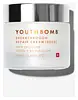
This barrier-repair moisturizer is formulated around Niacinamide and Bakuchiol to strengthen the skin barrier and soften the look of wrinkles.
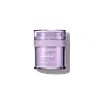
This brightening moisturizer is formulated around Tetrahexyldecyl Ascorbate and 4-Butylresorcinol to fade the look of dark spots and brighten dull-looking skin.

What's inside
What's inside
 Key Ingredients
Benefits
Concerns
Ingredients Side-by-side
Water
Skin ConditioningCoco-Caprylate/Caprate
Emollient
Niacinamide
Smoothing











Caprylic/Capric Triglyceride
Masking
1,2-Hexanediol
Skin Conditioning
Butylene Glycol
Humectant
Glycerin
Humectant
Hamamelis Virginiana Water
Astringent



Arachidyl Alcohol
Emollient
Glyceryl Stearate
Emollient
PEG-100 Stearate
Surfactant
Bakuchiol
Antimicrobial

Dimethicone
Emollient
Behenyl Alcohol
Emollient
Potassium Azeloyl Diglycinate
Skin Conditioning
Carbomer
Emulsion StabilisingArachidyl Glucoside
EmulsifyingPentylene Glycol
Skin Conditioning
Avena Sativa Kernel Extract
Abrasive
Polyglutamic Acid
Skin Conditioning
Ethylhexylglycerin
Skin ConditioningHydrolyzed Rice Protein
Skin ConditioningSodium Hydroxide
BufferingHydrolyzed Pea
Skin ConditioningTeprenone
Skin ConditioningUndaria Pinnatifida Extract
Skin ConditioningTetrasodium Glutamate Diacetate
ChelatingSodium Benzoate
Masking
Phenethyl Alcohol
MaskingHarpagophytum Procumbens Root Extract
Skin ConditioningSodium Carrageenan
Emulsion StabilisingEquisetum Arvense Extract
AstringentGlycyrrhiza Glabra Root Extract
Bleaching
Salix Alba Bark Extract
Astringent
Maris Sal
Skin ConditioningBacillus Ferment
Skin Conditioning
Citric Acid
Buffering
Potassium Sorbate
Preservative
Alchemilla Vulgaris Extract
AstringentWater, Coco-Caprylate/Caprate, Niacinamide, Caprylic/Capric Triglyceride, 1,2-Hexanediol, Butylene Glycol, Glycerin, Hamamelis Virginiana Water, Arachidyl Alcohol, Glyceryl Stearate, PEG-100 Stearate, Bakuchiol, Dimethicone, Behenyl Alcohol, Potassium Azeloyl Diglycinate, Carbomer, Arachidyl Glucoside, Pentylene Glycol, Avena Sativa Kernel Extract, Polyglutamic Acid, Ethylhexylglycerin, Hydrolyzed Rice Protein, Sodium Hydroxide, Hydrolyzed Pea, Teprenone, Undaria Pinnatifida Extract, Tetrasodium Glutamate Diacetate, Sodium Benzoate, Phenethyl Alcohol, Harpagophytum Procumbens Root Extract, Sodium Carrageenan, Equisetum Arvense Extract, Glycyrrhiza Glabra Root Extract, Salix Alba Bark Extract, Maris Sal, Bacillus Ferment, Citric Acid, Potassium Sorbate, Alchemilla Vulgaris Extract
Water
Skin ConditioningGlycerin
Humectant
Tetrahexyldecyl Ascorbate
Antioxidant
Squalane
Emollient
Caprylic/Capric Triglyceride
Masking
Bis-PEG-18 Methyl Ether Dimethyl Silane
EmollientHydroxyethyl Acrylate/Sodium Acryloyldimethyl Taurate Copolymer
Emulsion StabilisingTriheptanoin
Skin ConditioningPentylene Glycol
Skin Conditioning
Phenyl Trimethicone
Skin Conditioning
Oxidized Glutathione
Emollient4-Butylresorcinol
Antioxidant
Hexapeptide-2
Bleaching
Hydrolyzed Brassica Napus Seedcake Extract
Skin ConditioningCeramide NP
Skin Conditioning
Ceramide AP
Skin Conditioning
Ceramide EOP
Skin Conditioning
Tocopherol
Antioxidant
Butylene Glycol
Humectant
Cetearyl Olivate
Coco-Caprylate/Caprate
Emollient
Sorbitan Olivate
Emulsifying
Ethylhexylglycerin
Skin ConditioningPolysorbate 60
Emulsifying
Xanthan Gum
EmulsifyingDilinoleic Acid/Butanediol Copolymer
Acrylates/C10-30 Alkyl Acrylate Crosspolymer
Emulsion StabilisingCholesterol
Emollient
Phytosphingosine
Skin Conditioning
Dipotassium Glycyrrhizate
Humectant
Sodium Lauroyl Lactylate
EmulsifyingCarbomer
Emulsion StabilisingSodium Hydroxide
BufferingTetrasodium Glutamate Diacetate
ChelatingSorbitan Isostearate
Emulsifying
Castor Oil/Ipdi Copolymer

Sodium Benzoate
Masking
Potassium Sorbate
Preservative
Phenoxyethanol
Preservative
Water, Glycerin, Tetrahexyldecyl Ascorbate, Squalane, Caprylic/Capric Triglyceride, Bis-PEG-18 Methyl Ether Dimethyl Silane, Hydroxyethyl Acrylate/Sodium Acryloyldimethyl Taurate Copolymer, Triheptanoin, Pentylene Glycol, Phenyl Trimethicone, Oxidized Glutathione, 4-Butylresorcinol, Hexapeptide-2, Hydrolyzed Brassica Napus Seedcake Extract, Ceramide NP, Ceramide AP, Ceramide EOP, Tocopherol, Butylene Glycol, Cetearyl Olivate, Coco-Caprylate/Caprate, Sorbitan Olivate, Ethylhexylglycerin, Polysorbate 60, Xanthan Gum, Dilinoleic Acid/Butanediol Copolymer, Acrylates/C10-30 Alkyl Acrylate Crosspolymer, Cholesterol, Phytosphingosine, Dipotassium Glycyrrhizate, Sodium Lauroyl Lactylate, Carbomer, Sodium Hydroxide, Tetrasodium Glutamate Diacetate, Sorbitan Isostearate, Castor Oil/Ipdi Copolymer, Sodium Benzoate, Potassium Sorbate, Phenoxyethanol
Reviews
Ingredients Explained
These ingredients are found in both products.
Ingredients higher up in an ingredient list are typically present in a larger amount.
Butylene Glycol (or BG) is used within cosmetic products for a few different reasons:
Overall, Butylene Glycol is a safe and well-rounded ingredient that works well with other ingredients.
Though this ingredient works well with most skin types, some people with sensitive skin may experience a reaction such as allergic rashes, closed comedones, or itchiness.
Learn more about Butylene GlycolCaprylic/Capric Triglyceride (aka MCT Oil) is a lightweight emollient, solvent, and texture enhancer. It is considered a skin-softener by helping to prevent moisture loss.
Though it behaves like an oil, it is not technically one due to its chemical composition. One perk of this ingredient is that it is very stable, resistant to oxidation, and unlikely to go rancid.
In practice, that translates to a long shelf life and a consistently elegant skin feel.
While there is an assumption Caprylic Triglyceride can clog pores due to it being derived from coconut oil, there is no research supporting this. Just patch test if you have concerns.
Fractionated coconut oil and MCT Oil are both listed as Caprylic/Capric Triglyceride according to INCI. This is because INCI names are based on the ingredient’s final chemical composition and not its marketing name or source.
This ingredient is treated as the gold standard fungal acne safe oil. Even though it is coconut derived, the problematic lauric acid is stripped out.
This leaves just caprylic (C8) and capric (C10) acid. These chain lengths actually trend antifungal; a 2020 study found caprylic acid was enough to disrupt Malassezia furfur cell membrane, with a caprylic acid derivative damaging membrane structures at concentrations as low as 0.2%.
Learn more about Caprylic/Capric TriglycerideCarbomer is a synthetic thickening and gelling agent. It's basically the ingredient that gives a lot of serums, gels, creams, and sunscreens their smooth, non-sticky texture.
Although legally permitted at very high levels, carbomers are normally used at concentrations below 1%.
It also needs to be neutralized to actually thicken, and because it is a large molecule, it doesn't really penetrate the skin barrier.
Allergy-wise, the risk is very low. Clinical studies show carbomers have low potential for skin irritation/sensitization even at concentrations up to 100%.
A 2024 UK study patch-tested 1,302 patients and found true allergy to the parent group of carbomer to be rare with no confirmed relevant reactions.
Learn more about CarbomerCoco-Caprylate/Caprate is a lightweight ester created from coconut oil fatty acids, caprylic acid, and capric acid.
It is an emollient that helps soften skin and reduce transepidermal water loss (TEWL). What sets it apart from heavier emollients is its ultralight, non-greasy feel.
Once applied, this ingredient dries down quickly and leaves a dry, silky finish behind. This also helps improve spreadability and texture.
This ingredient has an excellent safety-record and is non-irritating.
Typical concentrations for cosmetics range from 0.5-62%.
Research on Malassezia growth found no growth on fatty acid esters with chain lengths shorter than 12 carbons (it prefers C11-24).
Since Coco-Caprylate/Caprate is built on C8 and C10 fatty acids, it is out of the range that Malassezia metabolizes, and therefore safe for fungal acne.
Learn more about Coco-Caprylate/CaprateEthylhexylglycerin is created from glycerin. It is a multitasker ingredient that:
The CIR Expert Panel found minimal skin absorption or sensitization of any kind in a safety assessment. Though this ingredient is considered well-tolerated, a small number of cases of allergic dermatitis have been published since 2002. Just be sure to patch test if you are unsure.
Industry-reported use ranges from 8% in rinse-off products and 2% in leave-on formulations.
Learn more about EthylhexylglycerinGlycerin (or glycerol) is a compound naturally found in your skin. It's a powerhouse humectant that pulls water into the stratum corneum.
Topically, glycerin does several things at once:
Your skin makes glycerin on its own (mostly from sebaceous oil breakdown) and shuttles it to your outermost layer of skin, or your epidermis, via aquaporin-3.
Aquaporin-3 is a transporter that is essential for normal skin hydration, elasticity, and repair. Interestingly, mice lacking in AQP3 have dry and less elastic skin that can be fully corrected with glycerin.
This ingredient is non-irritating, plays well with almost every ingredient, and works across all skin types. Typical use is anywhere between 3-10% but can go up to 79% in some leave-on products.
Just know very high concentrations (>40%) can feel tacky in low humidity.
Glycerin is the name for this ingredient in American English. British English uses Glycerol/Glycerine.
Learn more about GlycerinPentylene Glycol (1,2-pentanediol) is a multitasking little diol with three main roles in a formula:
Research on alkanediols (the family pentylene glycol belongs to) show they work by disrupting microbial cell membranes. This disruption helps the primary preservative system in a product work more effectively at lower doses.
On the safety side, the Cosmetic Ingredient Review Expert Panel has concluded this ingredient to be safe as used in current cosmetic practices + concentrations.
Typical use levels in a formula run about 1-5%.
Learn more about Pentylene GlycolPotassium Sorbate is a preservative used to prevent yeast and mold in products. It is commonly found in both cosmetic and food products.
This ingredient comes from potassium salt derived from sorbic acid. Sorbic acid is a natural antibiotic and effective against fungus.
Both potassium sorbate and sorbic acid can be found in baked goods, cheeses, dried meats, dried fruit, ice cream, pickles, wine, yogurt, and more.
You'll often find this ingredient used with other preservatives.
Learn more about Potassium SorbateSodium Benzoate is a preservative. It's used in both cosmetic and food products to inhibit the growth of mold and bacteria. It is typically produced synthetically.
Both the US FDA and EU Health Committee have approved the use of sodium benzoate. In the US, levels of 0.1% (of the total product) are allowed.
Sodium benzoate works as a preservative by inhibiting the growth of bacteria inside of cells. It prevents the cell from fermenting a type of sugar using an enzyme called phosphofructokinase.
It is the salt of benzoic acid. Foods containing sodium benzoate include soda, salad dressings, condiments, fruit juices, wines, and snack foods.
Studies for using ascorbic acid and sodium benzoate in cosmetics are lacking, especially in skincare routines with multiple steps.
We always recommend speaking with a professional, such as a dermatologist, if you have any concerns.
Learn more about Sodium BenzoateSodium Hydroxide is also known as lye or caustic soda. It is used to adjust the pH of products; many ingredients require a specific pH to be effective.
In small amounts, sodium hydroxide is considered safe to use. However, large amounts may cause chemical burns due to its high alkaline.
Your skin has a natural pH and acid mantle. This acid mantle helps prevent harmful bacteria from breaking through. The acid mantle also helps keep your skin hydrated.
"Alkaline" refers to a high pH level. A low pH level would be considered acidic.
Learn more about Sodium HydroxideTetrasodium Glutamate Diacetate is a chelating agent. Chelating agents help prevent metal ions from binding to other ingredients. This helps prevent unwanted effects and reactions from a product. These metal ions may come from water and are found in miniscule amounts.
Tetrasodium Glutamate Diacetate can also help other preservatives be more effective.
Water. It's the most common cosmetic ingredient of all. You'll usually see it at the top of ingredient lists, meaning that it makes up the largest part of the product.
So why is it so popular? Water most often acts as a solvent - this means that it helps dissolve other ingredients into the formulation.
You'll also recognize water as that liquid we all need to stay alive. If you see this, drink a glass of water. Remember to stay hydrated!
Learn more about Water

