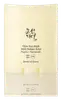
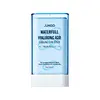
Beauty of Joseon Glow Sun Stick SPF 50+ Versus JUMISO Waterfull Hyaluronic Acid Cooling Sun Stick SPF 50+
This chemical sunscreen covers most of the UV range, lighter on the deep UVA that drives aging.
This chemical sunscreen covers the full UV range and blocks ~98% of UVB at SPF 50.

What's inside
What's inside
 Key Ingredients
Benefits
Concerns
Ingredients Side-by-side
Octyldodecanol
Emollient
Butylene Glycol Dicaprylate/Dicaprate
EmollientHomosalate
Skin Conditioning

Octocrylene
UV Absorber

Dibutyl Lauroyl Glutamide
Skin ConditioningDiisostearyl Malate
EmollientEthylhexyl Salicylate
UV Absorber
Dibutyl Ethylhexanoyl Glutamide
Skin ConditioningButyloctyl Salicylate
Skin Conditioning
C12-15 Alkyl Benzoate
AntimicrobialButyl Methoxydibenzoylmethane
UV Absorber
Dextrin Myristate
EmulsifyingNiacinamide
Smoothing











Water
Skin ConditioningPropolis Extract
Skin Conditioning
Butylene Glycol
Humectant
1,2-Hexanediol
Skin Conditioning
Ethylhexylglycerin
Skin ConditioningOctyldodecanol, Butylene Glycol Dicaprylate/Dicaprate, Homosalate, Octocrylene, Dibutyl Lauroyl Glutamide, Diisostearyl Malate, Ethylhexyl Salicylate, Dibutyl Ethylhexanoyl Glutamide, Butyloctyl Salicylate, C12-15 Alkyl Benzoate, Butyl Methoxydibenzoylmethane, Dextrin Myristate, Niacinamide, Water, Propolis Extract, Butylene Glycol, 1,2-Hexanediol, Ethylhexylglycerin
Water
Skin ConditioningSynthetic Wax
Abrasive

Dibutyl Adipate
EmollientCoco-Caprylate/Caprate
Emollient
Vinyl Dimethicone/Methicone Silsesquioxane Crosspolymer

Butyloctyl Salicylate
Skin Conditioning
Diethylamino Hydroxybenzoyl Hexyl Benzoate
UV Filter
Butylene Glycol
Humectant
Butylene Glycol Dicaprylate/Dicaprate
EmollientEthylhexyl Triazone
UV Absorber
Ozokerite
Emulsion StabilisingDiisobutyl Adipate
EmollientC9-12 Alkane
SolventNiacinamide
Smoothing
Polysilicone-15
UV Filter
Bis-Ethylhexyloxyphenol Methoxyphenyl Triazine
UV Absorber
Vinyldimethicone
Polyglyceryl-4 Diisostearate/Polyhydroxystearate/Sebacate
Emulsifying

Polyglyceryl-5 Polyricinoleate
Emulsifying
Sodium Chloride
MaskingLauryl Polyglyceryl-3 Polydimethylsiloxyethyl Dimethicone
Skin Conditioning
Glyceryl Caprylate
EmollientCaprylyl Glycol
Emollient
Parfum
Masking

Tetrahydroxypropyl Ethylenediamine
Tromethamine
BufferingTrihydroxystearin
Skin Conditioning
Ethylhexylglycerin
Skin ConditioningMalachite Extract
Antioxidant
Adenosine
Skin Conditioning
Glycine
Buffering
Arginine
Masking
Tocopherol
Antioxidant
1,2-Hexanediol
Skin Conditioning
Squalane
Emollient
Zinc PCA
Humectant
Panthenol
Skin Conditioning
Methyl Diisopropyl Propionamide
MaskingDextrin
AbsorbentGlyceryl Glucoside
Humectant
Candida Bombicola/Glucose/Methyl Rapeseedate Ferment
AntimicrobialOryza Sativa Bran Oil
Emollient
Dipropylene Glycol
HumectantGardenia Florida Fruit Extract
Skin ConditioningDimethylsilanol Hyaluronate
Humectant
Hydrolyzed Hyaluronic Acid
Humectant
Hydrolyzed Sodium Hyaluronate
Skin Conditioning
Sodium Hyaluronate
Humectant
Hyaluronic Acid
Humectant
Potassium Hyaluronate
Skin ConditioningGlycerin
Humectant
Sodium Hyaluronate Crosspolymer
Humectant
Hydroxypropyltrimonium Hyaluronate
Sodium Hyaluronate Dimethylsilanol
HumectantSodium Acetylated Hyaluronate
Humectant
Glucose
Humectant
Centella Asiatica Extract
Cleansing
Ethoxydiglycol
HumectantAsiaticoside
Antioxidant
Madecassic Acid
Skin Conditioning
Asiatic Acid
Skin Conditioning
Diospyros Kaki Leaf Extract
Skin Protecting
Vitis Vinifera Fruit Extract
Skin ConditioningHelianthus Annuus Seed Oil
Emollient
Carthamus Tinctorius Flower Extract
Skin ConditioningPolygonum Cuspidatum Root Extract
Antioxidant
Coffea Arabica Seed Extract
Masking
Camellia Sinensis Leaf Extract
Antimicrobial
Castanea Crenata Shell Extract
Skin ConditioningZanthoxylum Piperitum Fruit Extract
Skin ConditioningWater, Synthetic Wax, Dibutyl Adipate, Coco-Caprylate/Caprate, Vinyl Dimethicone/Methicone Silsesquioxane Crosspolymer, Butyloctyl Salicylate, Diethylamino Hydroxybenzoyl Hexyl Benzoate, Butylene Glycol, Butylene Glycol Dicaprylate/Dicaprate, Ethylhexyl Triazone, Ozokerite, Diisobutyl Adipate, C9-12 Alkane, Niacinamide, Polysilicone-15, Bis-Ethylhexyloxyphenol Methoxyphenyl Triazine, Vinyldimethicone, Polyglyceryl-4 Diisostearate/Polyhydroxystearate/Sebacate, Polyglyceryl-5 Polyricinoleate, Sodium Chloride, Lauryl Polyglyceryl-3 Polydimethylsiloxyethyl Dimethicone, Glyceryl Caprylate, Caprylyl Glycol, Parfum, Tetrahydroxypropyl Ethylenediamine, Tromethamine, Trihydroxystearin, Ethylhexylglycerin, Malachite Extract, Adenosine, Glycine, Arginine, Tocopherol, 1,2-Hexanediol, Squalane, Zinc PCA, Panthenol, Methyl Diisopropyl Propionamide, Dextrin, Glyceryl Glucoside, Candida Bombicola/Glucose/Methyl Rapeseedate Ferment, Oryza Sativa Bran Oil, Dipropylene Glycol, Gardenia Florida Fruit Extract, Dimethylsilanol Hyaluronate, Hydrolyzed Hyaluronic Acid, Hydrolyzed Sodium Hyaluronate, Sodium Hyaluronate, Hyaluronic Acid, Potassium Hyaluronate, Glycerin, Sodium Hyaluronate Crosspolymer, Hydroxypropyltrimonium Hyaluronate, Sodium Hyaluronate Dimethylsilanol, Sodium Acetylated Hyaluronate, Glucose, Centella Asiatica Extract, Ethoxydiglycol, Asiaticoside, Madecassic Acid, Asiatic Acid, Diospyros Kaki Leaf Extract, Vitis Vinifera Fruit Extract, Helianthus Annuus Seed Oil, Carthamus Tinctorius Flower Extract, Polygonum Cuspidatum Root Extract, Coffea Arabica Seed Extract, Camellia Sinensis Leaf Extract, Castanea Crenata Shell Extract, Zanthoxylum Piperitum Fruit Extract
Reviews
Ingredients Explained
These ingredients are found in both products.
Ingredients higher up in an ingredient list are typically present in a larger amount.
1,2-Hexanediol is a synthetic liquid and another multi-functional powerhouse.
It is a:
- Humectant, drawing moisture into the skin
- Emollient, helping to soften skin
- Solvent, dispersing and stabilizing formulas
- Preservative booster, enhancing the antimicrobial activity of other preservatives
Butylene Glycol (or BG) is used within cosmetic products for a few different reasons:
Overall, Butylene Glycol is a safe and well-rounded ingredient that works well with other ingredients.
Though this ingredient works well with most skin types, some people with sensitive skin may experience a reaction such as allergic rashes, closed comedones, or itchiness.
Learn more about Butylene GlycolThis is a lightweight diester (caprylic/capric acid + butylene glycol) with emollient and skin conditioning properties.
According to a manufacturer, this ingredient can help add a "cushiony" oil phase without making it heavy.
Butyloctyl Salicylate is a chemical UV filter structurally similar to octisalate. It is a photostabilizer, SPF booster, emollient and solvent. This ingredient helps evenly spread out ingredients.
According to a manufacturer, it is suitable for pairing with micro Titanium Dioxide, Zinc Oxide, and pigments.
Photostabilizers help stabilize UV-filters and prevents them from degrading quickly.
Learn more about Butyloctyl SalicylateEthylhexylglycerin is created from glycerin. It is a multitasker ingredient that:
The CIR Expert Panel found minimal skin absorption or sensitization of any kind in a safety assessment. Though this ingredient is considered well-tolerated, a small number of cases of allergic dermatitis have been published since 2002. Just be sure to patch test if you are unsure.
Industry-reported use ranges from 8% in rinse-off products and 2% in leave-on formulations.
Learn more about EthylhexylglycerinNiacinamide is a multitasking form of vitamin B3 that strengthens the skin barrier, reduces pores and dark spots, regulates oil, and improves signs of aging.
And the best part? It's gentle and well-tolerated by most skin types, including sensitive and reactive skin.
You might have heard of "niacin flush", or the reddening of skin that causes itchiness. Niacinamide has not been found to cause this.
In very rare cases, some individuals may not be able to tolerate niacinamide at all or experience an allergic reaction to it.
If you are experiencing flaking, irritation, and dryness with this ingredient, be sure to double check all your products as this ingredient can be found in all categories of skincare.
When incorporating niacinamide into your routine, look out for concentration amounts. Typically, 5% niacinamide provides benefits such as fading dark spots. However, if you have sensitive skin, it is better to begin with a smaller concentration.
When you apply niacinamide to your skin, your body converts it into nicotinamide adenine dinucleotide (NAD). NAD is an essential coenzyme that is already found in your cells as "fuel" and powers countless biological processes.
In your skin, NAD helps repair cell damage, produce new healthy cells, support collagen production, strengthen the skin barrier, and fight environmental stressors (like UV and pollution).
Our natural NAD levels start to decline with age, leading to slower skin repair, visible aging, and a weaker skin barrier. By providing your skin niacinamide, you're recharging your skin's NAD levels. This leads to stronger, healthier, and younger looking skin.
Another name for vitamin B3 is nicotinamide. This vitamin is water-soluble and our bodies don't store it. We obtain Vitamin B3 from either food or skincare. Meat, fish, wheat, yeast, and leafy greens contain vitamin B3.
The type of niacinamide used in skincare is synthetically created.
Learn more about NiacinamideWater. It's the most common cosmetic ingredient of all. You'll usually see it at the top of ingredient lists, meaning that it makes up the largest part of the product.
So why is it so popular? Water most often acts as a solvent - this means that it helps dissolve other ingredients into the formulation.
You'll also recognize water as that liquid we all need to stay alive. If you see this, drink a glass of water. Remember to stay hydrated!
Learn more about Water

