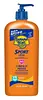
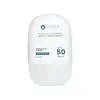
Banana Boat Ultra Sport Sunscreen Lotion, Broad Spectrum, SPF 50+ Versus Oasea Protective Tinted Mineral Matte Sunscreen SPF 50 PA++++
This chemical sunscreen covers most of the UV range, lighter on the deep UVA that drives aging.
This hybrid sunscreen covers the full UV range and blocks ~98% of UVB at SPF 50.


What's inside
What's inside
 Key Ingredients
Benefits
Concerns
Ingredients Side-by-side
Butyl Methoxydibenzoylmethane 2.7%
UV Absorber
Homosalate 9%
Skin Conditioning
Ethylhexyl Salicylate 4.5%
UV Absorber
Octocrylene 6.5%
UV Absorber

Water
Skin ConditioningGlyceryl Stearate
Emollient

PEG-100 Stearate
Surfactant
Cetyl Alcohol
Emollient

Cetyl Dimethicone
Emollient
Propylene Glycol
Humectant
Phenoxyethanol
Preservative
Caprylyl Glycol
Emollient
Vp/Eicosene Copolymer
Acrylates/C12-22 Alkyl Methacrylate Copolymer
Behenyl Alcohol
Emollient
Sodium Polyacrylate
Absorbent
Chlorphenesin
Antimicrobial
Xanthan Gum
EmulsifyingDisodium EDTA
ChelatingParfum
Masking

Tocopheryl Acetate
Antioxidant


Aloe Barbadensis Leaf Juice
Skin Conditioning

Butyl Methoxydibenzoylmethane 2.7%, Homosalate 9%, Ethylhexyl Salicylate 4.5%, Octocrylene 6.5%, Water, Glyceryl Stearate, PEG-100 Stearate, Cetyl Alcohol, Cetyl Dimethicone, Propylene Glycol, Phenoxyethanol, Caprylyl Glycol, Vp/Eicosene Copolymer, Acrylates/C12-22 Alkyl Methacrylate Copolymer, Behenyl Alcohol, Sodium Polyacrylate, Chlorphenesin, Xanthan Gum, Disodium EDTA, Parfum, Tocopheryl Acetate, Aloe Barbadensis Leaf Juice
Water
Skin ConditioningZinc Oxide
Cosmetic Colorant
Isononyl Isononanoate
EmollientCaprylyl Methicone
Skin Conditioning
Butyloctyl Salicylate
Skin Conditioning
Methyl Trimethicone
Skin Conditioning
Trimethylsiloxysilicate
Emollient
Isododecane
EmollientDipropylene Glycol
HumectantAcrylates Copolymer
CI 77891
Cosmetic ColorantSilica
Abrasive

Glycerin
Humectant

Polyglyceryl-3 Polydimethylsiloxyethyl Dimethicone
Skin Conditioning
Acrylates/Polytrimethylsiloxymethacrylate Copolymer
Skin ConditioningDisteardimonium Hectorite
StabilisingPolyglyceryl-2 Isostearate
Emulsifying
Vinyl Dimethicone/Methicone Silsesquioxane Crosspolymer
Polyhydroxystearic Acid
Emulsifying
Coco-Caprylate/Caprate
Emollient
Polyglyceryl-6 Polyricinoleate
Emulsifying
Magnesium Sulfate
Sorbitan Sesquioleate
Emulsifying
1,2-Hexanediol
Skin Conditioning
Triethoxycaprylylsilane
CI 77492
Cosmetic ColorantDimethicone
Emollient
Cyclopentasiloxane
Emollient
Aluminum Hydroxide
EmollientDimethicone/Vinyl Dimethicone Crosspolymer
Skin Conditioning
Stearic Acid
Cleansing
Sorbitan Isostearate
Emulsifying
Hydroxyacetophenone
Antioxidant
Polyglyceryl-6 Polyhydroxystearate
Emulsifying
Polyglyceryl-2 Dipolyhydroxystearate
Skin Conditioning
Butylene Glycol
Humectant
Pentylene Glycol
Skin Conditioning
Anthemis Nobilis Flower Extract
Masking
CI 77491
Cosmetic ColorantPEG-9 Polydimethylsiloxyethyl Dimethicone
Emulsifying
Trisodium Ethylenediamine Disuccinate
ChelatingPolyglycerin-6
HumectantOctyldodecanol
Emollient
Lactic Acid
Buffering



Polypropylsilsesquioxane
CI 77499
Cosmetic ColorantPolyglyceryl-4 Isostearate
Emulsifying
Rosmarinus Officinalis Leaf Extract
AntimicrobialPalmitoyl Tetrapeptide-7
Skin Conditioning
Isopropyl Titanium Triisostearate
Emollient
Squalane
Emollient
Lilium Candidum Flower Water
Skin ConditioningChrysin
Skin ConditioningTocopherol
Antioxidant
Chondrus Crispus Extract
Skin Conditioning
Niacinamide
Smoothing

Sodium Hyaluronate
Humectant
Saccharum Officinarum Extract
MoisturisingAscorbyl Palmitate
Antioxidant
Hydrolyzed Algae Extract
Skin ConditioningPhenoxyethanol
Preservative
Water, Zinc Oxide, Isononyl Isononanoate, Caprylyl Methicone, Butyloctyl Salicylate, Methyl Trimethicone, Trimethylsiloxysilicate, Isododecane, Dipropylene Glycol, Acrylates Copolymer, CI 77891, Silica, Glycerin, Polyglyceryl-3 Polydimethylsiloxyethyl Dimethicone, Acrylates/Polytrimethylsiloxymethacrylate Copolymer, Disteardimonium Hectorite, Polyglyceryl-2 Isostearate, Vinyl Dimethicone/Methicone Silsesquioxane Crosspolymer, Polyhydroxystearic Acid, Coco-Caprylate/Caprate, Polyglyceryl-6 Polyricinoleate, Magnesium Sulfate, Sorbitan Sesquioleate, 1,2-Hexanediol, Triethoxycaprylylsilane, CI 77492, Dimethicone, Cyclopentasiloxane, Aluminum Hydroxide, Dimethicone/Vinyl Dimethicone Crosspolymer, Stearic Acid, Sorbitan Isostearate, Hydroxyacetophenone, Polyglyceryl-6 Polyhydroxystearate, Polyglyceryl-2 Dipolyhydroxystearate, Butylene Glycol, Pentylene Glycol, Anthemis Nobilis Flower Extract, CI 77491, PEG-9 Polydimethylsiloxyethyl Dimethicone, Trisodium Ethylenediamine Disuccinate, Polyglycerin-6, Octyldodecanol, Lactic Acid, Polypropylsilsesquioxane, CI 77499, Polyglyceryl-4 Isostearate, Rosmarinus Officinalis Leaf Extract, Palmitoyl Tetrapeptide-7, Isopropyl Titanium Triisostearate, Squalane, Lilium Candidum Flower Water, Chrysin, Tocopherol, Chondrus Crispus Extract, Niacinamide, Sodium Hyaluronate, Saccharum Officinarum Extract, Ascorbyl Palmitate, Hydrolyzed Algae Extract, Phenoxyethanol
Reviews
Ingredients Explained
These ingredients are found in both products.
Ingredients higher up in an ingredient list are typically present in a larger amount.
Phenoxyethanol is one of the most widely used preservatives in skincare (and for good reason!).
It has a large spectrum of antimicrobial activity and especially effective bacteria, yeast, and mold while only having a weak effect on your skin's natural microbiome.
On a cellular level, it disrupts the cell membranes of microbes by poking holes that make the cell leak. This shuts down the chemical reactions the microbe needs to make energy so it can no longer survive.
Another perk of this ingredient is that it stays functional across a wide pH range (3-10).
You'll often see it paired with boosters like Ethylhexylglycerin; one study showed that a 1:9 ratio of Ethylhexylglycerin to Phenoxyethanol damages bacterial membranes as effectively as doubling the Phenoxyethanol concentration on its own.
Typical use concentrations range from 0.3-1% depending on the formula, and this ingredient is capped at 1% int the EU.
Safety-wise, the fear mongering does not hold up to the evidence. The EU's Scientific Committee on Consumer Safety and FDA consider it safe as a preservative at up to 1%, including for children of all ages.
Adverse systemic effects only showed up in animal studies at exposures roughly 200x higher than what people get from cosmetics. And despite its very widespread use, this ingredient is a rare sensitizer and allergic reactions are uncommon.
Learn more about PhenoxyethanolWater. It's the most common cosmetic ingredient of all. You'll usually see it at the top of ingredient lists, meaning that it makes up the largest part of the product.
So why is it so popular? Water most often acts as a solvent - this means that it helps dissolve other ingredients into the formulation.
You'll also recognize water as that liquid we all need to stay alive. If you see this, drink a glass of water. Remember to stay hydrated!
Learn more about Water

