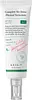
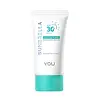
AXIS - Y Complete No-Stress Physical Sunscreen V.3 SPF 50+ Versus Y.O.U Sunbrella Daily Defense Sunscreen Serum SPF 30
This hybrid sunscreen covers the full UV range and blocks ~98% of UVB at SPF 50.
This hybrid sunscreen covers the full UV range and blocks ~97% of UVB at SPF 30.


What's inside
What's inside
 Key Ingredients
Benefits
Concerns
Ingredients Side-by-side
Water
Skin ConditioningZinc Oxide
Cosmetic Colorant


Cyclohexasiloxane
Emollient
Dipropylene Glycol
HumectantButyloctyl Salicylate
Skin Conditioning
Propanediol
Solvent

Isododecane
EmollientPolyglyceryl-3 Polydimethylsiloxyethyl Dimethicone
Skin Conditioning
Propylheptyl Caprylate
EmollientNiacinamide
Smoothing









Diphenylsiloxy Phenyl Trimethicone
Skin Conditioning
Caprylyl Methicone
Skin Conditioning
C12-15 Alkyl Benzoate
AntimicrobialMethyl Trimethicone
Skin Conditioning
Methyl Methacrylate Crosspolymer
Calendula Officinalis Flower Extract
Masking
Camellia Sinensis Leaf Extract
Antimicrobial
Artemisia Capillaris Flower Extract
Skin ConditioningVitis Vinifera Seed Extract
Antimicrobial
Sodium Hyaluronate
Humectant
Adenosine
Skin Conditioning
Palmitoyl Tripeptide-5
Skin Conditioning
Squalane
Emollient
Chamomilla Recutita Flower Water
MaskingTocopherol
Antioxidant
Allantoin
Skin Conditioning
Glycerin
Humectant
Butylene Glycol
Humectant
Disteardimonium Hectorite
StabilisingMagnesium Sulfate
Triethoxycaprylylsilane
1,2-Hexanediol
Skin Conditioning
Polyglyceryl-2 Dipolyhydroxystearate
Skin Conditioning

Lauryl Polyglyceryl-3 Polydimethylsiloxyethyl Dimethicone
Skin Conditioning
Synthetic Fluorphlogopite
Glyceryl Caprylate
EmollientCaprylyl Glycol
Emollient
Ethylhexylglycerin
Skin ConditioningWater, Zinc Oxide, Cyclohexasiloxane, Dipropylene Glycol, Butyloctyl Salicylate, Propanediol, Isododecane, Polyglyceryl-3 Polydimethylsiloxyethyl Dimethicone, Propylheptyl Caprylate, Niacinamide, Diphenylsiloxy Phenyl Trimethicone, Caprylyl Methicone, C12-15 Alkyl Benzoate, Methyl Trimethicone, Methyl Methacrylate Crosspolymer, Calendula Officinalis Flower Extract, Camellia Sinensis Leaf Extract, Artemisia Capillaris Flower Extract, Vitis Vinifera Seed Extract, Sodium Hyaluronate, Adenosine, Palmitoyl Tripeptide-5, Squalane, Chamomilla Recutita Flower Water, Tocopherol, Allantoin, Glycerin, Butylene Glycol, Disteardimonium Hectorite, Magnesium Sulfate, Triethoxycaprylylsilane, 1,2-Hexanediol, Polyglyceryl-2 Dipolyhydroxystearate, Lauryl Polyglyceryl-3 Polydimethylsiloxyethyl Dimethicone, Synthetic Fluorphlogopite, Glyceryl Caprylate, Caprylyl Glycol, Ethylhexylglycerin
Water
Skin ConditioningEthylhexyl Methoxycinnamate
UV Absorber
Propylene Glycol
Humectant
Diethylamino Hydroxybenzoyl Hexyl Benzoate
UV Filter
Octocrylene
UV Absorber
Dimethicone
Emollient
Cetearyl Alcohol
Emollient


C14-22 Alcohols
Emulsion Stabilising
Cyclopentasiloxane
Emollient
Ethylhexyl Triazone
UV Absorber
Glyceryl Stearate
Emollient
Phenoxyethanol
Preservative
PEG-100 Stearate
Surfactant
Titanium Dioxide
Cosmetic Colorant
Ammonium Acryloyldimethyltaurate/Vp Copolymer
C12-20 Alkyl Glucoside
EmulsifyingDimethicone Crosspolymer
Emulsion Stabilising
Hydroxyacetophenone
Antioxidant
Cyclohexasiloxane
Emollient
Sodium Acrylate/Sodium Acryloyldimethyl Taurate Copolymer
Emulsion StabilisingXanthan Gum
EmulsifyingParfum
Masking
Isohexadecane
EmollientLauryl Polyglyceryl-3 Polydimethylsiloxyethyl Dimethicone
Skin Conditioning
Polysorbate 80
Emulsifying
Triethoxycaprylylsilane
Sorbitan Oleate
Emulsifying
Butyl Methoxydibenzoylmethane
UV Absorber
Ectoin
Skin Conditioning
Zinc Hydrolyzed Hyaluronate
HumectantGlucosylrutin
Antioxidant
Propanediol
Solvent
Zea Mays Starch
Absorbent
Hydrolyzed Corn Starch Octenylsuccinate
AbsorbentHydrolyzed Corn Starch
HumectantIsoquercitrin
Antioxidant
Butyrospermum Parkii Butter
Skin Conditioning
Cocamidopropyl Dimethylamine
Emulsifying
Buddleja Officinalis Flower Extract
UV FilterPhenylethyl Resorcinol
Antioxidant
1,2-Hexanediol
Skin Conditioning
Lactic Acid
Buffering
Palmitoyl Tripeptide-5
Skin Conditioning
Hydrated Silica
Abrasive
Caprylyl Glycol
Emollient
Butylene Glycol
Humectant
Glucose
Humectant
Sodium Hyaluronate
Humectant
Chondrus Crispus Extract
Skin Conditioning
Hydroxypropyltrimonium Hyaluronate
Sodium Acetylated Hyaluronate
Humectant
Hydrolyzed Hyaluronic Acid
Humectant
Hyaluronic Acid
Humectant
Sodium Hyaluronate Crosspolymer
Humectant
Hydrolyzed Sodium Hyaluronate
Skin Conditioning
Potassium Hyaluronate
Skin ConditioningWater, Ethylhexyl Methoxycinnamate, Propylene Glycol, Diethylamino Hydroxybenzoyl Hexyl Benzoate, Octocrylene, Dimethicone, Cetearyl Alcohol, C14-22 Alcohols, Cyclopentasiloxane, Ethylhexyl Triazone, Glyceryl Stearate, Phenoxyethanol, PEG-100 Stearate, Titanium Dioxide, Ammonium Acryloyldimethyltaurate/Vp Copolymer, C12-20 Alkyl Glucoside, Dimethicone Crosspolymer, Hydroxyacetophenone, Cyclohexasiloxane, Sodium Acrylate/Sodium Acryloyldimethyl Taurate Copolymer, Xanthan Gum, Parfum, Isohexadecane, Lauryl Polyglyceryl-3 Polydimethylsiloxyethyl Dimethicone, Polysorbate 80, Triethoxycaprylylsilane, Sorbitan Oleate, Butyl Methoxydibenzoylmethane, Ectoin, Zinc Hydrolyzed Hyaluronate, Glucosylrutin, Propanediol, Zea Mays Starch, Hydrolyzed Corn Starch Octenylsuccinate, Hydrolyzed Corn Starch, Isoquercitrin, Butyrospermum Parkii Butter, Cocamidopropyl Dimethylamine, Buddleja Officinalis Flower Extract, Phenylethyl Resorcinol, 1,2-Hexanediol, Lactic Acid, Palmitoyl Tripeptide-5, Hydrated Silica, Caprylyl Glycol, Butylene Glycol, Glucose, Sodium Hyaluronate, Chondrus Crispus Extract, Hydroxypropyltrimonium Hyaluronate, Sodium Acetylated Hyaluronate, Hydrolyzed Hyaluronic Acid, Hyaluronic Acid, Sodium Hyaluronate Crosspolymer, Hydrolyzed Sodium Hyaluronate, Potassium Hyaluronate
Reviews
Ingredients Explained
These ingredients are found in both products.
Ingredients higher up in an ingredient list are typically present in a larger amount.
1,2-Hexanediol is a synthetic liquid and another multi-functional powerhouse.
It is a:
- Humectant, drawing moisture into the skin
- Emollient, helping to soften skin
- Solvent, dispersing and stabilizing formulas
- Preservative booster, enhancing the antimicrobial activity of other preservatives
Butylene Glycol (or BG) is used within cosmetic products for a few different reasons:
Overall, Butylene Glycol is a safe and well-rounded ingredient that works well with other ingredients.
Though this ingredient works well with most skin types, some people with sensitive skin may experience a reaction such as allergic rashes, closed comedones, or itchiness.
Learn more about Butylene GlycolCaprylyl Glycol is a humectant, skin conditioner, emollient, and preservative booster derived from either caprylic acid or synthetically created.
Typical use levels vary from 0.3-1% as a preservative booster and go up to 2% to condition skin.
Because it is not a free-fatty acid, this ingredient is fungal acne safe (there's nothing for Malassezia to feed on).
Learn more about Caprylyl GlycolCyclohexasiloxane is a type of silicone more commonly known as D6. It is an emollient and solvent.
Cyclohexasiloxane is used to evenly distribute ingredients throughout the product. When applied to the skin, Cyclohexasiloxane evaporates and leaves behind a silky feel.
As an emollient, it can help the skin feel soft and hydrated. It is also used to reduce frizz in hair products.
Learn more about CyclohexasiloxaneLauryl Polyglyceryl-3 Polydimethylsiloxyethyl Dimethicone is a type of silicone.
Palmitoyl Tripeptide-5 is a synthetic signal lipopeptide. This just means it is a three amino acid chain bolted onto a palmitic acid tail so it can slip through the skin's lipid barrier.
This peptide has a "build more, lose less" approach.
It's designed to mimic the collagen-stimulating activity in your skin by copying a snippet of one of your skin's own matrix proteins. This nudges fibroblasts into making more collagen while inhibiting the enzyme that breaks down skin protein.
The manufacturer's in vivo study of 45 volunteers found 1% and 2.5% reduced the appearance of wrinkles by 7% and 12% respectively, after using it twice daily for 84 days.
This is in the expected range for peptides; they're slow and cumulative actives and not overnight fixers.
Typical use levels range from 1-3% and this ingredient gets along with pretty much everything.
On the fungal acne front:
Although palmitic acid sits in the chain length that Malassezia can feed on, this ingredient has it locked in an amine bond. This makes it hard for Malassezia to access as a source of food, and therefore fungal acne safe.
Propanediol is an all-star ingredient. It softens, hydrates, and smooths the skin.
It’s often used to:
Propanediol is not likely to cause sensitivity and considered safe to use. It is derived from corn or petroleum with a clear color and no scent.
Learn more about PropanediolSodium Hyaluronate is the salt form of hyaluronic acid. It is a long sugar chain that is naturally found in your skin, joints, and connective tissue that maintains hydration and elasticity.
In skincare, it works as a humectant. It pulls water from the environment and deeper layers of skin and binds it to the surface.
Interestingly, the size of the molecule affects its behavior:
Some clinical evidence links low molecular weight versions to improved wrinkle depth, elasticity, anti-inflammatory effects, and barrier repair.
Many serums use a blend of both weights so you can get surface hydration plus longer-lasting and deeper effects.
You'll typically see concentrations between 0.1-2% for this ingredient.
Learn more about Sodium HyaluronateTriethoxycaprylylsilane is a silicon-based surface modifier that makes sunscreens feel silky and makeup stay put.
Its main job is to coat mineral particles like titanium dioxide, zinc oxide, and color pigments in a thin, oily layer so they spread smoothly, don't clump, and stick to skin better.
This ingredient is typically used at low levels (up to 2.5% in eyeshadow and 1% in lipstick).
Learn more about TriethoxycaprylylsilaneWater. It's the most common cosmetic ingredient of all. You'll usually see it at the top of ingredient lists, meaning that it makes up the largest part of the product.
So why is it so popular? Water most often acts as a solvent - this means that it helps dissolve other ingredients into the formulation.
You'll also recognize water as that liquid we all need to stay alive. If you see this, drink a glass of water. Remember to stay hydrated!
Learn more about Water

