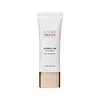
This hybrid sunscreen covers the full UV range and blocks ~98% of UVB at SPF 50.
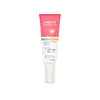
This mineral sunscreen covers the full UV range and blocks ~98% of UVB at SPF 50.


What's inside
What's inside
 Key Ingredients
Benefits
Concerns
Ingredients Side-by-side
C9-15 Alkyl Phosphate
CleansingC20-22 Alcohols
Emulsion Stabilising
Silica
Abrasive


Caprylyl Methicone
Skin Conditioning
Curcuma Longa Root Water
MaskingEthylhexyl Methoxycinnamate
UV Absorber


Ethylhexyl Salicylate
UV Absorber
Butylene Glycol
Humectant

C12-15 Alkyl Benzoate
AntimicrobialDiethylamino Hydroxybenzoyl Hexyl Benzoate
UV Filter
Homosalate
Skin Conditioning
Octocrylene
UV Absorber
Titanium Dioxide
Cosmetic Colorant
1,2-Hexanediol
Skin Conditioning
Niacinamide
Smoothing








Alcohol
Antimicrobial


Hylocereus Undatus Fruit Extract
Skin ConditioningSalvia Hispanica Seed Extract
Emollient
Portulaca Oleracea Extract
Skin Conditioning
Centella Asiatica Extract
Cleansing
Houttuynia Cordata Extract
Skin Conditioning
Pichia Ferment Lysate Filtrate
HumectantCamellia Sinensis Leaf Water
Masking
Diospyros Kaki Leaf Extract
Skin Protecting
Echium Plantagineum Seed Oil
Skin Conditioning

Cardiospermum Halicacabum Flower/Leaf/Vine Extract
Skin ConditioningHelianthus Annuus Seed Oil Unsaponifiables
Emollient
Glyceryl Stearate
Emollient
Behenyl Alcohol
Emollient
Aluminum Stearate
Cosmetic ColorantPolyhydroxystearic Acid
Emulsifying
Sodium Acrylate/Sodium Acryloyldimethyl Taurate Copolymer
Emulsion StabilisingTromethamine
BufferingIsohexadecane
EmollientPolysorbate 80
Emulsifying
Propanediol
Solvent
Saccharide Hydrolysate
HumectantPolyacrylate Crosspolymer-6
Emulsion StabilisingAlumina
Abrasive
Ethylhexylglycerin
Skin ConditioningGlyceryl Caprylate
EmollientOctyldodecanol
Emollient
Xanthan Gum
EmulsifyingAdenosine
Skin Conditioning
Glycerin
Humectant
Hydrogenated Lecithin
Emulsifying
Raffinose
Skin ConditioningPentylene Glycol
Skin Conditioning
Panthenol
Skin Conditioning
Cholesterol
Emollient
Hydrolyzed Lupine Protein
Skin ConditioningCeramide NP
Skin Conditioning
Lactic Acid/Glycolic Acid Copolymer
Skin ConditioningPolyvinyl Alcohol
Glycine
Buffering
Glutamic Acid
Humectant
Glutamine
Skin ConditioningLysine
Skin ConditioningLeucine
Skin ConditioningValine
MaskingSerine
Masking
Aspartic Acid
Masking
Alanine
Masking
Arginine
Masking
Isoleucine
Skin ConditioningTyrosine
MaskingTryptophan
MaskingPalmitic Acid
Emollient

Phenylalanine
Masking
Proline
Skin Conditioning
Histidine
Humectant
Parfum
Masking
CI 77492
Cosmetic ColorantCI 77491
Cosmetic ColorantC9-15 Alkyl Phosphate, C20-22 Alcohols, Silica, Caprylyl Methicone, Curcuma Longa Root Water, Ethylhexyl Methoxycinnamate, Ethylhexyl Salicylate, Butylene Glycol, C12-15 Alkyl Benzoate, Diethylamino Hydroxybenzoyl Hexyl Benzoate, Homosalate, Octocrylene, Titanium Dioxide, 1,2-Hexanediol, Niacinamide, Alcohol, Hylocereus Undatus Fruit Extract, Salvia Hispanica Seed Extract, Portulaca Oleracea Extract, Centella Asiatica Extract, Houttuynia Cordata Extract, Pichia Ferment Lysate Filtrate, Camellia Sinensis Leaf Water, Diospyros Kaki Leaf Extract, Echium Plantagineum Seed Oil, Cardiospermum Halicacabum Flower/Leaf/Vine Extract, Helianthus Annuus Seed Oil Unsaponifiables, Glyceryl Stearate, Behenyl Alcohol, Aluminum Stearate, Polyhydroxystearic Acid, Sodium Acrylate/Sodium Acryloyldimethyl Taurate Copolymer, Tromethamine, Isohexadecane, Polysorbate 80, Propanediol, Saccharide Hydrolysate, Polyacrylate Crosspolymer-6, Alumina, Ethylhexylglycerin, Glyceryl Caprylate, Octyldodecanol, Xanthan Gum, Adenosine, Glycerin, Hydrogenated Lecithin, Raffinose, Pentylene Glycol, Panthenol, Cholesterol, Hydrolyzed Lupine Protein, Ceramide NP, Lactic Acid/Glycolic Acid Copolymer, Polyvinyl Alcohol, Glycine, Glutamic Acid, Glutamine, Lysine, Leucine, Valine, Serine, Aspartic Acid, Alanine, Arginine, Isoleucine, Tyrosine, Tryptophan, Palmitic Acid, Phenylalanine, Proline, Histidine, Parfum, CI 77492, CI 77491
Water
Skin ConditioningZinc Oxide
Cosmetic Colorant
C12-15 Alkyl Benzoate
AntimicrobialC14-22 Alcohols
Emulsion Stabilising
Propanediol
Solvent
Hydroxyethyl Acrylate/Sodium Acryloyldimethyl Taurate Copolymer
Emulsion StabilisingBisabolol
Antioxidant
C12-20 Alkyl Glucoside
EmulsifyingGlycerin
Humectant
1,2-Hexanediol
Skin Conditioning
Triethoxycaprylylsilane
Polyacrylate Crosspolymer-6
Emulsion StabilisingAllantoin
Skin Conditioning
Chlorphenesin
Antimicrobial
Polyhydroxystearic Acid
Emulsifying
Butylene Glycol
Humectant
Silica
Abrasive
Dibutyl Adipate
EmollientMadecassoside
Antioxidant
Bacillus Lysate
Skin ProtectingCaprylhydroxamic Acid
Aminomethyl Propanol
BufferingMaltodextrin
Absorbent
Chlorophyllin-Copper Complex
Antioxidant
Glucose
Humectant
Vitis Vinifera Leaf Extract
Skin ConditioningLactobacillus Ferment
Skin Conditioning
Palmitoyl Pentapeptide-4
Skin Conditioning
Actinidia Polygama Fruit Extract
Skin ConditioningCamellia Sinensis Leaf Extract
Antimicrobial
Water, Zinc Oxide, C12-15 Alkyl Benzoate, C14-22 Alcohols, Propanediol, Hydroxyethyl Acrylate/Sodium Acryloyldimethyl Taurate Copolymer, Bisabolol, C12-20 Alkyl Glucoside, Glycerin, 1,2-Hexanediol, Triethoxycaprylylsilane, Polyacrylate Crosspolymer-6, Allantoin, Chlorphenesin, Polyhydroxystearic Acid, Butylene Glycol, Silica, Dibutyl Adipate, Madecassoside, Bacillus Lysate, Caprylhydroxamic Acid, Aminomethyl Propanol, Maltodextrin, Chlorophyllin-Copper Complex, Glucose, Vitis Vinifera Leaf Extract, Lactobacillus Ferment, Palmitoyl Pentapeptide-4, Actinidia Polygama Fruit Extract, Camellia Sinensis Leaf Extract
Reviews
Ingredients Explained
These ingredients are found in both products.
Ingredients higher up in an ingredient list are typically present in a larger amount.
1,2-Hexanediol is a synthetic liquid and another multi-functional powerhouse.
It is a:
- Humectant, drawing moisture into the skin
- Emollient, helping to soften skin
- Solvent, dispersing and stabilizing formulas
- Preservative booster, enhancing the antimicrobial activity of other preservatives
Butylene Glycol (or BG) is used within cosmetic products for a few different reasons:
Overall, Butylene Glycol is a safe and well-rounded ingredient that works well with other ingredients.
Though this ingredient works well with most skin types, some people with sensitive skin may experience a reaction such as allergic rashes, closed comedones, or itchiness.
Learn more about Butylene GlycolC12-15 Alkyl Benzoate is a lightweight emollient made by combinig benzoic acid with fatty alcohols that are 12-15 carbons long.
In cosmetics, it plays several roles:
The Cosmetic Review Expert Panel has concluded the alkyl benzoate group to be safe as used in cosmetics; it wasn't found to be a skin irritant and unlikely to be absorbed due to its low water solubility.
This report recorded almost 1000 reported uses with concentrations up to 59% in leave-on products but your cosmetics will typically use 0.5-15% depending on the product.
It's often called a "SPF booster": this is because it keeps UV filters properly dissolved and evenly distributed to support a sunscreen's performance. It doesn't actually raise SPF on its own.
Overall, this ingredient is well tolerated.
This ingredient is fungal acne safe because it is an ester of benzoic acid.
Think of this ingredient as two parts stuck together: an oily part and an acid part. Malassezia only gets a meal when it can snip off a fatty acid to eat. With C12-15 Alkyl Benzoate, the acid part is benzoic acid, which isn't a fatty acid and which the yeast can't use as food.
Benzoic acid is actually used as a preservative to stop yeast from growing.
The oily part is a blend of C12-15 fatty alcohols but fatty alcohols in this size range can support only a little Malassezia growth (mostly for one species of Malassezia as well).
In the ingredient, those alcohols stay locked inside the molecule. The yeast can only reach them by snipping the benzoate bond, and that type of bond is harder for it to cut than a normal fatty bond.
So not much gets released. And whatever does get snipped comes packaged with benzoic acid, which discourages yeast growth.
Learn more about C12-15 Alkyl BenzoateGlycerin (or glycerol) is a compound naturally found in your skin. It's a powerhouse humectant that pulls water into the stratum corneum.
Topically, glycerin does several things at once:
Your skin makes glycerin on its own (mostly from sebaceous oil breakdown) and shuttles it to your outermost layer of skin, or your epidermis, via aquaporin-3.
Aquaporin-3 is a transporter that is essential for normal skin hydration, elasticity, and repair. Interestingly, mice lacking in AQP3 have dry and less elastic skin that can be fully corrected with glycerin.
This ingredient is non-irritating, plays well with almost every ingredient, and works across all skin types. Typical use is anywhere between 3-10% but can go up to 79% in some leave-on products.
Just know very high concentrations (>40%) can feel tacky in low humidity.
Glycerin is the name for this ingredient in American English. British English uses Glycerol/Glycerine.
Learn more about GlycerinPolyacrylate Crosspolymer-6 is a texture enhancer and pH adjuster.
It is be used to thicken water-based products and create a gel-texture with a velvet feel.
One manufacturer claims this ingredient to have a pH range of 2-8 and to be biodegradable.
This ingredient is also known as Sepimax Zen.
Learn more about Polyacrylate Crosspolymer-6Polyhydroxystearic Acid is a vegetable-derived soft wax made from castor oil. It's an emulsion stabilizer, thickener, and film former.
You'll likely see it in sunscreens because it helps disperse pigments and UV-reflecting minerals like titanium dioxide and zinc oxide evenly.
Depending on the concentration, it can drastically change the texture of a product from pasty solid (like lipstick) to sprayable liquid.
The CIR Expert Panel for Cosmetic Ingredient Safety has concluded this ingredient to be safe in cosmetics. The highest reported use concentration is 14.2% in lipsticks.
Learn more about Polyhydroxystearic AcidPropanediol is an all-star ingredient. It softens, hydrates, and smooths the skin.
It’s often used to:
Propanediol is not likely to cause sensitivity and considered safe to use. It is derived from corn or petroleum with a clear color and no scent.
Learn more about PropanediolSilica, also known as silicon dioxide, is a naturally occurring mineral. It is used as a fine, spherical, and porous powder in cosmetics.
Though it has exfoliant properties, the function of silica varies depending on the product.
The unique structure of silica enhances the spreadability and adds smoothness, making it a great texture enhancer.
It is also used as an active carrier, emulsifier, and mattifier due to its ability to absorb excess oil.
In some products, tiny microneedles called spicules are made from silica or hydrolyzed sponge. When you rub them in, they lightly polish away dead skin layers and enhance the penetration of active ingredients.
Learn more about Silica

