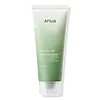
This betaine salicylate foaming cleanser is formulated around Betaine Salicylate to clear breakouts and unclog pores.
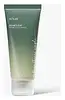
This wash off mask is made with Kaolin and Houttuynia Cordata Extract for a rinse-off pore-care boost.

What's inside
What's inside
 Key Ingredients
Benefits
Concerns
Ingredients Side-by-side
Houttuynia Cordata Flower/Leaf/Stem Water
Antimicrobial
Glycerin
Humectant


Sodium Cocoyl Glycinate
Cleansing
Water
Skin ConditioningSodium Lauroyl Glutamate
SurfactantDisodium Cocoamphodiacetate
CleansingCoco-Glucoside
Cleansing
Decyl Glucoside
Cleansing
Hectorite
AbsorbentSodium Chloride
Masking1,2-Hexanediol
Skin Conditioning
Betaine Salicylate
Antimicrobial





Potassium Benzoate
Preservative
Houttuynia Cordata Powder
Skin ConditioningPolyquaternium-67
Acrylates/C10-30 Alkyl Acrylate Crosspolymer
Emulsion StabilisingButylene Glycol
Humectant
Gardenia Florida Fruit Extract
Skin ConditioningDextrin
AbsorbentDisodium EDTA
ChelatingEucalyptus Globulus Leaf Oil
Perfuming



Ethylhexylglycerin
Skin ConditioningSodium Acetate
BufferingIsopropyl Alcohol
Solvent


Pinus Palustris Leaf Extract
TonicUlmus Davidiana Root Extract
Skin Conditioning
Oenothera Biennis Flower Extract
AstringentPueraria Lobata Root Extract
HumectantPentylene Glycol
Skin Conditioning
Capryloyl Salicylic Acid
Exfoliating

Tocopherol
Antioxidant



Hydrolyzed Hyaluronic Acid
Humectant
Hyaluronic Acid
Humectant
Hydrolyzed Sodium Hyaluronate
Skin Conditioning
Sodium Hyaluronate
Humectant
Potassium Hyaluronate
Skin ConditioningHydroxypropyltrimonium Hyaluronate
Sodium Hyaluronate Crosspolymer
Humectant
Sodium Acetylated Hyaluronate
Humectant
Quercetin
Antioxidant
Houttuynia Cordata Flower/Leaf/Stem Water, Glycerin, Sodium Cocoyl Glycinate, Water, Sodium Lauroyl Glutamate, Disodium Cocoamphodiacetate, Coco-Glucoside, Decyl Glucoside, Hectorite, Sodium Chloride, 1,2-Hexanediol, Betaine Salicylate, Potassium Benzoate, Houttuynia Cordata Powder, Polyquaternium-67, Acrylates/C10-30 Alkyl Acrylate Crosspolymer, Butylene Glycol, Gardenia Florida Fruit Extract, Dextrin, Disodium EDTA, Eucalyptus Globulus Leaf Oil, Ethylhexylglycerin, Sodium Acetate, Isopropyl Alcohol, Pinus Palustris Leaf Extract, Ulmus Davidiana Root Extract, Oenothera Biennis Flower Extract, Pueraria Lobata Root Extract, Pentylene Glycol, Capryloyl Salicylic Acid, Tocopherol, Hydrolyzed Hyaluronic Acid, Hyaluronic Acid, Hydrolyzed Sodium Hyaluronate, Sodium Hyaluronate, Potassium Hyaluronate, Hydroxypropyltrimonium Hyaluronate, Sodium Hyaluronate Crosspolymer, Sodium Acetylated Hyaluronate, Quercetin
Water
Skin ConditioningKaolin 20%
Abrasive
Houttuynia Cordata Extract 10.1%
Skin Conditioning
Glycerin
Humectant
Propanediol
Solvent
Butylene Glycol
Humectant
Bentonite
Absorbent
Hexylene Glycol
EmulsifyingZea Mays Starch
Absorbent
1,2-Hexanediol
Skin Conditioning
Glyceryl Glucoside
Humectant
Betaine
Humectant
Decyl Glucoside
Cleansing
Centella Asiatica Extract
Cleansing
Ficus Carica Fruit Extract
Humectant
Laminaria Japonica Extract
Skin Protecting
Eclipta Prostrata Leaf Extract
Skin ConditioningSodium Hyaluronate
Humectant
Hydrogenated Lecithin
Emulsifying
Soluble Collagen
Humectant
Potassium Cetyl Phosphate
EmulsifyingCalamine
AbsorbentHouttuynia Cordata Powder
Skin ConditioningXanthan Gum
EmulsifyingDipropylene Glycol
HumectantChlorella Vulgaris Powder
Skin ConditioningSodium Acrylate/Sodium Acryloyldimethyl Taurate Copolymer
Emulsion StabilisingPolyisobutene
Triethoxycaprylylsilane

Allantoin
Skin Conditioning
Sorbitan Oleate
Emulsifying

Caprylyl/Capryl Glucoside
CleansingFructooligosaccharides
Humectant
Protease
Exfoliating
Beta-Glucan
Skin Conditioning
Panthenol
Skin Conditioning
Hydrolyzed Hyaluronic Acid
Humectant
Ceramide NP
Skin Conditioning
Quercetin
Antioxidant
Palmitoyl Proline
Skin ConditioningTripeptide-5
Skin Conditioning
Parfum
Masking
Hydroxyacetophenone
Antioxidant
Ethylhexylglycerin
Skin ConditioningPentylene Glycol
Skin Conditioning
CI 77492
Cosmetic ColorantWater, Kaolin 20%, Houttuynia Cordata Extract 10.1%, Glycerin, Propanediol, Butylene Glycol, Bentonite, Hexylene Glycol, Zea Mays Starch, 1,2-Hexanediol, Glyceryl Glucoside, Betaine, Decyl Glucoside, Centella Asiatica Extract, Ficus Carica Fruit Extract, Laminaria Japonica Extract, Eclipta Prostrata Leaf Extract, Sodium Hyaluronate, Hydrogenated Lecithin, Soluble Collagen, Potassium Cetyl Phosphate, Calamine, Houttuynia Cordata Powder, Xanthan Gum, Dipropylene Glycol, Chlorella Vulgaris Powder, Sodium Acrylate/Sodium Acryloyldimethyl Taurate Copolymer, Polyisobutene, Triethoxycaprylylsilane, Allantoin, Sorbitan Oleate, Caprylyl/Capryl Glucoside, Fructooligosaccharides, Protease, Beta-Glucan, Panthenol, Hydrolyzed Hyaluronic Acid, Ceramide NP, Quercetin, Palmitoyl Proline, Tripeptide-5, Parfum, Hydroxyacetophenone, Ethylhexylglycerin, Pentylene Glycol, CI 77492
Reviews
Ingredients Explained
These ingredients are found in both products.
Ingredients higher up in an ingredient list are typically present in a larger amount.
1,2-Hexanediol is a synthetic liquid and another multi-functional powerhouse.
It is a:
- Humectant, drawing moisture into the skin
- Emollient, helping to soften skin
- Solvent, dispersing and stabilizing formulas
- Preservative booster, enhancing the antimicrobial activity of other preservatives
Butylene Glycol (or BG) is used within cosmetic products for a few different reasons:
Overall, Butylene Glycol is a safe and well-rounded ingredient that works well with other ingredients.
Though this ingredient works well with most skin types, some people with sensitive skin may experience a reaction such as allergic rashes, closed comedones, or itchiness.
Learn more about Butylene GlycolDecyl Glucoside is a plant-derived surfactant and emulsion stabilizer. It is created by reacting glucose with the fatty acids from plants.
Like all surfactants, it works by lowering the surface tension between water and oil. This makes it so that dirt, sebum, and makeup can be lifted off your skin and rinsed away. It also produces a dense and creamy foam.
Because it has a neutral charge, it is compatible with a wide range of ingredients and stays stable across a broad pH range/water hardiness conditions.
Patch testing has shown it to have the lowest irritation potential among common cleansing surfactants (like SLS).
Typical use levels range from 5-20% in rinse-off cleansers.
One thing worth knowing: The American Contact Dermatitis Society named the parent family, alkyl glucosides, "Allergen of the Year" in 2017. The prevalence of allergy is pretty low but be sure to patch test if you've reacted to "gentle" or sulfate-free cleansers before.
This ingredient is fungal acne safe because the fatty alcohol portion of this ingredient is not within the C11-24 chain length that Malassezia can metabolize.
Learn more about Decyl GlucosideEthylhexylglycerin is created from glycerin. It is a multitasker ingredient that:
The CIR Expert Panel found minimal skin absorption or sensitization of any kind in a safety assessment. Though this ingredient is considered well-tolerated, a small number of cases of allergic dermatitis have been published since 2002. Just be sure to patch test if you are unsure.
Industry-reported use ranges from 8% in rinse-off products and 2% in leave-on formulations.
Learn more about EthylhexylglycerinGlycerin (or glycerol) is a compound naturally found in your skin. It's a powerhouse humectant that pulls water into the stratum corneum.
Topically, glycerin does several things at once:
Your skin makes glycerin on its own (mostly from sebaceous oil breakdown) and shuttles it to your outermost layer of skin, or your epidermis, via aquaporin-3.
Aquaporin-3 is a transporter that is essential for normal skin hydration, elasticity, and repair. Interestingly, mice lacking in AQP3 have dry and less elastic skin that can be fully corrected with glycerin.
This ingredient is non-irritating, plays well with almost every ingredient, and works across all skin types. Typical use is anywhere between 3-10% but can go up to 79% in some leave-on products.
Just know very high concentrations (>40%) can feel tacky in low humidity.
Glycerin is the name for this ingredient in American English. British English uses Glycerol/Glycerine.
Learn more about GlycerinHouttuynia Cordata Powder comes from the Fish Mint or Chameleon plant. It is an herb native to southeast Asia and used throughout the continent. It is used in traditional cooking and medicine.
The components found in Fish Mint give it antioxidant, hydrating, antimicrobial, and anti-inflammatory properties.
Hydrolyzed Hyaluronic Acid is hyaluronic acid (HA) that is broken down into lower molecular weight fragments.
It's a humectant that pulls and holds water in the skin to help with hydration, plumpness, and reduce transepidermal water loss.
Because hydrolyzed hyaluronic acid is smaller in size, it can slip past your outermost layer of skin more easily than full-sized HA.
Most formulations will combine all sizes to get the best of both worlds.
Typical usage levels range from 0.01-1%. Any percentage higher than 2% might become goopy and tacky.
Learn more about Hydrolyzed Hyaluronic AcidPentylene Glycol (1,2-pentanediol) is a multitasking little diol with three main roles in a formula:
Research on alkanediols (the family pentylene glycol belongs to) show they work by disrupting microbial cell membranes. This disruption helps the primary preservative system in a product work more effectively at lower doses.
On the safety side, the Cosmetic Ingredient Review Expert Panel has concluded this ingredient to be safe as used in current cosmetic practices + concentrations.
Typical use levels in a formula run about 1-5%.
Learn more about Pentylene GlycolQuercetin is a polyphenol flavonoid that can be naturally found in plants like apples, onions, berries, and broccoli. It has antioxidant and skin soothing properties.
The anti-inflammatory research for this ingredient is pretty solid:
It also looks promising for anti-aging; it activates pathways tied to cellular "youthfulness" by helping the cells that produce collagen and elastin do their job better. It also switches on the "longevity" gene that keeps cells acting young.
As of right now, most of the anti-aging research has been done on animals or cells in petri dishes, but there's no harm in trying this ingredient in your routine.
Another cool perk of this ingredient?
It does a great job stabilizing the chemical UV filters avobenzone and octinoxate against sun degradation. One study found it outperformed both tocopherol and octocrylene as a photostabilizer.
The only downside (if you can even call it that) is that quercetin doesn't dissolve well in water and cannot penetrate skin easily on its own. This just means formulators pair it with delivery systems to actually get it into skin.
There is some recent buzz about this ingredient having brightening effects, but the research hasn't backed this up.
Learn more about QuercetinSodium Hyaluronate is the salt form of hyaluronic acid. It is a long sugar chain that is naturally found in your skin, joints, and connective tissue that maintains hydration and elasticity.
In skincare, it works as a humectant. It pulls water from the environment and deeper layers of skin and binds it to the surface.
Interestingly, the size of the molecule affects its behavior:
Some clinical evidence links low molecular weight versions to improved wrinkle depth, elasticity, anti-inflammatory effects, and barrier repair.
Many serums use a blend of both weights so you can get surface hydration plus longer-lasting and deeper effects.
You'll typically see concentrations between 0.1-2% for this ingredient.
Learn more about Sodium HyaluronateWater. It's the most common cosmetic ingredient of all. You'll usually see it at the top of ingredient lists, meaning that it makes up the largest part of the product.
So why is it so popular? Water most often acts as a solvent - this means that it helps dissolve other ingredients into the formulation.
You'll also recognize water as that liquid we all need to stay alive. If you see this, drink a glass of water. Remember to stay hydrated!
Learn more about Water

