This oil-based makeup remover is made to dissolve makeup, sunscreen, and daily buildup.
This oil-based makeup remover is made to dissolve makeup, sunscreen, and daily buildup.


What's inside
What's inside
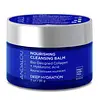 Key Ingredients
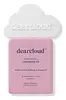
Benefits
Concerns
Ingredients Side-by-side
Helianthus Annuus Seed Oil
Emollient



Carthamus Tinctorius Seed Oil
Masking
Helianthus Annuus Seed Wax
Skin Conditioning
Ethylhexyl Palmitate
Emollient


Cocos Nucifera Oil
Masking

Rhus Verniciflua Peel Wax
Butyrospermum Parkii Butter
Skin Conditioning
Sr-Hydrozoan Polypeptide-1
Humectant
Aloe Barbadensis Leaf Extract
Emollient

Malus Domestica Fruit Cell Culture Extract
Skin ConditioningVitis Vinifera Fruit Cell Extract
Skin ConditioningMelaleuca Alternifolia Leaf Oil
Antioxidant




Tocopherol
Antioxidant



Glycerin
Humectant
Polyglyceryl-2 Caprate
EmulsifyingOlive Oil Polyglyceryl-6 Esters
Emollient
Polyglyceryl-6 Pentaoleate
Emulsifying
Water
Skin ConditioningEuterpe Oleracea Fruit Extract
Lycium Barbarum Fruit Extract
Astringent
Aronia Melanocarpa Fruit Extract
Skin ConditioningXanthan Gum
EmulsifyingIsomalt
HumectantLecithin
Emollient
Sodium Hyaluronate
Humectant
Melia Azadirachta Extract
Skin ConditioningCorallina Officinalis Extract
Skin Conditioning
Coccinia Indica Fruit Extract
Skin Conditioning
Solanum Melongena Fruit Extract
Skin ConditioningAloe Barbadensis Flower Extract
EmollientSimmondsia Chinensis Seed Oil
Emollient
Camellia Sinensis Leaf Extract
Antimicrobial
Curcuma Longa Root Extract
Antioxidant
Ocimum Sanctum Leaf Extract
Skin ConditioningOcimum Basilicum Flower/Leaf Extract
TonicPotassium Sorbate
Preservative
Sodium Benzoate
Masking
Parfum
Masking
Limonene
Perfuming
Helianthus Annuus Seed Oil, Carthamus Tinctorius Seed Oil, Helianthus Annuus Seed Wax, Ethylhexyl Palmitate, Cocos Nucifera Oil, Rhus Verniciflua Peel Wax, Butyrospermum Parkii Butter, Sr-Hydrozoan Polypeptide-1, Aloe Barbadensis Leaf Extract, Malus Domestica Fruit Cell Culture Extract, Vitis Vinifera Fruit Cell Extract, Melaleuca Alternifolia Leaf Oil, Tocopherol, Glycerin, Polyglyceryl-2 Caprate, Olive Oil Polyglyceryl-6 Esters, Polyglyceryl-6 Pentaoleate, Water, Euterpe Oleracea Fruit Extract, Lycium Barbarum Fruit Extract, Aronia Melanocarpa Fruit Extract, Xanthan Gum, Isomalt, Lecithin, Sodium Hyaluronate, Melia Azadirachta Extract, Corallina Officinalis Extract, Coccinia Indica Fruit Extract, Solanum Melongena Fruit Extract, Aloe Barbadensis Flower Extract, Simmondsia Chinensis Seed Oil, Camellia Sinensis Leaf Extract, Curcuma Longa Root Extract, Ocimum Sanctum Leaf Extract, Ocimum Basilicum Flower/Leaf Extract, Potassium Sorbate, Sodium Benzoate, Parfum, Limonene
Helianthus Annuus Seed Oil
Emollient
Olea Europaea Fruit Oil
Masking
Prunus Amygdalus Dulcis Oil
Skin Conditioning
Polyglyceryl-2 Sesquioleate
Emulsifying
Polyglyceryl-2 Caprate
EmulsifyingParfum
Masking
Tocopheryl Acetate
Antioxidant
Vitis Vinifera Seed Oil
Emollient
Water
Skin ConditioningButylene Glycol
Humectant
Caprylic/Capric Triglyceride
Masking
Dipropylene Glycol
Humectant1,2-Hexanediol
Skin Conditioning
C12-15 Alkyl Benzoate
AntimicrobialGlycyrrhiza Glabra Root Extract
Bleaching
Chamomilla Recutita Flower Extract
Masking
Lavandula Angustifolia Flower Extract
Cleansing
Centella Asiatica Extract
Cleansing
Borago Officinalis Extract
Emollient
Centaurea Cyanus Flower Extract
Astringent
Salvia Sclarea Extract
AntiseborrhoeicHydrogenated Lecithin
Emulsifying
Hyacinthus Orientalis Extract
Skin ConditioningOenothera Biennis Flower Extract
AstringentUlmus Davidiana Root Extract
Skin Conditioning
Pinus Palustris Leaf Extract
TonicPueraria Lobata Root Extract
HumectantGlycolipids
Skin ConditioningCamellia Sinensis Leaf Extract
Antimicrobial
Polygonum Cuspidatum Root Extract
Antioxidant
Sodium Surfactin
CleansingEthylhexylglycerin
Skin ConditioningAsiaticoside
Antioxidant
Madecassic Acid
Skin Conditioning
Asiatic Acid
Skin Conditioning
Scutellaria Baicalensis Root Extract
Astringent
Rosmarinus Officinalis Leaf Extract
AntimicrobialHelianthus Annuus Seed Oil, Olea Europaea Fruit Oil, Prunus Amygdalus Dulcis Oil, Polyglyceryl-2 Sesquioleate, Polyglyceryl-2 Caprate, Parfum, Tocopheryl Acetate, Vitis Vinifera Seed Oil, Water, Butylene Glycol, Caprylic/Capric Triglyceride, Dipropylene Glycol, 1,2-Hexanediol, C12-15 Alkyl Benzoate, Glycyrrhiza Glabra Root Extract, Chamomilla Recutita Flower Extract, Lavandula Angustifolia Flower Extract, Centella Asiatica Extract, Borago Officinalis Extract, Centaurea Cyanus Flower Extract, Salvia Sclarea Extract, Hydrogenated Lecithin, Hyacinthus Orientalis Extract, Oenothera Biennis Flower Extract, Ulmus Davidiana Root Extract, Pinus Palustris Leaf Extract, Pueraria Lobata Root Extract, Glycolipids, Camellia Sinensis Leaf Extract, Polygonum Cuspidatum Root Extract, Sodium Surfactin, Ethylhexylglycerin, Asiaticoside, Madecassic Acid, Asiatic Acid, Scutellaria Baicalensis Root Extract, Rosmarinus Officinalis Leaf Extract
Alternatives
Ingredients Explained
These ingredients are found in both products.
Ingredients higher up in an ingredient list are typically present in a larger amount.
Camellia Sinensis Leaf Extract (tea extract) is one of the most well-researched plant extracts in skincare with an impressive resume.
Black tea, green tea, and oolong tea are all harvested from the Camellia Sinensis plant.
Studies show green tea extract and its catechins (like epigallocatechin gallate (EGCG)) help your skin cells product energy more efficiently and reducing the number of free-radicals that can damage your skin from the inside.
In lab-grown skin models, this translated to younger, healthier, and stronger skin.
There's also good sun protection data; researchers saw less DNA damage and redness on human skin when green tea was applied before UVB exposure. And the more they applied, the better the protection.
Needless to say, this ingredient shouldn't replace your sunscreen. But it is a great supportive ingredient that you can already find in many sunscreens and antioxidant serums.
A 2009 study found a 2% green tea lotion was effective for mild-to-moderate acne thanks to its anti-inflammatory and mild antimicrobial activity.
The quality of the extract matters a lot here:
Good extracts contain 50-90% catechins while lower quality ones are mostly there for marketing. We recommend reaching out to the brand if you have questions about the quality or source of their ingredients.
Human Repeated Insult Patch Testing showed no irritation or sensitization at use concentrations (0.86% in leave-on products and up to 30% as leaf water).
Learn more about Camellia Sinensis Leaf ExtractHelianthus Annuus Seed Oil is a plant oil derived from the seeds of a sunflower.
It is rich in fatty acids, primarily linoleic acid and oleic acid. This gives it emollient and skin conditioning properties.
The reason this ingredient is so effective is because it forms a thin film on the skin that reduces transepidermal water loss (TEWL) while supplying linoleic acid to the stratum corneum to improve barrier strength.
The high linoleic acid content is particularly noteworthy for acne-prone skin.
Research suggests that acne-prone skin tends to be deficient in linoleic acid in sebum. Topical application may help replenish this to support a healthier follicular environment and less comedone-promoting sebum.
One randomized study found sunflower seed oil preserved skin barrier integrity in adult volunteers with and without atopic dermatitis (outperforming olive oil).
This ingredient is well-studied, gentle, and an effective emollient suitable for most skin types.
On fungal acne: This ingredient may not be Fungal acne (Malassezia folliculitis) safe. This is because it contains fatty acids with carbon chain lengths in the C11-C24 range.
Learn more about Helianthus Annuus Seed OilParfum is a catch-all term for an ingredient or more that is used to give a scent to products.
Also called "fragrance", this ingredient can be a blend of hundreds of chemicals or plant oils. This means every product with "fragrance" or "parfum" in the ingredients list is a different mixture.
For instance, Habanolide is a proprietary trade name for a specific aroma chemical. When used as a fragrance ingredient in cosmetics, most aroma chemicals fall under the broad labeling category of “FRAGRANCE” or “PARFUM” according to EU and US regulations.
The term 'parfum' or 'fragrance' is not regulated in many countries. In many cases, it is up to the brand to define this term.
For instance, many brands choose to label themselves as "fragrance-free" because they are not using synthetic fragrances. However, their products may still contain ingredients such as essential oils that are considered a fragrance by INCI standards.
One example is Calendula flower extract. Calendula is an essential oil that still imparts a scent or 'fragrance'.
Depending on the blend, the ingredients in the mixture can cause allergies and sensitivities on the skin. Some ingredients that are known EU allergens include linalool and citronellol.
Parfum can also be used to mask or cover an unpleasant scent.
The bottom line is: not all fragrances/parfum/ingredients are created equally. If you are worried about fragrances, we recommend taking a closer look at an ingredient. And of course, we always recommend speaking with a professional.
Learn more about ParfumWe don't have a description for Polyglyceryl-2 Caprate yet.
Water. It's the most common cosmetic ingredient of all. You'll usually see it at the top of ingredient lists, meaning that it makes up the largest part of the product.
So why is it so popular? Water most often acts as a solvent - this means that it helps dissolve other ingredients into the formulation.
You'll also recognize water as that liquid we all need to stay alive. If you see this, drink a glass of water. Remember to stay hydrated!
Learn more about Water

