
What's inside
What's inside
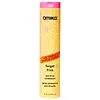 Key Ingredients
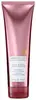
Benefits
Concerns
Ingredients Side-by-side
Water
Skin ConditioningCetearyl Alcohol
Emollient






Isopropyl Palmitate
Emollient
Behentrimonium Chloride
Preservative
Isododecane
EmollientDimethicone
Emollient

Glycolic Acid
Buffering









Lactic Acid
Buffering
Hippophae Rhamnoides Fruit/Seed Oil
Antimicrobial
Cocos Nucifera Oil
Masking

Panthenol
Skin Conditioning


Tocopherol
Antioxidant

Ethyl Linoleate
Emollient
Ethyl Oleate
Emollient
Nymphaea Alba Root Extract
Skin ConditioningAloe Barbadensis Leaf Juice
Skin Conditioning
Caprylic Acid
CleansingXylitol
Humectant
Sorbitol
Humectant
Trehalose
Humectant
Polyglyceryl-10 Laurate
Skin Conditioning
PPG-3 Benzyl Ether Myristate
EmollientCocamide Mipa
Emulsifying
PPG-1 Trideceth-6
Skin ConditioningPhenyl Trimethicone
Skin Conditioning
Propylene Glycol
Humectant
Propylene Glycol Dicaprylate/Dicaprate
EmollientEthylhexylglycerin
Skin ConditioningQuaternium-91
Polyquaternium-37
Stearamidopropyl Dimethylamine
EmulsifyingSodium Lignosulfonate
SurfactantCeresin
Emulsion StabilisingMaltodextrin
Absorbent
Tetrasodium Glutamate Diacetate
Magnesium Aluminum Silicate
Absorbent
Guar Hydroxypropyltrimonium Chloride
Skin ConditioningSodium Chloride
MaskingBenzyl Alcohol
Perfuming

Citric Acid
Buffering
Isopropyl Alcohol
Solvent
Phenoxyethanol
Preservative
Parfum
Masking
Benzyl Benzoate
Antimicrobial
Hydroxycitronellal
Perfuming
Limonene
Perfuming
Water, Cetearyl Alcohol, Isopropyl Palmitate, Behentrimonium Chloride, Isododecane, Dimethicone, Glycolic Acid, Lactic Acid, Hippophae Rhamnoides Fruit/Seed Oil, Cocos Nucifera Oil, Panthenol, Tocopherol, Ethyl Linoleate, Ethyl Oleate, Nymphaea Alba Root Extract, Aloe Barbadensis Leaf Juice, Caprylic Acid, Xylitol, Sorbitol, Trehalose, Polyglyceryl-10 Laurate, PPG-3 Benzyl Ether Myristate, Cocamide Mipa, PPG-1 Trideceth-6, Phenyl Trimethicone, Propylene Glycol, Propylene Glycol Dicaprylate/Dicaprate, Ethylhexylglycerin, Quaternium-91, Polyquaternium-37, Stearamidopropyl Dimethylamine, Sodium Lignosulfonate, Ceresin, Maltodextrin, Tetrasodium Glutamate Diacetate, Magnesium Aluminum Silicate, Guar Hydroxypropyltrimonium Chloride, Sodium Chloride, Benzyl Alcohol, Citric Acid, Isopropyl Alcohol, Phenoxyethanol, Parfum, Benzyl Benzoate, Hydroxycitronellal, Limonene
Water
Skin ConditioningCetearyl Alcohol
Emollient
Parfum
Masking
Behentrimonium Chloride
Preservative
Cetyl Esters
Emollient
Cetyl Alcohol
Emollient
Glycerin
Humectant
Phenoxyethanol
Preservative
Cetrimonium Chloride
Antimicrobial
Butyrospermum Parkii Butter
Skin Conditioning
Isopropyl Palmitate
Emollient
Silicone Quaternium-8
Lactic Acid
Buffering
Isopropyl Alcohol
Solvent
Polyester-37
Skin ConditioningChlorphenesin
Antimicrobial
Guar Hydroxypropyltrimonium Chloride
Skin ConditioningPolyquaternium-37
Pentylene Glycol
Skin Conditioning
Sodium Hydroxide
BufferingPropylene Glycol Dicaprylate/Dicaprate
EmollientPanthenol
Skin Conditioning
Trideceth-10
CleansingEthylhexylglycerin
Skin ConditioningMusa Sapientum Fruit Extract
Skin ConditioningTheobroma Cacao Extract
Skin ConditioningAnanas Sativus Fruit Extract
Skin ConditioningSaccharum Officinarum Extract
MoisturisingCitrus Limon Peel Extract
EmollientPPG-1 Trideceth-6
Skin ConditioningTriticum Vulgare Bran Extract
Skin ConditioningCitric Acid
Buffering
C11-13 Isoparaffin
Solvent
Ethyl Linoleate
Emollient
Trehalose
Humectant
Ethyl Oleate
Emollient
Malic Acid
Buffering
Glycolic Acid
Buffering
Polyglyceryl-10 Laurate
Skin Conditioning
Magnesium Aluminum Silicate
Absorbent
Cocos Nucifera Oil
Masking
1,2-Hexanediol
Skin Conditioning
Caprylyl Glycol
Emollient
Sodium Lignosulfonate
SurfactantCitrus Aurantium Dulcis Fruit Extract
MaskingSodium Benzoate
Masking
Caprylic Acid
CleansingBenzyl Alcohol
Perfuming
Xylitol
Humectant
Potassium Sorbate
Preservative
Lactobacillus Ferment
Skin Conditioning
Tocopherol
Antioxidant
Tetramethyl Acetyloctahydronaphthalenes
Masking
Hexamethylindanopyran
Masking
Coumarin
Perfuming
Linalool
Perfuming
Water, Cetearyl Alcohol, Parfum, Behentrimonium Chloride, Cetyl Esters, Cetyl Alcohol, Glycerin, Phenoxyethanol, Cetrimonium Chloride, Butyrospermum Parkii Butter, Isopropyl Palmitate, Silicone Quaternium-8, Lactic Acid, Isopropyl Alcohol, Polyester-37, Chlorphenesin, Guar Hydroxypropyltrimonium Chloride, Polyquaternium-37, Pentylene Glycol, Sodium Hydroxide, Propylene Glycol Dicaprylate/Dicaprate, Panthenol, Trideceth-10, Ethylhexylglycerin, Musa Sapientum Fruit Extract, Theobroma Cacao Extract, Ananas Sativus Fruit Extract, Saccharum Officinarum Extract, Citrus Limon Peel Extract, PPG-1 Trideceth-6, Triticum Vulgare Bran Extract, Citric Acid, C11-13 Isoparaffin, Ethyl Linoleate, Trehalose, Ethyl Oleate, Malic Acid, Glycolic Acid, Polyglyceryl-10 Laurate, Magnesium Aluminum Silicate, Cocos Nucifera Oil, 1,2-Hexanediol, Caprylyl Glycol, Sodium Lignosulfonate, Citrus Aurantium Dulcis Fruit Extract, Sodium Benzoate, Caprylic Acid, Benzyl Alcohol, Xylitol, Potassium Sorbate, Lactobacillus Ferment, Tocopherol, Tetramethyl Acetyloctahydronaphthalenes, Hexamethylindanopyran, Coumarin, Linalool
Ingredients Explained
These ingredients are found in both products.
Ingredients higher up in an ingredient list are typically present in a larger amount.
This ingredient is a preservative and often used for it's anti-static properties. You'll most likely see this ingredient in hair conditioners.
It does not cause irritation or sensitization in leave-on products at 1-5%.
Benzyl Alcohol is an aromatic alcohol with several roles: it's a preservative, solvent, and mild fragrance component with a floral scent.
This ingredient has been deemed safe for use in cosmetic formulations at concentrations up to 5%, and up to 10% in hair dyes. You'll typically see 0.5-2% in most rinse-off or leave-on products.
As a preservative, it works by disrupting the membrane of microbial proteins. This helps keep bacteria and fungi from growing in your products.
The sensitization picture is actually quite assuring as well:of nearly 71,000 patients patch tested with benzyl alcohol, only 0.21% showed a positive reaction with most of them being weakly positive.
This led researchers to conclude that benzyl alcohol cannot be regarded as a significant contact allergen.
It is worth noting this ingredient is classified as one of the EU's regulated fragrance allergens and restricted to 1% in finished products.
Labels must also declare it in concentrations above 0.001% in leave-on products and 0.01% in rinse-off products.
At concentrations around 5%, localized redness and itching can appear as a direct irritant response and not as a true allergic reaction.
Learn more about Benzyl AlcoholThis ingredient is also known as octanoic acid. It is a fatty acid that is naturally found in (and sourced from) coconut oil and palm kernel oil.
In cosmetics, it plays several roles:
The antimicrobial activity has been documented: Caprylic Acid is able to disrupt microbial cell membranes and is confirmed to be effective against some bacteria and yeasts.
Cosmetic use levels are often under 5% because very high concentrations (70-99%) can be corrosive as shown in patch-testing.
On the fungal acne side, Caprylic Acid sits outside the C11-24 range that the Malassezia yeast can metabolize. It is also one of the more studied fatty acids for anti-Malassezia activity; a study from 2020 showed that just 0.2 caprylic acid was enough to disrupt Malassezia furfur under a Transmission Electron Microscope.
The comedogenic rating of 1 and irritancy rating of 3 comes from the 1989 Rabbit Ear Study. Since rabbit ear models produce a lot of false positives, anything scoring 0-1 means it is unlikely to cause comedones in humans.
The 3 for irritancy reflects that capylic acid is a weak organic acid that is corrosive in undiluted form.
Just so you know, both of these numbers came from being tested at 100% on hypersensitive rabbit skin. This is going to look very different at the <5% use levels in your cosmetics.
Plus, comedogenicity is more about the finished formula rather than individual ingredients. Be sure to patch test if you're unsure!
Learn more about Caprylic AcidCetearyl alcohol is a waxy mixture of two fatty alcohols: cetyl alcohol and stearyl alcohol. It is an emollient and emulsifier.
Despite having "alcohol" in its name, it has nothing to do with drying solvent alcohols; the FDA also allows "alcohol-free" products to contain fatty alcohols like this ingredient.
It plays several roles in a formula:
Typical use levels for this ingredient sit around 1-10% and the Cosmetic Ingredient Review Expert Panel has affirmed safety at concentrations up to 25% in leave-on products.
Multiple assessments have found it to be non-irritating and non-sensitizing to most people.
However, there have been some cases of allergic contact dermatitis in patients with chronically compromised skin barriers.
Cetearyl alcohol has a comedogenic rating of 2 and irritancy rating of 1. Both of these numbers come from the 1989 study that used rabbit ears; a "2" means mildly comedogenic and a "1" means low irritancy.
Here's the catch: rabbit skin is more sensitive than human skin and throws a lot of false positives. A 1996 reappraisal found that ingredients rated 1-2 in the rabbit ear tests are generally safe for humans.
Remember comedogenic ratings are unable to assess the entire formula of a product or how it will react on your skin. Just be sure to patch test if you are unsure about certain ingredients.
This ingredient is not fungal acne safe. Cetearyl alcohol is a fatty alcohol with chain lengths that fall within the range that Malassezia can metabolize.
A 2019 study has also observed Malassezia growth in the presence of this ingredient, confirming it to be not-fungal acne safe.
Learn more about Cetearyl AlcoholCitric Acid is an alpha hydroxy acid (AHA) naturally found in citrus fruits like oranges, lemons, and limes.
Like other AHAs, citric acid can exfoliate skin by breaking down the bonds that hold dead skin cells together. This helps reveal smoother and brighter skin underneath.
However, this exfoliating effect only happens at high concentrations (20%) which can be hard to find in cosmetic products.
Due to this, citric acid is usually included in small amounts as a pH adjuster. This helps keep products slightly more acidic and compatible with skin's natural pH.
In skincare formulas, citric acid can:
While it can provide some skin benefits, research shows lactic acid and glycolic acid are generally more effective and less irritating exfoliants.
Most citric acid used in skincare today is made by fermenting sugars (usually from molasses). This synthetic version is identical to the natural citrus form but easier to stabilize and use in formulations.
Rosacea skin has a lower threshold for acids generally, with 62.5% of rosacea subjects in one study reacting to lactic acid in a sting test. This is why we mark citric acid as a potential rosacea trigger.
However, this ingredient shows up as a pH adjuster or chelator at roughly 0.1-1% in many products. These low levels are unlikely to be an issue for rosacea skin and becomes a potential trigger at exfoliating concentrations (20%). Because everybody's skin is unique, we recommend a patch test if you are unsure.
Learn more about Citric AcidThis ingredient is also known as coconut oil. It is a plant-derived ingredient with skin conditioning properties.
The fatty acid profile of coconut oil is mostly lauric acid (~54%), followed by capric, caprylic, palmitic, and myristic acids. This profile allows it to penetrate easily into skin, moisturize, and improve dry skin.
A double-blind study confirmed that extra virgin coconut oil is as effective as mineral oil for treating very dry skin. Another study found it outperformed mineral oil for mild to moderate atopic dermatitis in children.
Another study from 2018 found that virgin coconut oil can soothe inflammation and boost key skin barrier proteins. Just know this evidence is still only from lab settings and not human trials.
It has also been shown to reduce Staphylococcus aureus, a bacteria that commonly overgrows in people with eczema.
Clinical testing shows very minimal skin irritation and no evidence of sensitization or phototoxicity.
Coconut oil gets flagged as a "fragrance" because it has a natural mild scent (not because it's a synthetic perfume). The European Cosmetic ingredient database also lists "perfuming" as a function of this ingredient.
Just so you know, the term "fragrance" is completely unregulated. Some brands still use botanical extracts or essential oils in their "fragrance-free" formulas, but regulatory databases technically classify these under "fragrance".
Coconut oil has a tiny and useless bit of natural SPF. Early lab studies clocked it around SPF 7-8 but a more recent study found the real number closer to SPF 1.2. It also offers no meaningful UVA protection (SPF only overs UVB rays).
The comedogenic rating of 4/5 means it has a high potential to clog pores; but it's worth noting that comedogenicity is highly individual and ratings cannot predict how an overall formula will behave on skin.
Since lauric acid is the dominant fatty acid, this ingredient may not be fungal acne safe. The Malassezia yeast feeds on fatty acids with carbon chain lengths between 11-24, and lauric acid falls within these lengths (C12).
Learn more about Cocos Nucifera OilEthyl Linoleate is a fragrance and isn't fungal acne safe.
Ethyl Oleate is a fragrance and isn't fungal acne safe.
Ethylhexylglycerin is created from glycerin. It is a multitasker ingredient that:
The CIR Expert Panel found minimal skin absorption or sensitization of any kind in a safety assessment. Though this ingredient is considered well-tolerated, a small number of cases of allergic dermatitis have been published since 2002. Just be sure to patch test if you are unsure.
Industry-reported use ranges from 8% in rinse-off products and 2% in leave-on formulations.
Learn more about EthylhexylglycerinGlycolic Acid is arguably the most famous alpha hydroxy acid (AHA) with tons of research backing its benefits.
It is found naturally in sugar cane but the form used in skincare is usually synthetic for purity and stability.
Glycolic acid removes the top layer of dead skin cells to allow newer and fresher ones to emerge.
AHAs work by breaking down the structural “glue” that holds old skin cells in place. When that buildup is gone, your skin can renew itself more efficiently.
Research also shows glycolic acid stimulates collagen production, helping to firm and thicken the skin over time. This is one of its biggest advantages over other AHAs.
Overall, glycolic acid helps with:
Fun fact: Glycolic acid boosts skin hydration by helping it produce molecules that increase hyaluronic acid naturally.
To work best, glycolic acid products should have a pH between 3-4 (that’s where exfoliation is most effective but still gentle on skin).
The pH and concentration of a product are key to its effectiveness:
It is normal to feel a slight stinging sensation when using glycolic acid. This usually fades as your skin adjusts.
Because glycolic acid has the smallest molecular size in the AHA family, it can penetrate deeper, which enhances its effectiveness but also makes it more likely to irritate sensitive skin.
If your skin is very sensitive or prone to rosacea, glycolic acid may be too strong; in that case, try milder options like lactic acid or a PHA instead.
Recent studies suggest glycolic acid might even help protect against UV damage. But don’t skip sunscreen! Freshly exfoliated skin is more sensitive to the sun.
Glycolic acid is a skincare superstar. It smooths, brightens, hydrates, and firms the skin. Unless you’re highly sensitive, it’s well worth adding to your routine.
Read more about some other popular AHA's here:
Learn more about Glycolic AcidThis ingredient is derived from guar gum. It is a skin conditioning agent that creates a thin, breathable film to reduce water loss during cleansing.
This leaves the skin feeling soft rather than stripped and also contributes to a creamier lather.
Due to the large molecule size, this ingredient is unlikely to penetrate skin.
Learn more about Guar Hydroxypropyltrimonium ChlorideIsopropyl Alcohol is more commonly known as rubbing alcohol. It is most commonly used as a solvent, meaning it helps other ingredients dissolve.
This ingredient is an astringent alcohol. Astringent alcohols may also irritate skin as they high amounts may strip away your skin's natural oils.
Other types of astringent alcohols include:
According to the National Rosacea Society based in the US, you should be mindful of products with these alcohols in the top half of ingredients.
Any type of sanitizing product will have high amounts of alcohol to help kill bacteria and viruses.
Learn more about Isopropyl AlcoholIsopropyl Palmitate is a lightweight emollient made by combining isopropyl alcohol and palmitic acid.
It is an emollient that leaves skin feeling smooth and silky without leaving a greasy feel.
Typical usage concentrations range from 1-5%.
Human testing shows it's non-irritating and non-sensitizing, and the EU Scientific Committee on Consumer Safety (SCCS) has cleared it at very high levels (79% in leave-on products).
The one thing worth knowing about its comedogenic score of 3-4 is to keep it in perspective: these ratings come from old rabbit-ear tests using 100% of pure ingredient and doesn't reflect how it behaves at low levels in a finished product.
Because it is an ester of palmitic acid (C16), it falls into the range that the Malassezia yeast can feed on and is considered not fungal acne safe.
Learn more about Isopropyl PalmitateLactic Acid is another well-loved alpha hydroxy acid (AHA). It is gentler than glycolic acid but still highly effective.
Its main role is to exfoliate the surface of the skin by loosening the “glue” that holds dead skin cells together. Shedding those old cells leads to smoother, softer, and more even-toned skin.
Because lactic acid molecules are larger than glycolic acid, they don’t penetrate as deeply. This means they’re less likely to sting or irritate, making it a great choice for beginners or those with sensitive skin.
Like glycolic acid, it can:
Lactic acid also acts as a humectant (like hyaluronic acid). It can draw water into the skin to improve hydration and also plays a role in the skin's natural moisturizing factor (NMF) in the form of sodium lactate.
Studies show it can boost ceramide production to strengthen the skin barrier and even help balance the skin’s microbiome.
To get results, choose products with a pH between 3-4.
Lower strengths (5-12%) focus on surface exfoliation; higher strengths (12% and up) can reach deeper in the dermis (deeper, supportive layer) to improve skin texture and firmness over time.
Though it was originally derived from milk, most modern lactic acid used in skincare is vegan. It is made through non-dairy fermentation to create a bio-identical and stable form suitable for all formulations.
When lactic acid shows up near the end of an ingredient list, it usually means the brand added just a tiny amount to adjust the product’s pH.
Legend has it that Cleopatra used to bathe in sour milk to help reduce wrinkles.
Lactic acid is truly a gentle multitasker: it exfoliates, hydrates, strengthens, and brightens. It's a great ingredient for giving your skin a smooth, glowing, and healthy look without the harshness of stronger acids.
Read more about some other popular AHA's here:
Learn more about Lactic AcidMagnesium Aluminum Silicate is a type of silica. It comes from naturally occuring minerals such as silicate ores and clay.
Magnesium aluminum silicate is used for enhancing texture and as an absorbent. Due to its large molecular size, it is unable to be absorbed into the skin.
Like other types of silica, this ingredient can be used to thicken a product. As an absorbent, it may be used to absorb extra water or help prevent clumping.
Although “aluminum” in an ingredient name can raise red flags for some consumers, the form and usage context matter significantly. For typical topical applications, there is no substantial evidence of health risks - such as cancer, neurotoxicity, or systemic “aluminum overload.”
Learn more about Magnesium Aluminum SilicatePanthenol is a common ingredient that helps hydrate and soothe the skin. It is found naturally in our skin and hair.
There are two forms of panthenol: D and L.
D-panthenol is also known as dexpanthenol. Most cosmetics use dexpanthenol or a mixture of D and L-panthenol.
Panthenol is famous due to its ability to go deeper into the skin's layers. Using this ingredient has numerous pros (and no cons):
Like hyaluronic acid, panthenol is a humectant. Humectants are able to bind and hold large amounts of water to keep skin hydrated.
This ingredient works well for wound healing. It works by increasing tissue in the wound and helps close open wounds.
Once oxidized, panthenol converts to pantothenic acid. Panthothenic acid is found in all living cells.
This ingredient is also referred to as pro-vitamin B5.
Learn more about PanthenolParfum is a catch-all term for an ingredient or more that is used to give a scent to products.
Also called "fragrance", this ingredient can be a blend of hundreds of chemicals or plant oils. This means every product with "fragrance" or "parfum" in the ingredients list is a different mixture.
For instance, Habanolide is a proprietary trade name for a specific aroma chemical. When used as a fragrance ingredient in cosmetics, most aroma chemicals fall under the broad labeling category of “FRAGRANCE” or “PARFUM” according to EU and US regulations.
The term 'parfum' or 'fragrance' is not regulated in many countries. In many cases, it is up to the brand to define this term.
For instance, many brands choose to label themselves as "fragrance-free" because they are not using synthetic fragrances. However, their products may still contain ingredients such as essential oils that are considered a fragrance by INCI standards.
One example is Calendula flower extract. Calendula is an essential oil that still imparts a scent or 'fragrance'.
Depending on the blend, the ingredients in the mixture can cause allergies and sensitivities on the skin. Some ingredients that are known EU allergens include linalool and citronellol.
Parfum can also be used to mask or cover an unpleasant scent.
The bottom line is: not all fragrances/parfum/ingredients are created equally. If you are worried about fragrances, we recommend taking a closer look at an ingredient. And of course, we always recommend speaking with a professional.
Learn more about ParfumPhenoxyethanol is one of the most widely used preservatives in skincare (and for good reason!).
It has a large spectrum of antimicrobial activity and especially effective bacteria, yeast, and mold while only having a weak effect on your skin's natural microbiome.
On a cellular level, it disrupts the cell membranes of microbes by poking holes that make the cell leak. This shuts down the chemical reactions the microbe needs to make energy so it can no longer survive.
Another perk of this ingredient is that it stays functional across a wide pH range (3-10).
You'll often see it paired with boosters like Ethylhexylglycerin; one study showed that a 1:9 ratio of Ethylhexylglycerin to Phenoxyethanol damages bacterial membranes as effectively as doubling the Phenoxyethanol concentration on its own.
Typical use concentrations range from 0.3-1% depending on the formula, and this ingredient is capped at 1% int the EU.
Safety-wise, the fear mongering does not hold up to the evidence. The EU's Scientific Committee on Consumer Safety and FDA consider it safe as a preservative at up to 1%, including for children of all ages.
Adverse systemic effects only showed up in animal studies at exposures roughly 200x higher than what people get from cosmetics. And despite its very widespread use, this ingredient is a rare sensitizer and allergic reactions are uncommon.
Learn more about PhenoxyethanolPolyglyceryl-10 Laurate is a cleansing agent and emulsifier.
It rounds up dirt, oil, and grime, so they can be rinsed off easily as a cleanser.
On the emulsifier side, it keeps your formula smooth and well-mixed by playing peacekeeper for ingredients that don't naturally get along (like oil and water).
Because it has a C12 (lauric acid) fatty acid chain, this ingredient can potentially feed the Malassezia yeast that causes fungal acne. The Malassezia yeast prefers esters with C11-C24 fatty acids.
This ingredient is an ester of lauric acid and Polyglycerin-10.
Learn more about Polyglyceryl-10 LaurateWe don't have a description for Polyquaternium-37 yet.
We don't have a description for PPG-1 Trideceth-6 yet.
This ingredient is an emollient designed to leave a non-greasy feel. It is also a skin conditioning agent and viscosity modifier.
Skin irritation studies for this ingredient (up to 80%) showed mimimal to no irritation.
One thing worth knowing: this ingredient may enhance the skin penetration of other ingredients.
Overall, this ingredient is a well-tolerated and lightweight emollient.
Learn more about Propylene Glycol Dicaprylate/DicaprateWe don't have a description for Sodium Lignosulfonate yet.
Tocopherol is a fat-soluble antioxidant known as Vitamin E.
You'll find this ingredient in the vast majority of skincare (for good reason). It works to neutralize free radicals, or unstable molecules generated by UV exposure, pollution, and other environmental stressors, before they can cause oxidative damage to your skin cells.
Topically applied tocopherol has been shown to protect against UV damage by ramping up the skin's own natural defense enzymes.
It also acts as a skin conditioning agent; some studies show that regular topical use can improve the skin's water-binding capacity over 2-4 weeks.
This ingredient is especially loved for being a team player. When combined with Vitamin C, the photoprotective effect of both ingredients roughly doubles and the combo also helps reduce UV-induced DNA damage.
This ingredient has some brightening potential but it's more of a prevention ingredient than spot-fader. Cell studies show it can slow down melanin production but it's worth noting that it's not the most powerful brightener out there.
In formulations, it also serves as a stabilizer that helps protect other oxidation-prone ingredients from degrading.
Concentrations usually range from 0.1-1% in most leave-on products.
Learn more about TocopherolTrehalose is a disaccharide made of two glucose molecules (glucose is sugar!). Trehalose is used to help moisturize skin. It also has antioxidant properties.
As a humectant, trehalose helps draw moisture from the air to your skin. This helps keep your skin hydrated.
Due to its antioxidant properties, trehalose may help with signs of aging. Antioxidants help fight free-radical molecules, unstable molecules that may damage your skin.
In medicine, trehalose and hyaluronic acid are used to help treat dry eyes.
Some animals, plants, and bacteria create trehalose as a source of energy to survive freeze or lack of water.
Learn more about TrehaloseWater. It's the most common cosmetic ingredient of all. You'll usually see it at the top of ingredient lists, meaning that it makes up the largest part of the product.
So why is it so popular? Water most often acts as a solvent - this means that it helps dissolve other ingredients into the formulation.
You'll also recognize water as that liquid we all need to stay alive. If you see this, drink a glass of water. Remember to stay hydrated!
Learn more about WaterXylitol is a humectant and prebiotic. It can help with dry skin.
In studies, xylitol has been shown to improve dry skin. It decreased transepidermal water loss, or when water passes through the skin and evaporates. Xylitol also showed to help improve the biomechanical properties of the skin barrier.
The prebiotic property of xylitol may also help reinforce our skin's natural microbiome. Having a healthy microbiome prevents infection by bad bacteria and helps with hydration.
As a humectant, Xylitol helps draw moisture from both the air and from deeper skin layers. This helps keep skin hydrated.
Xylitol is a sugar alcohol and commonly used as a sugar substitute. It is naturally occurring in plants such as strawberries and pumpkin.
Learn more about Xylitol

