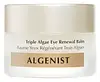
This anti-aging eye moisturizer is formulated around Palmitoyl Tetrapeptide-7 to soften the look of wrinkles.
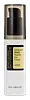
This anti-aging eye moisturizer is formulated around Snail Secretion Filtrate and Niacinamide to soften the look of wrinkles and hydrate skin.


What's inside
What's inside
 Key Ingredients
Benefits
Concerns
Ingredients Side-by-side
Water
Skin ConditioningStearic Acid
Cleansing



Isopropyl Isostearate
Emollient

Dimethicone
Emollient

Glycerin
Humectant
Pentylene Glycol
Skin Conditioning
Glyceryl Stearate Se
Emulsifying
Cetearyl Alcohol
Emollient

Butyrospermum Parkii Butter
Skin Conditioning
C12-15 Alkyl Benzoate
AntimicrobialLimnanthes Alba Seed Oil
Skin Conditioning
Parachlorella Beijerinckii Exopolysaccharides
Skin ProtectingCorallina Officinalis Extract
Skin Conditioning
Dunaliella Salina Extract
Skin ConditioningUndaria Pinnatifida Extract
Skin ConditioningDipeptide-2
Skin Conditioning

Palmitoyl Tetrapeptide-7
Skin Conditioning
Palmitoyl Hexapeptide-12
Skin Conditioning
Palmitoyl Tripeptide-5
Skin Conditioning
Sodium Hyaluronate
Humectant
Caffeine
Skin Conditioning
Coffea Arabica Seed Oil
Masking
Tribehenin
Emollient
Ceramide Ng
Skin Conditioning
PEG-10 Phytosterol
EmulsifyingTetrahexyldecyl Ascorbate
Antioxidant



Aloe Barbadensis Leaf Juice
Skin Conditioning
Tocopheryl Acetate
Antioxidant
Bambusa Vulgaris Leaf/Stem Extract
HumectantPisum Sativum Extract
Skin ConditioningGlucosamine Hcl
Leuconostoc/Radish Root Ferment Filtrate
Antimicrobial
Camellia Sinensis Leaf Extract
Antimicrobial
Cucumis Sativus Fruit Extract
Emollient
Dimethicone Crosspolymer
Emulsion Stabilising
Panthenol
Skin Conditioning
Pantolactone
Humectant
Caprylyl/Capryl Glucoside
CleansingPfaffia Paniculata Root Extract
SoothingPtychopetalum Olacoides Bark/Stem Extract
Skin ConditioningLilium Candidum Flower Extract
Skin ConditioningRubus Idaeus Leaf Extract
Skin ConditioningAloe Barbadensis Leaf Juice Powder
Skin Conditioning
Vinyl Dimethicone/Methicone Silsesquioxane Crosspolymer
Phospholipids
Skin Conditioning
Ceteareth-20
Cleansing
Acrylates/C10-30 Alkyl Acrylate Crosspolymer
Emulsion StabilisingDisodium EDTA
ChelatingAminomethyl Propanol
BufferingCaprylyl Glycol
Emollient
Lactic Acid
Buffering


Ethylhexylglycerin
Skin ConditioningHexylene Glycol
EmulsifyingHesperidin Methyl Chalcone
Antioxidant
Steareth-20
CleansingCitric Acid
Buffering
Sodium Citrate
BufferingChlorhexidine Digluconate
Antimicrobial
Phenoxyethanol
Preservative
Potassium Sorbate
Preservative
Benzyl Alcohol
Perfuming



Sodium Benzoate
Masking
Water, Stearic Acid, Isopropyl Isostearate, Dimethicone, Glycerin, Pentylene Glycol, Glyceryl Stearate Se, Cetearyl Alcohol, Butyrospermum Parkii Butter, C12-15 Alkyl Benzoate, Limnanthes Alba Seed Oil, Parachlorella Beijerinckii Exopolysaccharides, Corallina Officinalis Extract, Dunaliella Salina Extract, Undaria Pinnatifida Extract, Dipeptide-2, Palmitoyl Tetrapeptide-7, Palmitoyl Hexapeptide-12, Palmitoyl Tripeptide-5, Sodium Hyaluronate, Caffeine, Coffea Arabica Seed Oil, Tribehenin, Ceramide Ng, PEG-10 Phytosterol, Tetrahexyldecyl Ascorbate, Aloe Barbadensis Leaf Juice, Tocopheryl Acetate, Bambusa Vulgaris Leaf/Stem Extract, Pisum Sativum Extract, Glucosamine Hcl, Leuconostoc/Radish Root Ferment Filtrate, Camellia Sinensis Leaf Extract, Cucumis Sativus Fruit Extract, Dimethicone Crosspolymer, Panthenol, Pantolactone, Caprylyl/Capryl Glucoside, Pfaffia Paniculata Root Extract, Ptychopetalum Olacoides Bark/Stem Extract, Lilium Candidum Flower Extract, Rubus Idaeus Leaf Extract, Aloe Barbadensis Leaf Juice Powder, Vinyl Dimethicone/Methicone Silsesquioxane Crosspolymer, Phospholipids, Ceteareth-20, Acrylates/C10-30 Alkyl Acrylate Crosspolymer, Disodium EDTA, Aminomethyl Propanol, Caprylyl Glycol, Lactic Acid, Ethylhexylglycerin, Hexylene Glycol, Hesperidin Methyl Chalcone, Steareth-20, Citric Acid, Sodium Citrate, Chlorhexidine Digluconate, Phenoxyethanol, Potassium Sorbate, Benzyl Alcohol, Sodium Benzoate
Snail Secretion Filtrate
Skin Conditioning
Butylene Glycol
Humectant
Glycerin
Humectant
Helianthus Annuus Seed Oil
Emollient
1,2-Hexanediol
Skin Conditioning
Niacinamide
Smoothing

Water
Skin ConditioningPalmitic Acid
Emollient
Arginine
Masking
Carbomer
Emulsion StabilisingStearic Acid
Cleansing
Betaine
Humectant
Cetearyl Olivate
Sorbitan Olivate
Emulsifying
Sodium Polyacrylate
Absorbent
Allantoin
Skin Conditioning
Tocopheryl Acetate
Antioxidant
Panthenol
Skin Conditioning
Hydroxyethyl Acrylate/Sodium Acryloyldimethyl Taurate Copolymer
Emulsion StabilisingSodium Hyaluronate
Humectant
Adenosine
Skin Conditioning
Xanthan Gum
EmulsifyingMyristic Acid
Cleansing
Copper Tripeptide-1
Skin Conditioning
Acetyl Hexapeptide-8
Humectant
Palmitoyl Pentapeptide-4
Skin Conditioning
Palmitoyl Tripeptide-1
Skin Conditioning
Palmitoyl Tetrapeptide-7
Skin Conditioning
Snail Secretion Filtrate, Butylene Glycol, Glycerin, Helianthus Annuus Seed Oil, 1,2-Hexanediol, Niacinamide, Water, Palmitic Acid, Arginine, Carbomer, Stearic Acid, Betaine, Cetearyl Olivate, Sorbitan Olivate, Sodium Polyacrylate, Allantoin, Tocopheryl Acetate, Panthenol, Hydroxyethyl Acrylate/Sodium Acryloyldimethyl Taurate Copolymer, Sodium Hyaluronate, Adenosine, Xanthan Gum, Myristic Acid, Copper Tripeptide-1, Acetyl Hexapeptide-8, Palmitoyl Pentapeptide-4, Palmitoyl Tripeptide-1, Palmitoyl Tetrapeptide-7
Reviews
Ingredients Explained
These ingredients are found in both products.
Ingredients higher up in an ingredient list are typically present in a larger amount.
Glycerin (or glycerol) is a compound naturally found in your skin. It's a powerhouse humectant that pulls water into the stratum corneum.
Topically, glycerin does several things at once:
Your skin makes glycerin on its own (mostly from sebaceous oil breakdown) and shuttles it to your outermost layer of skin, or your epidermis, via aquaporin-3.
Aquaporin-3 is a transporter that is essential for normal skin hydration, elasticity, and repair. Interestingly, mice lacking in AQP3 have dry and less elastic skin that can be fully corrected with glycerin.
This ingredient is non-irritating, plays well with almost every ingredient, and works across all skin types. Typical use is anywhere between 3-10% but can go up to 79% in some leave-on products.
Just know very high concentrations (>40%) can feel tacky in low humidity.
Glycerin is the name for this ingredient in American English. British English uses Glycerol/Glycerine.
Learn more about GlycerinPalmitoyl Tetrapeptide-7 (formerly Palmitoyl Tetrapeptide-3) is a synthetic peptide. Its main job is to fight what researchers call "inflammaging".
"Inflammaging" is the slow, low-grade chronic inflammation that quietly breaks down collagen as we age.
This ingredient calms down a specific inflammation signal in your skin cells (called IL-6). When left unchecked, this signal triggers enzymes that break down collagen and elastin.
Clinical testing showed statistically significant improvements in:
Studies also found the more of this ingredient used, the more your skin produces Collagen I, fibronectin, and hyaluronic acid.
You'll likely see this ingredient paired with Palmitoyl Tripeptide-1 in the well-known Matrixyl 3000 complex for enhanced anti-aging effects.
A 3% concentration applied twice daily for two months showed meaningful skin rejuvenation results in clinical panels.
Fungal acne note:
Usually a palmitic acid component can feed Malassezia in unbound form, but here is is covalently bonded to the peptide. This means it is very difficult for Malassezia to access, and therefore very unlikely to cause fungal acne.
Panthenol is a common ingredient that helps hydrate and soothe the skin. It is found naturally in our skin and hair.
There are two forms of panthenol: D and L.
D-panthenol is also known as dexpanthenol. Most cosmetics use dexpanthenol or a mixture of D and L-panthenol.
Panthenol is famous due to its ability to go deeper into the skin's layers. Using this ingredient has numerous pros (and no cons):
Like hyaluronic acid, panthenol is a humectant. Humectants are able to bind and hold large amounts of water to keep skin hydrated.
This ingredient works well for wound healing. It works by increasing tissue in the wound and helps close open wounds.
Once oxidized, panthenol converts to pantothenic acid. Panthothenic acid is found in all living cells.
This ingredient is also referred to as pro-vitamin B5.
Learn more about PanthenolSodium Hyaluronate is the salt form of hyaluronic acid. It is a long sugar chain that is naturally found in your skin, joints, and connective tissue that maintains hydration and elasticity.
In skincare, it works as a humectant. It pulls water from the environment and deeper layers of skin and binds it to the surface.
Interestingly, the size of the molecule affects its behavior:
Some clinical evidence links low molecular weight versions to improved wrinkle depth, elasticity, anti-inflammatory effects, and barrier repair.
Many serums use a blend of both weights so you can get surface hydration plus longer-lasting and deeper effects.
You'll typically see concentrations between 0.1-2% for this ingredient.
Learn more about Sodium HyaluronateStearic Acid is a fatty acid that is already found in your skin. It's one of the free fatty acids that works alongside ceramides and cholesterols to maintain your barrier.
In cosmetics, it is a multitasker:
Safety-wise, the CIR Expert Panel has concluded it to be safe in cosmetics when formulated to be non-irritating and non-sensitizing.
Free stearic acid is a C18 fatty acid that the Malassezia yeast can substrate, so this ingredient may not be fungal acne safe.
This ingredient does have a comedogenic rating of 2-3, but this doesn't mean a formula with this ingredient will clog pores.
Human testing has proved that any finished product with this ingredient won't automatically make you break out; it really comes down to concentration, formula, and your skin.
Learn more about Stearic AcidTocopheryl Acetate is a stable, shelf-friendly form of vitamin E.
Formulators love it because plain vitamin E oxidizes quickly once it hits air. This acetate version stays stable and resists going off, helping to extend a product's shelf life.
It's actually inactive on its own and works like a slow-release "storage" form; the enzymes in your skin called esterases gradually convert it into active vitamin E over time.
One in vivo study showed 5% of the acetate in the living layer of the epidermis converted to vitamin E after 5 days of application. This study also found the skin gained protection against UV damage even though the conversion was slow and small.
Once converted, vitamin E acts as a skin's main fat-soluble antioxidant that fights free radicals to protect skin from damage.
Topical vitamin E generally boosts the skin's photoprotection, and it reduced UV-damage in animal models.
This ingredient has some brightening potential but it's more of a prevention ingredient than spot-fader. Cell studies show it can slow down melanin production but it's worth noting that it's not the most powerful brightener out there.
Overall, it has a pretty solid safety profile and has been found to be non-irritating and non-comedogenic. Allergic reactions may happen but stay rare due to how widely the ingredient gets used.
The concentration will vary depending on the formula; industry data shows 0.1% in baby lotions, 3% in lipsticks, and 5% in foot powders. You can also find this ingredient at 100% in a pure vitamin E oil.
Most leave-on skincare keeps it at the lower end, often between 0.5-1%.
Learn more about Tocopheryl AcetateWater. It's the most common cosmetic ingredient of all. You'll usually see it at the top of ingredient lists, meaning that it makes up the largest part of the product.
So why is it so popular? Water most often acts as a solvent - this means that it helps dissolve other ingredients into the formulation.
You'll also recognize water as that liquid we all need to stay alive. If you see this, drink a glass of water. Remember to stay hydrated!
Learn more about Water

