AHC Beauty Natural Perfection Double Shield Sun Stick SPF50+ PA++++ Versus Shingmulnara Oxygen Water Face & Body Sun Stick SPF 50+
This chemical sunscreen covers most of the UV range, lighter on the deep UVA that drives aging.
This chemical sunscreen covers the full UV range and blocks ~98% of UVB at SPF 50.

What's inside
What's inside
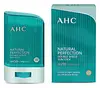 Key Ingredients
Benefits
Concerns
Ingredients Side-by-side
Dimethicone
Emollient

Vinyl Dimethicone/Methicone Silsesquioxane Crosspolymer

Polyethylene
Abrasive

Cetyl Ethylhexanoate
EmollientHomosalate
Skin Conditioning

Ethylhexyl Methoxycinnamate
UV Absorber
Hydrogenated Poly(C6-14 Olefin)
EmollientDicaprylyl Carbonate
EmollientEthylhexyl Salicylate
UV Absorber
Tocopheryl Acetate
Antioxidant


Ozokerite
Emulsion StabilisingDiethylamino Hydroxybenzoyl Hexyl Benzoate
UV Filter
Bisabolol
Antioxidant



Lauryl PEG-9 Polydimethylsiloxyethyl Dimethicone
Skin Conditioning
Citrus Aurantium Dulcis Oil
Masking
Citrus Nobilis Peel Oil
Masking
Dehydroacetic Acid
Preservative
Litsea Cubeba Fruit Oil
Masking

Water
Skin ConditioningButylene Glycol
Humectant
Argania Spinosa Kernel Oil
Emollient


Sea Water
HumectantLavandula Angustifolia Flower Water
Skin Conditioning
Hydrolyzed Hyaluronic Acid
Humectant

Helianthus Annuus Seed Oil Unsaponifiables
Emollient
Cocos Nucifera Oil
Masking


Opuntia Ficus-Indica Stem Extract
Skin Conditioning
Glycerin
Humectant
Tocopherol
Antioxidant
Dipropylene Glycol
HumectantPropanediol
Solvent
Xylitylglucoside
Humectant
Anhydroxylitol
Humectant
Pseudoalteromonas Ferment Extract
Humectant
Capryloyl Glycine
CleansingSodium Palmitoyl Proline
Skin ConditioningHexylene Glycol
EmulsifyingXylitol
Humectant
1,2-Hexanediol
Skin Conditioning
Sarcosine
Skin Conditioning
Nymphaea Alba Flower Extract
Skin ConditioningEpilobium Fleischeri Extract
Skin ConditioningLactobacillus/Soybean Ferment Extract
Skin ConditioningCalendula Officinalis Flower Extract
Masking
Oryza Sativa Bran Extract
Skin Conditioning
Camellia Sinensis Leaf Extract
Antimicrobial
Dioscorea Japonica Root Extract
Skin Conditioning
Cinnamomum Zeylanicum Bark Extract
Antimicrobial
Tremella Fuciformis Extract
Humectant
Camellia Japonica Flower Extract
EmollientVanilla Tahitensis Fruit Extract
Skin ConditioningCaprylyl Glycol
Emollient
Nephelium Lappaceum Branch/Fruit/Leaf Extract
Skin ConditioningLitchi Chinensis Fruit Extract
Skin ConditioningGarcinia Mangostana Peel Extract
Skin ConditioningAloe Barbadensis Leaf Extract
Emollient
Citrus Aurantium Dulcis Fruit Extract
MaskingCentella Asiatica Extract
Cleansing
Salix Alba Bark Extract
Astringent
Origanum Vulgare Leaf Extract
Skin ConditioningChamaecyparis Obtusa Leaf Extract
Skin ConditioningCitric Acid
Buffering
Pentylene Glycol
Skin Conditioning
Scutellaria Baicalensis Root Extract
Astringent
Portulaca Oleracea Extract
Skin Conditioning
Cinnamomum Cassia Bark Extract
Masking
Glyceryl Caprylate
EmollientGardenia Taitensis Flower Extract
Skin ConditioningPotassium Sorbate
Preservative
Ethylhexylglycerin
Skin ConditioningOxygen
Skin ConditioningHelianthus Annuus Seed Oil
Emollient
Dimethicone, Vinyl Dimethicone/Methicone Silsesquioxane Crosspolymer, Polyethylene, Cetyl Ethylhexanoate, Homosalate, Ethylhexyl Methoxycinnamate, Hydrogenated Poly(C6-14 Olefin), Dicaprylyl Carbonate, Ethylhexyl Salicylate, Tocopheryl Acetate, Ozokerite, Diethylamino Hydroxybenzoyl Hexyl Benzoate, Bisabolol, Lauryl PEG-9 Polydimethylsiloxyethyl Dimethicone, Citrus Aurantium Dulcis Oil, Citrus Nobilis Peel Oil, Dehydroacetic Acid, Litsea Cubeba Fruit Oil, Water, Butylene Glycol, Argania Spinosa Kernel Oil, Sea Water, Lavandula Angustifolia Flower Water, Hydrolyzed Hyaluronic Acid, Helianthus Annuus Seed Oil Unsaponifiables, Cocos Nucifera Oil, Opuntia Ficus-Indica Stem Extract, Glycerin, Tocopherol, Dipropylene Glycol, Propanediol, Xylitylglucoside, Anhydroxylitol, Pseudoalteromonas Ferment Extract, Capryloyl Glycine, Sodium Palmitoyl Proline, Hexylene Glycol, Xylitol, 1,2-Hexanediol, Sarcosine, Nymphaea Alba Flower Extract, Epilobium Fleischeri Extract, Lactobacillus/Soybean Ferment Extract, Calendula Officinalis Flower Extract, Oryza Sativa Bran Extract, Camellia Sinensis Leaf Extract, Dioscorea Japonica Root Extract, Cinnamomum Zeylanicum Bark Extract, Tremella Fuciformis Extract, Camellia Japonica Flower Extract, Vanilla Tahitensis Fruit Extract, Caprylyl Glycol, Nephelium Lappaceum Branch/Fruit/Leaf Extract, Litchi Chinensis Fruit Extract, Garcinia Mangostana Peel Extract, Aloe Barbadensis Leaf Extract, Citrus Aurantium Dulcis Fruit Extract, Centella Asiatica Extract, Salix Alba Bark Extract, Origanum Vulgare Leaf Extract, Chamaecyparis Obtusa Leaf Extract, Citric Acid, Pentylene Glycol, Scutellaria Baicalensis Root Extract, Portulaca Oleracea Extract, Cinnamomum Cassia Bark Extract, Glyceryl Caprylate, Gardenia Taitensis Flower Extract, Potassium Sorbate, Ethylhexylglycerin, Oxygen, Helianthus Annuus Seed Oil
Butylene Glycol Dicaprylate/Dicaprate
EmollientPolyethylene
Abrasive
Dimethicone
Emollient
Octocrylene
UV Absorber
Vinyl Dimethicone/Methicone Silsesquioxane Crosspolymer
Silica
Abrasive
Methyl Methacrylate Crosspolymer
Ethylhexyl Methoxycinnamate
UV Absorber
Cetyl Ethylhexanoate
EmollientDicaprylyl Carbonate
EmollientEthylhexyl Salicylate
UV Absorber
Diethylamino Hydroxybenzoyl Hexyl Benzoate
UV Filter
Bis-Ethylhexyloxyphenol Methoxyphenyl Triazine
UV Absorber
Tocopheryl Acetate
Antioxidant
Ozokerite
Emulsion StabilisingBisabolol
Antioxidant
Lauryl Polyglyceryl-3 Polydimethylsiloxyethyl Dimethicone
Skin Conditioning
Water
Skin ConditioningTocopherol
Antioxidant
Butylene Glycol
Humectant
1,2-Hexanediol
Skin Conditioning
Oxygen
Skin ConditioningEthylhexylglycerin
Skin ConditioningParfum
Masking
Dehydroacetic Acid
Preservative
Butylene Glycol Dicaprylate/Dicaprate, Polyethylene, Dimethicone, Octocrylene, Vinyl Dimethicone/Methicone Silsesquioxane Crosspolymer, Silica, Methyl Methacrylate Crosspolymer, Ethylhexyl Methoxycinnamate, Cetyl Ethylhexanoate, Dicaprylyl Carbonate, Ethylhexyl Salicylate, Diethylamino Hydroxybenzoyl Hexyl Benzoate, Bis-Ethylhexyloxyphenol Methoxyphenyl Triazine, Tocopheryl Acetate, Ozokerite, Bisabolol, Lauryl Polyglyceryl-3 Polydimethylsiloxyethyl Dimethicone, Water, Tocopherol, Butylene Glycol, 1,2-Hexanediol, Oxygen, Ethylhexylglycerin, Parfum, Dehydroacetic Acid
Reviews
Ingredients Explained
These ingredients are found in both products.
Ingredients higher up in an ingredient list are typically present in a larger amount.
1,2-Hexanediol is a synthetic liquid and another multi-functional powerhouse.
It is a:
- Humectant, drawing moisture into the skin
- Emollient, helping to soften skin
- Solvent, dispersing and stabilizing formulas
- Preservative booster, enhancing the antimicrobial activity of other preservatives
Bisabolol is a gentle skin conditioner, antioxidant, and soothing ingredient.
It's primary claim to fame is soothing and research shows topically applied bisabolol can quiet the chemical messengers that cause your skin to become inflamed, helping to sooth any irritation.
A clinical study found that applying 0.5% bisabolol daily for 8 weeks produced an average 9% decrease in skin pigmentation. Researchers found it can also suppress the process that leads to excess melanin production in skin.
In vitro studies found that bisabolol combined with propylene glycol significantly increased skin permeability by increasing lipid fluidity in the stratum corneum.
You'll likely see use concentrations quite low, usually 0.1-0.2%.
Overall, this is a well-tolerated ingredient that works well in formulas designed for sensitive, reactive, or post-procedure skin.
Learn more about BisabololButylene Glycol (or BG) is used within cosmetic products for a few different reasons:
Overall, Butylene Glycol is a safe and well-rounded ingredient that works well with other ingredients.
Though this ingredient works well with most skin types, some people with sensitive skin may experience a reaction such as allergic rashes, closed comedones, or itchiness.
Learn more about Butylene GlycolCetyl Ethylhexanoate is an emollient ester. It comes from cetearyl alcohol and 2-ethylhexanoic acid.
Cetyl Ethylhexanoate is an emollient that adds a velvety feel to skin without being greasy or oily. Emollients help trap moisture into your skin, keeping your skin soft and hydrated.
Dehydroacetic Acid is a synthetic preservative that keeps your products safe from microbes.
As an organic acid, it penetrates microbial cell walls and disrupts cellular metabolism. This makes it effective against bacteria, yeast, and mold.
It is effective at low concentrations (<0.6%). Clinical studies have found it to be non-irritating, non-sensitizing, and non-photosensitizing.
Learn more about Dehydroacetic AcidDicaprylyl Carbonate comes from carbonic acid and caprylyl alcohol, a fatty alcohol. It is an emollient and gives skin a velvet feel. The sources of Dicaprylyl Carbonate may be synthetic or from animals.
As an emollient, Dicaprylyl Carbonate creates a film on the skin. This film traps moisture in, keeping your skin soft and hydrated.
Diethylamino Hydroxybenzoyl Hexyl Benzoate (DHHB) is a chemical UV-A absorber. It is formulated for high UVA protection (320-400 nm).
DHHB is well-liked for:
DHHB has been approved by the EU, Japan, Taiwan, and South America for use up to 10%. Unfortunately, it has not been approved for use in the US or Canada due to slow regulatory processes.
This ingredient is soluble in oils, fats, and lipids.
Learn more about Diethylamino Hydroxybenzoyl Hexyl BenzoateDimethicone is a type of synthetic silicone created from natural materials such as quartz. It is also known as polydimethylsiloxane.
What it does:
Dimethicone comes in different viscosities:
Depending on the viscosity, dimethicone has different properties.
Ingredients lists don't always show which type is used, so we recommend reaching out to the brand if you have questions about the viscosity.
This ingredient is unlikely to cause irritation because it does not get absorbed into skin. However, people with silicone allergies should be careful about using this ingredient.
Note: Dimethicone may contribute to pilling. This is because it is not oil or water soluble, so pilling may occur when layered with products. When mixed with heavy oils in a formula, the outcome is also quite greasy.
Learn more about DimethiconeThis ingredient is also known as Octinoxate and is one of the oldest and most widely used chemical UV filters in skincare.
It has a simple job: soap up UVB radiation (290-320 nm), the wavelengths responsible for sunburn and a big chunk of long-term sun damage.
In formulas, it's always paired with a separate UVA filter because octinoxate solely protects skin from UVB.
Because it's an oil-soluble liquid, it's easy to blend into the oil phase of lotions/creams and gives a cosmetically elegant feel.
The one quirk about formulating this ingredient is photostability; the molecule slowly changes shape into a less effective version when sunlight hits it. So the longer you're in the sun, the weaker its protection gets. The drop can be more than 30% in some formulas.
It also doesn't play nice with Avobenzone (the common UVA filter) since avobenzone destabilizes octinoxate and the two degrade each other. But don't worry: brands have solved this issue by adding photostabilizers like Tinosorb S to prevent degradation and keep SPF stable under heavy UV exposure.
The maximum allowed level is 10% in the EU and Australia, 7.5% in the US and Canada, and 20% in Japan.
The Cosmetic Ingredient Review Panel has concluded this ingredient to be safe in cosmetics up to 10%.
One last thing worth knowing for context:
Octinoxate has been the subject of ongoing review in Europe where the Scientific Committee on Consumer Safety's (SCCS) 2025 final opinion is that this ingredient is an endocrine-active substance.
Lab and animal studies suggest it can act a bit like a hormone in the body (mildly mimicking estrogen and slightly blocking male hormones). It's important to know this hasn't really been shown to happen in everyday human use.
This ingredient is also banned in Hawaii over coral reef concerns.
Learn more about Ethylhexyl MethoxycinnamateEthylhexyl Salicylate (also called Octisalate or Octyl Salicylate) is an oil-soluble organic UV filter that's been used in sunscreen since the 1950's.
It absorbs UVB light in the 280-320 nm range with a peak absorbance around 306 nm.
You'll often see it paired with other UV filters to boost overall SPF because octisalate is a fairly week filter on its own.
The reason you'll see it so often is because it can help solubilize and stabilize the trickier filters like oxybenzone and avobenzone.
Unlike these filters, octisalate has pretty good photostability and doesn't create skin-damaging free radicals when exposed to sunlight.
The fatty-alcohol part of the molecule also gives it a light, emollient feel so it doubles as a nice texture enhancer.
Usage levels vary around the world:
Safety-wise, this ingredient has a pretty reassuring track record. The EU's Scientific Committee on Consumer Products (SCCP) found very low skin penetration in human skin tests and negative results for irritation, phototoxicity, and photoallergy.
The real-world allergy risk is pretty low too; a 2012 European study of 1,031 people recorded only 2 reactions to it (a rate of 0.19%).
You might have seen scary headlines about sunscreen getting into your blood.
In 2019, the FDA found that several chemical filters can absorb through the skin and show up in the bloodstream at small but measurable levels.
Here's the important part: these tiny levels are just a cutoff the FDA uses to decide which ingredients need more testing and doesn't mean anything harmful was found.
The researchers were clear that the results are no reason to stop wearing sunscreen.
Learn more about Ethylhexyl SalicylateEthylhexylglycerin is created from glycerin. It is a multitasker ingredient that:
The CIR Expert Panel found minimal skin absorption or sensitization of any kind in a safety assessment. Though this ingredient is considered well-tolerated, a small number of cases of allergic dermatitis have been published since 2002. Just be sure to patch test if you are unsure.
Industry-reported use ranges from 8% in rinse-off products and 2% in leave-on formulations.
Learn more about EthylhexylglycerinOxygen is a highly reactive chemical element. It is used by all living organisms for cellular respiration.
More studies are needed to show the role of oxygen in cosmetics and the skin.
Ozokerite is a naturally occuring mineral wax. In cosmetics, ozokerite is used as a texture enhancer.
Ceresin wax is derived from this ingredient.
The melting point of ozokerite is 58-100 C.
Ozokerite is found all over the world including Scotland, the US, and India.
Learn more about OzokeritePolyethylene is a synthetic ingredient that helps the skin retain moisture. It is a polymer.
It is also typically used within product formulations to help bind solid ingredients together and thicken oil-based ingredients. When added to balms and emulsions, it helps increase the melting point temperature.
Tocopherol is a fat-soluble antioxidant known as Vitamin E.
You'll find this ingredient in the vast majority of skincare (for good reason). It works to neutralize free radicals, or unstable molecules generated by UV exposure, pollution, and other environmental stressors, before they can cause oxidative damage to your skin cells.
Topically applied tocopherol has been shown to protect against UV damage by ramping up the skin's own natural defense enzymes.
It also acts as a skin conditioning agent; some studies show that regular topical use can improve the skin's water-binding capacity over 2-4 weeks.
This ingredient is especially loved for being a team player. When combined with Vitamin C, the photoprotective effect of both ingredients roughly doubles and the combo also helps reduce UV-induced DNA damage.
This ingredient has some brightening potential but it's more of a prevention ingredient than spot-fader. Cell studies show it can slow down melanin production but it's worth noting that it's not the most powerful brightener out there.
In formulations, it also serves as a stabilizer that helps protect other oxidation-prone ingredients from degrading.
Concentrations usually range from 0.1-1% in most leave-on products.
Learn more about TocopherolTocopheryl Acetate is a stable, shelf-friendly form of vitamin E.
Formulators love it because plain vitamin E oxidizes quickly once it hits air. This acetate version stays stable and resists going off, helping to extend a product's shelf life.
It's actually inactive on its own and works like a slow-release "storage" form; the enzymes in your skin called esterases gradually convert it into active vitamin E over time.
One in vivo study showed 5% of the acetate in the living layer of the epidermis converted to vitamin E after 5 days of application. This study also found the skin gained protection against UV damage even though the conversion was slow and small.
Once converted, vitamin E acts as a skin's main fat-soluble antioxidant that fights free radicals to protect skin from damage.
Topical vitamin E generally boosts the skin's photoprotection, and it reduced UV-damage in animal models.
This ingredient has some brightening potential but it's more of a prevention ingredient than spot-fader. Cell studies show it can slow down melanin production but it's worth noting that it's not the most powerful brightener out there.
Overall, it has a pretty solid safety profile and has been found to be non-irritating and non-comedogenic. Allergic reactions may happen but stay rare due to how widely the ingredient gets used.
The concentration will vary depending on the formula; industry data shows 0.1% in baby lotions, 3% in lipsticks, and 5% in foot powders. You can also find this ingredient at 100% in a pure vitamin E oil.
Most leave-on skincare keeps it at the lower end, often between 0.5-1%.
Learn more about Tocopheryl AcetateThis ingredient is used in makeup and skincare to thicken formulas, reduce shine, and give skin a silky-smooth feel.
It’s a white silicone powder that sits in fine lines and pores to blur their appearance though its effectiveness depends on the particle size.
You'll typically find this ingredient in amounts between 0.1-20%.
Learn more about Vinyl Dimethicone/Methicone Silsesquioxane CrosspolymerWater. It's the most common cosmetic ingredient of all. You'll usually see it at the top of ingredient lists, meaning that it makes up the largest part of the product.
So why is it so popular? Water most often acts as a solvent - this means that it helps dissolve other ingredients into the formulation.
You'll also recognize water as that liquid we all need to stay alive. If you see this, drink a glass of water. Remember to stay hydrated!
Learn more about Water

