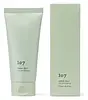
This mild gel cleanser is made to cleanse without leaving your skin tight or dry.
This mild gel cleanser is made to cleanse while respecting your skin barrier.


What's inside
What's inside
 Key Ingredients
Benefits
Concerns
Ingredients Side-by-side
Artemisia Princeps Leaf Water
MaskingWater
Skin ConditioningGlycerin
Humectant


Cocamidopropyl Betaine
Cleansing



1,2-Hexanediol
Skin Conditioning
Decyl Glucoside
Cleansing
Polyglyceryl-4 Caprate
EmulsifyingXanthan Gum
EmulsifyingSodium Chloride
MaskingMethyl Gluceth-20
Humectant
Lactobacillus Ferment
Skin Conditioning
Bifida Ferment Lysate
Skin Conditioning
Lactococcus Ferment
Skin ConditioningStreptococcus Thermophilus Ferment
Humectant
Cellulose Gum
Emulsion StabilisingCitrus Aurantium Bergamia Fruit Oil
Masking


Citric Acid
Buffering

Vinegar
Dipropylene Glycol
HumectantMalt Extract
Skin ProtectingButylene Glycol
Humectant
Propanediol
Solvent
Inonotus Obliquus Extract
Skin ConditioningInulin
Skin Conditioning
Sodium Phytate
ChelatingXylitol
Humectant
Fructooligosaccharides
Humectant
Artemisia Annua Extract
Masking
Azadirachta Indica Leaf Extract
Skin ConditioningCamellia Sinensis Leaf Extract
Antimicrobial



Artemisia Princeps Leaf Extract
Skin ConditioningHouttuynia Cordata Extract
Skin Conditioning
Rhamnose
HumectantCentella Asiatica Extract
Cleansing
Glyceryl Caprylate
EmollientLimonene
Perfuming
Linalool
Perfuming
Artemisia Princeps Leaf Water, Water, Glycerin, Cocamidopropyl Betaine, 1,2-Hexanediol, Decyl Glucoside, Polyglyceryl-4 Caprate, Xanthan Gum, Sodium Chloride, Methyl Gluceth-20, Lactobacillus Ferment, Bifida Ferment Lysate, Lactococcus Ferment, Streptococcus Thermophilus Ferment, Cellulose Gum, Citrus Aurantium Bergamia Fruit Oil, Citric Acid, Vinegar, Dipropylene Glycol, Malt Extract, Butylene Glycol, Propanediol, Inonotus Obliquus Extract, Inulin, Sodium Phytate, Xylitol, Fructooligosaccharides, Artemisia Annua Extract, Azadirachta Indica Leaf Extract, Camellia Sinensis Leaf Extract, Artemisia Princeps Leaf Extract, Houttuynia Cordata Extract, Rhamnose, Centella Asiatica Extract, Glyceryl Caprylate, Limonene, Linalool
Water
Skin ConditioningLauryl Glucoside
CleansingCaprylyl/Capryl Glucoside
CleansingSodium Carboxymethyl Starch
Emulsion StabilisingXanthan Gum
EmulsifyingBifida Ferment Lysate
Skin Conditioning
Lactococcus Ferment Lysate
Skin Conditioning
Yeast Extract
Skin ConditioningPhytosphingosine
Skin Conditioning
Cholesterol
Emollient
Ceramide NP
Skin Conditioning
Sodium PCA
Humectant
PCA
Humectant
Inulin
Skin Conditioning
Alpha-Glucan Oligosaccharide
Cleansing
Allantoin
Skin Conditioning
Alanine
Masking
Arginine
Masking
Isoleucine
Skin ConditioningValine
MaskingProline
Skin Conditioning
Threonine
Glycine
Buffering
Serine
Masking
Histidine
Humectant
Sodium Hyaluronate
Humectant
Phenylalanine
Masking
Aspartic Acid
Masking
Linolenic Acid
Cleansing

Hydrogenated Lecithin
Emulsifying
Lecithin
Emollient
Tocopherol
Antioxidant
Ascorbyl Palmitate
Antioxidant
Glyceryl Oleate
Emollient
Lactic Acid
Buffering
Sodium Lactate
Buffering
Sodium Chloride
MaskingCaprylic/Capric Triglyceride
Masking
Glycerin
Humectant
Acetic Acid
BufferingCitric Acid
Buffering
Oleic Acid
Emollient

Stearic Acid
Cleansing
Coco-Glucoside
Cleansing
Hydrogenated Palm Glycerides Citrate
Emollient
Hydroxyacetophenone
Antioxidant
Phenylpropanol
Masking
1,2-Hexanediol
Skin Conditioning
Sodium Levulinate
Skin ConditioningLevulinic Acid
Perfuming
Caprylyl Glycol
Emollient
Caprylhydroxamic Acid
ChelatingSodium Benzoate
Masking
Phenoxyethanol
Preservative
Water, Lauryl Glucoside, Caprylyl/Capryl Glucoside, Sodium Carboxymethyl Starch, Xanthan Gum, Bifida Ferment Lysate, Lactococcus Ferment Lysate, Yeast Extract, Phytosphingosine, Cholesterol, Ceramide NP, Sodium PCA, PCA, Inulin, Alpha-Glucan Oligosaccharide, Allantoin, Alanine, Arginine, Isoleucine, Valine, Proline, Threonine, Glycine, Serine, Histidine, Sodium Hyaluronate, Phenylalanine, Aspartic Acid, Linolenic Acid, Hydrogenated Lecithin, Lecithin, Tocopherol, Ascorbyl Palmitate, Glyceryl Oleate, Lactic Acid, Sodium Lactate, Sodium Chloride, Caprylic/Capric Triglyceride, Glycerin, Acetic Acid, Citric Acid, Oleic Acid, Stearic Acid, Coco-Glucoside, Hydrogenated Palm Glycerides Citrate, Hydroxyacetophenone, Phenylpropanol, 1,2-Hexanediol, Sodium Levulinate, Levulinic Acid, Caprylyl Glycol, Caprylhydroxamic Acid, Sodium Benzoate, Phenoxyethanol
Reviews
Ingredients Explained
These ingredients are found in both products.
Ingredients higher up in an ingredient list are typically present in a larger amount.
1,2-Hexanediol is a synthetic liquid and another multi-functional powerhouse.
It is a:
- Humectant, drawing moisture into the skin
- Emollient, helping to soften skin
- Solvent, dispersing and stabilizing formulas
- Preservative booster, enhancing the antimicrobial activity of other preservatives
Bifida Ferment Lysate is a postbiotic ingredient made by fermenting Bifidobacterium to extract a nutrient-rich mix of peptides, amino acids, vitamins, organic acids, and polysaccharides.
These components are basically the building blocks that your skin already uses to stay hydrated, repair itself, and maintain its barrier. That's why this ingredient helps your skin hold onto moisture and stay resilient against irritation.
One in-vitro study found that this ingredient tells your skin cells to produce more of the proteins (filaggrin, loricrin, and involucrin) for building a strong and healthy barrier. This study also found this ingredient to be a solid antioxidant that helped neutralize damage against UV and pollution.
A study with people from 2010 found that sensitive, reactive skin using a cream with 10% of this ingredient for a month became noticeably less dry, less reactive, and harder to irritate compared to the group using a plain cream.
In short, this ingredient is a well-tolerated ingredient that can help with barrier repair, antioxidant protection, and calming reactive skin.
This ingredient is generally considered fungal acne (Malassezia) safe; Bifidobacterium is a bacterium, not a yeast or fungus.
The fungal acne concern with fermented ingredients mainly applies to yeast-derived ferments like Saccharomyces and Galactomyces, because those are in the same kingdom as Malassezia and could theoretically contain residual compounds that feed it.
Bifida is a completely different organism, so on its own it doesn't provide a food source for the Malassezia yeast that causes fungal acne.
Learn more about Bifida Ferment LysateCitric Acid is an alpha hydroxy acid (AHA) naturally found in citrus fruits like oranges, lemons, and limes.
Like other AHAs, citric acid can exfoliate skin by breaking down the bonds that hold dead skin cells together. This helps reveal smoother and brighter skin underneath.
However, this exfoliating effect only happens at high concentrations (20%) which can be hard to find in cosmetic products.
Due to this, citric acid is usually included in small amounts as a pH adjuster. This helps keep products slightly more acidic and compatible with skin's natural pH.
In skincare formulas, citric acid can:
While it can provide some skin benefits, research shows lactic acid and glycolic acid are generally more effective and less irritating exfoliants.
Most citric acid used in skincare today is made by fermenting sugars (usually from molasses). This synthetic version is identical to the natural citrus form but easier to stabilize and use in formulations.
Rosacea skin has a lower threshold for acids generally, with 62.5% of rosacea subjects in one study reacting to lactic acid in a sting test. This is why we mark citric acid as a potential rosacea trigger.
However, this ingredient shows up as a pH adjuster or chelator at roughly 0.1-1% in many products. These low levels are unlikely to be an issue for rosacea skin and becomes a potential trigger at exfoliating concentrations (20%). Because everybody's skin is unique, we recommend a patch test if you are unsure.
Learn more about Citric AcidGlycerin (or glycerol) is a compound naturally found in your skin. It's a powerhouse humectant that pulls water into the stratum corneum.
Topically, glycerin does several things at once:
Your skin makes glycerin on its own (mostly from sebaceous oil breakdown) and shuttles it to your outermost layer of skin, or your epidermis, via aquaporin-3.
Aquaporin-3 is a transporter that is essential for normal skin hydration, elasticity, and repair. Interestingly, mice lacking in AQP3 have dry and less elastic skin that can be fully corrected with glycerin.
This ingredient is non-irritating, plays well with almost every ingredient, and works across all skin types. Typical use is anywhere between 3-10% but can go up to 79% in some leave-on products.
Just know very high concentrations (>40%) can feel tacky in low humidity.
Glycerin is the name for this ingredient in American English. British English uses Glycerol/Glycerine.
Learn more about GlycerinInulin is a polysaccharide (carbohydrate) with prebiotic and antioxidant properties.
The majority of inulin is extracted from chicory, but can also be obtained from other plants such as garlic, onion, asparagus, and sugarcane.
Studies show inulin may help with controlling your skin's natural microbiota when applied topically.
The antioxidant potential of inulin varies depending on the source.
Learn more about InulinChances are, you eat sodium chloride every day. Sodium Chloride is also known as table salt. This ingredient has many purposes in skincare: thickener, emulsifier, and exfoliator.
You'll most likely find this ingredient in cleansers where it is used to create a gel-like texture. As an emulsifier, it also prevents ingredients from separating.
You might see people debate whether Sodium Chloride is comedogenic, but there actually haven't been any comedogenic tests done on it. Either way, the overall formulation of a product matters a lot more than any single ingredient.
You might see this ingredient used in scrubs as a primary exfoliating ingredient.
Learn more about Sodium ChlorideWater. It's the most common cosmetic ingredient of all. You'll usually see it at the top of ingredient lists, meaning that it makes up the largest part of the product.
So why is it so popular? Water most often acts as a solvent - this means that it helps dissolve other ingredients into the formulation.
You'll also recognize water as that liquid we all need to stay alive. If you see this, drink a glass of water. Remember to stay hydrated!
Learn more about WaterXanthan gum is used as a stabilizer and thickener within cosmetic products. It helps give products a sticky, thick feeling - preventing them from being too runny.
On the technical side of things, xanthan gum is a polysaccharide - a combination consisting of multiple sugar molecules bonded together.
Xanthan gum is a pretty common and great ingredient. It is a natural, non-toxic, non-irritating ingredient that is also commonly used in food products.
Learn more about Xanthan Gum

