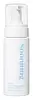
This mild foaming cleanser is made to cleanse while calming and soothing your skin.
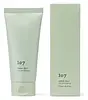
This mild gel cleanser is made to cleanse without leaving your skin tight or dry.

What's inside
What's inside
 Key Ingredients
Benefits
Concerns
No concerns
Ingredients Side-by-side


Artemisia Princeps Leaf Water
MaskingWater
Skin ConditioningGlycerin
Humectant


Cocamidopropyl Betaine
Cleansing



1,2-Hexanediol
Skin Conditioning
Decyl Glucoside
Cleansing
Polyglyceryl-4 Caprate
EmulsifyingXanthan Gum
EmulsifyingSodium Chloride
MaskingMethyl Gluceth-20
Humectant
Lactobacillus Ferment
Skin Conditioning
Bifida Ferment Lysate
Skin Conditioning
Lactococcus Ferment
Skin ConditioningStreptococcus Thermophilus Ferment
Humectant
Cellulose Gum
Emulsion StabilisingCitrus Aurantium Bergamia Fruit Oil
Masking


Citric Acid
Buffering

Vinegar
Dipropylene Glycol
HumectantMalt Extract
Skin ProtectingButylene Glycol
Humectant
Propanediol
Solvent
Inonotus Obliquus Extract
Skin ConditioningInulin
Skin Conditioning
Sodium Phytate
ChelatingXylitol
Humectant
Fructooligosaccharides
Humectant
Artemisia Annua Extract
Masking
Azadirachta Indica Leaf Extract
Skin ConditioningCamellia Sinensis Leaf Extract
Antimicrobial



Artemisia Princeps Leaf Extract
Skin ConditioningHouttuynia Cordata Extract
Skin Conditioning
Rhamnose
HumectantCentella Asiatica Extract
Cleansing
Glyceryl Caprylate
EmollientLimonene
Perfuming
Linalool
Perfuming
Artemisia Princeps Leaf Water, Water, Glycerin, Cocamidopropyl Betaine, 1,2-Hexanediol, Decyl Glucoside, Polyglyceryl-4 Caprate, Xanthan Gum, Sodium Chloride, Methyl Gluceth-20, Lactobacillus Ferment, Bifida Ferment Lysate, Lactococcus Ferment, Streptococcus Thermophilus Ferment, Cellulose Gum, Citrus Aurantium Bergamia Fruit Oil, Citric Acid, Vinegar, Dipropylene Glycol, Malt Extract, Butylene Glycol, Propanediol, Inonotus Obliquus Extract, Inulin, Sodium Phytate, Xylitol, Fructooligosaccharides, Artemisia Annua Extract, Azadirachta Indica Leaf Extract, Camellia Sinensis Leaf Extract, Artemisia Princeps Leaf Extract, Houttuynia Cordata Extract, Rhamnose, Centella Asiatica Extract, Glyceryl Caprylate, Limonene, Linalool
Reviews
Ingredients Explained
These ingredients are found in both products.
Ingredients higher up in an ingredient list are typically present in a larger amount.
Butylene Glycol (or BG) is used within cosmetic products for a few different reasons:
Overall, Butylene Glycol is a safe and well-rounded ingredient that works well with other ingredients.
Though this ingredient works well with most skin types, some people with sensitive skin may experience a reaction such as allergic rashes, closed comedones, or itchiness.
Learn more about Butylene GlycolCamellia Sinensis Leaf Extract (tea extract) is one of the most well-researched plant extracts in skincare with an impressive resume.
Black tea, green tea, and oolong tea are all harvested from the Camellia Sinensis plant.
Studies show green tea extract and its catechins (like epigallocatechin gallate (EGCG)) help your skin cells product energy more efficiently and reducing the number of free-radicals that can damage your skin from the inside.
In lab-grown skin models, this translated to younger, healthier, and stronger skin.
There's also good sun protection data; researchers saw less DNA damage and redness on human skin when green tea was applied before UVB exposure. And the more they applied, the better the protection.
Needless to say, this ingredient shouldn't replace your sunscreen. But it is a great supportive ingredient that you can already find in many sunscreens and antioxidant serums.
A 2009 study found a 2% green tea lotion was effective for mild-to-moderate acne thanks to its anti-inflammatory and mild antimicrobial activity.
The quality of the extract matters a lot here:
Good extracts contain 50-90% catechins while lower quality ones are mostly there for marketing. We recommend reaching out to the brand if you have questions about the quality or source of their ingredients.
Human Repeated Insult Patch Testing showed no irritation or sensitization at use concentrations (0.86% in leave-on products and up to 30% as leaf water).
Learn more about Camellia Sinensis Leaf ExtractCitric Acid is an alpha hydroxy acid (AHA) naturally found in citrus fruits like oranges, lemons, and limes.
Like other AHAs, citric acid can exfoliate skin by breaking down the bonds that hold dead skin cells together. This helps reveal smoother and brighter skin underneath.
However, this exfoliating effect only happens at high concentrations (20%) which can be hard to find in cosmetic products.
Due to this, citric acid is usually included in small amounts as a pH adjuster. This helps keep products slightly more acidic and compatible with skin's natural pH.
In skincare formulas, citric acid can:
While it can provide some skin benefits, research shows lactic acid and glycolic acid are generally more effective and less irritating exfoliants.
Most citric acid used in skincare today is made by fermenting sugars (usually from molasses). This synthetic version is identical to the natural citrus form but easier to stabilize and use in formulations.
Rosacea skin has a lower threshold for acids generally, with 62.5% of rosacea subjects in one study reacting to lactic acid in a sting test. This is why we mark citric acid as a potential rosacea trigger.
However, this ingredient shows up as a pH adjuster or chelator at roughly 0.1-1% in many products. These low levels are unlikely to be an issue for rosacea skin and becomes a potential trigger at exfoliating concentrations (20%). Because everybody's skin is unique, we recommend a patch test if you are unsure.
Learn more about Citric AcidGlycerin (or glycerol) is a compound naturally found in your skin. It's a powerhouse humectant that pulls water into the stratum corneum.
Topically, glycerin does several things at once:
Your skin makes glycerin on its own (mostly from sebaceous oil breakdown) and shuttles it to your outermost layer of skin, or your epidermis, via aquaporin-3.
Aquaporin-3 is a transporter that is essential for normal skin hydration, elasticity, and repair. Interestingly, mice lacking in AQP3 have dry and less elastic skin that can be fully corrected with glycerin.
This ingredient is non-irritating, plays well with almost every ingredient, and works across all skin types. Typical use is anywhere between 3-10% but can go up to 79% in some leave-on products.
Just know very high concentrations (>40%) can feel tacky in low humidity.
Glycerin is the name for this ingredient in American English. British English uses Glycerol/Glycerine.
Learn more about GlycerinGlyceryl Caprylate comes from glycerin and caprylic acid. It is an emollient, co-emulsifier, and preservative booster.
Its short C8 fatty acid chain makes it behave differently from its longer-chain emollient cousins like Glyceryl Stearate. It feels more lightweight, fast-absorbing, and silky instead of rich and waxy.
As a co-emulsifier, its "head" and "tail" sit at the oil-water interface. But overall, the short C8 tail and not being water soluble means it doesn't really have the muscle to emulsify a formula on its own. That's why you'll often see it paired with a primary emulsifier like Cetearyl Glucoside.
Interestingly, Glyceryl Caprylate acts as a preservative booster. This is because its fatty-acid backbone disrupts microbial lipid membranes. It shows excellent activity against bacteria and yeast but is weaker against mold.
Typical concentrations range from 0.5-1% and this ingredient is generally non-irritating.
Because this ingredient has a C8 fatty acid chain, it is outside the range that the Malassezia yeast metabolizes (making it fungal acne safe).
Learn more about Glyceryl CaprylatePropanediol is an all-star ingredient. It softens, hydrates, and smooths the skin.
It’s often used to:
Propanediol is not likely to cause sensitivity and considered safe to use. It is derived from corn or petroleum with a clear color and no scent.
Learn more about PropanediolWater. It's the most common cosmetic ingredient of all. You'll usually see it at the top of ingredient lists, meaning that it makes up the largest part of the product.
So why is it so popular? Water most often acts as a solvent - this means that it helps dissolve other ingredients into the formulation.
You'll also recognize water as that liquid we all need to stay alive. If you see this, drink a glass of water. Remember to stay hydrated!
Learn more about Water

