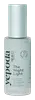
This barrier-repair night moisturizer is formulated around Aloe Barbadensis Leaf Juice and Niacinamide to strengthen the skin barrier and hydrate skin.
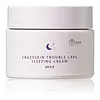
This acne night moisturizer is formulated around Niacinamide and Salicylic Acid to clear breakouts and calm redness.


What's inside
What's inside
 Key Ingredients
Benefits
Concerns
Ingredients Side-by-side
Aloe Barbadensis Leaf Juice
Skin Conditioning


Glycerin
Humectant

Propanediol
Solvent
Caprylic/Capric Triglyceride
Masking
Water
Skin ConditioningNiacinamide
Smoothing







Dicaprylyl Carbonate
EmollientButylene Glycol
Humectant
1,2-Hexanediol
Skin Conditioning
Cetearyl Olivate


Cetyl Ethylhexanoate
EmollientSorbitan Olivate
Emulsifying
Artemisia Princeps Leaf Extract
Skin ConditioningPunica Granatum Fruit Extract
Antioxidant
Sodium Hyaluronate
Humectant
Salix Alba Bark Extract
Astringent
Hyaluronic Acid
Humectant
Aloe Barbadensis Flower Extract
EmollientOriganum Vulgare Leaf Extract
Skin ConditioningSolanum Melongena Fruit Extract
Skin ConditioningChamaecyparis Obtusa Leaf Extract
Skin ConditioningCinnamomum Cassia Bark Extract
Masking
Lactobacillus/Soybean Ferment Extract
Skin ConditioningPortulaca Oleracea Extract
Skin Conditioning
Scutellaria Baicalensis Root Extract
Astringent
Ocimum Sanctum Leaf Extract
Skin ConditioningSaccharide Isomerate
Humectant
Corallina Officinalis Extract
Skin Conditioning
Curcuma Longa Root Extract
Antioxidant
Acetyl Hexapeptide-8
Humectant
Copper Tripeptide-1
Skin Conditioning
Oligopeptide-29
Antioxidant
Oligopeptide-32
Antiseborrhoeic
Palmitoyl Pentapeptide-4
Skin Conditioning
Sclerotium Gum
Emulsion StabilisingPolyglyceryl-3 Distearate
Emulsifying
Xanthan Gum
EmulsifyingMelia Azadirachta Flower Extract
Skin ConditioningEthylhexylglycerin
Skin ConditioningMelia Azadirachta Leaf Extract
Skin ConditioningGossypium Herbaceum Seed Extract
Skin ConditioningGlyceryl Stearate Citrate
Emollient
Coccinia Indica Fruit Extract
Skin Conditioning
Ceramide NP
Skin Conditioning
Tocopherol
Antioxidant
Aloe Barbadensis Leaf Juice, Glycerin, Propanediol, Caprylic/Capric Triglyceride, Water, Niacinamide, Dicaprylyl Carbonate, Butylene Glycol, 1,2-Hexanediol, Cetearyl Olivate, Cetyl Ethylhexanoate, Sorbitan Olivate, Artemisia Princeps Leaf Extract, Punica Granatum Fruit Extract, Sodium Hyaluronate, Salix Alba Bark Extract, Hyaluronic Acid, Aloe Barbadensis Flower Extract, Origanum Vulgare Leaf Extract, Solanum Melongena Fruit Extract, Chamaecyparis Obtusa Leaf Extract, Cinnamomum Cassia Bark Extract, Lactobacillus/Soybean Ferment Extract, Portulaca Oleracea Extract, Scutellaria Baicalensis Root Extract, Ocimum Sanctum Leaf Extract, Saccharide Isomerate, Corallina Officinalis Extract, Curcuma Longa Root Extract, Acetyl Hexapeptide-8, Copper Tripeptide-1, Oligopeptide-29, Oligopeptide-32, Palmitoyl Pentapeptide-4, Sclerotium Gum, Polyglyceryl-3 Distearate, Xanthan Gum, Melia Azadirachta Flower Extract, Ethylhexylglycerin, Melia Azadirachta Leaf Extract, Gossypium Herbaceum Seed Extract, Glyceryl Stearate Citrate, Coccinia Indica Fruit Extract, Ceramide NP, Tocopherol
Water
Skin ConditioningSolanum Melongena Fruit Extract
Skin ConditioningButylene Glycol
Humectant
Dimethicone
Emollient
Glycerin
Humectant
Cetearyl Alcohol
Emollient

Cyclopentasiloxane
Emollient
Niacinamide
Smoothing
Cyclohexasiloxane
Emollient
Cetearyl Olivate
1,2-Hexanediol
Skin Conditioning
Sorbitan Olivate
Emulsifying
Beeswax
Emulsion Stabilising
Hydroxyethyl Acrylate/Sodium Acryloyldimethyl Taurate Copolymer
Emulsion StabilisingBetaine
Humectant
Betula Alba Leaf Extract
AstringentAlchemilla Vulgaris Extract
AstringentEthylhexylglycerin
Skin ConditioningAllantoin
Skin Conditioning
Caprylyl Glycol
Emollient
Glyceryl Caprylate
EmollientXanthan Gum
EmulsifyingSalicylic Acid
Masking



Adenosine
Skin Conditioning
Viscum Album Extract
Skin ConditioningCirsium Setidens Leaf Extract
Skin ConditioningUlmus Davidiana Root Extract
Skin Conditioning
Diospyros Kaki Leaf Extract
Skin Protecting
Hamamelis Virginiana Extract
Antiseborrhoeic
Aloe Barbadensis Leaf Extract
Emollient
Madecassoside
Antioxidant
Lavandula Angustifolia Oil
Masking


Pelargonium Graveolens Flower Oil
Masking
Melaleuca Alternifolia Leaf Oil
Antioxidant
Rose Flower Oil
Masking
Geraniol
Perfuming
Citronellol
Perfuming
Limonene
Perfuming
Linalool
Perfuming
Beta-Glucan
Skin Conditioning
Water, Solanum Melongena Fruit Extract, Butylene Glycol, Dimethicone, Glycerin, Cetearyl Alcohol, Cyclopentasiloxane, Niacinamide, Cyclohexasiloxane, Cetearyl Olivate, 1,2-Hexanediol, Sorbitan Olivate, Beeswax, Hydroxyethyl Acrylate/Sodium Acryloyldimethyl Taurate Copolymer, Betaine, Betula Alba Leaf Extract, Alchemilla Vulgaris Extract, Ethylhexylglycerin, Allantoin, Caprylyl Glycol, Glyceryl Caprylate, Xanthan Gum, Salicylic Acid, Adenosine, Viscum Album Extract, Cirsium Setidens Leaf Extract, Ulmus Davidiana Root Extract, Diospyros Kaki Leaf Extract, Hamamelis Virginiana Extract, Aloe Barbadensis Leaf Extract, Madecassoside, Lavandula Angustifolia Oil, Pelargonium Graveolens Flower Oil, Melaleuca Alternifolia Leaf Oil, Rose Flower Oil, Geraniol, Citronellol, Limonene, Linalool, Beta-Glucan
Reviews
Ingredients Explained
These ingredients are found in both products.
Ingredients higher up in an ingredient list are typically present in a larger amount.
1,2-Hexanediol is a synthetic liquid and another multi-functional powerhouse.
It is a:
- Humectant, drawing moisture into the skin
- Emollient, helping to soften skin
- Solvent, dispersing and stabilizing formulas
- Preservative booster, enhancing the antimicrobial activity of other preservatives
Butylene Glycol (or BG) is used within cosmetic products for a few different reasons:
Overall, Butylene Glycol is a safe and well-rounded ingredient that works well with other ingredients.
Though this ingredient works well with most skin types, some people with sensitive skin may experience a reaction such as allergic rashes, closed comedones, or itchiness.
Learn more about Butylene GlycolCetearyl Olivate is a plant-derived emulsifier and texture enhancer. It helps keep the oil and water phases from separating so your formulas stay stable.
You'll likely see it combined with Sorbitan Olivate (together sold as the trade name Olivem 1000). This combination generates a liquid crystal structure that closely resemble the lipid organization of the stratum corneum.
These "skin-like" liquid crystals improve skin barrier integrity and promote the delivery of actives into the skin.
This ingredient is well-tolerated and has no significant sensitization data.
Because it is derived from the fatty acids in olive oil, this ingredient may not be fungal acne safe.
Learn more about Cetearyl OlivateEthylhexylglycerin is created from glycerin. It is a multitasker ingredient that:
The CIR Expert Panel found minimal skin absorption or sensitization of any kind in a safety assessment. Though this ingredient is considered well-tolerated, a small number of cases of allergic dermatitis have been published since 2002. Just be sure to patch test if you are unsure.
Industry-reported use ranges from 8% in rinse-off products and 2% in leave-on formulations.
Learn more about EthylhexylglycerinGlycerin (or glycerol) is a compound naturally found in your skin. It's a powerhouse humectant that pulls water into the stratum corneum.
Topically, glycerin does several things at once:
Your skin makes glycerin on its own (mostly from sebaceous oil breakdown) and shuttles it to your outermost layer of skin, or your epidermis, via aquaporin-3.
Aquaporin-3 is a transporter that is essential for normal skin hydration, elasticity, and repair. Interestingly, mice lacking in AQP3 have dry and less elastic skin that can be fully corrected with glycerin.
This ingredient is non-irritating, plays well with almost every ingredient, and works across all skin types. Typical use is anywhere between 3-10% but can go up to 79% in some leave-on products.
Just know very high concentrations (>40%) can feel tacky in low humidity.
Glycerin is the name for this ingredient in American English. British English uses Glycerol/Glycerine.
Learn more about GlycerinNiacinamide is a multitasking form of vitamin B3 that strengthens the skin barrier, reduces pores and dark spots, regulates oil, and improves signs of aging.
And the best part? It's gentle and well-tolerated by most skin types, including sensitive and reactive skin.
You might have heard of "niacin flush", or the reddening of skin that causes itchiness. Niacinamide has not been found to cause this.
In very rare cases, some individuals may not be able to tolerate niacinamide at all or experience an allergic reaction to it.
If you are experiencing flaking, irritation, and dryness with this ingredient, be sure to double check all your products as this ingredient can be found in all categories of skincare.
When incorporating niacinamide into your routine, look out for concentration amounts. Typically, 5% niacinamide provides benefits such as fading dark spots. However, if you have sensitive skin, it is better to begin with a smaller concentration.
When you apply niacinamide to your skin, your body converts it into nicotinamide adenine dinucleotide (NAD). NAD is an essential coenzyme that is already found in your cells as "fuel" and powers countless biological processes.
In your skin, NAD helps repair cell damage, produce new healthy cells, support collagen production, strengthen the skin barrier, and fight environmental stressors (like UV and pollution).
Our natural NAD levels start to decline with age, leading to slower skin repair, visible aging, and a weaker skin barrier. By providing your skin niacinamide, you're recharging your skin's NAD levels. This leads to stronger, healthier, and younger looking skin.
Another name for vitamin B3 is nicotinamide. This vitamin is water-soluble and our bodies don't store it. We obtain Vitamin B3 from either food or skincare. Meat, fish, wheat, yeast, and leafy greens contain vitamin B3.
The type of niacinamide used in skincare is synthetically created.
Learn more about NiacinamideThis ingredient comes from eggplant (or aubergine). It has skin conditioning properties due to its abundance of antioxidants like Chlorogenic Acid, Caffeic Acid, and Nasunin.
Nasunin is the pigment concentrated in the purple peel and has demonstrated the abilityu to neutralize free radicals and bind excess iron in lab studies.
Lab studies have shown that eggplant extracts can lower oxidative stress and protect skin cell membranes from damage. A 2025 study found that specific compounds in eggplant (particularly a phenolamide called N-Trans-Feruloylputrescine) may support skin health by neutralizing 2-nonenal, a byproduct linked to aging skin.
Overall, this is a gentle, well-tolerated ingredient that adds a little extra antioxidant support to your routine.
Those with nighshade vegetable allergies (tomatoes, peppers, potatoes) should patch test as eggplant is part of the same family.
Learn more about Solanum Melongena Fruit ExtractSorbitan Olivate is created from the fatty acids in olive oil and sorbitol.
This ingredient is an oil in water emulsifier. It helps stabilize a product by preventing oils and waters from separating. Sorbitan Olivate also helps hydrate the skin.
This ingredient is also known as part of Olivem 1000, with Cetearyl Olivate being the other part.
According to a manufacturer, this ingredient helps preserve the natural microbiome of skin. Having a healthy microbiome helps keep our skin healthy and protects against harmful bacteria.
Please note, having a healthy microbiome is different from fungal acne; a healthy microbiome includes small amounts of yeast that normally live on your skin without causing problems.
Fungal acne happens when one type of yeast (Malassezia) grows out of control. This is usually because it's feeding on certain oils or fatty acids. Due to the olive oil base, this ingredient may not be fungal acne safe.
Learn more about Sorbitan OlivateWater. It's the most common cosmetic ingredient of all. You'll usually see it at the top of ingredient lists, meaning that it makes up the largest part of the product.
So why is it so popular? Water most often acts as a solvent - this means that it helps dissolve other ingredients into the formulation.
You'll also recognize water as that liquid we all need to stay alive. If you see this, drink a glass of water. Remember to stay hydrated!
Learn more about WaterXanthan gum is used as a stabilizer and thickener within cosmetic products. It helps give products a sticky, thick feeling - preventing them from being too runny.
On the technical side of things, xanthan gum is a polysaccharide - a combination consisting of multiple sugar molecules bonded together.
Xanthan gum is a pretty common and great ingredient. It is a natural, non-toxic, non-irritating ingredient that is also commonly used in food products.
Learn more about Xanthan Gum

